The word “catwalk” is now synonymous with high fashion, flashing cameras, and models strutting in designer looks. But before it became the centerpiece of Fashion Week and the backdrop for every major couture debut, the term had a very different meaning—one rooted in architecture and feline agility.
The fashion runway’s name didn’t come from the industry itself. It came from the way cats walk—gracefully, precisely, and with a kind of effortless balance. That same energy is what designers wanted to evoke when models showcased their collections. And just like that, the catwalk was born.
From Industrial Walkways to Fashion Stages
Long before it was associated with Chanel or Versace, the word “catwalk” referred to narrow platforms used in industrial settings. These elevated walkways—often found in factories, shipyards, and theaters—were designed for maintenance workers to move across beams or machinery without falling.
Because these walkways were slim and required careful footing, they were compared to the way cats move: light, poised, and deliberate. The term “catwalk” was used to describe these structures as early as the late 19th century.
When fashion shows began to evolve from private salon presentations to theatrical events, designers and producers borrowed the term to describe the elevated platforms models walked on. The association with feline grace made it a perfect fit for the fashion world’s obsession with elegance and control.
The Rise of the Fashion Runway
Fashion shows weren’t always the spectacle they are today. In the early 1900s, designers like Paul Poiret and Charles Frederick Worth hosted intimate presentations for clients in their ateliers. Models would walk through rooms, showing off garments in a casual, conversational setting.
But as fashion became more commercial and competitive, the need for drama grew. By the 1950s, runways were elevated, lit, and extended—turning the model’s walk into a performance. The term “catwalk” gained traction as fashion shows became more theatrical, and the model’s strut became a signature move.
Today, the catwalk is a global symbol of fashion power. From New York to Paris, it’s where trends are born, careers are launched, and designers make their mark.
Why the Catwalk Still Matters
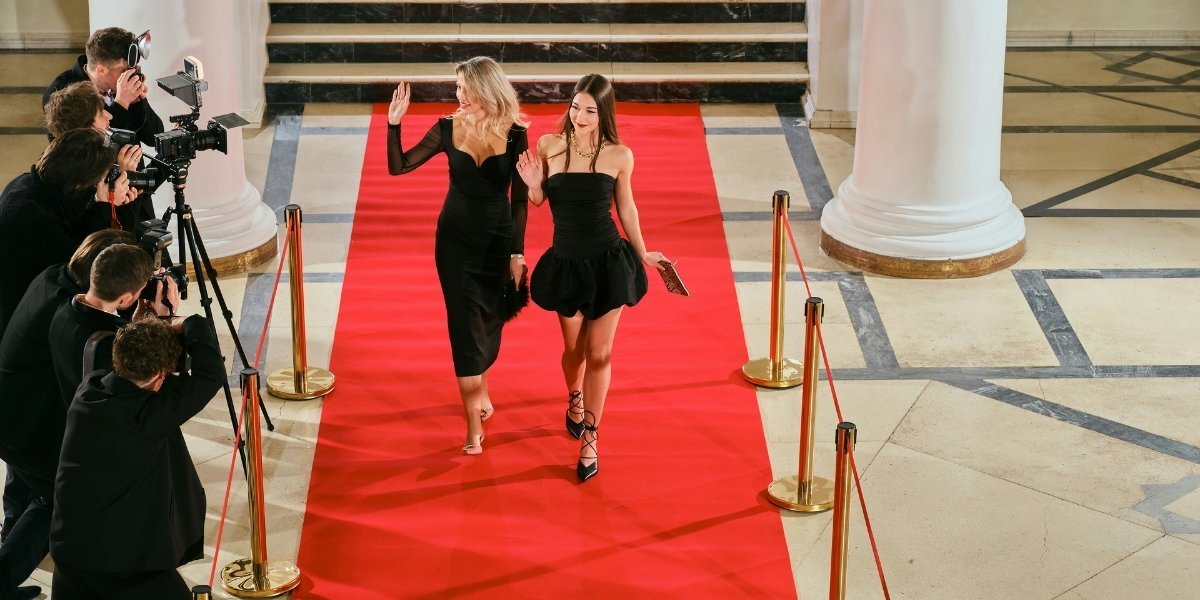
Photo Credit: Unsplash.com
The catwalk isn’t just a stage—it’s a statement. It’s where designers communicate their vision, where models embody the brand, and where audiences get their first glimpse of what’s next. It’s also a space where fashion intersects with culture, politics, and identity.
Think of Naomi Campbell’s legendary walk, Bella Hadid’s viral strut, or Rihanna’s Savage X Fenty runway takeover. These moments aren’t just fashion—they’re pop culture milestones.
The catwalk also reflects the industry’s evolution. From size inclusivity to gender fluidity, today’s runways are more diverse and dynamic than ever. And while the platforms may vary—from traditional runways to digital streams—the essence of the catwalk remains: grace, presence, and impact.
Catwalk vs. Runway: Is There a Difference?
Technically, “runway” and “catwalk” are interchangeable in fashion lingo. But there’s a subtle distinction in tone. “Runway” often refers to the physical structure or the event itself, while “catwalk” evokes the style and movement of the model.
In editorial and pop culture, “catwalk” carries a bit more flair. It’s the word used in headlines, captions, and commentary when describing a model’s walk or a designer’s show. It’s got edge, attitude, and a touch of drama.
That’s why FamousTimes uses “catwalk” when covering red carpet fashion and runway moments—it’s not just about the clothes, it’s about the energy.
The Catwalk’s Cultural Legacy
The catwalk has become more than a fashion term—it’s a metaphor. It represents confidence, transformation, and visibility. It’s where models become icons, and where fashion becomes performance.
From drag balls to TikTok challenges, the catwalk has been reimagined across cultures and platforms. It’s no longer confined to fashion weeks—it’s part of everyday expression.
And while its origin may be industrial, its legacy is pure glamour.