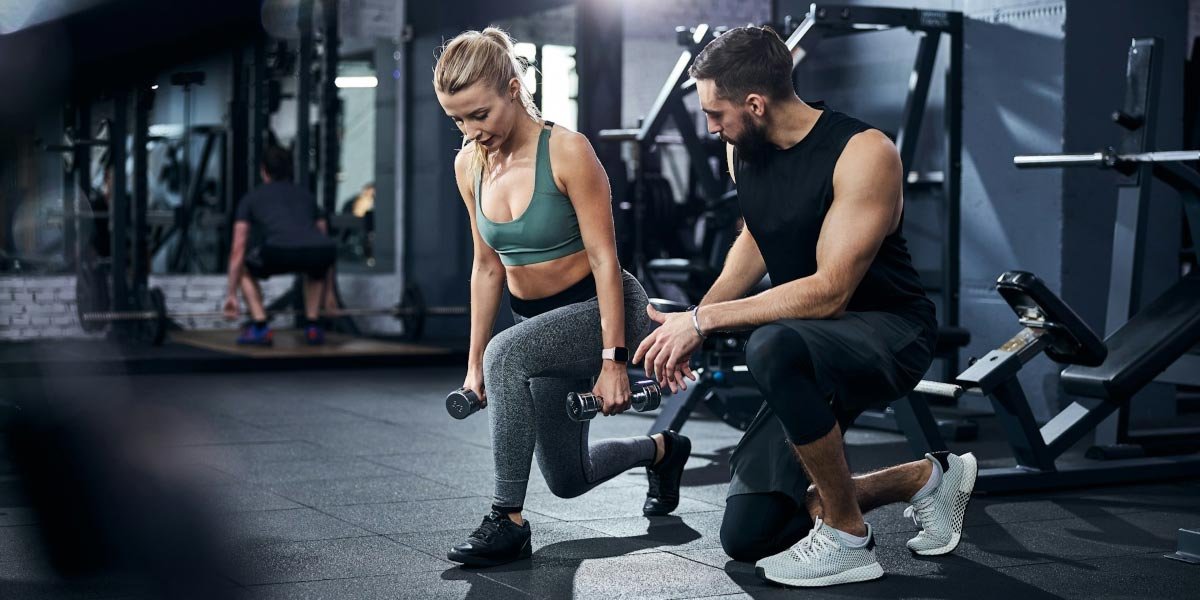

Athletic wear has evolved considerably over the years, transforming from simple garments designed solely for function to high-tech apparel designed to enhance performance, comfort, and sustainability. Behind this evolution lies a complex preparation process that integrates cutting-edge technology, innovative materials, and sustainable practices. This article explores the preparation models used in athletic wear, highlighting the design process, material selection, technology integration, testing, and the ethical considerations shaping the future of the industry.
Read also: The Evolution of Business Wear: From Functionality to Fashion Statement
Athletic Wear Preparation for Models
The preparation model for athletic wear involves multiple stages, including design, material selection, production, testing, and marketing. Each of these stages has been increasingly influenced by technological advancements, with AI, machine learning, and sustainability practices taking center stage in recent years. As the athletic wear market continues to grow, companies are investing heavily in these preparation models to deliver products that meet the demands of athletes and everyday consumers alike.
Design Process in Athletic Wear Development
The design of athletic wear goes far beyond aesthetic considerations. The initial concept and design decisions play a critical role in ensuring that the final product is both functional and comfortable.
Initial Design Concepts
Designing athletic wear starts with identifying the primary function of the garment. Whether it’s for running, yoga, cycling, or strength training, the design must consider the specific needs of each activity. Designers work closely with athletes to understand their performance requirements, such as freedom of movement, breathability, moisture-wicking properties, and temperature control. The concept is then developed with these functional needs in mind, often incorporating feedback from professional athletes to ensure the designs cater to their unique demands.
Prototyping and Concept Testing
Once the initial design concept is developed, prototypes are created. These prototypes undergo extensive testing to assess comfort, durability, and functionality. The feedback gathered during the testing phase is crucial for refining the design. This iterative process often involves modifying the fit, material choices, and even the construction methods to meet performance standards.
User-Centered Design
A key component of the design process is ensuring the garment fits and performs optimally for the user. By taking a user-centered approach, designers create athletic wear that aligns with the needs of different body types, movements, and preferences. Customization and adaptability have become important considerations, with some brands offering tailored fits or adjustable features to enhance comfort and performance.
Materials Selection for Athletic Wear
Selecting the right materials is essential for creating high-performance athletic wear. Advances in fabric technology have enabled the development of specialized fabrics that improve comfort, increase durability, and enhance overall performance.
Fabric Innovations
Innovations in fabric have driven much of the progress in athletic wear. Materials such as moisture-wicking fabrics, breathable textiles, and compression materials are standard in modern athletic wear. Fabrics like polyester and nylon are engineered to pull moisture away from the skin, allowing athletes to stay dry and comfortable during intense physical activity. Other innovations, such as fabrics that stretch without losing shape, improve fit and flexibility.
Sustainable Materials
The push for sustainability in athletic wear is leading to the use of eco-friendly materials such as recycled polyester, organic cotton, and biodegradable fabrics. As consumer awareness of environmental issues grows, brands are focusing on reducing their carbon footprint by incorporating sustainable practices throughout the production process. Additionally, biodegradable fabrics are gaining popularity as a way to reduce the impact of discarded athletic wear on the environment.
Testing Material Durability and Functionality
Once materials are chosen, rigorous testing is conducted to evaluate their performance under real-world conditions. Durability, elasticity, moisture control, and temperature regulation are key factors tested during this phase. Materials are also tested for their ability to withstand wear and tear, repeated washing, and exposure to extreme conditions such as high humidity or intense sunlight.
Antimicrobial and Odor-Resistant Properties
Antimicrobial treatments and odor-resistant properties are increasingly incorporated into athletic wear. These treatments prevent the growth of bacteria, which can cause unpleasant odors during intense workouts. Fabrics treated with antimicrobial agents offer athletes a more comfortable and hygienic wearing experience, extending the lifespan of their garments.
Advanced Technologies in Athletic Wear
Technological innovations have significantly changed how athletic wear is designed and produced. The integration of smart textiles, AI, and performance-tracking technologies is creating new possibilities for athletes and consumers alike.
Smart Textiles and Wearable Technology
Smart textiles are revolutionizing athletic wear by embedding sensors and electronics into fabrics to monitor physiological metrics such as heart rate, muscle activity, and body temperature. These sensors allow athletes to track their performance in real time and make data-driven decisions to optimize their training. For instance, shirts and leggings with embedded sensors can monitor posture, form, and movement, providing valuable insights for improving technique.
Compression Technology
Compression garments, such as tights and sleeves, have gained popularity for their ability to improve circulation, reduce muscle fatigue, and enhance recovery. Compression technology works by applying controlled pressure to specific areas of the body, which helps to prevent lactic acid buildup during exercise and accelerates the removal of metabolic waste products.
Temperature-Regulating Fabrics
Temperature regulation is a critical factor in athletic wear. Advanced fabrics that regulate body temperature by increasing breathability and moisture-wicking capabilities help athletes maintain a comfortable body temperature during different physical activities. These fabrics ensure that athletes stay cool in hot conditions and warm in colder environments, improving overall performance and comfort.
Adaptive Clothing for Specific Sports
Athletic wear is increasingly being tailored to specific sports and activities. For example, cycling gear is designed to optimize aerodynamics, while running apparel focuses on lightweight and breathable fabrics. Customized clothing that adapts to an athlete’s body and movements can enhance performance and comfort in various sports.
Testing and Performance Evaluation
Once the garments are designed and materials selected, they undergo a range of testing procedures to ensure they perform under real-world conditions.
Laboratory Testing
Athletic wear undergoes extensive laboratory testing to measure its durability, elasticity, and moisture-wicking properties. This testing simulates the conditions athletes will face during training and competitions, ensuring that the garment maintains its performance throughout its lifespan.
Field Testing with Athletes
Field testing is an essential part of the evaluation process, with athletes wearing the prototypes during training or competition. Their feedback is used to refine the design, fit, and functionality of the athletic wear. This real-world testing allows brands to fine-tune their products before bringing them to market.
Stress Testing for Durability
Stress tests are used to simulate long-term wear and tear, evaluating how athletic wear holds up after repeated use and washing. These tests ensure that the garments retain their shape, elasticity, and comfort, even after months of strenuous activity.
Comfort and Fit Testing
Comfort and fit are paramount in athletic wear. Testing ensures that garments fit well and allow for a full range of motion without discomfort. Customization options, such as adjustable waistbands and cuffs, are often included to improve the fit and comfort for different body types.
Innovation in Manufacturing Processes
Athletic wear manufacturing has evolved to incorporate cutting-edge technologies that streamline production while improving the quality of the final product.
3D Printing and Digital Fabrication
3D printing and digital fabrication are revolutionizing the production of athletic wear by allowing designers to create custom-fit garments and accessories. These technologies reduce material waste and enable quick prototyping, making the production process more efficient and sustainable.
Seamless Technology
Seamless construction techniques have become increasingly popular in athletic wear, particularly in compression garments. Seamless designs reduce chafing and improve comfort, allowing for a better fit and enhanced performance during exercise.
Sustainable Manufacturing
Sustainability is also a major focus in manufacturing processes. Many athletic wear brands are adopting eco-friendly production practices, such as reducing energy consumption, minimizing waste, and using recycled materials. Sustainable manufacturing methods are helping to reduce the environmental impact of the athletic wear industry.
Read also: Why Oversized Boots Are Dominating the Fashion Scene
The Future of Athletic Wear Preparation Models
The preparation models for athletic wear are constantly evolving as technology continues to drive innovation. From the materials selected to the advanced technologies embedded in the garments, the future of athletic wear promises to bring even greater levels of performance, comfort, and sustainability. As the industry continues to embrace new technologies and sustainable practices, athletes and consumers alike will benefit from products that enhance their experience while minimizing their environmental impact. The future of athletic wear is not just about performance—it’s about creating a more efficient, sustainable, and personalized experience for everyone.