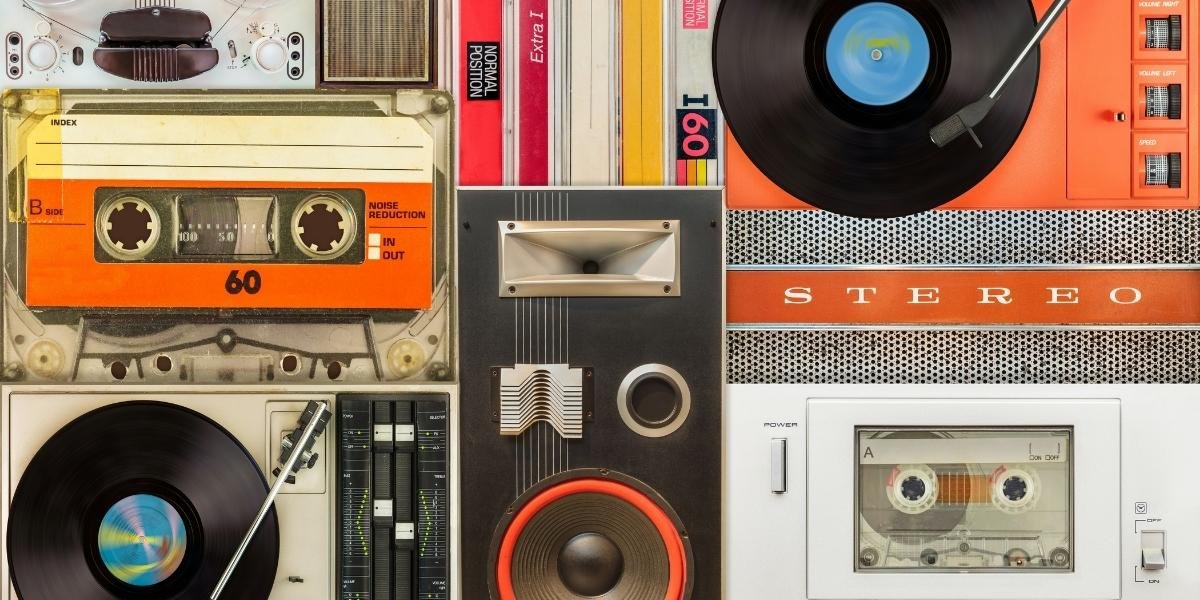

From the crackle of vinyl records to the seamless streaming of today’s hits, music formats have shaped the way we experience music. The journey from the early days of physical media to the digital age is one filled with innovation, cultural shifts, and technological advancements. Each new format brought a new way of listening, collecting, and sharing music, forever changing the music industry. Join us as we take a look at the rise and fall of music formats over the decades.
The Vinyl Revolution: Birth of the Modern Music Format
In the early 20th century, music was primarily shared through mechanical formats like the phonograph cylinder. However, the introduction of the 12-inch vinyl LP in the late 1940s marked the beginning of the modern music era. Vinyl quickly became the standard format for albums, offering better sound quality and longer playing time compared to previous formats.
The 1960s and 1970s saw vinyl’s peak, with record stores becoming cultural hubs and albums becoming art forms. Iconic album covers, limited editions, and collectible releases became part of the music-buying experience. Vinyl’s tactile nature and large, visually striking artwork made it a beloved format for collectors and audiophiles alike.
However, the emergence of cassette tapes in the 1980s and the CD in the 1990s slowly overshadowed vinyl. Despite this, vinyl remained a cherished medium for certain artists and enthusiasts, enduring through decades of change.
The Rise of Cassettes and CDs: Portability and Convenience
The 1980s ushered in the cassette tape era, which offered greater portability than vinyl. Consumers could now listen to music on the go, thanks to portable cassette players like the Walkman. This shift from home-based listening to personal, portable audio fundamentally changed how music was consumed. Cassettes also offered the ability to record music, giving consumers the freedom to make mixtapes for themselves or friends—an intimate, personalized music experience.
The rise of CDs in the 1990s further revolutionized the industry. CDs offered digital sound quality, durability, and the ability to hold more tracks than vinyl or cassette tapes. As the decade progressed, CD sales dominated the market, and music stores were filled with rows of shiny discs. For many, the compact disc marked the pinnacle of audio quality and convenience.
But, as we would later see, the convenience of CDs and cassettes would eventually be dwarfed by the explosion of digital media.
Digital Music and MP3s: The Birth of Digital Downloads
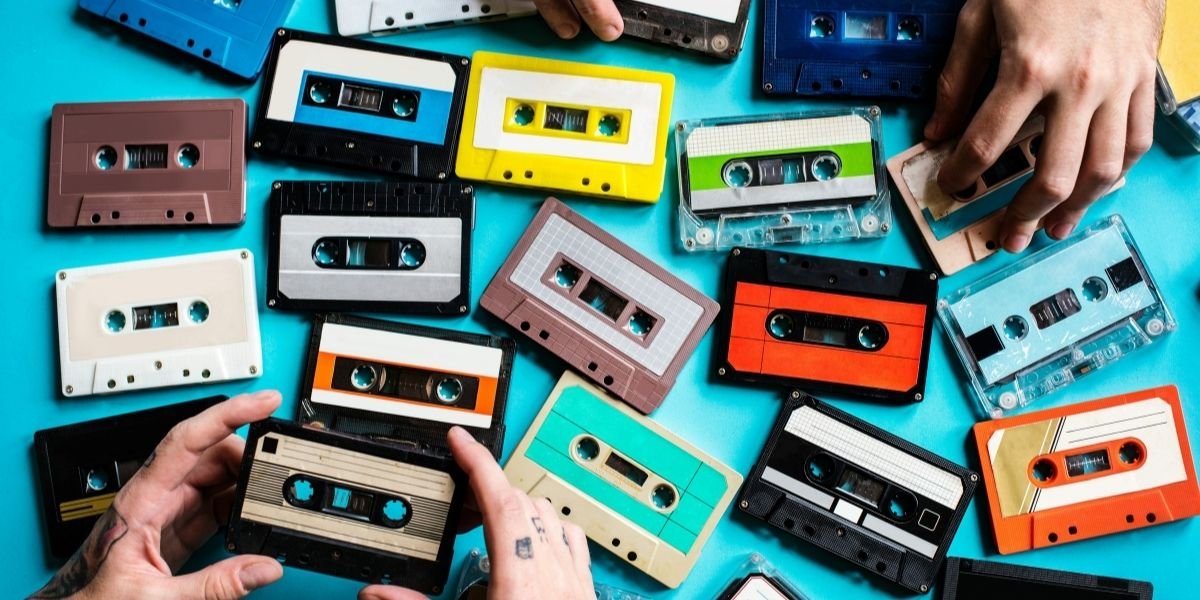
Photo Credit: Unsplash.com
The early 2000s saw the next great shift in music formats: digital downloads. The rise of the internet, file-sharing platforms, and MP3 technology transformed the music landscape. Music no longer needed to be physical—listeners could now download individual songs and entire albums onto their computers or MP3 players. This was a monumental change, as it allowed consumers to build personal libraries of music without the constraints of physical media.
The iPod, released by Apple in 2001, became the poster child for this new era of portable, digital music. Suddenly, you could carry thousands of songs in your pocket, revolutionizing how music was consumed. The rise of services like iTunes allowed users to purchase individual tracks for a fraction of the cost of a CD, further reducing the appeal of physical formats.
MP3s and digital downloads did not replace the desire for physical formats altogether. Many collectors and audiophiles still preferred the quality and tangible nature of CDs and vinyl, while casual listeners embraced the convenience of MP3s. Despite this, it was clear that the future of music consumption was heading toward a digital-first model.
Streaming Takes Over: The End of Physical Formats?
By the late 2000s and early 2010s, streaming platforms like Spotify, Apple Music, and Pandora had started to dominate the music industry. Streaming services offered an unprecedented level of access to music, allowing users to listen to millions of songs on-demand without ever having to download or purchase individual tracks.
Streaming’s biggest advantage was its accessibility. With a simple internet connection, music fans could instantly play their favorite songs, discover new artists, and curate personal playlists—all for a subscription fee or through free ad-supported models. Physical formats like CDs and vinyl were suddenly less relevant as listeners increasingly opted for the convenience and vast selection of streaming libraries.
Despite the overwhelming growth of streaming, vinyl saw an unlikely revival in the 2010s. Audiophiles and collectors returned to the format, drawn by its analog warmth and the nostalgia it evoked. Vinyl became a niche market once again, with newer releases and reissues flooding the shelves of record stores. According to recent reports, vinyl sales have steadily increased in the past few years, surpassing CD sales for the first time in decades.
The Future of Music Formats: What’s Next?
As streaming continues to reign supreme, the future of physical media seems uncertain. Will digital downloads make a comeback? Will there be a new format to disrupt the industry once again? The answer is unclear, but one thing is certain—music consumption is always evolving.
The rise of high-definition audio formats like Dolby Atmos and lossless streaming shows that the pursuit of better sound quality isn’t over. Likewise, the resurgence of vinyl indicates that many listeners still value the tactile experience of music, whether it’s the act of flipping through records in a store or enjoying the warmth of analog sound.
No matter what the future holds, music formats will continue to evolve, reflecting the ever-changing way people experience and enjoy music. From the booming digital era of streaming to the tactile pleasure of vinyl, music formats have followed a fascinating journey through time, and they’re not slowing down anytime soon.