Traditional massage therapies carry centuries of history and healing practices. These techniques, rooted in various cultures worldwide, aim to promote physical and mental well-being. But what exactly are traditional massage therapies, and why do they continue to hold importance in modern wellness?
From Ancient China to India and Europe, traditional massage practices have evolved over time. These therapies focus on stimulating the body’s energy flow, releasing tension, and enhancing relaxation. People have long relied on them not only for relief but also for maintaining overall health.
How Did Traditional Massage Therapies Originate?
The origins of traditional massage therapies trace back thousands of years. Early records from Chinese medicine highlight practices like Tui Na, which uses rhythmic compression and manipulation to treat ailments. Similarly, Ayurvedic massage in India combines herbal oils and strokes to balance bodily energies.
In the West, massage was valued by the Greeks and Romans for healing injuries and improving circulation. Historical texts show that these therapies were essential in ancient medical traditions, often tied to spiritual beliefs and holistic health.
What Are the Main Techniques Used in Traditional Massage Therapies?
Traditional massage therapies include diverse techniques. Some focus on deep tissue work, applying pressure to release muscle knots. Others use gentle strokes aimed at calming the nervous system. For example, Swedish massage uses long, flowing movements, while Shiatsu applies finger pressure on specific points.
Practitioners often tailor techniques to individual needs, blending methods for the best results. Oils, heat, and sometimes herbs accompany the massage to enhance healing and relaxation.
What Benefits Do Traditional Massage Therapies Offer?
The benefits of traditional massage therapies extend beyond simple relaxation. Research suggests they can reduce muscle pain, improve circulation, and lower stress levels. Many clients report improved sleep and enhanced mood after sessions.
Experts in holistic health emphasize that regular massage therapy supports the body’s natural healing processes. By reducing tension and stimulating circulation, these therapies can aid recovery from injury and boost immune function.
How Do Traditional Massage Therapies Fit Into Modern Wellness Practices?
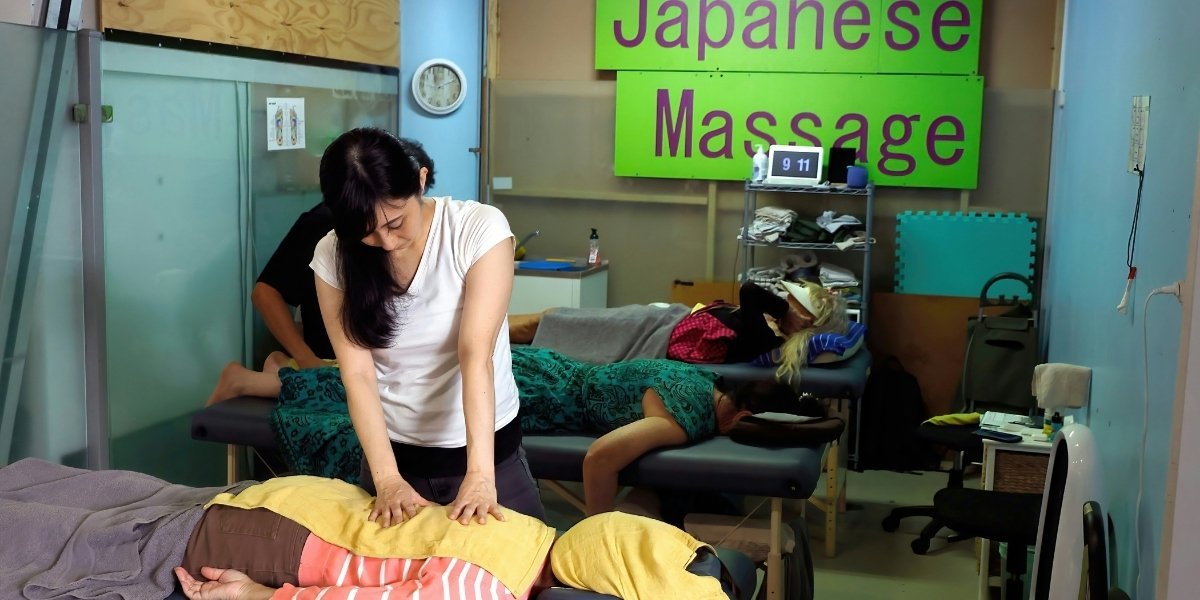
Photo Credit: Unsplash.com
While modern medicine advances, traditional massage therapies remain popular globally. Many health professionals recognize their value as complementary treatments. They often recommend massage therapy alongside physical therapy, stress management, and rehabilitation programs.
The growing interest in holistic health encourages blending ancient techniques with modern science. This integration aims to offer patients comprehensive care that addresses physical, emotional, and mental well-being.
What Should People Know Before Trying Traditional Massage Therapies?
Before beginning any massage therapy, it’s important to consider individual health conditions. Consulting with healthcare providers ensures safety, especially for those with medical concerns. Skilled therapists will customize treatments based on the client’s needs and preferences.
Professionals recommend clear communication during sessions. Clients should feel comfortable expressing their comfort levels and any pain or sensitivity. This dialogue helps maximize the therapy’s effectiveness and safety.
Traditional massage therapies connect us to a rich cultural heritage of healing. Their lasting presence highlights the human desire for care, comfort, and balance. Through varied techniques and benefits, these therapies continue to support well-being worldwide.