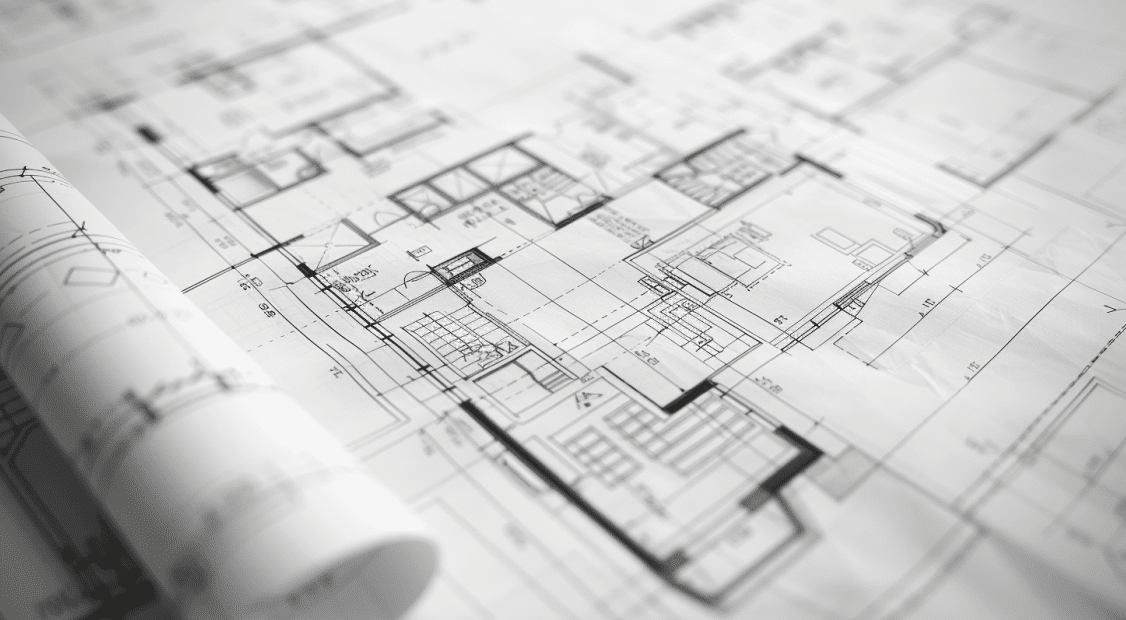
How Much to Build a Custom Home in Houston

When considering the costs associated with building a custom home in Houston, numerous variables come into play that can influence the overall price tag. From the average cost of land in the area to the intricacies of design features that can significantly impact the budget, understanding the various factors that contribute to the final sum is essential. Moreover, additional expenses beyond the basics need to be carefully factored in. Exploring these aspects can provide valuable insights into the complexities of determining the total investment required for constructing a custom home in Houston.

Average Cost of Land in Houston

When considering the average cost of land in Houston for building a custom home, researching current market trends is imperative. As of recent data, the average cost per square foot of land in Houston ranges between $5 to $30, depending on the neighborhood and proximity to amenities. Factors such as the size of the lot, location within the city, and the overall desirability of the area play significant roles in determining land prices. Generally, areas closer to downtown Houston or in upscale neighborhoods tend to have higher land costs compared to suburban or rural areas. Understanding these variations in land prices is essential for accurately budgeting and planning the total cost of constructing a custom home in Houston.

Factors Influencing Labor Costs

Labor costs for building a custom home in Houston are significantly influenced by various factors that warrant thorough consideration during the planning phase. The complexity of the home design plays a crucial role in determining labor costs, as intricate architectural features or unique layouts may require more skilled labor and time to execute. Additionally, the size of the home and the number of stories can impact labor expenses, with larger or multi-story homes generally requiring more labor hours. The location of the construction site within Houston can also affect labor costs, as accessibility, local labor market conditions, and permit requirements vary across different neighborhoods. Moreover, the experience and reputation of the construction crew involved can influence labor pricing, as more experienced professionals may charge higher rates for their services.

Impact of Material Choices

The selection of materials for a custom home in Houston has a significant influence on the overall cost and quality of the construction project. Opting for high-end materials such as marble countertops, hardwood flooring, or custom cabinetry can substantially increase the total expenditure. Conversely, choosing more budget-friendly alternatives like laminate flooring or standard fixtures can help lower costs. It’s essential to strike a balance between quality and budget when making material choices for your custom home. Additionally, the durability, maintenance requirements, and aesthetic appeal of the materials selected will impact the long-term satisfaction and value of the property. Working closely with your home builder or designer to select materials that align with your vision and budget is crucial in achieving a successful custom home construction project.

Design Features and Pricing

Selecting specific design features for your custom home in Houston directly impacts the overall pricing of the construction project. The design features you choose can significantly influence the cost of building your dream home. Luxurious additions such as high-end finishes, intricate architectural details, custom cabinetry, and premium flooring materials can drive up the overall expenses. Similarly, opting for unique design elements like vaulted ceilings, grand staircases, or custom-built features will add to the final price tag. Additionally, special design requests such as smart home technology integration, energy-efficient features, or custom landscaping can also contribute to the total cost. Therefore, it is essential to carefully consider your design choices and prioritize based on your budget to ensure a successful custom home construction project in Houston.

Additional Expenses to Consider

When planning the cost of building a custom home in Houston, it is crucial to account for various additional expenses that may arise throughout the construction process. These extra costs can include permit fees, landscaping expenses, utility connections, and unexpected construction delays. Permit fees are necessary for legal compliance and can vary depending on the location and size of the project. Landscaping costs encompass both the design and implementation of outdoor spaces. Utility connections involve hooking up water, electricity, gas, and sewer services to the new home. Additionally, unexpected construction delays can lead to increased labor costs and extended project timelines. By budgeting for these additional expenses upfront, homeowners can better prepare for the total cost of their custom home construction in Houston.

Published by: Martin De Juan

Eco-Innovations in Travel: Sustainable Practices for the Modern Explorer

Embracing Sustainable Travel

In an era where environmental consciousness is more crucial than ever, the travel industry is witnessing a transformative shift towards sustainability. Modern explorers are increasingly seeking ways to tread lightly on the planet, combining their wanderlust with a strong sense of ecological responsibility. This article delves into the latest eco-innovations in travel, highlighting how sustainable practices are being integrated into every aspect of the journey, from transportation to accommodation, making it possible for travelers like Andres Jacobus to explore the world while preserving its beauty.

Sustainable Transportation: The Green Journey Begins

The journey towards sustainable travel starts with how one chooses to get to their destinations. Innovations in transportation are paving the way for lower carbon emissions, with electric and hybrid vehicles leading the charge. Airlines are also exploring biofuels and more efficient flight paths to reduce their environmental impact. For the eco-conscious traveler, options like train travel, particularly in regions with high-speed rail networks, offer a scenic and lower-carbon alternative to flying.

Eco-Friendly Accommodations: Staying Green

Accommodations are redefining their operations to offer greener stays. Eco-hotels and resorts are emerging worldwide, focusing on energy efficiency, water conservation, and waste reduction. These establishments often use solar panels, rainwater harvesting systems, and composting programs to minimize their environmental footprint. Travelers who prioritize sustainability, can opt for such accommodations, contributing to the demand for greener lodging options.

Responsible Tourism: Exploring with Care

Responsible tourism emphasizes the importance of traveling in a way that respects local cultures and environments. This approach encourages travelers to engage with and contribute to local communities, often through ecotourism initiatives that support conservation efforts and provide economic benefits to local residents. By choosing activities and tours that are mindful of environmental and cultural preservation, travelers can have enriching experiences that also foster sustainability.

Innovative Travel Gear: Packing Eco-Consciously

The modern explorer’s toolkit is becoming increasingly green, with sustainable travel gear becoming more accessible. From biodegradable toiletries and reef-safe sunscreens to eco-friendly luggage made from recycled materials, the market for green travel products is expanding. Innovations like water purifiers also enable travelers to reduce plastic bottle usage, further lessening their environmental impact. For those who are committed to sustainable living, such eco-conscious travel gear is an essential part of their exploration kit.

Digital Advances: Minimizing Travel’s Footprint

Technology plays a pivotal role in eco-friendly travel, offering tools and apps that help minimize environmental impact. Digital boarding passes and tickets reduce paper waste, while apps for public transportation and bike-sharing contribute to more sustainable city exploration. Moreover, digital platforms offer invaluable resources for planning eco-friendly trips, from finding green accommodations to discovering responsible tours and activities.

Culinary Sustainability: Tasting the World Responsibly

Sustainable travel also extends to dining, with a growing trend towards local and organic eating. Farm-to-table restaurants and culinary experiences that highlight local produce not only offer a taste of the destination’s culinary heritage but also support local agriculture and reduce the carbon footprint associated with food transportation. For food enthusiasts like Andres Jacobus, this focus on local cuisine enhances the travel experience while aligning with sustainable practices.

Offsetting Carbon: Balancing the Environmental Ledger

Despite best efforts to travel sustainably, some carbon footprint is often inevitable. Carbon offsetting has emerged as a way for travelers to compensate for their emissions by investing in environmental projects, such as reforestation or renewable energy initiatives. This practice allows travelers to balance their environmental ledger, contributing to global sustainability efforts even as they explore the world.

Community and Conservation: Giving Back to Destinations

Eco-innovations in travel also include opportunities for travelers to directly engage in conservation efforts. Many destinations offer programs where tourists can participate in activities like beach clean-ups, wildlife monitoring, or reforestation projects. This hands-on approach to travel not only enriches the traveler’s experience but also leaves a positive impact on the destination, embodying the ethos of modern explorers who seek to give back to the places they visit.

The Path Forward for Eco-Conscious Explorers

The evolution of eco-innovations in travel is reshaping the industry, making it easier and more appealing for modern explorers to adopt sustainable practices. As travelers become more aware of their environmental impact, the demand for green alternatives continues to drive innovation across all facets of travel. From transportation to accommodation, and from dining to exploration, sustainability is becoming integrated into the very fabric of travel. For passionate travelers, these advancements offer a way to satisfy their wanderlust while upholding their commitment to preserving the planet for future generations. The journey towards sustainable travel is an ongoing one, but with each eco-conscious choice, we move closer to a world where exploration and environmental stewardship go hand in hand.

Published by: Martin De Juan