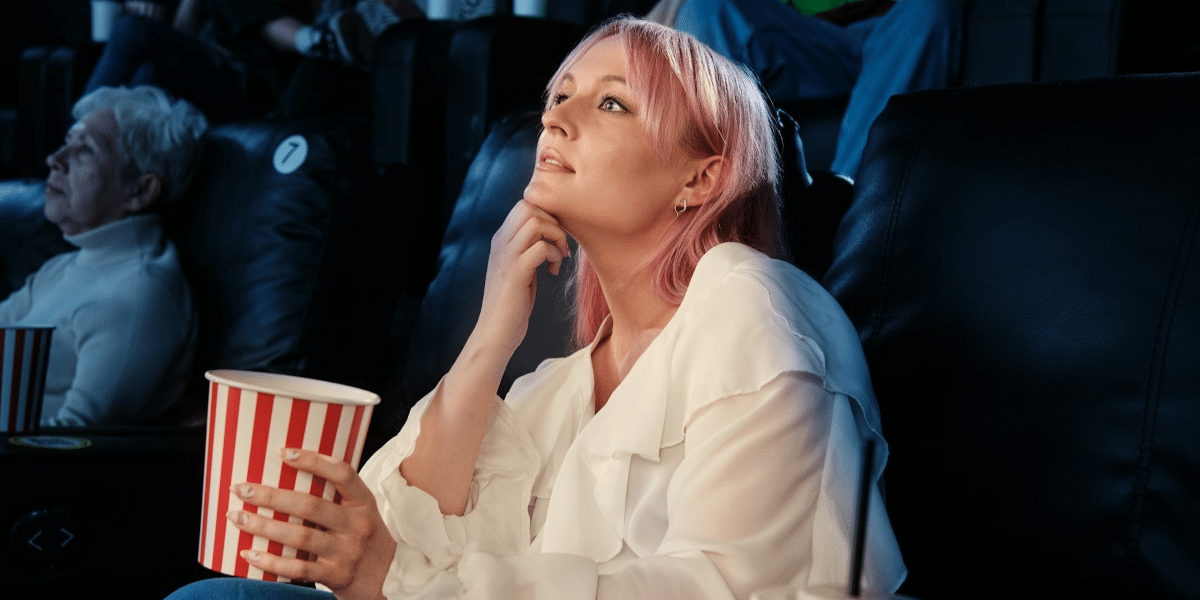
House Music Remains an Underrated Force in the Industry

House music, which originated in the early 1980s from Chicago’s underground club scene, has profoundly influenced the global music landscape. From its roots in electronic experimentation to its current global reach, house music has shaped the evolution of modern genres and inspired countless artists. Yet, despite its far-reaching impact, house music remains an underrated force in the music industry. This article explores the genre’s historical evolution, technological advancements, cultural significance, and ongoing challenges.

Historical Evolution and Cultural Impact

Origins and Development

House music emerged as a revolutionary sound in Chicago’s underground clubs, with DJs experimenting with electronic beats to create danceable tracks. Artists like Frankie Knuckles, often called the “Godfather of House Music,” used innovative techniques to blend soul, disco, and electronic music, giving birth to a new genre. These beats quickly captivated audiences, and house music expanded beyond Chicago, influencing other cities and eventually reaching international audiences.

Influence on Other Genres

House music has left an indelible mark on the music industry, inspiring the creation of new genres such as techno and electro. Additionally, its influence can be heard in mainstream pop, R&B, and even rock music. By incorporating house elements, artists have created some of the most memorable tracks in recent decades, blending the genre’s signature beats with their unique styles.

Technological Advancements and Accessibility

Role of Technology

The rise of affordable synthesizers, sequencers, samplers, and drum machines in the 1980s provided the tools for DJs and producers to innovate. These technological advancements propelled house music into new territories, enabling artists to experiment with sounds that defined the genre’s early days. Tracks like “Your Love” by Frankie Knuckles and Jamie Principle exemplified the creative potential of this new era of music production.

Democratization of Music Production

The accessibility of production tools has played a crucial role in house music’s development. Modern advancements, such as digital audio workstations (DAWs) and online distribution platforms, have lowered barriers to entry for aspiring producers. This democratization has ensured that house music continues to evolve, remaining relevant across generations and maintaining its status as a genre that thrives on innovation.

Global Reach and Cultural Integration

International Expansion

House music quickly spread beyond Chicago, finding enthusiastic audiences in Europe, particularly in cities like London, Berlin, and Ibiza. European clubs embraced the genre, creating vibrant party scenes that propelled house music into the mainstream. Iconic venues like London’s Ministry of Sound and Ibiza’s Pacha became synonymous with house music, cementing its global influence.

Cultural Fusion

House music’s adaptability has allowed it to merge seamlessly with various musical traditions. For instance, the integration of Latin rhythms and Afrobeat has given rise to unique subgenres that appeal to diverse audiences. This cultural fusion has ensured that house music remains dynamic and versatile, bridging cultural divides and connecting listeners worldwide.

Subgenres and Diversity

Evolution into Subgenres

House music’s diversity is one of its greatest strengths. Over the years, it has branched into numerous subgenres, each offering unique sounds and experiences. Deep house, tech house, progressive house, and tribal house are just a few examples of the genre’s rich diversity. These subgenres allow house music to cater to a broad range of preferences, ensuring its appeal to different demographics.

Adaptability and Mainstream Appeal

The genre’s adaptability is evident in its incorporation into mainstream pop music. Artists like Calvin Harris, David Guetta, and Kaytranada have successfully brought house music elements to the forefront of popular culture, demonstrating its ability to captivate both underground and mainstream audiences.

Recognition and Industry Challenges

Underrated Status

Despite its significant contributions, house music often remains underappreciated within the broader music industry. It is frequently overshadowed by other genres like hip-hop, pop, and rock in mainstream media and award ceremonies. This lack of recognition does not reflect the genre’s profound influence on global music culture and its ability to inspire innovation across styles.

Advocacy for Acknowledgment

Artists, DJs, and house music enthusiasts continue to advocate for greater recognition of the genre. Initiatives like the DJ Awards and music festivals dedicated to house music aim to celebrate its impact and showcase the talent within the genre. These efforts are essential in highlighting house music’s role in shaping the modern musical landscape.

House Music’s Enduring Legacy

Connecting Generations

House music’s longevity can be attributed to its ability to connect generations of listeners. While rooted in the sounds of the 1980s, the genre has evolved to resonate with contemporary audiences. This timeless quality ensures that house music remains a staple of dance floors and playlists worldwide.

Inspiring Innovation

House music continues to inspire artists across genres, pushing the boundaries of what electronic music can achieve. From underground clubs to global festivals, the genre’s influence is unmistakable, and its legacy as a force of creativity and connection is secure.

House music is more than just a genre—it is a cultural movement that has shaped the evolution of modern music. Its rich history, technological integration, global influence, and genre diversity highlight its enduring significance. However, house music’s contributions are often undervalued within the mainstream music industry, overshadowed by other genres.

By recognizing and celebrating house music’s impact, the industry can ensure that this dynamic and influential genre receives the acknowledgment it deserves. As house music continues to evolve and inspire, its role as an underrated yet powerful force in the music world remains undeniable.

The Appeal of Frill Dresses

Frill dresses, known for their decorative ruffles and elegant details, have remained a timeless staple in the fashion world. With their ability to blend femininity, romance, and sophistication, frill dresses continue to captivate fashion enthusiasts. From their historical origins to their modern reinventions, these garments hold a unique place in fashion. This article explores the enduring appeal of frill dresses and the factors that contribute to their popularity.

Historical Significance and Evolution

Renaissance and Victorian Eras

Frills have a long history in fashion, dating back to the Renaissance when they symbolized opulence and high social status. During the Victorian era, frills adorned women’s garments to emphasize femininity and modesty. These embellishments became synonymous with delicate elegance, shaping the cultural perception of frill dresses.

20th Century to Present

The 20th century brought new adaptations of frill dresses, with each decade offering a fresh interpretation. The flapper dresses of the 1920s featured subtle ruffles, while the bold and exaggerated frills of the 1980s reflected the era’s maximalist aesthetic. Today, designers continue to reinvent frill dresses, blending traditional elements with contemporary styles to appeal to modern audiences.

Psychological Appeal

Expression of Femininity

Frill dresses are often associated with traditional notions of femininity, allowing wearers to express softness and grace. The delicate and romantic nature of frills evokes feelings of nostalgia and provides a visual representation of elegance.

Individuality and Creativity

The versatility of frill designs enables wearers to showcase their unique style. Whether through subtle accents or dramatic layers, frill dresses offer endless opportunities for personal expression, making them a favorite choice for those seeking a standout piece.

Versatility in Fashion

Adaptability to Trends

Frill dresses seamlessly integrate into various fashion trends, from bohemian and vintage-inspired looks to high-end couture. Their ability to be styled for both casual and formal occasions enhances their appeal across diverse demographics.

Seasonal Appeal

Frill dresses are versatile in their adaptation to seasonal changes. Lightweight fabrics such as chiffon and cotton make them ideal for summer, while heavier materials like velvet and wool ensure their relevance during winter. This adaptability ensures their enduring popularity throughout the year.

Influence of Cultural Icons and Media

Celebrity Endorsements

Celebrities and public figures have played a significant role in popularizing frill dresses. Stars wearing these garments at red carpet events or in social media posts can spark trends and drive consumer interest. The influence of well-known personalities has elevated frill dresses to iconic status.

Representation in Media

Frill dresses frequently appear in films, television, and literature, often symbolizing romance and sophistication. These representations reinforce their appeal, making them aspirational pieces for many consumers.

Design and Aesthetic Appeal

Visual Interest

The layered textures of frill dresses add depth and movement, creating a dynamic visual effect. This complexity makes the garments eye-catching, appealing to those seeking a distinctive fashion statement.

Flattering Silhouettes

Strategically placed frills can enhance or create the illusion of specific body shapes, offering flattering options for various figures. For instance, frills at the neckline draw attention upward, while those at the waist can accentuate an hourglass silhouette.

Craftsmanship and Material Considerations

Artisanal Value

The construction of frill dresses often involves intricate sewing techniques, reflecting a high level of craftsmanship. This attention to detail adds to their allure, appealing to consumers who value well-made, artisanal garments.

Fabric Choices

The choice of fabric greatly influences the overall aesthetic of frill dresses. Materials like silk, organza, and tulle enhance the drape and flow of the frills, contributing to the garment’s elegant and luxurious appearance.

Economic and Market Factors

Designer Influence

High-end fashion designers frequently incorporate frills into their collections, setting trends that trickle down to mainstream fashion. This broadens the appeal of frill dresses, making them accessible at various price points.

Consumer Demand

The cyclical nature of fashion trends often brings frill dresses back into the spotlight. Designers and retailers respond to this demand by offering a wide range of styles, ensuring that frill dresses remain relevant and desirable.

The appeal of frill dresses lies in their ability to adapt and evolve while maintaining their timeless charm. From their historical roots to their modern interpretations, frill dresses continue to captivate fashion lovers with their elegance, versatility, and visual appeal. Their association with femininity and romance, coupled with their adaptability to changing trends, ensures their enduring presence in the world of fashion.

Whether styled for a casual outing or a formal event, frill dresses offer a unique blend of tradition and modernity, making them a beloved choice for individuals of all ages and styles. As designers continue to innovate and push boundaries, the legacy of frill dresses remains strong, proving that their allure is here to stay.

The Delayed Gratification in Film Release Delays

Delaying a film’s release is often seen as a double-edged sword. While it can help enhance audience anticipation and align with strategic release windows, it can also lead to financial challenges, audience frustration, and logistical headaches. The concept of delayed gratification—where waiting enhances the ultimate experience—is especially relevant in the context of film delays. This article delves into the multifaceted effects of delaying film releases, exploring their impact on audiences, industry stakeholders, and box office performance.

Audience Anticipation and Engagement

Delaying a film’s release can significantly affect audience anticipation, often heightening interest but sometimes leading to disappointment.

Building Anticipation

Strategic delays can increase excitement among fans, as the extended waiting period often builds hype. For instance, when high-profile films like The Batman sequel faced delays, discussions and speculation surged, keeping the movie in public discourse and heightening anticipation for its eventual release.

Potential Frustration

On the flip side, prolonged delays can frustrate fans. Repeated postponements may cause audiences to lose interest, especially if the delays are not accompanied by consistent engagement or compelling updates from the filmmakers.

Fan Theories and Speculation

In some cases, delays fuel fan creativity. Audiences often fill the void with theories, fan art, and social media discussions, creating a buzz that sustains interest. For example, speculation about plotlines or character developments can keep a film top-of-mind, even during extended waiting periods.

Box Office Performance

Film delays can have both positive and negative effects on box office performance, depending on the timing and circumstances of the postponement.

Positive Impact

Strategically timed delays can place a film in a more favorable release window, such as during a holiday season or when competition is less fierce. These adjustments often result in stronger box office performance, as films are better positioned to capture audience attention.

Negative Impact

Unanticipated delays, such as those caused by production issues or global events, can lead to missed opportunities. For instance, releasing a film outside of its intended season or in a crowded schedule can dilute its potential audience, ultimately reducing revenue.

Case Studies

Several films have experienced both ends of the spectrum. Films like No Time to Die benefited from strategic delays that allowed for better marketing and audience readiness, while others faced diminished returns due to poorly timed releases.

Marketing and Promotional Strategies

Delays can significantly impact marketing strategies, often requiring adjustments to sustain audience interest and manage budgets effectively.

Extended Campaigns

When a film’s release is delayed, marketing campaigns must be extended to keep the audience engaged. This often includes releasing new trailers, teasers, or promotional materials to reignite excitement. However, prolonged campaigns can risk audience fatigue if not managed carefully.

Budget Implications

Extending a marketing campaign comes with increased costs. Studios must allocate additional resources to maintain momentum, which can strain budgets, particularly for smaller productions.

Adapting to New Release Dates

Delays require marketing teams to recalibrate their strategies to align with the new timeline. This may involve rescheduling media appearances, updating promotional materials, and coordinating with distributors to ensure consistent messaging.

Production and Post-Production Challenges

Behind-the-scenes issues often contribute to delays, which can bring both benefits and complications.

Technical Enhancements

Delays provide additional time to improve technical aspects such as visual effects, sound design, and editing. This can lead to a more polished final product, enhancing audience satisfaction upon release.

Resource Allocation

Extending production timelines can strain budgets and resources, particularly for films already operating under tight financial constraints. Studios must weigh the benefits of additional production time against the potential for escalating costs.

Talent Availability

Long delays can cause scheduling conflicts for cast and crew, particularly if they have commitments to other projects. This can complicate reshoots or promotional activities, potentially impacting the final product.

External Factors Influencing Delays

Delays are often influenced by factors beyond a studio’s control, ranging from global events to industry-specific challenges.

Global Events

The COVID-19 pandemic is a prime example of how external factors can force delays. The closure of theaters and disruptions to production schedules led to widespread postponements, reshaping the release calendar for years to come.

Industry Strikes

Labor disputes, such as writers’ or actors’ strikes, can halt production, leading to delays. These disruptions not only affect individual films but also have ripple effects across the industry.

Regulatory Hurdles

International film regulations, including censorship and compliance requirements, can delay releases in certain markets. Navigating these complexities adds time and effort to the distribution process.

Psychological Effects on Audiences

The concept of delayed gratification suggests that waiting for a desired experience can enhance its perceived value, but this phenomenon has its limits.

Increased Desire

Scarcity and anticipation often heighten the perceived value of a film. When audiences are made to wait, the eventual release can feel like a reward, amplifying excitement and engagement.

Satisfaction Upon Release

When delays result in a superior product, audiences are more likely to feel that the wait was worthwhile. A well-polished film with strong storytelling and visuals can justify the extended timeline.

Potential Disappointment

High expectations built during prolonged delays can backfire if the film fails to meet audience standards. In such cases, the hype generated during the waiting period may lead to greater dissatisfaction.

Industry Scheduling and Competition

Release schedules are meticulously planned to maximize box office potential, and delays often require careful recalibration.

Avoiding Clashes

Strategic delays can help films avoid competing with major blockbusters, ensuring a better chance of box office success. For example, studios often adjust release dates to steer clear of crowded weekends dominated by high-profile franchises.

Seasonal Timing

Releasing during peak seasons, such as summer or the holiday period, can significantly boost audience turnout. Delays that align with these windows often yield higher returns than those released during off-peak periods.

Festival Circuits

Delays may also coincide with opportunities to showcase a film at prestigious festivals. Positive reception at events like Cannes or Sundance can generate buzz and elevate a film’s profile ahead of its general release.

The delayed gratification associated with film release delays reflects the delicate balance between strategic planning and audience expectations. While delays can heighten anticipation, improve technical quality, and align with optimal release windows, they also carry risks such as audience frustration, financial strain, and potential disappointment.

By understanding the nuances of delays and adopting flexible strategies, studios can navigate these challenges effectively. For audiences, the waiting period often becomes part of the journey, culminating in the shared excitement of finally experiencing a long-awaited film. In a rapidly evolving industry, the art of managing film delays remains a critical skill for ensuring both creative and commercial success.

Why Influencers Are Good for Retail Collaborations

Influencer marketing has become a cornerstone of modern retail strategies, helping brands connect with their target audiences in more authentic and impactful ways. By leveraging influencers’ engaged followings and creative abilities, retailers can enhance their visibility, credibility, and sales. This article explores the reasons why influencers are invaluable for retail collaborations, focusing on their ability to expand reach, build trust, create authentic content, and drive measurable results.

Expanded Reach and Brand Awareness

One of the primary benefits of collaborating with influencers is their ability to significantly broaden a brand’s reach.

Access to Established Audiences

Influencers bring their established audiences to the table, allowing retailers to tap into these communities without having to build an entirely new following from scratch. These audiences trust the influencer’s recommendations, making them more likely to engage with and explore the retailer’s products or services.

Real-Life Example

For instance, when a small eco-friendly apparel brand partnered with a fashion influencer committed to sustainability, the collaboration resulted in a 50% increase in website traffic and a 30% rise in sales over the following month. This demonstrates the power of influencer partnerships in expanding brand awareness.

Enhanced Credibility and Trust

Influencers are trusted by their followers, making their endorsements far more impactful than traditional advertisements.

Building Trust Through Authenticity

Over time, influencers build credibility with their audience by sharing honest reviews and relatable content. When they endorse a product, it feels more genuine compared to conventional ads, where the intent to sell is more obvious. This sense of authenticity increases the likelihood of conversions.

Trust Translates to Sales

Retailers can leverage this trust to influence purchasing decisions. For example, beauty brands often rely on influencers to demonstrate how their products work, turning complex or unfamiliar items into accessible and desirable purchases.

Targeted Marketing

Influencers allow retailers to target specific demographics and niches with precision.

Niche Expertise

Many influencers specialize in particular areas, such as fitness, fashion, or technology. By collaborating with influencers whose followers align with their target market, retailers can ensure their products reach the most relevant audiences.

Better ROI

This targeted approach enhances the return on investment (ROI) for marketing campaigns, as it reduces wasted efforts on audiences unlikely to engage or convert.

Authentic Content Creation

Influencers excel at creating engaging content that resonates with their audiences.

High-Quality Content

Retailers can rely on influencers to produce authentic, high-quality content that highlights their products in relatable and creative ways. This content often performs better than traditional brand-generated ads because it feels less promotional and more organic.

Repurposing Content

Beyond the influencer’s platforms, retailers can repurpose this content for their own marketing channels, such as websites, social media, or email campaigns, maximizing its value.

Improved Engagement Rates

Influencers’ posts often achieve higher engagement rates compared to traditional brand content.

Interactive Content

Audiences are more likely to engage with influencer-generated content because of its personal and relatable nature. Likes, comments, and shares increase visibility, sometimes even resulting in viral campaigns.

Driving Traffic

Higher engagement drives traffic to retail websites or physical stores. This increased interaction not only boosts sales but also strengthens the brand’s online presence.

Cost-Effective Marketing

Influencer collaborations can be more budget-friendly compared to traditional advertising methods.

Flexible Partnerships

Retailers have the flexibility to choose partnership models that align with their budgets, such as product exchanges, one-time posts, or long-term collaborations. This flexibility makes influencer marketing accessible to brands of all sizes.

Long-Term Value

The content created during these collaborations often has a long shelf life, providing ongoing value as it continues to attract attention and engagement over time.

Access to New Markets

Collaborating with influencers helps retailers reach new demographics and markets.

Market Expansion

Through influencers, retailers can introduce their products to audiences they may not have reached through traditional marketing. This is particularly valuable for brands looking to enter new geographic regions or appeal to younger consumers.

Cross-Cultural Appeal

Influencers with diverse audiences can help brands navigate cultural nuances, making their messaging more relatable and effective in different markets.

Enhanced Social Media Presence

Influencer collaborations can significantly boost a retailer’s social media presence.

Increased Followers

Partnerships with influencers often result in an increase in followers for the retailer’s social media accounts. New followers who discover the brand through the influencer’s content may become loyal customers.

Content Amplification

Influencers amplify the reach of a brand’s content by sharing it with their engaged audiences. This amplification strengthens the brand’s visibility across social platforms.

Measurable Results and Insights

Influencer marketing provides measurable outcomes that allow retailers to evaluate campaign effectiveness.

Tracking Engagement Metrics

Retailers can track metrics such as likes, comments, shares, and clicks to assess the success of influencer collaborations. These insights help brands understand what resonates with their audience.

Conversion Rates

Many influencers provide discount codes or affiliate links, making it easy to track sales generated from their promotions. This data-driven approach allows retailers to refine future campaigns for even better results.

Long-Term Partnerships and Brand Loyalty

Building long-term relationships with influencers can lead to sustained success.

Ongoing Advocacy

Influencers who develop a genuine affinity for a brand often become long-term advocates, regularly promoting its products even beyond formal collaborations. This ongoing advocacy fosters loyalty among the influencer’s followers.

Brand Ambassadorships

Retailers can establish ambassadorship programs where influencers consistently use and promote their products. This steady representation builds a strong association between the influencer and the brand, reinforcing credibility and trust.

Why Influencers Are Key to Retail Success

Influencers bring authenticity, creativity, and targeted reach to retail collaborations. They offer a unique ability to connect with audiences in meaningful ways, making them invaluable partners in the ever-evolving retail landscape.

  • Authenticity: Influencers create genuine content that resonates with their followers.
  • Engagement: Their posts generate high engagement, driving traffic and conversions.
  • Measurable Impact: Retailers can track campaign success through data and metrics.
  • Cost-Effectiveness: Flexible collaboration models make influencer marketing accessible to businesses of all sizes.

The Power of Influencer Collaborations

Influencers have transformed the way retailers approach marketing, providing opportunities to reach new audiences, build trust, and drive sales. Whether through targeted campaigns, authentic content creation, or long-term partnerships, influencers have proven to be valuable allies for brands looking to thrive in a competitive marketplace.

For retailers, the key is to choose influencers whose values align with their brand and whose audiences match their target demographic. With the right partnerships, influencers can help retailers achieve lasting success in an increasingly digital world.

Do Actors Get Paid in Residuals?

Actors play a crucial role in the entertainment industry, bringing characters to life and creating memorable performances. But beyond their upfront payments, many wonder if actors continue to earn money after their work is released. The answer lies in a concept called “residuals.” While royalties are typically reserved for creators like writers or musicians, residuals are the payments actors receive when their work is reused in various media. This article delves into the nuances of residuals, their calculation, and the evolving challenges of this payment system.

What Are Residuals?

Residuals are payments made to performers for the reuse or redistribution of a production after its initial release. This compensation ensures that actors benefit from the enduring popularity and profitability of their work.

Residuals vs. Royalties

While both residuals and royalties involve payments over time, they cater to different groups. Residuals are specific to performers, compensating them for their contributions to a project that continues to generate revenue. Royalties, on the other hand, are payments to creators—such as writers, musicians, or copyright holders—based on the ongoing sale or use of their intellectual property.

Who Is Eligible for Residuals?

Not all actors automatically qualify for residuals. Various factors determine eligibility, with the type of role and union affiliation playing significant roles.

Principal Performers

Actors with speaking roles or significant on-screen time are usually eligible for residuals. These performers are considered principal contributors to the production and are compensated accordingly.

Background Actors

Unlike principal performers, background actors—those without speaking lines or minimal screen presence—do not typically receive residuals. Their work is considered a one-time contribution to the production.

How Are Residuals Calculated?

The calculation of residuals is a complex process influenced by numerous variables, including the production type, distribution method, and contractual agreements.

Factors Influencing Residuals

Residual payments are determined by the production’s budget, the actor’s role, and the distribution channel. For example, a high-budget television series may yield higher residuals for its actors compared to a low-budget independent film.

Payment Schedules

Actors usually receive their residuals between one and four months after the production is reused. These payments are tracked and disbursed by the studio or production company, ensuring compliance with contractual agreements.

Residuals Across Different Media Platforms

Residuals vary significantly based on how and where the production is distributed after its initial release. From television reruns to streaming platforms, each channel has its unique impact on residual payments.

Television Reruns

For decades, television reruns have been a reliable source of residual income for actors. Each time a show is rebroadcast, the actors involved receive a payment based on their contractual terms.

Streaming Platforms

The rise of streaming services like Netflix and Amazon Prime has revolutionized content consumption. However, it has also introduced challenges in residual calculations. Actors often earn lower residuals for streaming content compared to traditional media due to different revenue-sharing models and licensing agreements.

Physical Media Sales

While less common in the digital age, sales of DVDs and Blu-rays still generate residuals for actors. These payments are based on the number of units sold and the agreements outlined in their contracts.

The Role of Unions in Residual Payments

Actors’ unions play a vital role in negotiating and enforcing residual agreements, ensuring fair treatment for their members.

SAG-AFTRA

The Screen Actors Guild‐American Federation of Television and Radio Artists (SAG-AFTRA) is the primary union representing actors in the United States. The organization negotiates residuals on behalf of its members and works to maintain industry standards.

Other Industry Unions

While SAG-AFTRA focuses on actors, other unions like the Directors Guild of America (DGA) and the Writers Guild of America (WGA) handle residuals for directors and writers, respectively. These organizations collaborate to ensure equitable compensation across the entertainment industry.

Challenges and Considerations in Residuals

Despite their benefits, residuals are not without challenges. Actors and their representatives must navigate a complex landscape of evolving media formats and financial pressures.

Declining Residuals

Instances of declining residual payments have become increasingly common, particularly in the era of streaming. In some cases, residuals are so low that they fail to cover administrative costs. This has raised concerns about the sustainability of the current compensation model.

Contract Negotiations

To secure fair residuals, actors and their agents must carefully negotiate their contracts. This is especially critical in the digital age, where streaming platforms dominate and traditional revenue models are being redefined.

The Future of Residuals in the Entertainment Industry

As the entertainment landscape continues to evolve, so too will the systems governing residual payments. With the rise of digital platforms and changing viewer habits, the industry must adapt to ensure that actors are fairly compensated for their work. Organizations like SAG-AFTRA will likely play a pivotal role in advocating for updated residual frameworks that reflect the realities of modern content distribution.

Residuals provide an essential safety net for actors, enabling them to share in the financial success of their work long after the cameras stop rolling. While not every actor qualifies for residuals, those who do benefit significantly from this system. However, with the rise of streaming services and changing industry norms, residuals are facing unprecedented challenges. By staying informed and leveraging union support, actors can continue to navigate the complexities of this crucial aspect of their compensation.

How Much Influence Should the Studio Have Over a Film Production

The extent of a studio’s influence over film production has long been a topic of debate in the film industry. Striking the right balance between creative freedom and commercial oversight is crucial to the success of a movie. Historically, studios wielded immense control over every aspect of filmmaking, but this dynamic has evolved, influenced by changing industry practices and the rise of independent cinema. This article explores the factors determining the degree of studio involvement in film production and the implications of this influence on the creative and commercial aspects of filmmaking.

A Historical Perspective on Studio Influence

The Era of the Studio System

During Hollywood’s Golden Age (1920s-1940s), the studio system dominated filmmaking. Studios controlled everything from casting and scripting to marketing and distribution. Directors, actors, and writers often worked under long-term contracts, limiting their creative autonomy. This centralized model ensured consistency and efficiency, producing many iconic films. However, it also stifled individual creativity, as studio executives prioritized marketability over artistic expression.

The Rise of Independent Cinema

The decline of the studio system in the mid-20th century marked a shift toward greater creative freedom. Independent filmmakers began producing groundbreaking films that challenged traditional narratives and aesthetics. This era saw the emergence of auteurs—directors who exercised significant creative control over their work. The independent movement paved the way for innovative and diverse cinema, reshaping the industry and redefining the relationship between studios and filmmakers.

Contemporary Studio Influence

Major Studio Dominance

In modern cinema, major studios often exert significant influence over high-budget productions, particularly blockbusters and franchise installments. Studios like Disney, Warner Bros., and Universal play a central role in shaping the creative and commercial direction of their projects. For instance, the Marvel Cinematic Universe (MCU) exemplifies a studio-driven approach, with Marvel Studios maintaining tight control to ensure narrative continuity and brand alignment. This level of oversight is crucial for managing interconnected storylines across multiple films and maximizing audience engagement.

Independent Studios and Creative Freedom

Independent studios, such as A24 and Neon, have gained recognition for prioritizing director-driven projects and unique storytelling. These studios offer filmmakers greater creative latitude, allowing them to explore innovative ideas without the constraints of mainstream marketability. Films like Moonlight, Lady Bird, and Everything Everywhere All At Once highlight the success of this approach, proving that creative risk-taking can result in critical acclaim and commercial success.

Areas of Studio Influence

Creative Control

Studios often intervene in the creative process to align a film with market trends or audience expectations. This involvement can manifest in decisions about casting, script adjustments, and even the film’s ending. While such interventions aim to maximize commercial success, they can lead to conflicts with directors who prioritize artistic authenticity. For instance, disputes over creative direction have led to notable exits by directors from high-profile projects, such as Edgar Wright leaving Ant-Man due to “creative differences” with Marvel Studios.

Budget and Resources

Studios provide the financial backing necessary for production, giving them significant leverage over cost-related decisions. They may impose restrictions on spending or request changes to the script to accommodate budget constraints. While this oversight ensures fiscal responsibility, it can limit a filmmaker’s vision, particularly in resource-intensive productions like science fiction or historical dramas.

Marketing and Distribution

Studios play a pivotal role in promoting and distributing films, determining release strategies that can significantly affect a film’s reach and profitability. Decisions about release dates, marketing campaigns, and target audiences are typically handled by the studio. For instance, releasing a film during peak seasons like summer or the holidays can boost box office returns but may also increase competition with other major releases.

Balancing Creative Freedom and Studio Oversight

Collaborative Dynamics

The relationship between a studio and its filmmakers is critical to the success of a project. A collaborative approach, where studios provide input without stifling creativity, often yields the best results. For example, Christopher Nolan’s partnership with Warner Bros. on films like Inception and The Dark Knight Trilogy showcases how mutual respect and shared goals can result in critically and commercially successful films.

Genre and Budget Considerations

The level of studio influence often depends on the genre and budget of a film. High-budget blockbusters, which involve significant financial risk, typically warrant greater studio oversight to ensure a return on investment. Conversely, lower-budget or independent films afford directors more creative freedom, allowing for experimentation and risk-taking.

The Pros and Cons of Studio Influence

Advantages

  • Financial Security: Studios provide the resources and infrastructure needed to bring ambitious projects to life.
  • Audience Insight: Studios have access to market research and analytics that can guide creative decisions, ensuring a film resonates with its target audience.
  • Marketing Power: Studios have the capability to launch large-scale promotional campaigns, increasing a film’s visibility and commercial potential.

Disadvantages

  • Creative Constraints: Excessive studio oversight can limit artistic expression, leading to formulaic and uninspired films.
  • Conflicts with Filmmakers: Disagreements over creative direction can delay production, increase costs, or result in compromised narratives.
  • Focus on Marketability: Studios may prioritize profitability over innovation, discouraging risk-taking and originality.

Case Studies: Studio Influence in Action

Marvel Cinematic Universe

The MCU demonstrates the benefits of studio-driven filmmaking. By maintaining strict control over creative decisions, Marvel Studios has created a cohesive and immensely successful franchise. However, this model has faced criticism for its rigid structure, which some argue limits creative experimentation.

A24’s Independent Approach

A24’s strategy of empowering directors has resulted in critically acclaimed films that push the boundaries of storytelling. This approach highlights the value of creative freedom in producing unique and impactful cinema. However, the financial risks associated with such projects remain a challenge for independent studios.

The question of how much influence a studio should have over film production does not have a one-size-fits-all answer. The appropriate level of involvement depends on the goals of the project, the dynamics between the studio and filmmakers, and the balance between commercial viability and creative expression. While studio oversight can provide financial security and market insight, excessive control risks stifling creativity and alienating filmmakers.

By fostering collaborative relationships and respecting the creative process, studios can support innovative storytelling while achieving commercial success. Whether through tightly controlled franchises or director-driven independent films, the balance between studio influence and creative freedom continues to shape the evolution of cinema.

How Cinema Attendance Impacts Film Sequels

Cinema attendance plays a pivotal role in shaping the future of film sequels. The number of viewers a movie attracts can influence everything from production budgets to creative decisions, ultimately determining whether a sequel gets greenlit and how successful it will be. This article explores the various ways in which cinema attendance impacts film sequels, delving into key factors such as box office performance, audience demographics, critical reception, and more.

Box Office Performance

Opening Weekend Revenue

The opening weekend of a film is a crucial indicator of its potential success. High attendance during this period suggests strong audience interest and confidence in the film, making studios more inclined to invest in a sequel. A robust opening weekend can signal to investors and stakeholders that there is a substantial market for continuation.

Total Gross Earnings

While the opening weekend sets the stage, the total gross earnings of a film provide a comprehensive view of its financial success. Consistently high earnings throughout the movie’s run indicate sustained audience interest, which is a strong motivator for developing sequels. Studios often compare these figures against industry benchmarks and similar franchises to assess the viability of a sequel.

International Box Office

Global box office performance has become increasingly important in the decision-making process for sequels. A film that performs well internationally demonstrates its broad appeal and potential for localization in different markets. Diverse international attendance not only boosts overall revenue but also provides insights into regional preferences, which can influence the scope and marketing strategies of a sequel.

Audience Demographics and Behavior

Demographic Analysis

Understanding the demographics of a film’s audience—such as age, gender, and geographic distribution—helps studios tailor sequels to target key segments. For instance, a movie that attracts a younger audience might inspire a sequel that incorporates elements appealing to that demographic, ensuring continued engagement and attendance.

Attendance Patterns

Analyzing attendance patterns, including repeat viewings and fan loyalty, provides valuable insights into audience behavior. High rates of repeat attendance suggest a dedicated fan base that is likely to support a sequel. Additionally, premiere events and special screenings can generate buzz and anticipation, further enhancing the prospects for a successful continuation.

Fan Engagement

Fan communities and social media play a significant role in sustaining interest in a film and its potential sequels. Active fan engagement through online platforms can amplify word-of-mouth promotion and generate positive reviews, increasing the likelihood of high attendance for future installments. Studios often monitor these interactions to gauge audience sentiment and tailor their strategies accordingly.

Critical Reception and Audience Ratings

Reviews and Ratings

Positive reviews and high ratings from critics can significantly influence the decision to produce a sequel. Favorable critical reception not only boosts a film’s credibility but also attracts a wider audience, enhancing box office performance. Conversely, negative reviews may deter studios from pursuing a sequel, fearing it may not resonate well with audiences.

Audience Feedback

Viewer satisfaction, as reflected in audience ratings and feedback, is equally important. Platforms like CinemaScore provide valuable data on how audiences perceive a film, which can inform the creative direction of a sequel. Incorporating audience preferences and addressing any shortcomings of the original can lead to a more successful continuation.

Awards and Nominations

Accolades such as awards and nominations can elevate a film’s prestige, making it more attractive for sequels. Recognition from reputable institutions can enhance marketing efforts and provide additional incentives for studios to invest in a sequel. Award-winning films often enjoy extended lifespans in the public consciousness, maintaining high levels of interest and attendance.

Financial Metrics and Investment

Production Budget

The financial success of the original film directly impacts the production budget of its sequel. High box office earnings allow studios to allocate more funds towards enhancing the sequel’s quality, including better special effects, higher-profile actors, and more elaborate sets. A well-funded sequel can attract larger audiences, boosting attendance.

Marketing and Promotion Costs

Effective marketing and promotion are essential for driving cinema attendance. The budget allocated for these activities often correlates with the original film’s attendance figures. Successful marketing campaigns can amplify the visibility of a sequel, ensuring it reaches a broad audience and maintains high attendance levels.

Profit Margins and ROI

Studios closely analyze the return on investment (ROI) from the original film to forecast the financial performance of a sequel. A high ROI indicates that the film was profitable, encouraging further investment. Profit margins help determine the scale of the sequel’s production and marketing efforts, aiming to maximize financial returns and audience attendance.

Franchise Development and Expansion

Establishing a Strong Foundation

Building a compelling universe with memorable characters and engaging storylines encourages repeat attendance and sustains interest in the franchise. A strong foundation ensures that sequels have a loyal fan base eager to continue the narrative, contributing to consistent box office performance.

Sequels vs. Spin-offs

Studios must decide whether to produce direct sequels or explore spin-offs based on audience demand. Sequels continue the main storyline, appealing to fans who wish to see more of the original narrative, while spin-offs can expand the universe by focusing on different characters or settings. Both approaches aim to leverage the success of the original film to attract diverse audiences.

Long-term Franchise Viability

Maintaining audience interest over multiple sequels requires strategic planning to avoid franchise fatigue. Studios employ various strategies, such as introducing new plot elements or evolving characters, to keep the franchise fresh and engaging. Ensuring long-term viability involves balancing consistency with innovation, fostering sustained attendance across multiple installments.

Timing and Release Strategy

Optimal Release Windows

Strategically scheduling sequel releases during peak cinema attendance periods, such as summer or holiday seasons, can maximize audience turnout. Avoiding competition with other major releases ensures that the sequel garners adequate attention and box office revenue, enhancing its chances of success.

Seasonal Considerations

Aligning sequel releases with specific seasons or events can boost attendance. For example, releasing a family-friendly sequel during the holiday season can attract larger audiences looking for entertainment options. Seasonal considerations help studios capitalize on natural audience behaviors and preferences.

Staggered Releases and Staggered Marketing

Phased marketing approaches sustain audience interest leading up to the sequel’s release. Coordinating international release schedules ensures that global audiences are engaged simultaneously, maximizing overall attendance. Staggered releases can also help manage marketing resources more effectively, maintaining momentum over a longer period.

Marketing and Promotional Strategies

Trailers and Teasers

Compelling trailers and teasers highlight successful elements of the original film, generating anticipation for the sequel. Effective promotional materials can reignite audience excitement and drive higher attendance by showcasing what fans can expect in the continuation.

Merchandising and Cross-Promotions

Expanding revenue streams through merchandise tied to the sequel enhances visibility and engagement. Partnering with brands for cross-promotional opportunities can reach new audiences and reinforce the franchise’s presence in the market, ultimately boosting cinema attendance.

Social Media and Digital Marketing

Leveraging social media platforms to engage with audiences and promote sequels is essential in today’s digital age. Influencer partnerships and viral marketing tactics can amplify promotional efforts, increasing awareness and driving higher attendance for the sequel’s release.

Creative Direction and Storytelling

Continuity and Narrative Expansion

Maintaining narrative consistency ensures that existing fans remain satisfied while attracting new viewers. Expanding the storyline with fresh elements and introducing new characters can keep the franchise dynamic and engaging, encouraging repeat attendance.

Director and Cast Choices

Retaining key creative talent, such as directors and actors, preserves the original film’s essence and appeals to loyal fans. Introducing new directors or actors can bring fresh perspectives, enhancing the sequel’s appeal and potentially attracting a broader audience.

Innovation and Evolution

Balancing familiar elements with innovative storytelling techniques ensures that the sequel remains relevant and exciting. Incorporating audience feedback and evolving the narrative can enhance the sequel’s quality, making it more appealing and increasing cinema attendance.

Technological Advancements and Cinematic Experience

Enhanced Visuals and Special Effects

Investing in cutting-edge technology to improve visual and special effects enhances the cinematic experience, attracting audiences eager for high-quality productions. Advanced CGI, 3D, and immersive technologies can differentiate the sequel from competitors, boosting attendance.

Improved Sound Design and Score

Enhancing auditory elements through superior sound design and an engaging score creates a more immersive experience. Collaborating with renowned composers can elevate the sequel’s appeal, attracting audiophiles and enhancing overall audience satisfaction.

Cinema Technology Integration

Adapting to new cinema formats, such as IMAX or Dolby Cinema, offers unique viewing experiences that can draw larger audiences. Providing innovative and high-quality cinematic experiences differentiates the sequel, making it more attractive to potential viewers.

Competitive Landscape and Industry Trends

Market Analysis

Understanding current trends in cinema attendance and genre popularity helps studios identify opportunities for sequels. Analyzing market gaps allows sequels to cater to unmet audience preferences, enhancing their appeal and attendance potential.

Competition with Other Franchises

Evaluating the performance of similar franchises informs sequel strategies, helping studios differentiate their offerings. Standing out in a crowded market through unique storytelling or innovative marketing can drive higher attendance despite strong competition.

Adaptation to Changing Consumption Habits

Addressing shifts towards streaming and alternative viewing platforms is crucial for maintaining cinema attendance. Creating theatrical experiences that offer unique value compared to home entertainment can entice audiences to choose the cinema over streaming services.

Cultural and Societal Influences

Cultural Relevance

Ensuring that sequels resonate with current societal themes and values enhances their appeal to contemporary audiences. Incorporating diverse perspectives and relevant issues can broaden the franchise’s appeal, attracting a wider range of viewers.

Global Audience Considerations

Adapting content to suit international tastes and cultural sensitivities is essential for maximizing global attendance. Navigating censorship and regulatory requirements in different regions ensures that sequels can be successfully marketed and distributed worldwide.

Social Impact and Representation

Promoting inclusive representation and addressing social issues through storytelling engages contemporary viewers and attracts a diverse audience base. Positive social impact and representation can enhance the sequel’s reputation, encouraging higher attendance.

Risk Management and Contingency Planning

Assessing Potential Risks

Evaluating factors that could negatively impact sequel attendance, such as market saturation or negative reviews, allows studios to develop strategies to mitigate these risks. Proactive risk assessment ensures that potential challenges are addressed before they affect the sequel’s success.

Contingency Strategies

Preparing alternative marketing plans and ensuring flexibility in release schedules help studios adapt to unexpected challenges. Contingency strategies enable quick responses to unforeseen circumstances, maintaining audience interest and attendance.

Financial Safeguards

Allocating budgets to cover potential losses from underperforming sequels and diversifying revenue streams reduce financial risks. Financial safeguards ensure that studios can sustain investments in sequels even if initial attendance figures fall short of expectations.

Cinema attendance is a critical factor in the development and success of film sequels. From box office performance and audience demographics to marketing strategies and creative direction, every aspect influenced by audience turnout plays a role in shaping the future of a franchise. Studios must carefully analyze attendance data and adapt their strategies to ensure that sequels not only meet financial expectations but also resonate with audiences. By understanding and leveraging the impact of cinema attendance, filmmakers can create successful sequels that sustain and grow their franchises for years to come.

Avoiding Dry Eyes During Work

Dry eyes during work are a common issue, especially for those who spend extended hours in front of computer screens. This condition can lead to discomfort, reduced productivity, and even long-term eye health problems if left unaddressed. Fortunately, there are effective strategies to prevent and manage dry eyes in the workplace. This article explores practical tips to maintain eye health and comfort during work hours.

Optimize Your Workspace

Creating an ergonomic and eye-friendly workspace can significantly reduce the risk of dry eyes.

Monitor Positioning

Position your computer screen at least 20 to 24 inches away from your eyes, with the top of the screen at or just below eye level. This setup promotes a natural downward gaze, reducing the exposed ocular surface area and minimizing tear evaporation.

Lighting and Glare Reduction

Ensure your workspace is well-lit but free from excessive glare. Use adjustable blinds or curtains to control natural light and consider anti-glare screen protectors to minimize reflections on your screen. This adjustment reduces the strain on your eyes, keeping them more comfortable throughout the day.

Implement the 20-20-20 Rule

To alleviate eye strain caused by prolonged screen use, follow the 20-20-20 rule: every 20 minutes, take a 20-second break to look at something at least 20 feet away. This practice relaxes the eye muscles and reduces fatigue, providing a simple yet effective way to prevent dryness and discomfort.

Maintain Adequate Hydration and Diet

Staying hydrated and consuming a nutrient-rich diet can significantly impact eye health.

Stay Hydrated

Dehydration can exacerbate dry eye symptoms. Drinking sufficient water throughout the day helps maintain moisture in your eyes and overall hydration levels. Keep a water bottle at your desk as a reminder to stay hydrated.

Nutrient-Rich Foods

Incorporate foods high in omega-3 fatty acids into your diet, such as salmon, trout, walnuts, and flaxseeds. Omega-3s reduce inflammation and promote healthy tear production, alleviating dry eye symptoms naturally.

Use Artificial Tears

Over-the-counter artificial tears are an effective solution for immediate relief from dry eye discomfort. Choose preservative-free options to avoid potential irritation with frequent use. Regular application can help maintain moisture in your eyes, especially during extended work hours.

Adjust Screen Settings

Fine-tuning your screen’s settings can make a significant difference in reducing eye strain.

Brightness and Contrast

Set your screen’s brightness to match the ambient lighting in your workspace. Avoid excessive brightness or contrast, as these can strain your eyes. Comfortable settings ensure that you don’t have to squint or strain to read the screen.

Font Size

Ensure that the text on your screen is large enough to read comfortably. Increasing the font size reduces the effort required to focus, preventing unnecessary eye strain.

Blink Regularly

Conscious blinking is essential for maintaining eye moisture. Screen use tends to reduce blink rates, leading to dryness. Make a habit of blinking fully and frequently to replenish the tear film and prevent dry eyes.

Consider Specialized Eyewear

Specialized eyewear can enhance comfort and reduce the risk of dry eyes during work.

Blue Light Filtering Glasses

Exposure to blue light from screens can contribute to eye strain and discomfort. Blue light filtering glasses may help reduce these effects, although their efficacy can vary. They are worth considering if you experience sensitivity to screen light.

Wraparound Glasses

In environments with dry air or strong airflow, wraparound glasses can shield your eyes, reducing tear evaporation and maintaining moisture. This option is particularly useful for individuals working in air-conditioned or heated offices.

Use a Humidifier

Dry indoor air, often caused by heating or air conditioning systems, can worsen dry eye symptoms. Using a humidifier in your workspace adds moisture to the air, helping to keep your eyes lubricated. This simple addition can significantly improve comfort during long workdays.

Schedule Regular Eye Exams

Regular visits to an eye care professional are essential for maintaining eye health. Eye exams can detect early signs of dry eye syndrome and other conditions, allowing for timely intervention. Your eye doctor can also provide personalized recommendations and treatments tailored to your specific needs.

Additional Tips for Preventing Dry Eyes During Work

  • Take Frequent Breaks: In addition to the 20-20-20 rule, try to stand up, stretch, and rest your eyes periodically throughout the day.
  • Avoid Direct Airflow: Position your workspace away from fans, air vents, or open windows to prevent air from drying out your eyes.
  • Use Proper Ergonomics: Maintain a comfortable posture that allows your head and neck to align naturally while working. Poor posture can lead to tension, indirectly affecting eye comfort.

Why Addressing Dry Eyes at Work Is Important

Neglecting dry eye symptoms can lead to long-term complications, including chronic discomfort, inflammation, and reduced productivity. By proactively implementing these strategies, you can create a healthier and more comfortable work environment, enhancing both your well-being and efficiency.

Take Care of Your Eyes During Work

Dry eyes during work can be a frustrating and disruptive issue, but with the right measures, it is entirely manageable. From optimizing your workspace and staying hydrated to using artificial tears and scheduling regular eye exams, these steps can help you maintain healthy and comfortable eyes throughout the workday.

By prioritizing eye care, you not only prevent discomfort but also safeguard your vision for years to come. Make these practices a part of your daily routine and enjoy a more productive, eye-friendly work environment.

The Expansion of Popular Daylist Playlist Features on Music Streaming Platforms

Music streaming platforms have revolutionized the way we consume music, and with that, playlist features have become an essential part of the listening experience. Among these features, Daylist playlists, which adapt based on time of day, mood, and user activity, have grown significantly in popularity. With the help of data-driven insights and AI-powered curation, Daylist playlists enhance user engagement and music discovery. In this article, we will explore the key elements driving the expansion of Daylist playlist features on music streaming platforms and their impact on the overall user experience.

Personalized Music Recommendations

One of the primary reasons for the success of Daylist playlist features is personalized music recommendations. Streaming platforms have shifted from traditional, one-size-fits-all playlists to delivering more customized and individualized experiences for users. These personalized playlists are tailored based on listening history, user preferences, and contextual data like time of day or activity.

For example, Spotify’s Daylist automatically updates throughout the day with music selections that match the user’s mood or schedule. This personalization creates a more immersive experience, allowing users to feel like the platform understands their preferences. With advancements in AI, the accuracy of personalized recommendations continues to improve, providing a seamless listening experience.

Mood and Time-Based Curation

Mood and time-based curation is a defining characteristic of Daylist playlists, ensuring users receive the right music for the right moment. The dynamic nature of these playlists means they can adjust based on specific moments in a user’s day, such as morning, afternoon, or late-night listening sessions.

Many streaming platforms use machine learning to predict and deliver songs that align with how users might feel at different times of day. For instance, upbeat music may be played during the morning hours to energize listeners, while more relaxing tunes may be curated for winding down in the evening. This level of customization not only enhances user satisfaction but also fosters greater engagement with the platform.

User Engagement and Retention

Daylist playlists have become a powerful tool for boosting user engagement and retention on streaming platforms. By providing constantly evolving playlists based on user behavior and preferences, platforms create a sense of novelty and excitement, encouraging users to return frequently to see what’s new.

Consistent engagement is a key goal for streaming services, as it translates to longer listening sessions and reduced user churn. Daylist features help maintain user interest by refreshing playlists and keeping the listening experience dynamic, ultimately leading to higher retention rates.

AI and Machine Learning Integration

The backbone of Daylist playlist features lies in AI and machine learning integration. These technologies enable streaming platforms to analyze vast amounts of user data and predict the type of music that will resonate with listeners at specific times. By continuously learning from user interactions—such as song skips, likes, and repeats—AI algorithms refine playlists to suit individual tastes better over time.

With AI integration, platforms like Apple Music and Spotify can curate playlists that are not only personalized but also contextually relevant. These AI-driven features allow for better predictions of user preferences, ensuring that Daylist playlists remain fresh and aligned with users’ evolving music tastes.

Collaborative Playlists

Collaborative playlists are another feature that enhances the Daylist experience. Streaming platforms now allow users to invite friends and family to contribute to shared playlists, which can evolve throughout the day just like personal Daylists. This social element fosters greater user interaction and adds a communal aspect to the playlist experience.

Collaborative Daylists are particularly popular during events or gatherings, where multiple users can add songs to match the mood of the occasion. By integrating collaboration into Daylist features, streaming platforms enhance the social aspect of music sharing, which further increases user engagement and satisfaction.

Monetization Opportunities

The growing popularity of Daylist features opens up new monetization opportunities for streaming platforms. Advertisers can capitalize on the personalized nature of these playlists by targeting ads based on users’ moods, times of day, and listening habits. For example, a user listening to an upbeat Daylist playlist in the morning might receive ads for coffee brands, while a relaxing evening playlist might attract ads for sleep aids or wellness products.

Additionally, music labels and artists can leverage these personalized playlists to promote new releases directly to users who are more likely to engage with their music. This targeted promotion can increase streaming numbers and provide better exposure for artists within specific user demographics.

Cross-Platform Integration

Cross-platform integration has become a vital aspect of the expansion of Daylist features. Streaming services are increasingly focusing on creating seamless experiences across various devices, from smartphones to smart speakers, wearables, and even in-car entertainment systems.

For example, a user could start listening to a Daylist playlist during their morning commute via a smart speaker, and seamlessly continue it on their phone or car’s audio system during a workout or drive. This integration not only enhances the overall user experience but also encourages longer listening sessions, as users can easily access their playlists wherever they go.

Data-Driven Customization

Data-driven customization lies at the heart of Daylist playlists, using real-time data to create a highly personalized experience. Streaming platforms collect and analyze data points such as user location, activity level, and even weather conditions to curate playlists that align with the user’s current state.

This data-driven approach ensures that each Daylist is tailored specifically to the individual, making the music experience feel more intimate and relevant. As platforms continue to gather more granular data, the accuracy and relevance of Daylist playlists will only improve, keeping users engaged.

Music Discovery Enhancement

Daylist features also play a significant role in music discovery enhancement. Streaming platforms often introduce users to new artists or genres through these dynamic playlists, curated to match their evolving tastes. By offering new music that aligns with users’ current preferences, streaming platforms help users expand their music libraries organically.

For example, a user who primarily listens to pop music might find themselves enjoying indie or alternative tracks suggested through their Daylist playlist. This not only introduces new artists to a broader audience but also ensures that users remain engaged by regularly discovering fresh content.

Social Sharing Features

Lastly, social sharing features tied to Daylist playlists allow users to share their personalized music experiences with others. Whether through in-app sharing or integration with social media platforms, users can easily post their Daylist playlists, which encourages broader user engagement and creates conversations around music preferences.

These social sharing features create a network effect, where users can inspire their friends and followers to explore similar playlists or join in collaborative playlist creation. By integrating social sharing into the Daylist experience, streaming platforms foster a sense of community among their listeners, further enhancing the user experience.

The expansion of Daylist playlist features on music streaming platforms represents a significant evolution in how users engage with and discover music. Through AI-driven personalization, mood-based curation, and data-driven insights, these playlists offer a more dynamic and relevant listening experience. As streaming platforms continue to innovate, the integration of Daylist features with social sharing, cross-platform functionality, and monetization opportunities will undoubtedly shape the future of music consumption.

Importance of Building a Proper Portfolio for Models

In the competitive world of modeling, a professional portfolio is an essential tool for success. Often referred to as a model’s visual resume, a portfolio showcases a model’s versatility, skills, and unique features to potential clients and agencies. Whether you’re an aspiring model or an established professional, building and maintaining a high-quality portfolio is critical to standing out in the industry. This article explores the key components, steps, and benefits of creating a comprehensive modeling portfolio.

Understanding the Purpose of a Modeling Portfolio

Visual Resume

A modeling portfolio serves as a visual resume, presenting a curated collection of images that highlight a model’s range and unique attributes. For agencies, casting directors, and potential clients, the portfolio is often the first impression of a model’s capabilities. Its quality and presentation can determine whether a model gets hired for a project or not.

First Impressions Matter

Given that the portfolio is often the first point of contact, its importance cannot be overstated. A poorly executed portfolio may give the impression of inexperience, even if the model has talent. Conversely, a polished and professional portfolio can leave a lasting impact, paving the way for career opportunities.

Essential Components of a Modeling Portfolio

High-Quality Images

A portfolio must include professionally shot photographs. These should feature a variety of poses, lighting, and settings to showcase the model’s versatility. Key shots to include are:

  • Headshots: Clear, makeup-light images that highlight the face.
  • Full-Body Shots: Images showcasing the model’s physique and posture.
  • Action Shots: Dynamic poses that demonstrate confidence and adaptability.

Diverse Looks

To appeal to a wide range of clients, it’s important to include images with diverse styles, outfits, and settings. This demonstrates a model’s adaptability and ability to embody different roles, whether for high fashion, commercial shoots, or lifestyle campaigns.

Personal Information

Every portfolio should include basic information such as:

  • Height, weight, and measurements
  • Hair and eye color
  • Contact information or representation details

This ensures clients and agencies have all the necessary details to make informed decisions.

Steps to Building an Effective Modeling Portfolio

Define Your Modeling Niche

Before creating a portfolio, identify the type of modeling you aim to pursue. Whether it’s fashion, commercial, fitness, or runway modeling, tailoring your portfolio to your niche ensures it aligns with your career goals and attracts the right clients.

Hire a Professional Photographer

Collaborating with a professional photographer experienced in modeling portfolios is a worthwhile investment. They can capture high-quality, industry-standard images that reflect your best features and potential. Avoid amateur photography, as it can detract from your professionalism.

Practice Posing and Expressions

A successful portfolio requires versatility in posing and facial expressions. Practice in front of a mirror or take guidance from modeling workshops to refine your movements and confidence in front of the camera.

Select Appropriate Wardrobe and Styling

Choose outfits and accessories that complement your modeling niche while highlighting your physical attributes. Ensure your wardrobe represents a mix of casual, formal, and thematic looks to display your adaptability.

Curate Your Best Work

Your portfolio should be a carefully curated collection of your strongest images. Quality over quantity is key; a few impactful images are far more effective than a large collection of mediocre shots. Aim for diversity while maintaining a cohesive narrative.

Importance of an Online Presence

Digital Portfolio

In today’s digital age, having an online modeling portfolio is essential. Websites like Wix, Squarespace, or Pixpa allow you to create professional, easily accessible portfolios. An online presence increases your visibility, enabling clients and agencies to view your work anytime, anywhere.

Social Media Integration

Social media platforms like Instagram and LinkedIn can serve as extensions of your portfolio. By linking your digital portfolio to active social media profiles, you can showcase your personality, build a following, and engage with a wider audience. Ensure your online presence is consistent and professional to align with your brand.

Maintaining and Updating Your Portfolio

Regular Updates

A portfolio is a dynamic tool that should evolve as your career progresses. Regularly update it with new projects, collaborations, and achievements to reflect your current look and experiences. Outdated images can give the impression that you are no longer active in the industry.

Seek Feedback

Constructive criticism from industry professionals can help you refine your portfolio. Agents, photographers, and experienced models can provide valuable insights on how to enhance its effectiveness and appeal.

Why a Strong Portfolio Matters

Career Opportunities

A well-crafted portfolio opens doors to new opportunities by demonstrating your skills and potential. It acts as a bridge between you and potential clients or agencies, providing a tangible representation of what you bring to the table.

Competitive Advantage

In an industry saturated with talent, a strong portfolio can set you apart from other models. It not only showcases your abilities but also reflects your professionalism, dedication, and understanding of the industry’s expectations.

Common Mistakes to Avoid

While building a portfolio, avoid these common pitfalls:

  • Poor Photography: Low-quality images can undermine your efforts and deter potential clients.
  • Overcrowding: Including too many images can dilute the overall impact. Focus on quality over quantity.
  • Irrelevant Content: Ensure that every image aligns with your niche and career goals. Avoid unrelated or unprofessional images.

Building a proper modeling portfolio is a fundamental step toward success in the modeling industry. It acts as a visual resume, showcasing your versatility, professionalism, and unique attributes to potential clients and agencies. By including high-quality images, maintaining an online presence, and regularly updating your work, you can create a portfolio that opens doors to exciting opportunities and helps you stand out in a competitive field. Whether you’re just starting or looking to elevate your career, a well-crafted portfolio is an investment in your future as a model.