American Idol Finale to Feature Alicia Keys

The Season 24 finale of American Idol will include a special appearance by Grammy-winning artist Alicia Keys, who is set to serve as both a guest mentor and live performer during the broadcast scheduled for May 11, 2026, at 8 p.m. ET on ABC. 

Keys is set to mentor the Top 3 finalists and deliver a live performance during the broadcast. The episode will air live on ABC and will also be accessible through Disney+, with next-day streaming availability on Hulu, ensuring broad access across both traditional and digital platforms.

Official Announcement and Social Media Reveal

The participation of Alicia Keys in the finale was formally confirmed through an announcement released on April 22 via the show’s official social media accounts. The post specified her role as both a guest mentor and performer, providing details about her involvement in the final episode of the season.

The announcement highlighted that she would work directly with the Top 3 contestants as they prepare for their last performances and would also appear on stage during the live broadcast. Following the release of the announcement, Alicia Keys responded publicly in the comment section, using flame emojis to acknowledge the reveal.

The post generated immediate engagement from viewers, with responses indicating anticipation for her appearance during the finale. Audience interaction on the announcement reflects the level of attention surrounding the final episode and the inclusion of a high-profile artist in its lineup.

Mentorship Role in the Final Stage of Competition

Alicia Keys’ role as guest mentor will involve working closely with the Top 3 finalists in the lead-up to the finale broadcast. This stage of the competition requires contestants to prepare multiple performances, often across different musical genres, while maintaining consistency in vocal delivery and stage presence.

During rehearsals, guest mentors typically provide feedback on interpretation, arrangement, and performance technique. This guidance is intended to support contestants as they refine their presentations for the live broadcast, where performances are evaluated by both judges and viewers.

The mentorship process is integrated into the show’s structure, particularly in the final rounds where the stakes are highest. Contestants rely on this input as they finalize their song selections and adjust their performance strategies. Alicia Keys’ involvement places her within this established framework, contributing professional insight during the final preparation phase.

The Top 3 contestants will perform live in front of a national audience, with each performance contributing to the final voting outcome. The mentor’s role is completed prior to the broadcast but directly influences what viewers see on stage during the finale.

Live Performance Integration During Finale Broadcast

In addition to her mentoring responsibilities, Alicia Keys will perform live during the Season 24 finale. The performance will be incorporated into the broadcast lineup, which traditionally includes appearances by established artists alongside the finalists.

The finale episode is structured as a live event that combines competition performances with guest segments. Guest performers typically appear at designated points throughout the broadcast, contributing to the pacing and overall presentation of the episode.

Alicia Keys’ performance is expected to align with this format, potentially including collaboration with finalists during the live show. Such collaborations are a recurring feature of finale episodes and are designed to integrate contestants with established artists in a shared performance setting.

The inclusion of a live performance by Alicia Keys adds to the production elements of the finale, which are structured to maintain viewer engagement throughout the broadcast. Performances by guest artists are positioned within the program to complement the competition segments and enhance the overall viewing experience.

Season 24 Guest Appearances and Returning Figures

Throughout Season 24, American Idol has incorporated appearances from a range of artists and entertainment figures who have participated as guest mentors or special contributors. Jennifer Hudson, Pat Benatar, Neil Giraldo, and Nikki Glaser are among those who have appeared during various stages of the competition.

These appearances have been integrated into weekly episodes, offering contestants access to guidance from individuals with different backgrounds in music and entertainment. Each guest has contributed to specific performance rounds, providing feedback and insight during rehearsals and live shows.

The season has also included the return of original judges Randy Jackson and Paula Abdul, who appeared in a May 4 episode to provide commentary and guidance to the Top 5 contestants. Their involvement reflects the show’s continued connection to its earlier seasons and its inclusion of figures associated with its history.

The combination of guest mentors, returning judges, and special appearances has been a consistent element throughout the season. The finale builds on this pattern by featuring Alicia Keys in a central role, combining mentorship and performance within the same episode.

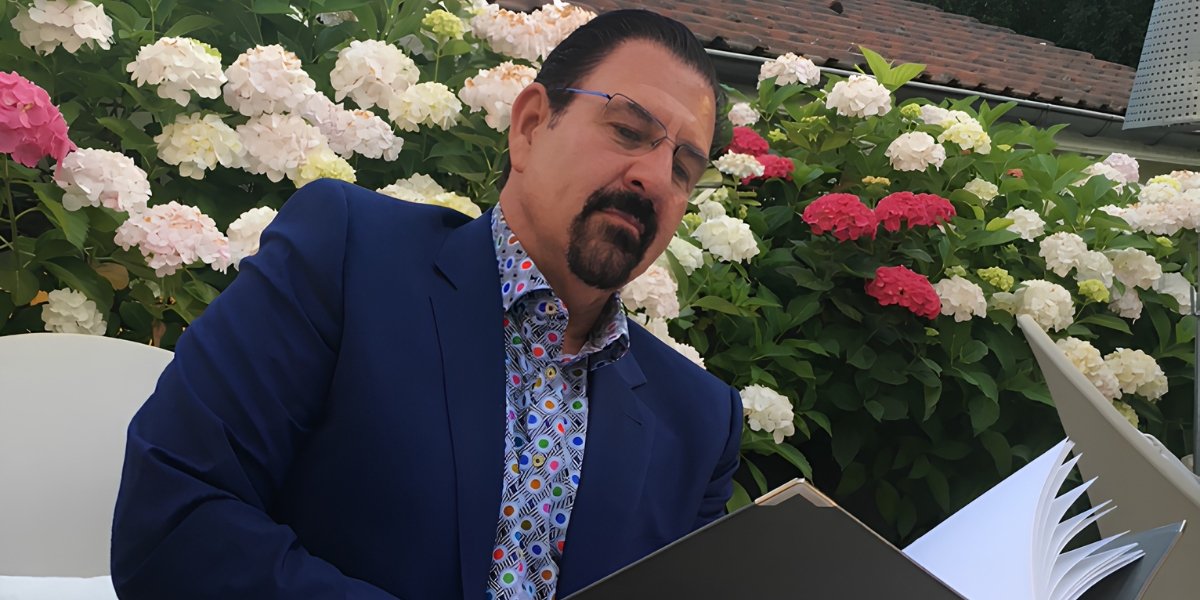
Seth David Radwell on Healing Political Polarization

Seth David Radwell was born in New York City on March 5, 1963. He spent a long stretch of his working life as a senior executive, driving growth for familiar brands like Proactiv and Scholastic. Over time, and especially through the first Trump presidency, his attention shifted away from business spreadsheets and marketing campaigns and toward the tangible problems dividing the country. Deeply bothered by the relentless and counterproductive belligerence in American politics, he made it his mission to investigate the origins of these conflicting arguments. Today, he focuses on writing and speaking about the roots of polarization, convinced that these historical clashes are not only still relevant, but are in fact the main forces shaping the bitter polarization we observe today.

Learning from the Nation’s Founding

Radwell’s unique perspective comes from digging into the very first political fights that defined the United States. In his book, American Schism, he analyzes foundational figures like Hamilton and Jefferson, who led competing camps with completely different operating models for the nascent republic. One side felt the country would do best with widespread representation. The other argued that decision-making should be concentrated in a small, educated group of leaders. Radwell ties these initial disagreements back to the big philosophical ideas of the European Enlightenment, showing exactly how social contract theory of that time influenced the founders’ thinking.

He argues that once these original disagreements come into focus, the reasons today’s political fights feel so intractable become clear. He views our current divisions not as some novel conflict, but as derivative of the original discords from the late 18th century.

Applying the Lessons Today

Radwell doesn’t treat history as material to be forgotten; he sees it as a practical guidebook. He directly links the problems of the 18th century to major current concerns, such as the wide gaps in economic equality, the ongoing morass of immigration policy, and the troubling loss of faith in public institutions. By recognizing these repeating patterns, he encourages citizens to approach today’s hot-button topics with a broader perspective. History, for him, provides the essential keys to understanding why these conflicts persist and suggests better ways to resolve them.

Public Engagement and Dialogue

Radwell does much more than just write. He speaks constantly to all sorts of groups, including students, executive groups, community organizations, and cultural institutions, both in the United States and overseas. His goal is to make historical insight accessible to everyone, maintaining that understanding where conflicts start is the most crucial first step toward making sensible public decisions. He routinely challenges audiences to genuinely listen to viewpoints that oppose their own, emphasizing that constructive dialogue and mutual respect are far more valuable than the boisterous approach so common today.

American Schism received notable recognition, winning the International Book Award for Best General Nonfiction in 2022. Beyond his book, Radwell contributes articles to respected outlets like the Chicago Tribune and The Fulcrum. His writing style has been praised for making complicated historical ideas clear and easy to absorb, all while remaining politically neutral.

Practical Steps Toward Reducing Division

Radwell doesn’t just point out the flaws; he offers concrete solutions to reduce political conflict. He champions stronger civic education. He advocates for structured dialogue programs that bring people from different backgrounds together for productive conversations. He has also suggested reforms to voting and governance systems that could help remove counterproductive incentives from narrow-minded battles. The range of his ideas does not align with today’s partisan lines; they are meant to help communities understand one another better and make smarter collective decisions.

Why Understanding History Matters

The fundamental idea behind all of Radwell’s work is that knowing the historical basis of political division is a necessary first step. Today’s sharp disagreements are the predictable consequences of foundational structures that have evolved over our history. Grasping how these original disputes developed enables citizens to handle existing debates more thoughtfully, avoid repeating old mistakes, and build a more measured and civil public discussion.

Looking Forward

Through his ongoing research, speaking, and writing, Radwell is focused on giving Americans a clearer view of the historical forces shaping their political, social, and economic environment. He firmly believes history must inform the present by providing critical context and perspective. His main goal is to help citizens engage with one another in an informed, civil, and constructive way, ultimately helping to bridge the deep divisions that have persisted for centuries.

Disclaimer: This article is for informational and educational purposes only. The opinions, analyses, and viewpoints expressed are those of the subject and do not represent the views, positions, or endorsements of the publication or its editorial staff. References to political figures, parties, policies, or events are included for historical and contextual purposes and should not be interpreted as endorsement of, or opposition to, any political party, candidate, ideology, or piece of legislation.

Second-Generation Italians Facing Racism and Police Brutality

By: Nadia Bedini

Second-generation Italians often sit between two worlds. They were born and raised in Italy. They speak the language perfectly and grew up in Italian neighborhoods. Yet many still get treated like outsiders in their own country. Strict citizenship rules and outdated ideas about what an Italian should look like leave many of them feeling unwelcome. Every day, racism and rough police stops have become part of life for too many.

Short films have become one of the few places where this reality shows up without any sugarcoating. The short format works well here. There is no time for long speeches or fancy production. Directors just show the everyday moments. You see the park hangouts, the sudden police checks, and the casual insults that build up over years. These films do not lecture.

Nadia Beddini’s La Mia Milano from 2022 captures exactly that feeling. The short follows a close group of second-generation Italians in Milan. They deal with racism and police brutality right in the streets where they grew up. Beddini pulls from her own memories of teenage life in the city. She keeps the story grounded and honest without turning it into a big statement piece.

Her earlier short Black Italians from 2017 takes a similar path. It lets second-generation voices talk straight about police stops, racism, and the daily struggles of growing up Black or mixed in Italy. Other shorts have followed the same honest road. For example, student films shown at the 2024 Venice Film Festival told the story of Willy Monteiro Duarte. That young man of Cape Verdean descent was killed in a racially charged attack. These pieces keep bringing the issue back into view even years later.

What makes these shorts powerful is how personal they feel. Most are made on small budgets with tiny crews. That keeps the focus on real faces and real neighborhoods instead of Hollywood drama. These films cannot fix the problem by themselves. They will not change laws or stop biased policing overnight. But they do make the issue harder to ignore.

For second-generation Italians, dealing with stuff like racism or police brutality isn’t some abstract debate. It’s just their life. We’re talking about kids in Milan parks or families in Rome neighborhoods. These are just young people across the country trying to exist within the only home they have ever known. They show a side of Italy you’d never find in a glossy travel guide.