Before Man School 202, Dante Nero Lived Enough Lives for Several Careers

By: Valeria Cortez
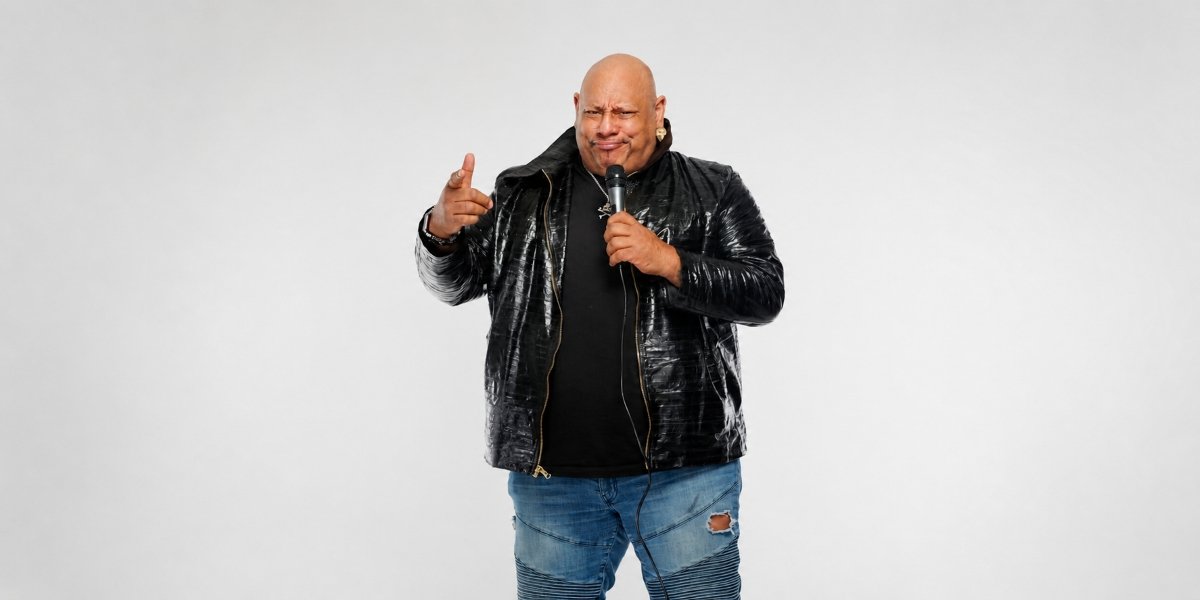
The comedian and relationship strategist has been a competitive fencer, foster-care worker, male dancer, fighter, actor, and radio personality. Somehow, every chapter became part of the same education.
Most people build a career by choosing a direction.
Dante Nero seems to have built his by refusing to stay in one.
Before audiences knew him from comedy, The Black Phillip Show or Man School 202, Nero had already accumulated a collection of experiences that sound almost impossible to fit into one biography.
He trained in martial arts. He became a competitive fencer. He studied biology and psychology. He worked with young people in foster care. He spent roughly a decade as a male exotic dancer. He says he fought bare-knuckle for money, produced massive male revue events, and eventually found his way into New York stand-up comedy.
Then came acting, radio, podcasting, and nearly two decades of public conversations about relationships.
For Nero, however, these were never separate lives.
They were all ways of learning about people.
Born and raised in Brooklyn with three older sisters, Nero remembers himself as a small kid who was afraid of almost everything. His father offered a very different example: a strong male presence who spent decades involved in community youth work.
Outside the home, young Dante gravitated toward Bruce Lee, Muhammad Ali, and Malcolm X, men he associated with discipline, conviction, and the courage to live by their own principles.
That search for confidence took him in unexpected directions.
Fencing became serious enough that Nero competed regularly, while academics led him to SUNY New Paltz, where he studied biology with a minor in psychology. At one point, he thought genetic engineering might be his future.
It wasn’t.
New York nightlife had other plans.
For roughly 10 years, Nero worked as a male exotic dancer. What could have remained an unusual footnote eventually became one of the most important experiences behind his views on dating and attraction.
Night after night, he watched women interact in an environment where attraction wasn’t theoretical.
He saw confidence rewarded, insecurity exposed, and the occasional gulf between what people claimed to want and what actually drew their attention.
Years later, those observations would become material for a completely different stage.
Then Came Comedy
Stand-up gave Nero a place where all of those experiences suddenly made sense together.
Comedy rewarded observation. It rewarded honesty. And perhaps most importantly, it allowed him to discuss uncomfortable parts of human behavior without pretending people were always logical.
Nero would spend more than two decades working in comedy while also building an acting career.
Along the way came one of the most important relationships of his life: his friendship with Patrice O’Neal.
Nero describes O’Neal simply as his best friend.
Their friendship eventually became part of The Black Phillip Show, the Sirius XM program that developed a devoted following for candid conversations about men, women, sex, attraction and relationships.
Those conversations happened years before dating podcasts and masculinity commentary became staples of social media.
After O’Neal’s death in 2011, Nero eventually carried the conversation forward through The Beige Phillip Show and later Man School 202.
But something changed as Dante got older.
The conversation became less about simply understanding women and increasingly about understanding yourself.
The Man Behind Man School
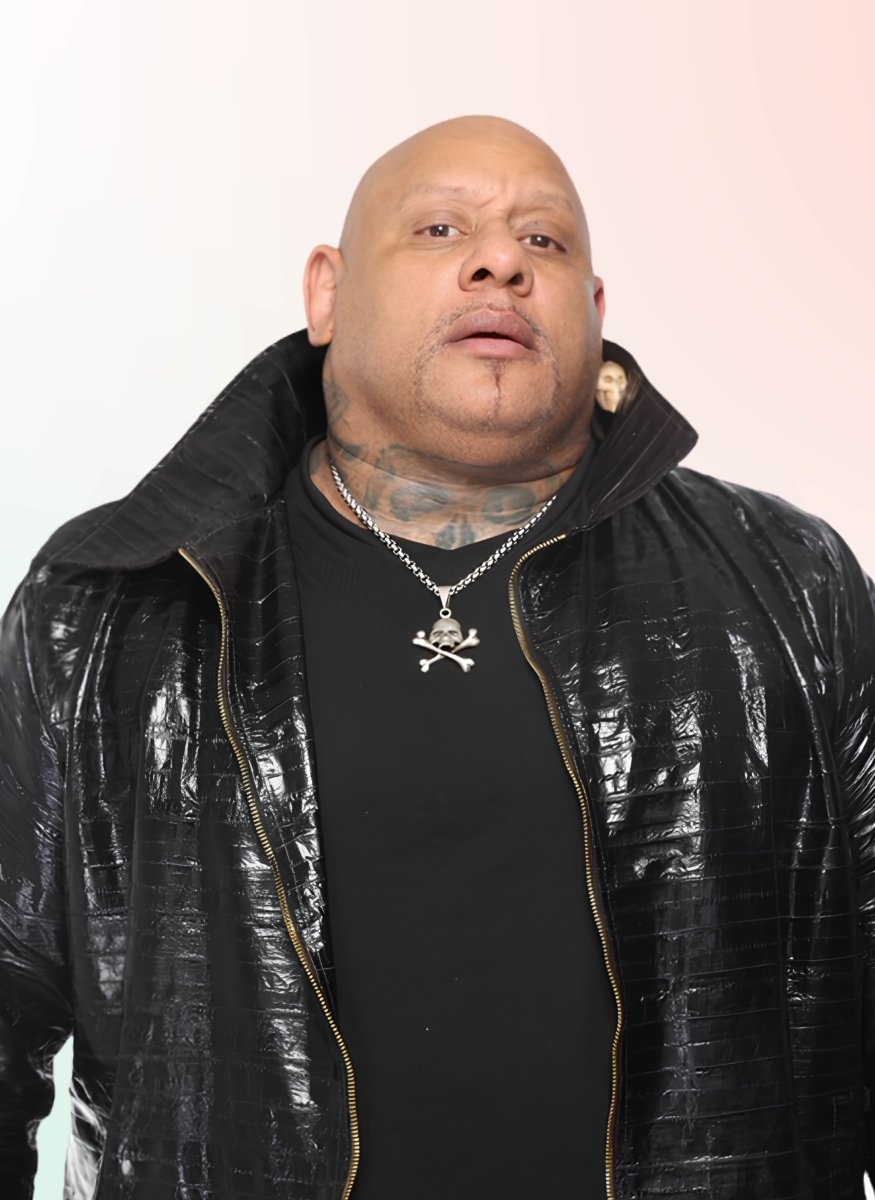
Today, Nero’s philosophy centers on an idea he calls ACE:
Authenticity. Credibility. Empathy.
He believes those qualities matter more than the external markers men are often encouraged to chase.
“Character is the most important thing about your value,” Nero says.
That idea feels particularly interesting coming from someone who has spent so much of his life in worlds built around performance.
The nightclub performer.
The fighter.
The actor.
The comedian.
The radio personality.
Dante understands performance.
But his message now is that eventually a man has to know who he is when nobody is watching.
That is the larger ambition behind Man School 202.
Nero wants younger men to have a framework for handling relationships, confidence, responsibility, and adulthood without having to learn every lesson through failure.
His life gives him plenty of failures, victories, and bizarre stories to pull from.
He has even described producing male revue events that attracted thousands of people. He says he earned a bronze medal in a junior Olympic fencing competition. And despite a personality that some people initially find intimidating, Nero describes himself as far more approachable than his appearance sometimes suggests.
Perhaps that contradiction is the best way to understand him.
Dante Nero has spent much of his life moving through environments that demanded toughness.
Yet the philosophy he arrived at includes empathy.
He has made a career out of making people laugh, yet much of his current work is about subjects he takes seriously.
And after decades in entertainment, the legacy he talks about has surprisingly little to do with being famous.
Asked what he hopes all of these different chapters ultimately add up to, Nero gives a much simpler answer:
“That I made people better.”
For a man who has lived enough lives for several biographies, that may be the one story connecting all of them.
Connect With Dante Nero
Website: DanteNero.com
Instagram: @TheDanteNero
YouTube: Man School 202 YouTube channel
Patreon: Man School 202 on Patreon