
By: Alva Ree
A public career is usually introduced through its most recognizable images: a runway appearance, an evening gown, a photograph from an international event. Those images offer a starting point, but they rarely explain the choices behind them. For Nicole Cornetti, whose published profiles describe work across fashion, education, event production, and philanthropy, the more interesting story emerges when the spotlight becomes a starting point for questions. What makes recognition useful? How can creative ambition coexist with service? And what happens when a professional refuses to let one title define the whole of her career? The questions below draw on her documented experience.
What First Stands Out About Nicole Cornetti’s Path?
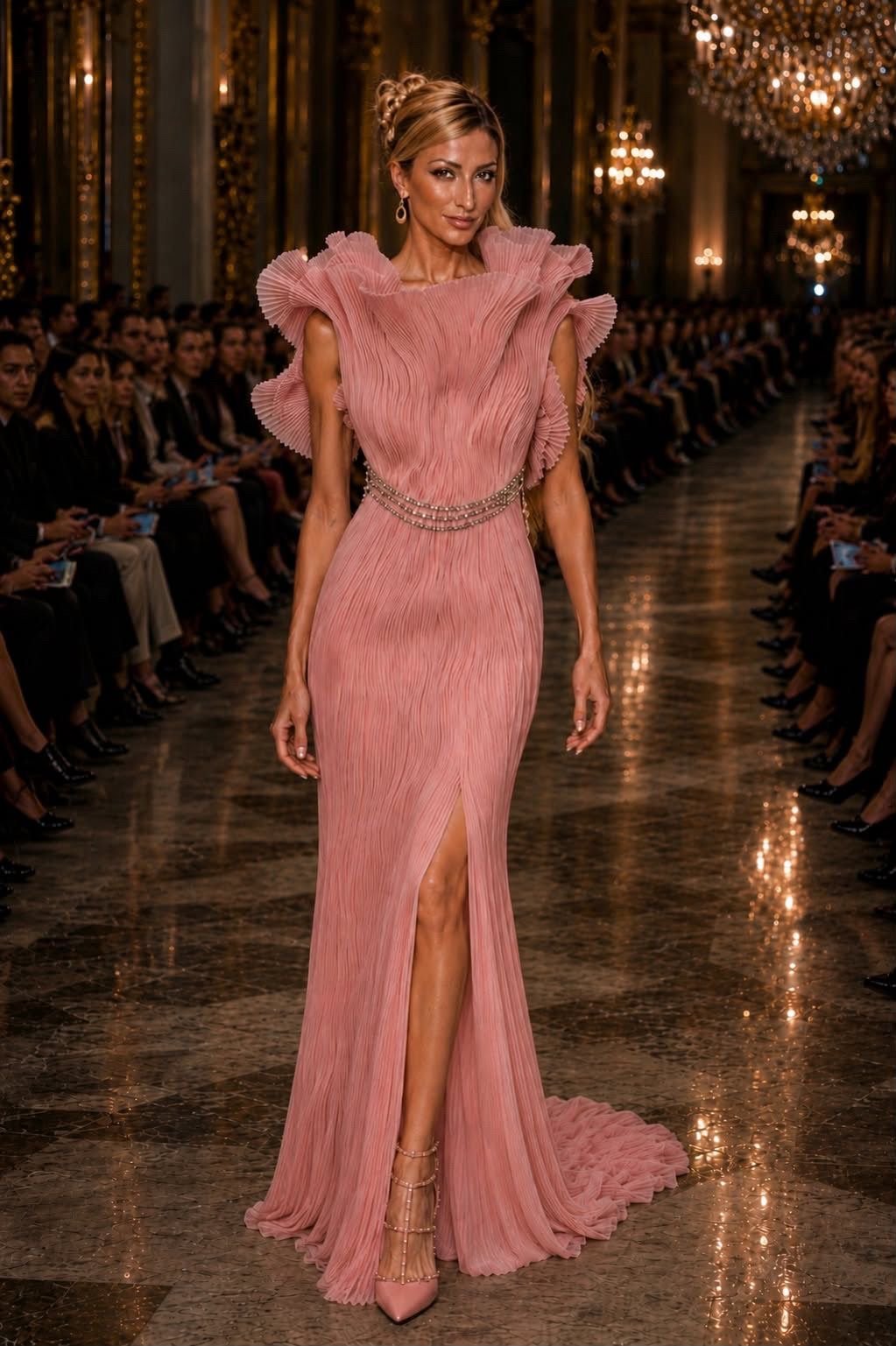
The relationship between education and creative ambition offers a compelling opening. According to a May 2026 profile, Cornetti began modeling at eighteen in Europe while continuing her university studies, eventually earning a graduate degree. Rather than presenting education as a chapter completed before professional life began, that account places the two alongside each other. It gives her story a dimension that can be overlooked in image-focused industries, since the development of an individual extends beyond what an audience can immediately see. For readers considering their own direction, the relevant idea is possibility. Creative work and intellectual development can belong within the same life.
How Much Can A Title Tell Us About Someone?
Cornetti is identified in her June 2026 profile as Ms. NY Universe 2025–2026. The title supplies a recognizable introduction, but understanding the person requires looking further.The same profile describes her participation in competitions and subsequent invitations to judge pageants and modeling events. That movement introduces a different responsibility: becoming someone who helps assess other participants. It is a useful distinction between being recognized and exercising judgment. A title can mark an achievement at a particular moment; the work that surrounds it gives a fuller picture of how someone continues developing professionally.
What Changes When Someone Steps Behind The Scenes?
A profile on Nicole Cornetti records her progression from Dimitri Manuel’s modeling academy into work as an instructor, coordinator, and fashion event producer. Moving behind the scenes changes what a person must notice. The individual appearance becomes one element within a larger collaboration, involving people whose contributions may never receive the same public attention. Seen through that lens, production offers a different kind of creative satisfaction that comes from helping separate contributions become a coherent experience. It also makes the less visible aspects of professionalism more important. Preparation, clear expectations, and consideration for colleagues are part of what allows creative ideas to reach an audience.
Why Does An International Setting Matter?
Published coverage places Cornetti at fashion activities in Miami and around the Cannes Film Festival. These settings bring together people with different professional languages, expectations, and cultural references. Their value extends beyond the photograph taken there. International encounters can challenge familiar assumptions and expose participants to unfamiliar approaches to presentation and collaboration. For a creative professional, that is an opportunity to observe as well as participate. The most interesting question becomes what someone takes away from the experience, whether that is a wider understanding of an audience, a different perspective on an idea, or a relationship that develops through continued professional exchange.
Where Does Giving Back Enter The Picture?
New York Wire describes Cornetti’s support for nonprofit initiatives, youth mentorship, mental health awareness, and cancer-related causes. These areas introduce responsibilities that deserve attention independently of fashion. Public recognition may help draw interest toward an issue, but meaningful participation also requires respect for the people and organizations already doing the work. Mentorship presents another opportunity for contribution. Someone entering an unfamiliar industry may benefit from practical context as much as encouragement. Explaining expectations, sharing experience, and helping another person ask better questions can make professional knowledge valuable beyond the career of the individual who acquired it.
What Does Working In Media Add?
Cornetti’s published profile also includes podcast hosting, talk show hosting, and public speaking. These formats create room for a more sustained relationship with an audience. An appearance can communicate presence immediately; a conversation develops through attention, timing, and the willingness to explore a subject. That makes media an interesting extension of a public career. It allows professional experience to become material for discussion rather than remaining a collection of images. For audiences, the value lies in what they can understand, consider, or apply afterward. The opportunity is to leave someone with more than an impression.
What Makes This A Story Worth Following?
Cornetti’s career brings together activities that ask different things of a person: composure in front of an audience, responsibility within a production, patience when teaching, and attention when listening. The connection between them provides the substance of this portrait. Her example invites a broader conversation about ambition, one that makes room for achievement, continued learning, and contribution. For women imagining their next professional chapter, that openness can be encouraging. A career need not remain limited to its first recognizable role. It can develop as experience grows, interests deepen, and new responsibilities become possible.