
In the fast-paced world of fashion, where trends come and go in the blink of an eye, the importance of seasonal collections cannot be overstated. For designers, these collections are not just an opportunity to showcase their creativity; they’re an essential part of the cycle that drives consumer interest and ensures brand relevancy. Whether it’s spring, summer, fall, or winter, each season brings its own set of challenges and opportunities, making it crucial for designers to understand how to embrace these cycles to stay ahead of the curve.
The Importance of Seasonal Collections in Fashion
Fashion is more than just clothing—it’s a reflection of cultural shifts, technological advancements, and changing consumer desires. Seasonal collections allow designers to connect with these ever-evolving demands, offering fresh perspectives that resonate with buyers and media alike. By releasing collections in sync with the seasons, designers stay relevant, ensuring their work reflects both the latest trends and the practical needs of consumers.
Seasonal collections are particularly important because they provide a clear structure for designers to operate within. These collections are typically launched months before the season they’re meant for, giving buyers, media, and consumers enough time to prepare. This timeline allows retailers to stock up and promote new pieces, and it creates a buzz in the fashion world, particularly during key events like New York Fashion Week, Paris Fashion Week, and Milan Fashion Week.
Why Designers Should Align with Seasonal Trends
While fashion is always evolving, seasonal collections allow designers to ride the wave of current trends. From color palettes to fabric choices, these trends often reflect global cultural moods. For example, the rise of sustainability has become a driving force in recent seasonal collections, with designers opting for eco-friendly materials and ethical manufacturing processes. In response, fashion houses like Stella McCartney and Gucci have embraced these trends, seamlessly integrating sustainability into their collections.
Designers who release seasonal collections also benefit from a ready-made platform for their creativity. Every season introduces a unique theme—spring is often about fresh, vibrant colors, while winter brings deeper, richer tones. By embracing these seasonal cues, designers can offer something fresh, keeping their collections in sync with what consumers are already seeking. A spring collection might feature light, breathable fabrics in pastel hues, while a fall collection could include layered looks with heavier fabrics like wool and tweed, offering both style and practicality.
Aligning with Consumer Expectations
Fashion is a business, and for designers, staying in tune with consumer expectations is essential for success. Seasonal collections allow designers to forecast what their customers will want and deliver products accordingly. As seasons change, so do the needs of consumers. Warm-weather collections are often associated with lighter fabrics, bright colors, and versatile pieces for both daytime and evening wear. In contrast, cooler months see a demand for layers, jackets, and textiles that provide warmth and comfort.
By creating seasonal collections, designers ensure they are meeting these needs head-on. The anticipation that comes with each season creates a sense of urgency among consumers, driving sales during peak shopping times like the holiday season or the back-to-school rush. This approach allows designers to tap into the cyclical nature of consumer behavior, driving revenue and brand loyalty by offering exactly what their audience desires, when they desire it.
The Runway Shows and Their Impact on Seasonal Trends

Photo Credit: Unsplash.com
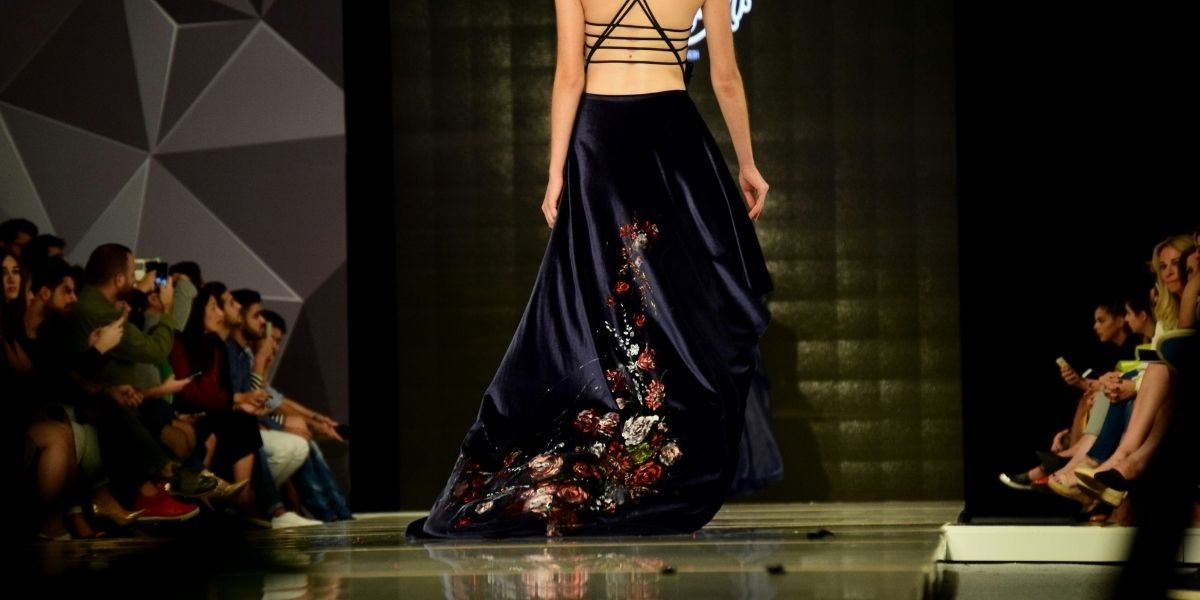
The runway serves as a launching pad for seasonal collections, where designers present their most innovative creations. These shows not only offer a glimpse into the future of fashion but also dictate the trends that will dominate retail stores in the coming months. Runway shows during fashion weeks across the globe have a significant impact on how consumers perceive and buy clothing. This is why aligning collections with the seasons is not just about practicality—it’s about staying in sync with the global fashion ecosystem.
During fashion weeks, top designers like Marc Jacobs, Versace, and Louis Vuitton introduce their seasonal collections, showcasing what’s next in fashion. These high-profile events are seen by millions around the world and set the stage for fashion trends. The inspiration behind each collection may stem from everything from art and culture to technology and nature, influencing the seasonal trends that designers and brands will adopt for their upcoming lines.
For instance, the fall collections often focus on rich textures, layering, and dark tones that align with the colder weather, while spring collections highlight freshness and the use of lighter fabrics. These collections then filter down to the high-street and fast-fashion brands, ensuring that the fashion ecosystem remains fluid and responsive to both runway innovations and consumer desires.
Sustainability and Seasonal Collections
As environmental concerns continue to rise, sustainability has become a key factor in the way designers approach seasonal collections. Consumers are more conscious than ever about the environmental impact of their purchases, and they expect brands to respond with eco-friendly practices. Seasonal collections are no exception, as designers have the opportunity to incorporate sustainable practices and materials into their offerings.
Fashion houses like Patagonia and Prada have embraced this shift, offering collections made from recycled materials, organic fabrics, and dyes that minimize waste. This not only aligns with the seasonal theme but also appeals to eco-conscious consumers. By embracing sustainability, designers not only stay relevant but also create a sense of brand integrity that resonates with the growing market of eco-friendly shoppers.
Maximizing the Impact of Seasonal Collections
For designers, the key to maximizing the impact of seasonal collections is finding the balance between creativity and consumer demand. A successful seasonal collection doesn’t just meet the needs of the market—it elevates the brand by offering fresh perspectives and innovative designs. It’s not just about following the trends, but about setting them. Designers who can anticipate what’s coming next, while staying true to their vision, are the ones who create lasting impressions in the fashion world.
By keeping an eye on global cultural shifts, embracing sustainability, and understanding the market’s seasonal needs, designers can ensure their collections are both timely and relevant. The runway is the perfect platform for showcasing seasonal ideas, and for designers, embracing seasonal collections is a surefire way to stay at the forefront of the fashion industry.