
Before she was a pharmacist or a TV host, she was a daughter watching someone she loved lose her voice in a system that moved too fast.
Long before the degrees and the television cameras, there was a waiting room and a girl watching her mother try to be heard. Dr. Melissa Balizan was not yet a pharmacist, not yet an expert, not yet anything but a daughter standing beside someone she loved. What she saw in those rooms would end up shaping every decision she made afterward.
Her mother was navigating her own health inside a system that often felt overwhelming and impersonal. She trusted the process, the way most people do, but trusting it did not mean she felt understood. There were appointments where questions went unanswered. Moments of uncertainty about medications. Decisions that arrived rushed instead of explained. And in the middle of it, a daughter quietly absorbing a lesson no classroom would ever teach her. It is alarmingly easy for anyone to lose their voice in their own healthcare.
“She wasn’t a textbook or a lecture,” Dr. Balizan says of her mother. “She was real life.” That distinction sits at the heart of her work. The patients she would later serve were never abstractions to her. Each one was somebody’s mother, somebody’s family, somebody who deserved better answers than the ones the system reflexively handed out. She does not just see patients, she says. She sees the people standing beside them.
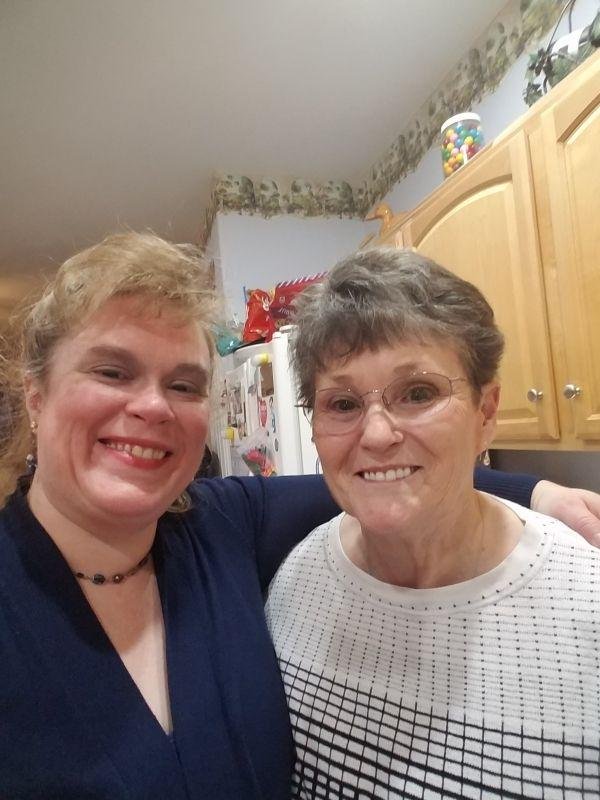
The experience did not leave her frustrated so much as pointed. It pushed her toward pharmacy and a deeper understanding of how medications and the body interact, and eventually toward something larger than any prescription could deliver. Advocacy. Education. Empowerment. Her mother had taught her, without meaning to, that people need to feel seen and not only treated, that understanding their health matters as much as managing it, and that compassion can be as powerful as any medication.
Dr. Balizan earned her Doctor of Pharmacy from Drake University College of Pharmacy and Health Sciences and built a career that now spans 26 years and more than 52,000 clinical hours. Yet the most important credential, in her telling, is the one she earned in those waiting rooms. It gave her a lens she has never set down. Behind every clinical decision is a human being who is frightened, or confused, or simply tired of not being listened to.
As her career progressed, she kept encountering the same pattern that had defined her mother’s experience. Patients managing long lists of medications and still not feeling well. People leaving appointments more lost than when they arrived. Quiet struggle, with no one to translate the complexity into something a person could actually use. She had a choice. Stay inside the traditional pharmacist’s role, or step beyond it. She stepped beyond.
She began studying nutrition, stress management, mental health, and integrative practices, building a way of working that treated the whole person rather than an isolated symptom. She refused the either-or framing that pits conventional medicine against holistic approaches, choosing instead to live in the both-and. She became a bridge between two worlds that too often ignore each other, helping people understand when medication is necessary, when a lifestyle change can make the difference, and how the two might work together.
The clearest expression of that mission is self-advocacy, which she has made the center of everything she does. She teaches people what questions to ask, how to understand their options, and how to participate in their care rather than simply follow it. She is careful about the distinction. She does not hand people her opinion. She hands them their choices, then walks alongside them as they decide what is right for themselves and their families. The goal is a patient who feels confident, not dependent.
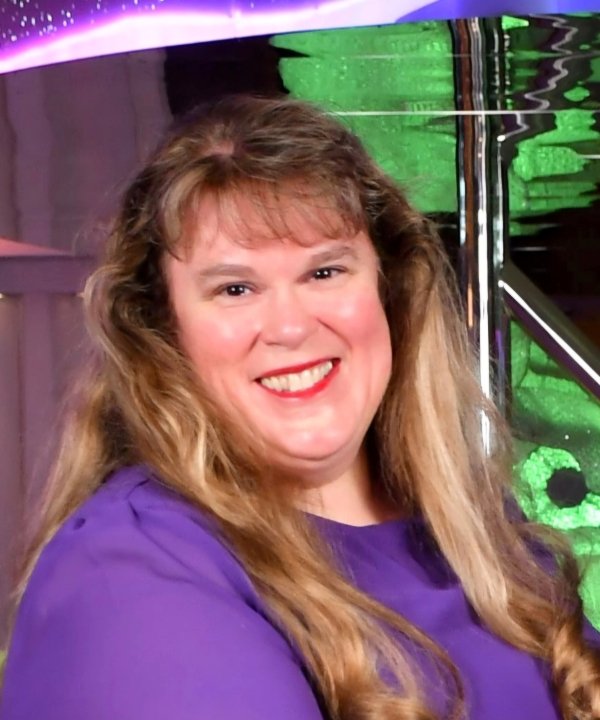
That mission has carried her well beyond the consulting room. She is an author, an international speaker, and the host and executive producer of the television show Vital with Dr. Melissa, where she brings these conversations to people who may never sit across from her in person. Every talk she gives and every episode she produces traces back to the same origin. A daughter who decided that no one should feel as unheard as she once watched her mother feel.
Her recognition has grown over the years, from a Congressional award from California’s 46th Congressional District to appearances on television and online media and inclusion in a book honoring women entrepreneurs. But ask her about the mission and the conversation returns, almost immediately, to people. To the woman who finally asks the question she was too intimidated to raise. To the patient who walks out of an appointment understanding what is happening in her own body for the first time.
At the core of it all is a promise that sounds simple and turns out to be radical. No one should feel lost, unheard, or alone in their health journey. Dr. Balizan has seen what that loneliness feels like, up close, in the eyes of the first patient she ever loved. She has spent her career making sure fewer people have to feel it. Her mother showed her the problem. She decided to spend her life on the answer.
Dr. Melissa Balizan’s books, speaking, and television work are available at drmelissabalizan.com, with more of her story shared on Instagram.