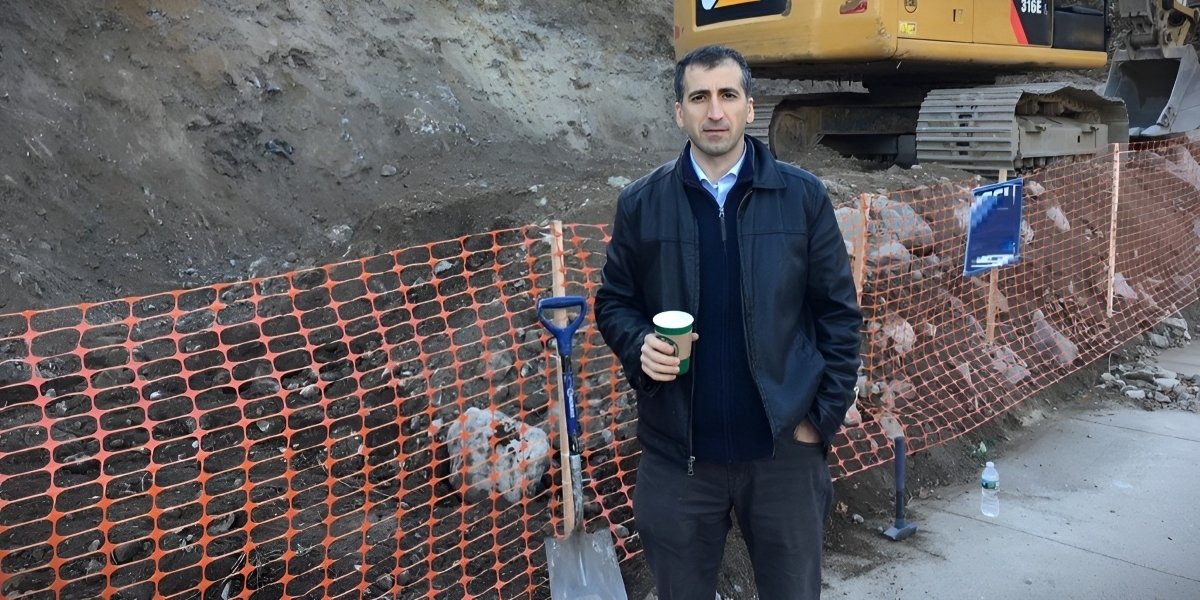


The real estate industry constantly evolves, influenced by economic cycles, market demand, and investment strategies, adapting to shifting conditions. One of the more resilient and lucrative segments within real estate investment is the acquisition and redevelopment of distressed properties, which has profitable while also contributing to community revitalization. In Massachusetts, this approach has significantly reshaped the housing market, particularly in the aftermath of financial downturns. Investors specializing in foreclosures and distressed properties have introduced innovative strategies to transform undervalued real estate into viable assets.
Among those leveraging this investment model is Baris Berk, whose business approach has centered around acquiring and redeveloping distressed properties throughout Massachusetts. Through targeted investments, Berk has built a diverse portfolio that focuses on restoring homes and stabilizing communities. His strategy aligns with broader market trends, prioritizing urban renewal and economic sustainability.
The Economics Behind Distressed Property Investments
Investing in distressed properties requires multifaceted, detailed knowledge of real estate cycles, financing structures, and renovation costs. Due to financial instability and economic downturns, homeowners default on their debt obligations, leading to more foreclosures. These homes can often be purchased at a price below market value and resold for a profit after renovations. Massachusetts is an interesting case, having experienced ebbs and flows in housing demand. As such, property values have reacted accordingly to the sands of time, as shifts in the economy and housing policy cycles have affected them. According to the Massachusetts Division of Banks, foreclosure petitions increased in 2023, underscoring the financial challenges homeowners face. While those numbers may highlight market distress, this angle offers an opportunity for a real estate investor with a specialized focus on property rehabilitation. Finding undervalued properties and restoring them to market conditions has remained a cornerstone of Berk’s approach to real estate investment.
Berk’s Strategy in the Foreclosure Market
Berk’s strategy aims to maximize efficiency in purchasing underperforming properties. With swift cash offers, he conducts his business like a bank, financing significant investments by removing the burden of intermediaries and protracted negotiations.
Besides foreclosures, his investment plan is structured to comply with city redevelopment plans, given that many cities in Massachusetts have undertaken efforts to revitalize their communities to counter the negative impact of abandoned properties. By redesigning, Berk has sparked a kind of community restoration. With strong market insight and value creation in mind, he has been able to ride the ups and downs of the real estate sector.
Addressing Homeowner Financial Distress
While buying foreclosures works well for investors, the option also serves the interests of homeowners in financial distress. Yet the foreclosure process, relentless and marked by tremendous losses along the way, can confront many homeowners. Berk’s model is thus an alternative that accelerates transactions with distressed homeowners rather than drawn-out foreclosure procedures. According to the National Association of Realtors, investor activity accounts for a notable share of U.S. real estate transactions, plays a significant role in private investment, and contributes to the stabilization of housing markets. Berk’s commitment to the market underscores how private capital can transform the future of distressed property management.
Long-Term Impact on Massachusetts Real Estate
Distressed property investments have long-term effects beyond simple financial returns. Investors such as Berk restore foreclosed homes and reintegrate them into the housing market, providing a stabilizing factor for many neighborhoods. Increased values in renovated properties also assist neighboring homeowners and spur further investment into local communities. From reducing vacancies to abating urban decay throughout Massachusetts, investment and policy efforts have received significant priority. The Massachusetts Housing Partnership found that redevelopment projects played a consequential role in the broader struggle to maintain an affordable yet viable housing stock. Berk’s investment philosophy, in this context, can be seen as an alignment with the broader initiatives.
The Future of Distressed Property Investments
The real estate market remains active and dynamic, with economic changes directly shaping investment direction. Interest rates, inflation, and housing demand all interact to shape the logic behind acquiring a distressed property. Equally, proof of Berk’s adaptability to these constantly shifting circumstances will likely determine whether he can maintain his investment model.
While the housing market in Massachusetts shifts and changes, it will always considerably influence property trends by attracting new investments. This would include direct acquisitions of distressed properties, arrangements with financial institutions, or partnerships with urban planning initiatives. Investments in distressed properties will remain a key theme in real estate development. With such experience behind him, Baris Berk can be expected to navigate the challenges alongside the other contributors to the dynamic real estate market.
Disclaimer: This content is for informational purposes only and is not intended as financial advice, nor does it replace professional financial advice, investment advice, or any other type of advice. You should seek the advice of a qualified financial advisor or other professional before making any financial decisions.