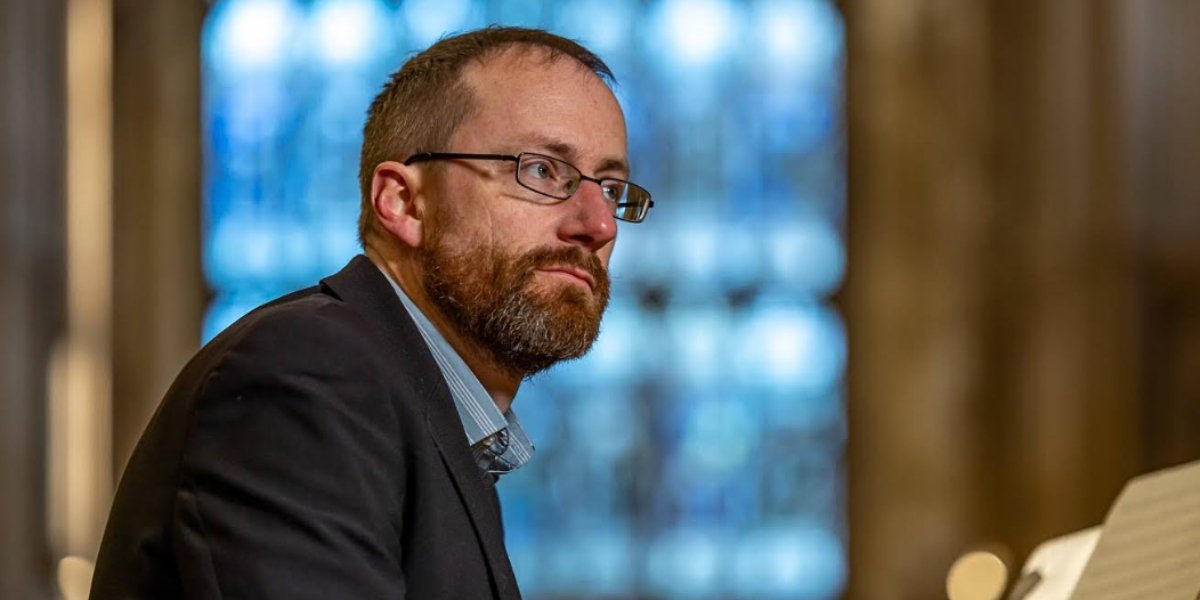

The Enduring Influence of Classical Music on Contemporary Creativity
Music, in its purest form, is a universal language—one that transcends time, geography, and culture. Among its many expressions, classical music stands as a towering pillar of artistic achievement, offering a rich archive of emotional depth, technical mastery, and philosophical nuance. Though composed centuries ago, these works continue to ripple through the modern musical landscape, influencing artists across genres in ways that are both subtle and profound. From the concert hall to the digital studio, the legacy of classical music remains a vital source of inspiration, fueling innovation and reshaping the boundaries of sound.
The resurgence of interest in classical music among contemporary creators is more than a nostalgic nod—it’s a reawakening. Musicians today are not merely revisiting old scores; they are reinterpreting them through modern lenses, uncovering new layers of meaning and relevance. These timeless compositions, with their intricate structures and emotive power, offer a blueprint for storytelling that resonates across generations. Whether through live performances, digital remixes, or cinematic soundtracks, artists are breathing new life into classical works, proving that their appeal is not confined to history but continues to evolve with each new interpretation.
Bridging Eras Through Musical Fusion
One of the most compelling ways classical music influences modern artistry is through stylistic fusion. Contemporary musicians often weave classical elements—such as orchestral textures, counterpoint, and harmonic progressions—into genres like rock, electronic, jazz, and hip-hop. This blending of old and new creates a sonic tapestry that is both familiar and fresh, allowing artists to explore emotional depth while experimenting with form and rhythm. The result is a genre-defying landscape where string quartets meet synthesizers, and ancient motifs are reimagined through digital production. This fusion not only honors the past but also expands the vocabulary of modern music.
Beyond structural influence, classical music serves as fertile ground for sampling and reinterpretation. Artists frequently extract fragments—melodies, chord progressions, rhythmic patterns—from classical compositions and embed them into contemporary tracks. These samples act as bridges between eras, offering listeners a sense of continuity while introducing classical themes to new audiences. Reimagining a centuries-old motif with modern instrumentation or layering a classical excerpt beneath a contemporary beat can transform a familiar piece into something entirely new. This process of reinvention allows artists to pay homage while asserting their own creative voice, resulting in works that are both rooted and revolutionary.
Collaboration Across Musical Cultures
The influence of classical music also manifests in collaborative efforts that span genres and traditions. Increasingly, classical musicians are joining forces with artists from diverse musical backgrounds to create hybrid works that defy categorization. These collaborations foster mutual respect and creative exchange, allowing each participant to bring their unique perspective to the table. Whether through live performances, studio recordings, or multimedia projects, such partnerships challenge conventional boundaries and invite audiences into a more inclusive and exploratory musical experience. The convergence of classical discipline and contemporary spontaneity often yields compositions that are as intellectually engaging as they are emotionally resonant.

Photo Credit: Unsplash.com
At its core, classical music continues to inspire because it invites introspection, experimentation, and emotional honesty. Its complexity challenges artists to think differently, to stretch their technical abilities, and to explore new dimensions of sound. For many, classical music serves as a creative compass—guiding them through unfamiliar terrain and encouraging bold artistic choices. Whether it’s the use of unconventional instrumentation, the layering of intricate harmonies, or the pursuit of thematic depth, classical influence pushes musicians to elevate their craft and connect more deeply with their audience.
Preserving and Evolving the Legacy
The legacy of classical music is not a relic of the past—it’s a living, breathing force that continues to evolve through the hands and minds of contemporary artists. Rather than treating classical compositions as untouchable monuments, today’s musicians engage with them as sources of inspiration, reinterpretation, and creative dialogue. By weaving classical motifs, structures, and instrumentation into modern genres, artists bridge centuries of musical tradition, proving that these works still resonate with the emotional and artistic needs of the present. This dynamic exchange keeps classical music relevant, allowing it to speak to new audiences in fresh and unexpected ways.
Incorporating classical elements into contemporary music is more than homage—it’s a form of innovation. Artists reimagine symphonic textures in electronic landscapes, adapt baroque harmonies into jazz improvisations, and sample orchestral passages in hip-hop beats. These creative choices not only expand the sonic possibilities of modern music but also invite listeners to experience classical themes through new cultural lenses. The emotional depth, technical complexity, and philosophical richness of classical music offer fertile ground for experimentation, encouraging artists to push boundaries and challenge conventions. In this way, tradition becomes a catalyst for progress, not a constraint.
As long as artists continue to engage with classical music—whether through reinterpretation, collaboration, or inspiration—its legacy will remain vibrant and influential. It will continue to shape the future of sound, storytelling, and artistic expression, offering timeless insights into the human experience. Classical music’s enduring relevance lies in its adaptability and its capacity to evoke emotion across generations. By drawing from its wellspring, contemporary creators ensure that classical music is not only preserved but elevated, transformed into something that reflects both its historical roots and its limitless potential for reinvention.