

By: Maria Williams
Female athletes have made remarkable strides in high-impact sports like running, gymnastics, and CrossFit, showcasing incredible strength and endurance, but an under-discussed issue that many of these athletes face is urinary incontinence. According to a study conducted by physicians at Boston Children’s Hospital Female Athlete Program and the Department of Urology, female athletes involved in high-impact sports are 4.5 times more likely to experience bladder leakage.
Despite its prevalence, the topic remains shrouded in stigma and embarrassment, and even more so for young athletes. Gloria Kolb, founder and CEO of Elitone, a wearable, easy, and external treatment for women with incontinence, emphasizes the importance of addressing this issue.
“Incontinence is not just a physical problem but a mental and emotional barrier to female athletes reaching their full potential,” Kolb says. “It’s time we start the conversation and provide solutions that empower women.”
Understanding the pelvic floor
The pelvic floor is a group of muscles and connective tissues that span the bottom of the pelvis and help support the bladder, intestines, and uterus. These muscles play a crucial role in maintaining continence, supporting pelvic organs, and contributing to core stability. For athletes, especially those engaged in high-impact sports, a strong pelvic floor is essential for optimal performance and injury prevention.
However, the importance of pelvic floor strength extends well beyond preventing incontinence to enhance overall stability and control, particularly during intense physical activities. “A strong pelvic floor is often overlooked but is necessary for any impact sports,” Kolb remarks. “It not only supports the pelvic organs but also contributes significantly to core strength and balance.”
Neglecting pelvic floor health can lead to a range of issues, including urinary leaks, pelvic organ prolapse, and chronic pelvic pain. For female athletes, maintaining pelvic floor strength is critical to performing at their best and avoiding potential long-term health problems.
Why high-impact sports cause extra pressure on the pelvic floor
High-impact sports like running and gymnastics create significant physical demands that can place intense pressure on the pelvic floor muscles. During high-impact sports, you not only have the weight of everything above your pelvis, but you also have the stopping acceleration impact that is multiplied to create the force your pelvic floor needs to support. The repetitive impact and nature of this force with each step is taxing to the pelvic floor, as this constant pounding can strain its muscles and weaken them over time.
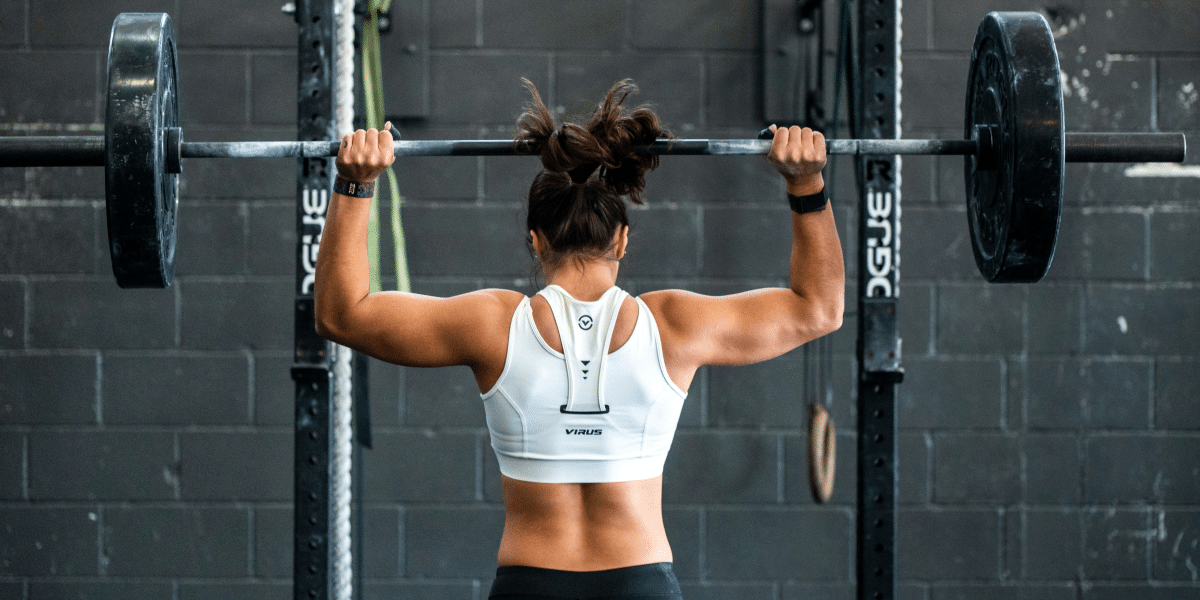
CrossFit, on the other hand, involves lifting heavy loads, which increases intra-abdominal pressure. When an athlete lifts heavier weights during exercises like squats or deadlifts, the pressure inside the abdomen rises sharply, forcing the pelvic floor to work harder to maintain support for the pelvic organs. Over time, this added stress can result in muscle fatigue and decreased pelvic floor function. Even worse are the exercises that combine high weight with speed, such as kettlebell exercises and jumping during CrossFit, where you don’t always have the time to brace your pelvic floor.
The combination of these high-impact and heavy-load activities can exacerbate existing weaknesses in the pelvic floor, making female athletes more susceptible to issues like bladder leakage. The repetitive nature of these sports means that the pelvic floor is under near-constant strain, highlighting the need for targeted pelvic floor training and awareness among female athletes to prevent and manage these problems effectively.
The crucial role of pelvic floor strength during physical exertion
During physical exertion in high-impact sports, pelvic floor strength plays a vital role in providing the stability, support, and control necessary to help maintain continence by preventing urinary leakage and supporting the pelvic organs, minimizing the risk of prolapse. Additionally, pelvic floor muscles contribute to overall core stability, which is essential for optimal performance in athletics.
“The pelvic floor is like the unsung hero of athletic performance. Its role in providing stability and control cannot be overstated,” Kolb emphasizes. “Athletes who neglect pelvic floor health are not only at risk of bladder leakage but also compromise their overall performance potential.”
Weak pelvic floor muscles can lead to decreased stability, coordination, and power output, hindering athletic performance and increasing the risk of injury. Integrating pelvic floor exercises into training regimens is essential for female athletes to enhance their strength, endurance, and overall athletic prowess.
Breaking the silence
Female athletes often face a dual challenge when it comes to addressing urinary leaks: the stigma surrounding the condition and the reluctance to discuss it openly. Despite its prevalence, many athletes feel embarrassed or ashamed, fearing judgment from teammates, coaches, and even themselves. This silence perpetuates misconceptions and prevents access to much-needed support and solutions.
“Addressing incontinence among female athletes requires a broader shift,” Kolb shares. “Coaches and trainers can lead the way by creating spaces where athletes feel safe and supported in discussing body issues and muscles outside of their sport, and have access to specialized physical therapists and clinicians.”
The importance of pelvic floor training for female athletes
Pelvic floor training is often necessary for female athletes seeking to optimize their performance and overall health. Exercises designed to strengthen the pelvic floor muscles are essential for maintaining continence, supporting pelvic organs, and enhancing core stability. Even understanding what a pelvic floor does can help athletes brace their core and pelvic muscles before certain maneuvers in their sport.
For female athletes engaged in high-impact sports like basketball and volleyball, pelvic floor training is particularly crucial due to the added strain these activities place on these muscles. By incorporating targeted exercises into their training routines, athletes can improve pelvic floor strength, reducing the risk of bladder leakage and pelvic floor dysfunction.
Moreover, pelvic floor training offers numerous benefits beyond continence, as strong pelvic floor muscles contribute to better posture, balance, and overall athletic performance. By prioritizing pelvic floor health, female athletes can enhance their strength, endurance, and confidence on and off the field.
Published by: Martin De Juan