Unlock Your Health: Why Hydration is Key to Your Wellness Routine

When it comes to wellness, many of us focus on diet, exercise, and sleep, but there’s one often-overlooked factor that can make a significant difference in your health—hydration. Staying hydrated is essential for more than just quenching your thirst. It affects your energy, your skin, and your ability to perform at your best physically and mentally. But why is hydration so important to your wellness routine, and how can you make it a habit that sticks?

The Vital Role of Hydration in Your Health

Your body is composed of approximately 60% water, and nearly every major system in your body relies on water to function properly. From regulating body temperature to flushing out toxins, water plays a crucial role in keeping everything running smoothly. If you’re not drinking enough water, your body can’t function optimally, leading to fatigue, headaches, and poor skin health.

Drinking enough water helps maintain the balance of bodily fluids, which is essential for processes like digestion, absorption, circulation, and temperature regulation. It also helps prevent dehydration, which can lead to more severe health issues such as kidney stones, urinary tract infections, and even heat stroke in extreme conditions.

Hydration for Energy and Mental Clarity

You might be surprised to learn that dehydration can affect your mental performance. When your body is low on water, your cognitive functions—such as concentration, memory, and alertness—can suffer. Studies have shown that even mild dehydration can impair cognitive abilities and cause feelings of tiredness and sluggishness. That means staying hydrated is just as important for your brain as it is for your body.

In addition to mental clarity, hydration can boost your physical energy levels. Dehydration can make you feel lethargic and drained, preventing you from getting the most out of your workouts. Drinking enough water ensures that your muscles have the fluids they need to perform at their peak. Whether you’re hitting the gym or just going for a walk, staying hydrated helps keep your body energized and ready to go.

Hydration and Your Skin: The Glow You’ve Been Looking For

We’ve all heard that drinking water helps keep your skin healthy, but the benefits are more than just superficial. Proper hydration ensures that your skin retains its moisture, helping to prevent dryness, flakiness, and premature aging. When you’re dehydrated, your skin can appear dull and tired, but with consistent hydration, your skin will look fresh and radiant.

Water also helps to flush out toxins that can cause blemishes or skin irritation, contributing to a clearer complexion. So, if you want to achieve that healthy, youthful glow, water might just be your secret weapon.

How Much Water Do You Really Need?

You’ve probably heard the advice to drink eight glasses of water a day, but is that enough? The truth is, hydration needs vary from person to person based on factors such as body size, activity level, and climate. For the average adult, the general recommendation is about 3.7 liters (or 13 cups) of fluids for men and 2.7 liters (about 9 cups) for women. However, this includes all fluids, not just water.

If you’re active or live in a hot climate, you may need more water to stay properly hydrated. A good rule of thumb is to drink water regularly throughout the day and pay attention to your body’s thirst signals. If you’re thirsty, it’s a sign that your body needs more fluids.

Tips for Incorporating Hydration Into Your Daily Routine

Unlock Your Health: Why Hydration is Key to Your Wellness Routine

Photo Credit: Unsplash.com

Staying hydrated doesn’t have to be a chore. Here are a few simple tips to help make hydration a part of your daily routine:

Start Your Day with Water – Begin each day with a glass of water to kickstart your hydration. This sets a positive tone for the rest of the day.

Carry a Reusable Water Bottle – Keep a water bottle with you at all times. Having it within arm’s reach makes it easier to take sips throughout the day.

Infuse Your Water – If plain water feels boring, try adding slices of fruit, herbs, or cucumber for a refreshing twist. Infused water is a great way to make hydration more enjoyable.

Track Your Intake – Consider using a hydration app to track your daily water intake. This can help ensure you’re meeting your hydration goals.

Eat Water-Rich Foods – Foods like cucumbers, watermelon, oranges, and lettuce have high water content, helping to supplement your fluid intake.

Listen to Your Body – If you’re feeling sluggish, hungry, or have a dry mouth, it’s time to hydrate. Trust your body’s natural signals and drink when you’re thirsty.

Hydration’s Impact on Your Fitness Routine

Hydration is vital for your workout performance. When you’re properly hydrated, your muscles perform better, and your endurance improves. This means you can push harder in your workouts and recover more quickly afterward. Whether you’re lifting weights, running, or practicing yoga, hydration helps fuel your body for peak performance.

On the flip side, exercising without enough hydration can lead to muscle cramps, dizziness, and even heat exhaustion. So, if you’re looking to get the most out of your fitness routine, make sure to drink plenty of water before, during, and after your workout.

The Bottom Line: Hydration is Essential for Wellness

Hydration is an often-overlooked but essential part of any wellness routine. From improving energy levels and mental clarity to keeping your skin glowing and your muscles working at their best, water plays a central role in your overall health. By making hydration a priority and ensuring you’re drinking enough water throughout the day, you can support your body’s natural functions and boost your well-being.

So, whether you’re focusing on your fitness, skin care, or simply maintaining your health, remember that water is key to unlocking your full potential.

The Rise of Theatrical Album Releases: What Musicians Need to Know

In recent years, musicians have pushed the boundaries of how albums are released, with an exciting trend taking center stage: theatrical album releases. These events blend music, visual art, and immersive experiences, offering fans something more than just the typical album drop. Instead of simply releasing songs on streaming platforms, artists are now creating experiences that capture the essence of their albums through film screenings, live performances, and cinematic storytelling. But what does this mean for the future of album releases, and why are artists jumping on the theatrical release bandwagon?

What is a Theatrical Album Release?

A theatrical album release takes the traditional album launch and transforms it into a multimedia experience. Rather than just dropping tracks online or holding a simple launch party, these releases often involve screenings of music videos, behind-the-scenes footage, and live performances—all presented in a cinematic format. For instance, Taylor Swift’s theatrical release for The Life of a Showgirl gave fans an exclusive look at her album through a film event, featuring live music, personal reflections, and stunning visuals. This immersive approach not only brings the music to life but also tells a deeper story, enhancing the emotional connection between the artist and their fans.

The Growing Popularity of Immersive Experiences

Why is this trend growing in popularity? In an era where fans crave deeper connections with artists, theatrical album releases offer a unique way to engage. Instead of simply listening to new songs on a playlist, fans get to experience the album in a more interactive and engaging way. This rise in immersive experiences reflects a broader cultural shift in the entertainment industry, where people are increasingly drawn to experiences that feel personal and participatory. Whether through special events, screenings, or interactive concerts, the key is to provide fans with something beyond just the music.

The impact of these releases is evident across different genres of music. From pop and rock to country and indie, artists are experimenting with different formats to release their work. In fact, Beyoncé’s recent “Cowboy Carter” tour featured an entire multimedia spectacle, combining music with narrative visuals. This tour and similar events show just how much potential there is for musical artists to create unique experiences that resonate with fans on a much deeper level.

How Musicians Can Benefit from Theatrical Releases

The Rise of Theatrical Album Releases: What Musicians Need to Know

Photo Credit: Unsplash.com

For artists, theatrical album releases offer a chance to showcase their creative vision in ways that traditional releases never could. These events allow musicians to express their stories not just through sound, but through sight, giving fans a richer and more memorable experience. Here are a few ways artists can benefit from a theatrical album release:

Building Anticipation: By announcing a theatrical release, artists can generate buzz and excitement months before the official release. The anticipation surrounding these events can drive fans to pre-order the album, purchase tickets for the event, and engage with the artist’s brand on a deeper level.

Expanding the Fan Experience: These events often combine live performances, exclusive interviews, and more, giving fans a glimpse behind the curtain. It’s an opportunity to build a stronger relationship with the fan base, especially with fans who may not have been able to attend a live concert.

Standing Out in a Crowded Market: With the digital age making music more accessible than ever, standing out in the crowded music space is a challenge. Theatrical releases are a way for artists to set themselves apart and make a lasting impression. These releases allow musicians to create an unforgettable experience that fans will talk about for years to come.

Increased Revenue Streams: Theatrical releases also provide an opportunity for artists to capitalize on multiple revenue streams. Whether it’s ticket sales for the event, streaming numbers, or merchandise tied to the event, the theatrical release can lead to additional income and exposure for the artist.

Planning the Perfect Theatrical Album Release

Creating a successful theatrical album release requires thoughtful planning and a clear vision. Here are key elements to consider for musicians looking to host their own theatrical event:

The Right Storytelling Approach: The album should be at the center of the experience, but it’s important to incorporate elements that help tell a story. Visuals, performance art, and narrative structure can elevate the album, allowing it to unfold in a cinematic way that captures the emotional depth of the music.

Collaborations and Guest Appearances: Invite collaborators or guest artists to make surprise appearances at the event, whether through live performances or exclusive video content. This adds an element of surprise and excitement for fans who get to see their favorite artists in a new light.

High-Quality Production: For the experience to be truly immersive, high-quality production values are essential. Invest in top-notch visuals, sound, and staging. Creating an event that feels as polished and professional as a film premiere will elevate the overall experience and leave fans with lasting memories.

Exclusive Merchandise: Tie the event to exclusive merchandise, such as limited-edition albums, clothing, or memorabilia. This not only creates a sense of exclusivity but also provides fans with something tangible to take home from the event.

The Future of Theatrical Album Releases

Looking ahead, the future of theatrical album releases seems bright. As artists continue to explore new ways to engage their fans, these immersive experiences will likely become more popular. Music streaming services, which have dominated the industry for years, may not be enough to hold fans’ attention in the long run. Instead, it will be the deeper, more emotional connections formed through live experiences and multimedia storytelling that will stand the test of time.

For artists, the key will be to strike a balance between tradition and innovation. By embracing the theatrical album release format, musicians can connect with their audiences in a way that feels fresh and exciting, while still honoring the core elements that make music so powerful.

From Habit to Addiction: How to Regain Control of Your Digital Life

In today’s fast-paced, always-connected world, digital devices are a central part of our daily lives. From social media apps to video games and constant email notifications, it’s easy to get lost in the digital realm. What often starts as a simple habit can quickly snowball into digital addiction, taking a toll on your mental health, relationships, and productivity. But how can you regain control of your digital life and break free from the grip of constant connection? Let’s explore effective strategies to turn your digital habits into healthier, more mindful practices.

Understanding Digital Addiction: The Fine Line Between Habit and Addiction

The line between a habit and an addiction can be blurry, especially when it comes to digital devices. A habit is a behavior we do repeatedly, often without much thought. However, when a habit becomes a compulsive behavior that you can’t control, it crosses into addiction territory. Digital addiction occurs when the use of technology and digital platforms interferes with your daily life and well-being.

Signs of digital addiction include spending excessive time on devices, feeling anxious or upset when unable to access digital content, and neglecting important responsibilities, like work, family, or health, in favor of screen time. This can affect mental health, causing feelings of isolation, stress, and depression. The constant need for digital stimulation can hijack your time, leaving you feeling disconnected from the real world.

The Impact of Constant Connectivity

The need for instant gratification is a major driving force behind digital addiction. Notifications, likes, shares, and retweets trigger dopamine, the brain’s reward system, making us feel good in the moment. While these small hits of dopamine can feel satisfying, they also create a cycle of dependence. Over time, you may find yourself checking your phone or computer every few minutes, leading to feelings of guilt, frustration, and a lack of control.

Constant connectivity can also negatively affect your sleep patterns. Blue light emitted by digital screens interferes with melatonin production, making it harder for you to fall asleep. Sleep deprivation, in turn, worsens mood, concentration, and overall well-being, contributing to the cycle of digital dependence. Regaining control of your digital life requires intentional effort and a commitment to setting boundaries.

Set Clear Boundaries and Limits

The first step in regaining control is setting boundaries. Begin by identifying how much time you spend on your devices daily and how it impacts other aspects of your life. Use screen time tracking apps to get a sense of where your time is going. Once you know the areas where you’re overindulging, you can set specific limits for yourself. For example, you might decide to limit social media use to 30 minutes per day or to avoid checking email after 7 p.m.

By establishing clear boundaries, you can reduce the temptation to mindlessly scroll through your feeds or binge-watch content. Setting these limits also helps your brain understand that it’s okay to take breaks from digital devices, allowing you to engage more fully in real-world experiences.

Implement Digital Detox Days

From Habit to Addiction: How to Regain Control of Your Digital Life

Photo Credit: Unsplash.com

A digital detox involves taking a break from all or most digital devices for a set period. Scheduling regular detox days can help break the cycle of dependence on technology and give your mind a chance to reset. During a detox, you can focus on other fulfilling activities like reading, exercising, or spending time with loved ones.

To make the detox more effective, consider setting up an “offline” day each week where you refrain from checking your phone, browsing social media, or watching TV. You may find that the more you disconnect, the easier it becomes to enjoy the present moment and rediscover your focus.

Prioritize Real-World Activities

The key to breaking free from digital addiction is to replace unhealthy screen time with real-world activities. Engage in hobbies or activities that you enjoy but often neglect due to excessive screen use. Whether it’s cooking, painting, hiking, or learning a new language, investing time in these activities helps you reconnect with yourself and your passions.

Making time for face-to-face interactions is equally important. Relationships thrive when people spend quality time together, and technology can often hinder those connections. Schedule in-person meetings with friends, family, or colleagues, and prioritize bonding moments that don’t involve digital devices.

Turn Off Notifications and Limit Distractions

One of the main reasons we get sucked into the digital world is due to constant notifications. The ping of a new message or like can easily pull your attention away from tasks, making it difficult to stay focused. To regain control, turn off non-essential notifications. This includes social media alerts, news updates, and app reminders.

Additionally, consider using apps that help you stay focused, such as “Do Not Disturb” or website blockers. These tools can prevent you from getting distracted by time-sucking apps or websites when you need to concentrate on work or personal projects.

Practice Mindfulness and Digital Awareness

Mindfulness can be a powerful tool in combating digital addiction. By practicing mindfulness, you can become more aware of your digital habits and the impact they have on your mental state. Take moments throughout the day to check in with yourself: How do you feel after using your phone? Are you more stressed, anxious, or disconnected?

Mindful awareness helps you understand when your digital habits are spiraling into addiction, allowing you to make conscious decisions about when to disconnect. You can also practice mindfulness during your screen time by being intentional about the content you consume, ensuring it aligns with your values and well-being.

Seek Support if Needed

In some cases, breaking free from digital addiction may require outside support. If you find that your digital habits are significantly affecting your mental health or relationships, consider speaking with a therapist or counselor. Therapy can help you explore the underlying causes of your digital addiction and develop healthier coping mechanisms.

Support groups or online communities focused on digital detox and mindfulness can provide a sense of accountability and understanding as you work toward reclaiming control of your digital life.

Embrace a Balanced Digital Life

Regaining control of your digital life doesn’t mean cutting out technology entirely. The goal is to find balance. Technology is an essential tool for communication, entertainment, and productivity, but it shouldn’t dominate your life. By setting healthy boundaries, practicing mindfulness, and prioritizing real-world connections, you can regain control and use technology in a way that enhances, rather than detracts from, your overall well-being.

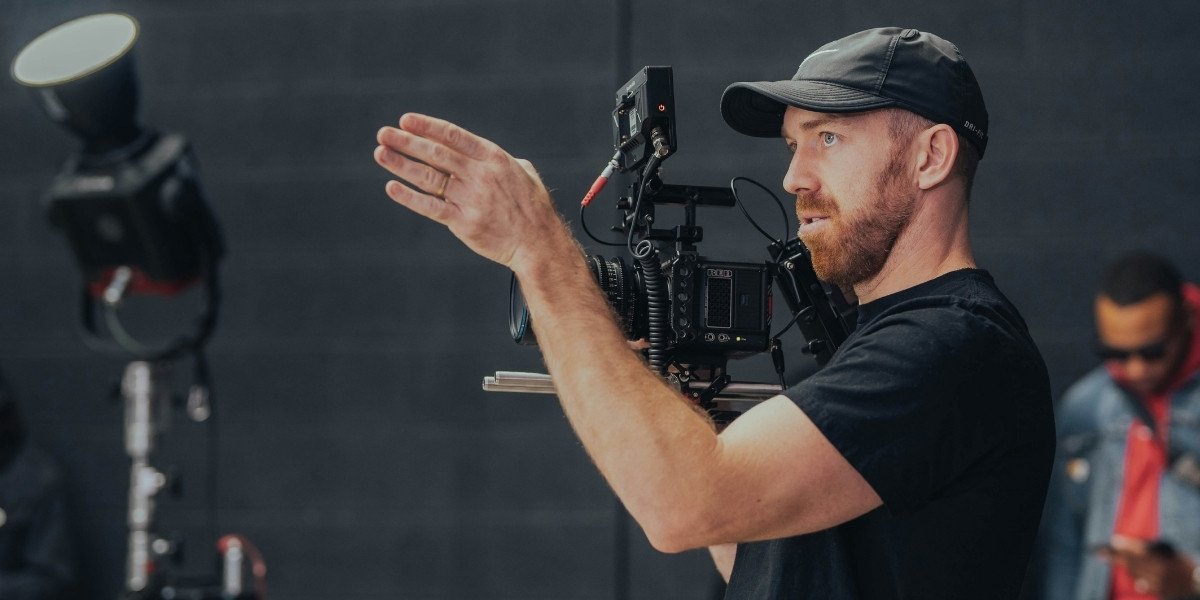
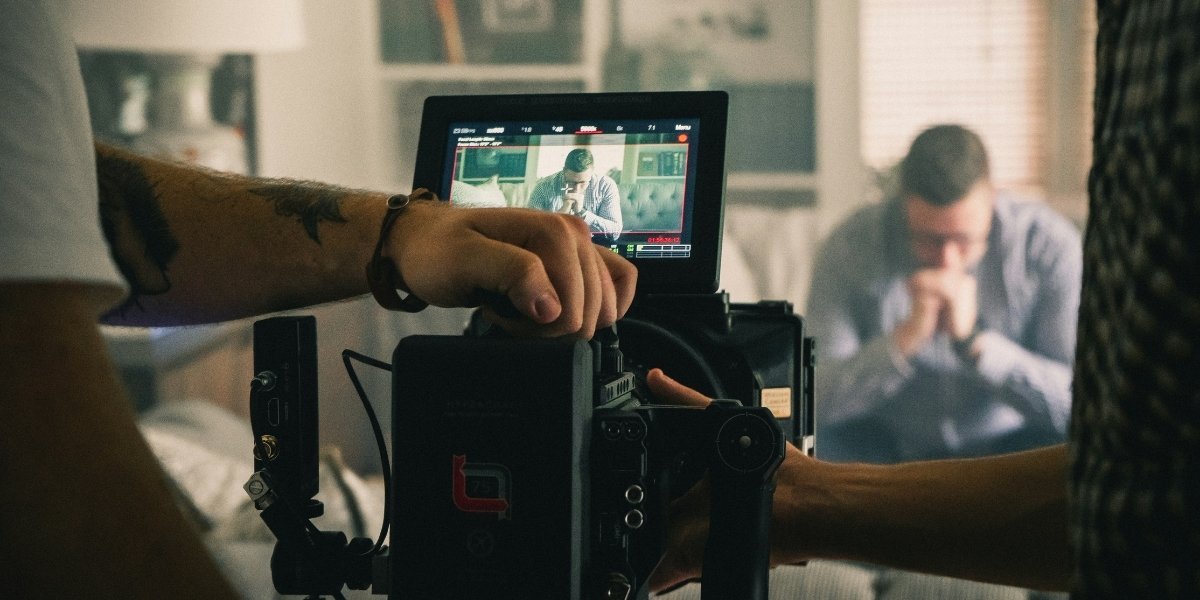
From Behind the Lens to Center Stage: Directors Who Conquered Acting

The world of filmmaking is a complex tapestry of creative roles, but some individuals possess a unique talent that allows them to seamlessly transition between the meticulous orchestrations of directing and the vulnerable artistry of acting. While often seen as distinct disciplines, the journey from behind the camera to in front of it is a testament to versatility, a deep understanding of storytelling, and an innate performative instinct. These visionary filmmakers, who have meticulously crafted cinematic narratives, often bring a profound depth and unique perspective to the characters they embody, enriching their performances with an insider’s view of the entire production process.

This dual mastery isn’t merely a fleeting experiment; for many, it becomes a significant facet of their career, shaping their artistic legacy. The transition from helming a production to inhabiting a role requires a fundamental shift in focus—from overseeing the macro vision to embodying the micro nuances of a character’s emotional landscape. Yet, for those with a comprehensive grasp of both crafts, this fluidity allows for a more holistic approach to filmmaking, where the boundaries between creator and performer become wonderfully blurred, yielding impactful results on screen.

Indeed, the ability to direct actors while also being an actor yourself provides an invaluable empathy and insight. Directors who have stood in front of the camera understand firsthand the demands, pressures, and creative needs of performers. This unique perspective can foster a more collaborative and effective working relationship on set, ultimately leading to more compelling and authentic portrayals. Their dual experience allows them to communicate a vision not just as a leader, but as someone who intimately understands the journey of bringing a character to life.

What Drives Directors to Step into the Spotlight?

One of the primary motivations for directors to step into acting roles is a deep, intrinsic understanding of performance that often precedes their directorial aspirations. Many begin their careers with a passion for acting, honing their craft in front of the camera before gravitating towards the director’s chair out of a desire for greater creative control or to tell their own stories. For these individuals, acting is not a new venture but a return to a fundamental aspect of their artistic identity, allowing them to express themselves through character embodiment.

A director’s decision to act can stem from a very practical need within their own projects. Sometimes, a director may feel that they are uniquely suited to portray a specific character, perhaps due to a deep personal connection to the material, an understanding of the nuances of a role that only the creator could possess, or simply the belief that they can deliver the most authentic performance. This self-casting, seen in the works of figures like Quentin Tarantino or Woody Allen, allows for an uncompromised realization of their creative vision, ensuring the performance aligns perfectly with the film’s overall tone and message.

Photo Credit: Unsplash.com

Beyond personal connection or necessity, acting offers directors an alternative creative outlet and a different form of engagement with the filmmaking process. While directing demands immense responsibility and oversight, acting allows for a focused immersion into a single character’s journey, free from the myriad concerns of production management. This shift can be liberating, providing a fresh perspective and perhaps even a renewed appreciation for the collaborative nature of film. It’s a different kind of challenge, stimulating their artistic sensibilities in new and unexpected ways.

Notable Examples of Directors Excelling as Actors

The annals of cinema are rich with examples of directors who have achieved significant acclaim for their acting prowess. Clint Eastwood stands as a towering figure in this regard, having seamlessly transitioned from a highly successful acting career, particularly in Westerns and action films, to becoming an Academy Award-winning director. Yet, he continued to star in many of his own directorial projects, delivering iconic performances in films like Unforgiven and Million Dollar Baby, demonstrating a masterful ability to guide a narrative from both sides of the lens. His stoic on-screen presence became synonymous with his directorial style.

Another prominent example is Ben Affleck, who, after achieving stardom as an actor, notably with Good Will Hunting, embarked on a highly successful directorial path, culminating in an Best Picture Oscar for Argo. Despite his directorial commitments, Affleck has maintained a robust acting career, taking on diverse roles that showcase his range, from dramatic thrillers to superhero blockbusters. His ability to navigate both roles effectively underscores a comprehensive understanding of cinematic storytelling and performance that few can match.

Beyond these well-known examples, many other directors have made indelible marks as actors, often in surprising or memorable roles. Kenneth Branagh, a celebrated Shakespearean actor and director, frequently casts himself in his own films and other high-profile productions. John Huston, a legendary director, was also a formidable character actor, notably appearing in Chinatown. These instances highlight a shared characteristic: a profound insight into character development and narrative arc, which informs both their directorial decisions and their nuanced performances.

How Directorial Experience Enhances Acting Performance

A director’s journey behind the lens provides an actor with an unparalleled understanding of the entire filmmaking ecosystem. Having managed a set, guided performances, and overseen the myriad technical aspects of production, these individuals bring a comprehensive awareness of how their performance fits into the larger cinematic puzzle. They understand shot composition, editing rhythms, and the overall narrative flow, allowing them to deliver performances that are not only emotionally resonant but also technically precise and impactful within the film’s structure. This macro-level perspective is a distinct advantage.

Photo Credit: Unsplash.com

The experience of directing offers profound insight into the psychology of character and story. A director is tasked with dissecting scripts, understanding motivations, and shaping narrative arcs for an entire cast. When they step into an acting role, they apply this same rigorous analytical approach to their own character, delving deeper into their inner world and external behaviors. This analytical rigor leads to performances that are richly detailed, nuanced, and deeply intentional, as every choice is informed by a holistic understanding of the story’s demands and the director’s ultimate vision.

Having directed other actors, these individuals possess a unique empathy for the performer’s process. They understand the challenges of finding truth in a scene, the need for clear direction, and the importance of a supportive set environment. This empathetic perspective allows them to be highly collaborative, receptive to guidance, and acutely aware of their role within the ensemble. Their dual experience often translates into a performance that is not only compelling on its own but also elevates the work of their fellow actors, making the entire production more cohesive and powerful.

The Enduring Appeal and Future of the Director-Actor Hybrid

The enduring appeal of directors who also act lies in their multifaceted talent and the unique perspective they bring to both roles. Their ability to command respect both as a visionary leader and a skilled performer speaks volumes about their comprehensive understanding of storytelling. This hybrid role challenges conventional notions of specialization within Hollywood, demonstrating that true artistic mastery often transcends singular vocational boundaries, leading to more complete and nuanced cinematic expressions. It’s a testament to lifelong dedication to the craft.

Looking ahead, the prevalence of director-actors is likely to continue, perhaps even increasing as filmmaking becomes more accessible and creative individuals seek more complete artistic control. The rise of independent cinema and streaming platforms provides more avenues for filmmakers to experiment with dual roles, allowing them to realize their singular visions without the constraints of traditional studio structures. This evolving landscape offers fertile ground for new generations of hyphenates who are eager to both shape the narrative and embody its characters.

The phenomenon of directors stepping into the spotlight as actors is a fascinating aspect of cinematic evolution. It underscores the interconnectedness of all elements of filmmaking and celebrates the rare individuals who can master multiple facets of this complex art form. As long as there are compelling stories to tell and characters to inhabit, there will be visionary directors drawn to the challenge of bringing their narratives to life not just through their leadership, but through their very presence on screen, continuing to define what it means to be a truly complete artist in Hollywood.

From Screen to Reality: How Actors Disconnect from Movie Roles

Acting is a transformative process. For many actors, slipping into a character can feel like donning a second skin, living a life far removed from their own. Whether they’re playing a superhero, a historical figure, or a character steeped in intense emotional trauma, it’s not uncommon for actors to immerse themselves completely into their roles. But once filming wraps, how do they manage to leave behind these deeply embodied characters and return to their own lives? Here’s a closer look at how actors disconnect from their movie roles, a process that involves a mix of psychological strategies, personal rituals, and, sometimes, pure willpower.

The Art of Transition: From Character to Self

After spending months inhabiting a character, it’s only natural for an actor to feel a strong emotional attachment to their role. Some roles can linger long after filming ends, affecting their mental well-being or personal life. The process of letting go varies from actor to actor, but most agree that it requires time, effort, and intention.

For many, the key to detaching from a role is allowing themselves space to transition. This can include a period of reflection, where the actor acknowledges the emotional and psychological toll a character may have taken. Some actors also rely on tangible rituals, such as writing in journals or having a final conversation with their character, to create a sense of closure.

Psychological Techniques: Creating a Mental Detachment

In some cases, actors employ psychological methods to detach from their roles. This could include visualization exercises or mindfulness techniques designed to “reset” their mental state. When Christian Bale played the gritty and emotionally heavy role in The Fighter, for instance, he spoke about how he needed to take breaks between scenes to step back from the intense emotions of his character. He would close his eyes, take deep breaths, and remind himself that he was no longer that person. This mental separation allows actors to ground themselves in reality once more.

Similarly, many actors work with psychologists or therapists to process their emotions after completing a project. When a role is particularly intense, it can be easy to carry the emotional weight of the character, so having a professional guide them through the transition can be invaluable.

The Importance of Rituals: Reclaiming Their Personal Identity

Many actors have rituals or personal habits they rely on to separate themselves from their character. A common practice is to physically change their appearance—whether it’s cutting their hair, changing their wardrobe, or even altering their mannerisms. This symbolic shift helps signal to both the actor and those around them that they are no longer their character.

After portraying the intense and volatile Joker in Joker, Joaquin Phoenix reportedly spent time in solitude to recalibrate his mindset. By taking a step away from public life and engaging in solitary activities, Phoenix was able to return to a grounded version of himself, distinct from the character he had embodied for so long. For Phoenix, and many actors, the act of reclaiming one’s identity after embodying such complex roles requires mental space and reflection.

Group Dynamics: Collaborating with Co-Stars to Let Go

Sometimes, the process of detaching involves leaning on fellow cast members for support. Actors often bond deeply over the course of shooting, especially when the work is emotionally taxing. This camaraderie can extend beyond the set, offering a much-needed support system for actors struggling to let go of their roles.

For instance, The Lord of the Rings cast members famously spent years filming the epic trilogy, with many of them forming lifelong friendships. After filming wrapped, they would frequently gather for reunions, providing a sense of continuity and closure as they moved on to other projects. In this case, the shared experience of working on such a monumental film helped each actor let go of their roles more smoothly.

Returning to Reality: Reconnecting with Loved Ones

While personal rituals and psychological techniques are crucial, some actors find that reconnecting with loved ones helps the most in breaking free from a character. Spending time with family and friends allows them to reconnect with their personal lives and put the role behind them. Emma Stone, after wrapping up La La Land, was known to spend time with her family and take extended breaks before diving into her next project. It was during these breaks that she could shed the weight of the character, reconnect with her real self, and re-enter the world as herself again.

From Screen to Reality How Actors Disconnect from Movie Roles

Photo Credit: Unsplash.com

Some actors take the opportunity to travel or engage in hobbies outside of acting to further distance themselves from the role. Travel offers a change of scenery and the chance to experience new cultures, which can refresh their perspective and help them return to a more balanced state of mind.

Creative Expression: Art as a Path to Letting Go

In some cases, artists turn back to their creative roots to help transition out of a role. Many actors have other creative outlets such as painting, writing, or playing music. Engaging in these artistic forms can offer an emotional release and a channel to process the character’s journey. Emma Watson, for example, is known to be an avid reader and a passionate advocate for gender equality. Her personal projects outside of acting, such as her work with the UN Women’s campaign, have served as a way to reconnect with her core values after completing demanding roles.

Moving On: The Actor’s Journey After Letting Go

Once actors have mentally and emotionally disconnected from their roles, it’s time to move on to new projects. For some, the next project is an easy transition, while others need time to adjust before stepping into their next role. Regardless, the ability to let go of a character is vital in maintaining an actor’s mental health and continuing to bring authenticity to future performances.

Actors have learned that it’s essential to create space between roles to preserve their well-being. Whether through personal rituals, working with a therapist, or simply taking time off, disconnecting from a movie character is a crucial part of the process. It’s this balance between immersing in a character and returning to oneself that allows actors to continue their successful careers while keeping their mental health intact.

Breaking Barriers: Disability Inclusion in Fashion

Empowering Beauty: PWD Models Leading the Charge for Inclusive Fashion

For too long, the fashion industry presented a narrow and often exclusive vision of beauty, perpetuating ideals that marginalized vast segments of the population. However, a powerful and transformative movement is gaining unstoppable momentum, challenging these outdated norms: the rise of Persons With Disabilities (PWD) models. These trailblazing individuals are not merely gracing runways and magazine covers; they are fundamentally reshaping perceptions of beauty, advocating for genuine inclusion, and driving a much-needed revolution in how fashion is designed, marketed, and consumed. Their presence is a beacon of empowerment, sending a clear message that beauty comes in all forms, abilities, and experiences.

The impact of PWD models extends far beyond aesthetics. They are forcing the industry to confront its historical oversight and embrace a more diverse and realistic representation of humanity. With an estimated 1.3 billion people globally living with some form of disability, representing the world’s largest minority group, the fashion industry’s previous neglect was not only morally short-sighted but also a significant missed economic opportunity. PWD models are showcasing the immense purchasing power of this demographic, pushing brands to recognize adaptive apparel and inclusive design as essential, not just niche, considerations.

This essential guide will explore the profound cultural impact of PWD models, delving into their pioneering efforts to break down barriers, the significant strides made in adaptive fashion, and the ongoing challenges that underscore the need for sustained advocacy. By highlighting their triumphs and the broader movement they embody, we can truly appreciate how PWD models are leading the charge for a more equitable, diverse, and genuinely beautiful fashion future.

How PWD Models Are Redefining Beauty Standards and Representation

The most visible and immediate impact of PWD models is their profound influence on traditional beauty standards. For decades, mainstream fashion propagated a singular, often unattainable, ideal of physical perfection, largely excluding individuals with disabilities. The presence of models with visible disabilities – whether through prosthetic limbs, wheelchairs, or other physical differences – directly challenges this narrow view, expanding the definition of beauty to encompass a much broader spectrum of human experience and form. This representation normalizes disability, showing it as a natural part of human diversity rather than something to be hidden or overcome.

These models are not just being seen; they are being celebrated for their unique attributes and inherent beauty. They bring authenticity and genuine lived experiences to campaigns and runways, resonating deeply with audiences who have long felt unrepresented. When a model like Jillian Mercado, a wheelchair user, features in campaigns for major brands like Diesel and Target, or appears in leading fashion magazines, it sends a powerful message: disability is compatible with style, elegance, and desirability. This visibility helps dismantle stigmas and stereotypes, fostering a more inclusive visual culture where differences are appreciated.

Photo Credit: Unsplash.com

The work of PWD models is inspiring a new generation of individuals with disabilities to embrace their bodies and challenge societal expectations. By seeing themselves reflected positively in aspirational fashion contexts, young people with disabilities gain confidence and a sense of belonging. This shift moves beyond mere tokenism, as brands increasingly realize that authentic representation builds stronger connections with consumers and enhances brand loyalty, proving that true beauty is inclusive and diverse.

What Are the Advancements in Adaptive Fashion Driven by PWD Advocates?

The increasing visibility of PWD models has directly fueled the demand for, and development of, adaptive fashion – clothing designed to be functional, comfortable, and stylish for individuals with diverse physical needs. Historically, options for adaptive clothing were limited, often resembling medical wear and lacking aesthetic appeal. However, the push for inclusivity has spurred designers and brands to innovate, creating garments that address practical challenges without compromising on contemporary style. This includes features like magnetic closures, discreet zippers, adjustable hems, and sensory-friendly fabrics, all aimed at simplifying the dressing process and enhancing comfort.

Major brands like Tommy Hilfiger have pioneered this movement, launching comprehensive collections that integrate adaptive features into their mainstream designs. Their adaptive lines include everything from classic jeans and polo shirts to outerwear, all modified with features like one-handed zippers, adjustable openings, and seated-wear designs. Other innovators include BILLY Footwear, known for its sneakers with zipper closures that make them easy to put on, and emerging brands like Unhidden, founded by Victoria Jenkins, which offers stylish pieces with hidden access points for medical devices. These developments demonstrate a significant shift towards making fashion genuinely accessible.

The movement is not just about big brands; it’s also about a growing ecosystem of specialized adaptive clothing companies and designers. Many of these ventures are founded by individuals with disabilities or their family members, driven by personal experiences to create solutions that meet specific needs. This grassroots innovation, combined with the growing interest from mainstream retailers, is expanding the availability of adaptive apparel, moving it from a niche market into mainstream retail spaces like Primark, which has launched adaptive collections co-designed with disability advocates, aiming to normalize inclusive design and cater to a largely untapped consumer base.

What Challenges Do PWD Models Still Face in the Fashion Industry?

Despite significant progress, PWD models continue to encounter a range of systemic challenges within the fashion industry. Tokenism remains a persistent issue, where brands might feature a PWD model for a single campaign to project an image of inclusivity, without a sustained commitment to diverse representation or genuine adaptive design. This superficial approach fails to address the deep-seated structural barriers and can feel insincere to the disability community, undermining the potential for real, lasting change in the industry’s practices.

Another major hurdle is the lack of consistent accessibility in physical spaces and within the production process itself. Fashion shows and photo shoots may not always be designed with accessibility in mind, posing logistical challenges for models with mobility aids or other specific needs. Furthermore, the industry’s inherent fast-paced nature and emphasis on speed can sometimes overlook the additional time or accommodations required to ensure a truly inclusive working environment for PWD models and crew members.

Perceptions and biases within the industry can still limit opportunities. While there’s growing acceptance, some casting directors, designers, or marketers may still hold unconscious biases or lack understanding regarding disability, leading to fewer bookings or less prominent roles for PWD models compared to their non-disabled counterparts. There’s also an ongoing need for more educational initiatives within fashion schools and established companies to foster a deeper understanding of disability inclusion, ensuring that adaptive design and diverse representation become standard practices rather than exceptional efforts.

Who Are Some Pioneering PWD Models and Their Triumphs?

Photo Credit: Unsplash.com

The inclusive fashion movement has been significantly propelled by the courage and determination of several pioneering PWD models who have broken barriers and achieved remarkable success. Jillian Mercado stands out as one of the most recognizable figures, having muscular dystrophy and using a wheelchair. Her impactful campaigns for Diesel, Nordstrom, and Target, along with features in Glamour and CR Fashion Book, have made her a powerful voice for disability representation, demonstrating that high fashion and disability are not mutually exclusive. Her work has fundamentally shifted how disability is perceived in advertising.

Another influential model is Aaron Philip, a Black, trans, and physically disabled model who has graced runways for major fashion houses like Moschino and has been featured in Vogue. Philip’s rise to prominence challenges multiple intersecting forms of exclusion in the fashion world, championing not only disability inclusion but also greater diversity in race and gender identity. Her unapologetic presence and fierce advocacy have made her a symbol of intersectional representation, inspiring conversations about broader inclusivity in the industry.

Other notable figures include Jamie Brewer, known for her acting roles and for becoming the first model with Down syndrome to walk the runway at New York Fashion Week for designer Carrie Hammer. Mama Cax, before her passing, was a formidable advocate and model with a prosthetic leg, featured in campaigns for brands like Olay and Chromat, using her platform to promote body positivity and defy conventional beauty standards. These models, through their visibility and unwavering commitment, have not only achieved personal triumphs but have collectively paved the way for a more diverse, empathetic, and truly empowering future in fashion.

What Lies Ahead: The Future of Inclusive Fashion with PWD Models?

The trajectory of inclusive fashion, heavily influenced by the rise of PWD models, points towards a future where disability is seamlessly integrated into every aspect of the industry, moving beyond mere representation to genuine systemic change. The increasing recognition of the “Purple Pound” – the significant spending power of disabled consumers and their families – is driving more brands to invest in adaptive clothing lines and inclusive marketing. This economic imperative will likely accelerate the adoption of universal design principles, ensuring that clothing is not just functional for PWD but also desirable and fashionable for all.

Looking ahead, we can anticipate a continued evolution in how PWD models are featured. This will involve moving beyond showing disability as solely an inspiration narrative, towards portraying PWD models in diverse roles that reflect the full spectrum of human experience, including luxury, romance, and everyday life. The goal is to normalize disability to the point where a model’s disability is simply one facet of their identity, not their defining characteristic or the sole reason for their inclusion, fostering more authentic and less tokenistic representation across all media.

Finally, the future of inclusive fashion will also be shaped by the increasing collaboration between designers, technologists, and the disability community. Advances in materials science, wearable technology, and personalized manufacturing could lead to even more innovative adaptive solutions that blend seamlessly with high fashion. As PWD models continue to empower and educate, they will drive an industry-wide commitment to accessibility, diversity, and genuine equity, ensuring that the fashion world truly reflects the rich and varied beauty of humanity.

Understanding the Role of a Dietitian: A Key to Wellness

What is the Primary Role of a Qualified Nutrition Professional?

A qualified nutrition professional plays a pivotal role in guiding individuals towards optimal health and well-being through informed food choices. Their primary responsibility involves assessing a person’s nutritional status, dietary habits, and health goals. This assessment is comprehensive, considering medical history, lifestyle factors, and individual preferences. Based on this thorough understanding, the expert then develops personalized eating plans and provides practical advice designed to meet specific health needs, whether it is managing a chronic condition, improving athletic performance, or simply achieving a healthier weight.

Read Also: How Daily Movement Affects Your Joint Health Over Time

Beyond creating meal plans, these specialists also serve as educators, empowering individuals with the knowledge and skills necessary to make sustainable dietary changes. They demystify complex nutritional science, translating it into clear, actionable recommendations that fit into everyday life. This educational component is crucial, as it helps people understand not just what to eat, but why certain foods are beneficial and how they impact the body. The goal is to foster a long-term, positive relationship with food, moving beyond temporary fixes to lasting lifestyle adjustments under the guidance of a skilled dietitian.

These professionals often work with diverse populations, including children, pregnant individuals, athletes, and older adults, each with unique nutritional requirements. Their expertise allows them to tailor advice that is culturally sensitive and addresses specific life stages or health challenges. This personalized approach ensures that the guidance provided is not only scientifically sound but also practical and achievable for the individual, making the path to better health clear and accessible.

How Do Nutrition Experts Help Manage Health Conditions?

Nutrition experts are integral to the management and prevention of various health conditions through dietary intervention. For individuals living with chronic diseases such as diabetes, heart disease, kidney disease, or celiac disease, the food choices they make can significantly impact their condition. These professionals work closely with patients, often as part of a healthcare team, to develop eating strategies that help control symptoms, prevent complications, and improve overall quality of life. They might educate on carbohydrate counting for diabetes or explain sodium restrictions for heart health, providing concrete methods for dietary adherence.

Photo Credit: Unsplash.com

The guidance offered by these health specialists is not generic; it is highly individualized to the specific medical needs of each patient. For instance, someone with irritable bowel syndrome might receive advice on identifying trigger foods and implementing a low-FODMAP diet, while a person recovering from surgery might get recommendations for nutrient-dense foods that support healing. This precise, evidence-based approach ensures that dietary modifications are effective and safe, working in harmony with medical treatments to optimize health outcomes.

Preventative nutrition is another key area where these professionals excel. They educate the public on how diet can mitigate the risk of developing certain chronic illnesses. By promoting balanced eating patterns, emphasizing whole foods, and addressing nutritional deficiencies, they help individuals build a strong foundation for long-term health. This proactive approach underscores the expert’s vital role not just in treating existing conditions but also in preventing their onset, contributing significantly to public health and wellness.

What Specific Services Do Qualified Nutrition Professionals Provide?

Qualified nutrition professionals offer a broad spectrum of services designed to support individuals in achieving their health and wellness goals. One common service is individual counseling, where clients receive one-on-one personalized dietary advice and support. These sessions often involve reviewing current eating habits, setting realistic goals, and developing practical strategies for incorporating healthier foods into daily routines. The private nature of these consultations allows for deep, focused discussions about personal challenges and triumphs.

Many of these experts also provide group education sessions or workshops, addressing common nutritional topics for a wider audience. These settings can cover subjects like healthy meal prepping, understanding food labels, or navigating dietary trends. Group environments offer a supportive community where participants can share experiences and learn from both the professional and each other. This collective learning can be highly motivating for those looking to improve their eating habits.

Beyond direct client interaction, some nutrition professionals engage in broader public health initiatives, working in communities, schools, or workplaces. Their roles might involve developing nutrition policies, creating educational materials, or designing wellness programs that promote healthy eating at a larger scale. This community-level work expands their impact, influencing dietary habits and health outcomes beyond individual consultations. Furthermore, many contribute to research, helping to advance the scientific understanding of nutrition and its role in human health.

How Does One Become a Certified Nutrition Expert?

Becoming a certified nutrition expert, often known as a registered dietitian, involves a rigorous educational and practical pathway. The foundational step typically requires completing a bachelor’s or master’s degree from an accredited university program. These programs provide a comprehensive curriculum covering subjects such as food science, human physiology, biochemistry, medical nutrition therapy, and public health nutrition. This academic preparation ensures a strong scientific understanding of how nutrients affect the body and health.

Following academic coursework, aspiring professionals must complete a supervised practice internship. This hands-on experience, often lasting around 1200 hours, takes place in various settings such as hospitals, community health organizations, and food service operations. During the internship, individuals apply their theoretical knowledge to real-world scenarios, learning to assess patients, develop meal plans, counsel individuals, and manage food service operations under the guidance of experienced practitioners. This practical component is critical for developing competence and confidence.

Photo Credit: Unsplash.com

The final step to becoming a credentialed expert involves passing a national examination administered by a professional board. This rigorous exam assesses a wide range of knowledge and skills required for practice. Once certified, these professionals are also required to complete continuing education units regularly to maintain their credentials and stay current with the latest advancements in nutritional science and clinical practice. This ongoing commitment to learning ensures that the advice provided is always up-to-date and evidence-based.

Why Is Consulting a Nutrition Professional Important for Wellness?

Consulting a nutrition professional is a crucial step for anyone seeking to improve their overall wellness through diet. In an age filled with conflicting information about food and health, these experts provide credible, evidence-based guidance tailored to individual needs. They can discern reliable scientific information from fads or misinformation, offering clarity and helping individuals navigate the often-confusing landscape of dietary advice. Their expertise ensures that health goals are pursued safely and effectively.

These professionals offer accountability and support, which are vital for sustained behavior change. Changing long-standing eating habits can be challenging, and having a knowledgeable guide who can provide encouragement, troubleshoot obstacles, and celebrate successes makes the journey far more manageable. They help individuals develop practical strategies to overcome barriers, such as time constraints or specific food preferences, fostering realistic and achievable progress. This ongoing support is often the key to lasting dietary improvements.

Read Also: The Celebrity Diet Dilemma: What Do Celebrities Really Eat?

Working with a nutrition professional empowers individuals to take control of their health through informed food choices. They provide the tools, knowledge, and personalized strategies needed to build healthy eating habits that contribute to chronic disease prevention, improved energy levels, better mental clarity, and an enhanced quality of life. Their role extends beyond simple meal planning to fostering a deeper understanding and appreciation for how food fuels the body, paving the way for sustainable wellness.

How Plus-Size Models Are Reshaping Beauty Standards

The fashion and beauty industries have long been defined by a very narrow standard of beauty, one that has often excluded a large portion of the population. For decades, the idealized image of a model was consistently tall and slender, a representation that was not reflective of the diverse body shapes and sizes found in the real world. However, in recent years, a powerful shift has taken place. The rise of plus-size models is not just a passing trend; it is a fundamental reevaluation of what is considered beautiful. These models are not only walking runways and gracing magazine covers, but they are also leading a broader movement toward body positivity and size inclusion, fundamentally challenging old notions and creating a more representative and welcoming world for everyone.

Read Also: From Runway to Rhapsody: Models Who Lit Up the Musical Stage

This transformation has deep roots in a long history of struggle for representation. While some early retailers in the 1920s began to cater to “stout” women, a truly widespread effort to include different body types was slow to emerge. The fashion world was built around a singular ideal, and anyone who did not fit that mold was largely ignored. Over time, as consumer demands for a more inclusive approach grew, driven by grassroots body positivity movements, the industry was forced to pay attention. The visibility of plus-size models today is the result of years of advocacy and the undeniable reality of a diverse global market.

What Is the Impact of Plus-Size Models on the Fashion Industry?

The presence of plus-size models in high fashion and mainstream advertising has had a significant impact on the industry itself. For a long time, the fashion world operated on the idea that clothing was what made a body beautiful, rather than the other way around. However, as more brands began to use models of all sizes, they found a substantial, untapped market. Including a range of body types in campaigns and on the runway is no longer just a gesture toward social change; it has become a necessary business strategy. A major retail chain that features a diverse group of plus-size models in its advertising is seen as more modern and inclusive, and consumers respond to that.

Photo Credit: Unsplash.com

The financial data supports this shift. Research shows that brands that embrace size inclusion and diversity in their marketing campaigns see a boost in consumer loyalty and purchase intention. People are more likely to buy from companies whose values align with their own, and for a growing number of consumers, seeing themselves represented in advertising is a crucial factor. The decision by a prominent brand to feature plus-size models on its website or in a television commercial signals that the company values and respects all of its customers, not just a select few. This move expands the market for the brand and builds a deeper, more meaningful connection with its audience.

How Do Plus-Size Models Affect Beauty Standards?

The most profound effect of plus-size models is on the concept of beauty itself. By consistently appearing in spaces where they were once absent, these models are helping to dismantle the idea of a single, universal beauty standard. They show that beauty is not confined to a specific size or shape, and that confidence and style can exist in any body. The images they present are often a refreshing change from the heavily edited and unrealistic pictures that have dominated the media landscape for years. This new form of representation is powerful.

When a person sees a plus-size model on a major magazine cover or on a billboard, it can have a direct and positive effect on their own self-esteem. Studies have shown that exposure to these images can lead to increased body satisfaction and a reduction in negative emotions related to body image. For many people who have felt invisible or unrepresented, seeing a model who looks more like them can be a validating and empowering experience. It sends the message that their body is not something to be hidden or changed, but something to be celebrated. This normalization of different body types helps people appreciate their own unique features and reduces the pressure to conform to an unattainable ideal.

Are Plus-Size Models Influencing Body Positivity?

The rise of plus-size models is intricately linked with the body positivity movement. This movement, which has gained significant momentum on social media, advocates for the acceptance of all body types, regardless of size, shape, or appearance. Models in this space have become a powerful force in this conversation. Through their personal platforms, they often share candid stories about their own journeys, embracing their bodies and encouraging their followers to do the same. Their content is not just about fashion; it is about self-love and radical acceptance.

How Plus-Size Models Are Reshaping Beauty Standards

Photo Credit: Unsplash.com

This direct connection between plus-size models and their audience has been a major factor in driving a cultural shift. Where mainstream media once dictated what was considered beautiful, social media has allowed for a more democratic process. People can now follow and engage with models who reflect a wider array of body types, creating a community of support and positive reinforcement. This grassroots movement has forced the fashion and beauty industries to listen and adapt, proving that consumers want more than just clothes; they want to feel seen and valued. The success of plus-size models in both online and traditional media has made the body positivity message impossible to ignore.

What Is the Future of Size Inclusion in Fashion?

While there has been a lot of progress, the work is far from over. The conversation around size inclusion is an ongoing one, and it is a movement that requires consistent effort from all parts of the industry. The success of plus-size models has demonstrated that a diverse approach is not only ethical but also profitable, so there is every reason to believe that this trend will continue. The next step involves a move away from simply adding a “plus-size” category to fully integrating all body types into every aspect of a brand’s identity, from design to marketing. The goal is to reach a point where size diversity is so common that it is no longer a talking point, but a given.

Read Also: The Impact of Iconic Supermodels on Pop Culture

As the industry continues to evolve, the language used to describe different body types will also change. The term “plus-size” itself is seen by some as limiting, and there is a growing push for more neutral and inclusive terms. Ultimately, the presence of plus-size models is a sign of a larger societal shift toward a more accepting and realistic definition of beauty. By breaking down barriers and showing that style has no size, they are not just changing the fashion industry; they are helping to create a world where every person can feel confident and beautiful in their own skin. The enduring impact of their work will be measured not just in sales figures, but in the long-term well-being and self-esteem of people everywhere.

Systolic & Diastolic: Blood Pressure Numbers Explained

What Do Your Blood Pressure Numbers Really Mean?

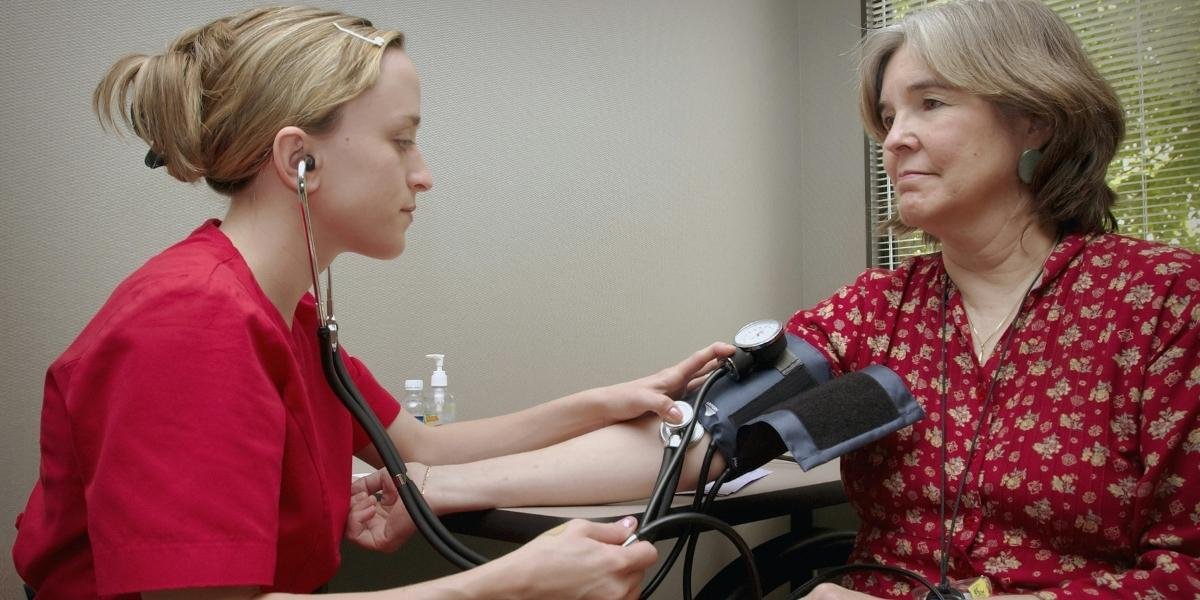
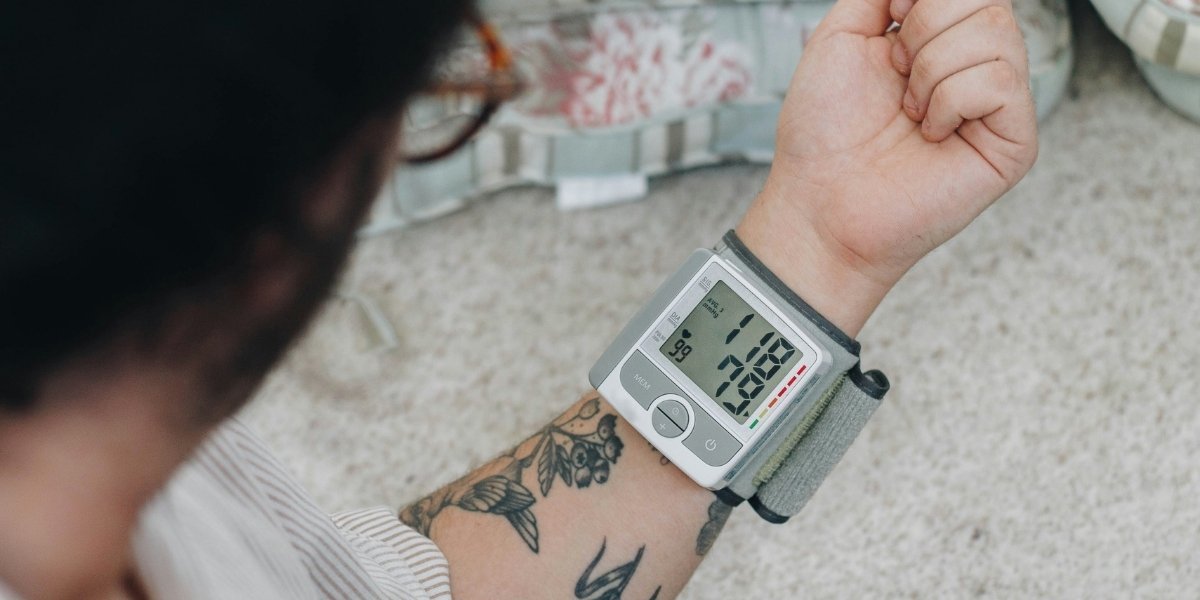
Taking a blood pressure reading is a common and vital part of any health check-up. Yet, for many, the two numbers presented, often referred to as “systolic over diastolic,” remain a mystery. These figures, expressed as millimeters of mercury (mm Hg), are far more than just a pair of measurements; they offer a crucial snapshot of cardiovascular health, reflecting the force with which blood circulates throughout the body. Truly understanding what each number represents empowers individuals to better monitor their well-being and engage meaningfully in discussions about their heart health.

Read Also: Health Supplements: Do You Prefer Vitamins or a Whole-Foods Approach?

Blood pressure is essentially the force of blood pushing against the walls of the arteries as the heart pumps it. This pressure is not constant; it fluctuates with each heartbeat. The two numbers captured in a reading correspond to distinct phases of the heart’s cycle. One number represents the pressure when the heart is actively pumping blood out, and the other reflects the pressure when the heart is at rest, filling with blood before the next beat. Both are essential indicators, providing complementary information about the cardiovascular system’s efficiency and resilience.

What Is Systolic Blood Pressure and Why Does It Matter?

The first, or top, number in a blood pressure reading is the systolic pressure. This figure represents the maximum pressure exerted on the artery walls when the heart contracts and pushes blood out into the body’s circulation. Think of it as the peak force during the heart’s work phase. A healthy systolic reading is typically considered to be less than 120 mm Hg. This number is particularly important because it reflects the pressure that the arteries experience each time the heart pumps. Over time, persistently high systolic pressure can indicate increased strain on the arteries, potentially leading to their stiffening or hardening.

Photo Credit: Unsplash.com

Elevated systolic pressure, even if the lower number is within a normal range, is a condition known as isolated systolic hypertension. This is especially common as people get older, as arteries naturally become less flexible with age. When this top number is consistently high, it suggests that the heart is working harder to circulate blood, and the arteries are under increased stress. This can contribute to various health concerns, including potential issues related to the heart and circulatory system. Monitoring systolic pressure provides valuable insight into the functional capacity and immediate demands placed on the blood vessels during active circulation.

What Does Diastolic Blood Pressure Indicate for Health?

The second, or bottom, number in a blood pressure reading is the diastolic pressure. This measurement captures the pressure in the arteries when the heart is at rest between beats, refilling with blood. It represents the lowest pressure exerted on the artery walls during the cardiac cycle. A healthy diastolic reading is generally considered to be less than 80 mm Hg. This number is significant because it reflects the constant pressure that arteries are exposed to even when the heart is relaxed. It indicates how much resistance the blood vessels offer to blood flow when the heart is not actively contracting.

A consistently high diastolic pressure suggests that the arteries remain under elevated tension even during the heart’s resting phase. This can be a sign of increased resistance in the smaller blood vessels throughout the body. While systolic pressure often receives more attention, particularly in older adults, diastolic pressure is equally important, especially for younger individuals, as it can be an early indicator of developing cardiovascular concerns. Both numbers together provide a comprehensive picture of the circulatory system’s state, illustrating the pressure dynamics during both active pumping and resting phases.

How Do These Numbers Define Blood Pressure Categories?

Healthcare professionals use both systolic and diastolic numbers to categorize blood pressure readings, guiding recommendations for maintaining health. A reading of less than 120 mm Hg systolic AND less than 80 mm Hg diastolic is generally considered normal. When the systolic reading falls between 120 and 129 mm Hg AND the diastolic remains less than 80 mm Hg, it is categorized as elevated blood pressure. This stage signals a heightened risk for developing high blood pressure unless lifestyle adjustments are made.

High blood pressure, or hypertension, is typically diagnosed in stages. Stage 1 hypertension is indicated by a systolic pressure between 130 and 139 mm Hg OR a diastolic pressure between 80 and 89 mm Hg. Stage 2 hypertension refers to readings where the systolic pressure is 140 mm Hg or higher OR the diastolic pressure is 90 mm Hg or higher. In extreme cases, a reading of over 180 mm Hg systolic and/or over 120 mm Hg diastolic is considered a hypertensive crisis, requiring immediate medical attention. It is important to note that a single high reading does not necessarily mean high blood pressure; consistent elevated readings over time are usually needed for a diagnosis.

What Are the Implications of Consistently High or Low Readings?

Photo Credit: Unsplash.com

Consistently high blood pressure, whether in the systolic or diastolic number or both, places significant strain on the cardiovascular system. Over time, this increased force can damage arterial walls, making them less elastic and more prone to plaque buildup. This wear and tear can lead to a range of serious health conditions affecting the heart, brain, and kidneys. It means the heart must work harder to pump blood against higher resistance, which can weaken the heart muscle itself. Understanding these implications emphasizes the importance of managing blood pressure through healthy lifestyle choices or, if necessary, medical guidance.

Consistently low blood pressure, known as hypotension, can also present challenges. While some people naturally have lower blood pressure without any adverse effects, a sudden or significant drop can mean that vital organs are not receiving adequate blood flow. Symptoms like dizziness, lightheadedness, or fainting can occur if blood supply to the brain is insufficient. Causes can vary, from dehydration and certain medical conditions to specific medications. Just as with high numbers, understanding the meaning of lower-than-normal readings helps in recognizing when intervention might be necessary to ensure the body’s systems receive sufficient nourishment and oxygen.

Why Is Regular Blood Pressure Monitoring Essential for Everyone?

Regularly checking and understanding blood pressure numbers is a simple yet powerful way to take charge of one’s health. Since high blood pressure often presents no obvious symptoms in its early stages, it can silently progress, causing damage over time. This makes consistent monitoring crucial for early detection and intervention. Knowing individual systolic and diastolic readings allows people to track trends, identify potential concerns, and work with healthcare professionals to implement preventative measures or necessary treatments.

Read Also: Hydration for Wellness: How Staying Hydrated Boosts Your Health

Beyond personal readings, this knowledge fosters a greater appreciation for the intricate workings of the body. It reinforces the idea that what happens internally can have profound external effects and that seemingly small numbers carry significant meaning. By demystifying systolic and diastolic values, individuals are better equipped to make informed decisions about diet, exercise, stress management, and other lifestyle factors that directly influence blood pressure. This proactive approach to understanding and managing these vital numbers is a fundamental step toward cultivating long-term health and well-being.

How Models Overcome Anxiety for Shoots

Confidence on Set: Models Combat Anxiety

The world of modeling, while appearing glamorous from the outside, often involves intense pressure, constant scrutiny, and unpredictable environments. For models, anxiety before and during shoots is a common, yet often unspoken, challenge. This performance anxiety can manifest in various ways, from self-doubt and fear of judgment to physical symptoms like sweating or a racing heart. However, successful models aren’t those who are immune to anxiety, but rather those who have developed robust strategies to manage and overcome it, ensuring they can deliver their best work under pressure.

Read Also: Alegre de Pilipinas With Jewels Empire Ent. Models Stuns Paris With Bold Designs and Diversity

Mastering anxiety for shoots involves a holistic approach, encompassing mental preparation, on-set coping mechanisms, a strong support system, and cultivating long-term resilience. By understanding the roots of their anxiety and employing targeted techniques, models can transform potential stressors into opportunities for growth, allowing their true confidence and professionalism to shine through in front of the camera.

What are the common sources of anxiety for models before a shoot?

Models face a unique set of pressures that can fuel anxiety even before they step onto a set. One primary source is the inherent performance pressure. Every shoot is an opportunity to impress, to secure future work, and to meet the expectations of clients, photographers, and their own agency. This high-stakes environment can lead to a fear of not delivering the desired look or performance, or of “failing” to capture the client’s vision. The knowledge that their images will be widely seen and critiqued can intensify this feeling of needing to be perfect.

Photo Credit: Unsplash.com

Another significant factor is self-consciousness and the fear of judgment. Models are constantly under scrutiny, with their appearance and movements being meticulously analyzed. This can trigger insecurities about body image, posing abilities, or facial expressions. The internal dialogue can become highly critical, magnifying perceived flaws and creating intense self-doubt. Coupled with this is the unpredictability of the industry – last-minute changes, new creative briefs, or working with unfamiliar teams can add to a sense of unease and a lack of control, making it difficult to fully relax and prepare.

How do models prepare mentally before a shoot to reduce anxiety?

Effective mental preparation is a cornerstone of anxiety management for models. Many successful models utilize visualization techniques before a shoot. This involves mentally rehearsing the shoot, picturing themselves performing confidently, hitting poses fluidly, and receiving positive feedback. They might visualize the final successful images or the calm atmosphere of the set. This mental rehearsal helps to “trick” the brain into feeling more familiar and comfortable with the situation, reducing the fear of the unknown.

Positive self-talk is another powerful tool. Instead of allowing negative thoughts to spiral, models consciously reframe them. Phrases like “I am prepared,” “I am capable,” or “I will do my best” replace self-critical inner monologues. This deliberate shift in internal narrative builds confidence and self-belief. Additionally, many models find comfort in establishing a pre-shoot routine, whether it’s a specific breakfast, a workout, meditation, or listening to calming music. This routine provides a sense of control and predictability, creating a calming ritual that signals to their mind and body that they are preparing for a positive experience.

What on-set strategies help models manage anxiety during a shoot?

Even with thorough pre-shoot preparation, anxiety can surface once on set. Models often employ several real-time strategies to manage these feelings. Mindful breathing techniques are invaluable; deep, slow breaths can help regulate the nervous system, reduce heart rate, and bring focus back to the present moment rather than anxious thoughts. Taking a brief moment to practice a few rounds of diaphragmatic breathing can make a significant difference.

Another effective strategy is mindfulness and focusing on the task at hand. Instead of getting lost in anxious thoughts about the outcome or judgment, models redirect their attention to the specifics of the pose, the light, the photographer’s instructions, or the texture of the clothing. This intense focus on the present moment reduces mental clutter and allows for greater presence. Open communication with the crew is also vital. A professional model knows when to politely ask for a quick break, a glass of water, or clarification on a pose. Being able to voice needs without fear of judgment contributes to a more comfortable and less anxious working environment.

How does building a strong support network contribute to anxiety management?

A robust support network is critical for models in managing the inherent stresses and anxieties of their profession. Having a trustworthy agent or management team who advocates for them, handles negotiations, and addresses concerns can significantly alleviate pressure. Knowing there’s a professional buffer between themselves and potentially demanding clients allows models to focus on their creative work, rather than worrying about logistics or unfair expectations.

Photo Credit: Unsplash.com

Connecting with peers who understand the unique challenges of the industry provides a safe space for models to share experiences, vent frustrations, and gain advice. Whether it’s through industry events, online forums, or informal gatherings, these peer connections foster a sense of community and reduce feelings of isolation. Sharing tips on coping mechanisms or simply knowing they’re not alone in their anxieties can be immensely validating and empowering. Establishing professional boundaries with clients and photographers, and having their agent enforce these if necessary, also contributes to mental well-being by ensuring they are respected and treated fairly.

What long-term habits help models build resilience against anxiety?

Building long-term resilience against anxiety in the modeling world goes beyond immediate coping mechanisms; it involves cultivating sustainable habits that promote overall well-being. Prioritizing self-care is paramount. This includes consistent sleep, nutritious eating, regular exercise, and engaging in hobbies outside of modeling. These activities help regulate mood, manage stress hormones, and provide a much-needed mental break from the demands of the job, preventing burnout and building a stronger foundation for mental health.

Read Also: From Runway to Rhapsody: Models Who Lit Up the Musical Stage

Continuous learning and skill development also play a crucial role. Models who regularly attend workshops, practice posing, study fashion trends, or take acting classes often feel more confident in their abilities. This ongoing investment in their craft translates to greater self-assurance on set, as they know they have the skills to adapt and perform. Finally, debriefing experiences, whether with a trusted friend, therapist, or mentor, helps models process challenging shoots, learn from mistakes without dwelling on them, and celebrate successes. This reflective practice fosters a growth mindset, turning anxious moments into valuable lessons and incrementally building stronger mental fortitude over time.