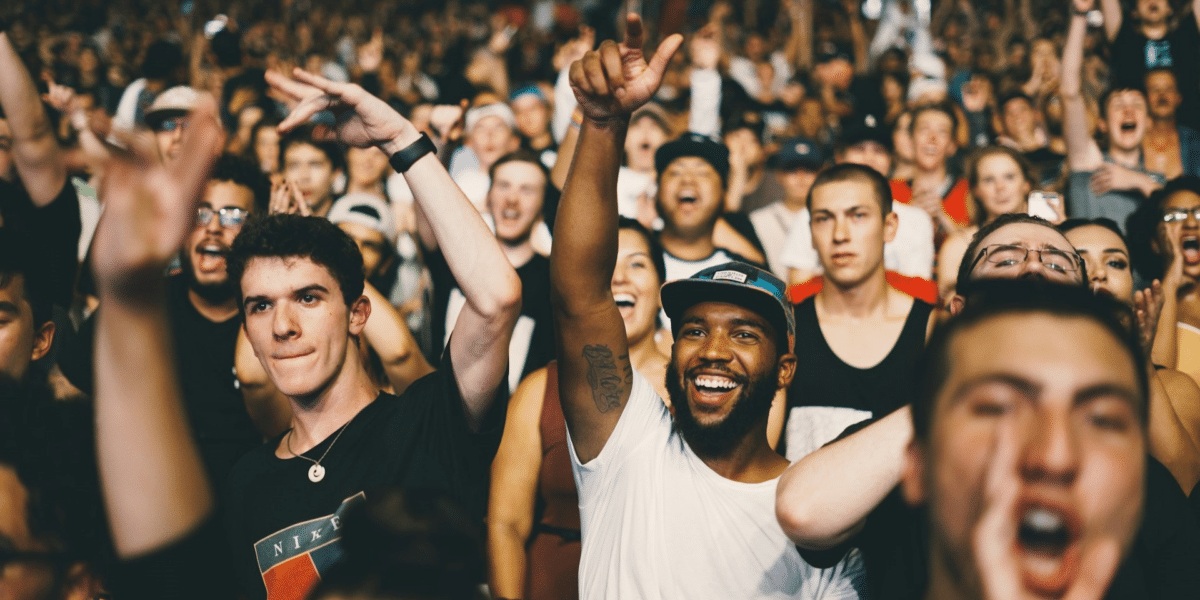
Which Streaming Model Works Best for You?

What Defines the Two Sides of Streaming?

The digital age has reshaped how people consume content. At the center of this shift is streaming, which offers endless entertainment without traditional cable. As the number of platforms continues to grow, so do the choices for viewers. The biggest decision often comes down to whether to opt for ad-supported or subscription streaming.

These two models offer different user experiences. Some prefer free access with occasional ads, while others value uninterrupted viewing. Understanding how these models work helps people choose what fits their lifestyle and budget best.

Read Also: Why Limousine Services Make for Great Ventures in Hollywood

Why Do Viewers Choose Ad-Supported Streaming?

Ad-supported streaming appeals to those looking to save money while still enjoying a wide range of content. With this model, users watch shows or listen to music for free but must view occasional ads during the experience. For many, this tradeoff is worth it, especially when they want access without monthly fees.

The model has grown in popularity as platforms seek to expand their user base. Services offering ad-supported content often include popular series, news, live events, and even movies. This makes it attractive to casual users who want flexibility without committing to a subscription.

However, viewers also understand that ads can interrupt the flow of content. While the cost is low or nonexistent, the experience may feel fragmented. Ad frequency and placement can vary, and not all content may be available in this format. These factors often influence how long a viewer stays with a particular service.

What Drives People Toward Subscription Streaming?

Subscription streaming offers a different type of experience. For a recurring fee, users access a large content library without ad interruptions. This model focuses on convenience, exclusivity, and a seamless viewing environment. Many platforms also provide original shows and early access to new releases as part of the package.

This approach works well for viewers who value time and comfort. With no ads breaking the rhythm, users are more immersed in what they’re watching or listening to. Families, binge-watchers, and dedicated fans often prefer this route to avoid distractions.

In return for a better user experience, the monthly cost can add up. Some people subscribe to multiple platforms at once, increasing their overall entertainment expenses. Others might rotate services based on what’s trending or cancel temporarily during slower seasons. This flexibility is a key advantage, even if the total cost is higher.

How Do Platforms Benefit from Both Models?

Streaming services often run both ad-supported and subscription tiers. This hybrid model gives them the flexibility to appeal to different audience segments. People who start with the free version might later upgrade once they see the value of premium access. This approach allows companies to grow their user base while generating ad revenue and subscription income.

Advertisers benefit from targeted placements in the free tier. With detailed user data, ads are often personalized and relevant to the viewer. This can lead to higher engagement and better returns for brands. Meanwhile, the subscription tier gives the platform steady income that doesn’t depend on ad performance.

The choice of model often reflects broader goals. Some platforms focus on rapid user growth and adopt an ad-heavy strategy. Others emphasize exclusivity and brand identity, relying more on loyal subscribers. Each approach offers unique advantages, and the success often depends on how well the service meets audience expectations.

Read Also: How Interactive Engagement Has Become a Common Practice Online

Which Model Fits the Future of Streaming?

The future of streaming may not lean fully toward one model. Instead, hybrid setups are likely to become the norm. As consumer preferences shift, platforms must balance cost, content quality, and convenience. Viewers increasingly expect flexibility, and services that offer both free and paid access stand out in a crowded market.

Generational habits also influence the direction. Younger audiences often start with ad-supported options but are open to paying for premium features. Older users may prioritize simplicity and avoid ads entirely. This range of expectations keeps the market competitive and evolving.

Technology plays a role as well. Features like downloads, multiple profiles, and better content recommendations are often reserved for subscribers. These perks create a clear distinction between the two tiers. Still, ad-supported services continue to improve, offering better experiences and more content than ever before.

The rise of streaming reflects how people want to consume media on their terms. Whether they’re willing to pay for it or accept a few ads along the way depends on personal priorities. Both models offer value, and both will likely continue to coexist as part of the entertainment landscape.

How Wellness Spa Island Resorts Rejuvinate Mind and Body

What Makes Wellness Spa Island Resorts the Ultimate Escape?

In a world where stress and distraction dominate, Wellness Spa Island Resorts offer a rare and precious retreat. These destinations blend luxury, nature, and holistic care to create an environment designed not just for rest—but for renewal. Set against the backdrop of turquoise waters, palm trees, and ocean breezes, they invite guests to pause, breathe, and reconnect with their well-being on every level.

Read Also: How Singers Maintain the Clarity in Their Vocals

How Does the Island Setting Enhance Wellness?

There’s something inherently healing about being surrounded by the ocean. The rhythm of the waves, the warmth of the sun, and the fresh sea air work together to calm the nervous system. Wellness Spa Island Resorts use this natural setting to create an immersive sense of peace. It’s not just about the amenities—it’s about the atmosphere.

Island environments encourage guests to slow down. Far from the demands of urban life, these settings allow for uninterrupted rest and presence. In tropical destinations near the Philippines, where lush landscapes and crystal-clear waters meet cultural richness, this effect is even more profound. The location becomes part of the healing process, offering quiet beauty that soothes the mind and spirit.

What Wellness Philosophies Guide These Resorts?

Healing at Wellness Spa Island Resorts often draws from both ancient traditions and modern science. Guests might begin their day with sunrise yoga, followed by guided meditation or breathwork. Others may explore hydrotherapy, where mineral-rich water treatments improve circulation and reduce tension.

Traditional practices like aromatherapy, reflexology, and Ayurvedic treatments often feature prominently, along with nutritional programs tailored to individual needs. These are not generic routines—they’re experiences rooted in awareness. Whether the focus is detox, balance, or strength, every activity is designed to nurture the whole person: body, mind, and soul.

In this environment, wellness isn’t a quick fix—it’s a lifestyle shift. Guests are supported in learning habits that can continue long after the stay ends.

What Makes the Spa Experiences So Immersive?

A visit to the spa at one of these resorts is a journey in itself. Treatments go beyond relaxation—they’re crafted with intention. Many Wellness Spa Island Resorts incorporate local ingredients such as tropical botanicals, marine minerals, or healing clays, grounding guests in the surrounding environment.

Signature rituals may include full-body massages using native oils, herbal compresses that soothe muscle tension, or body scrubs made with coconut and sea salt. Every treatment is accompanied by sensory elements—soft music, natural lighting, open-air pavilions—that awaken awareness and promote deep calm.

This sensory immersion is carefully curated to help guests release physical stress while activating the body’s natural healing systems.

How Do These Resorts Foster Connection with Nature?

Nature is not just a backdrop—it’s a partner in healing. Wellness Spa Island Resorts integrate the natural world into every aspect of the experience. Treatment spaces open onto ocean views. Meditation decks are nestled under palm trees. Even fitness sessions might take place on the sand or along a nature trail.

Activities like snorkeling, guided nature walks, or ocean kayaking offer movement and stillness in equal measure. These moments invite guests to remember their place within the wider ecosystem. As they move through the landscape, a sense of balance and belonging often returns.

Eco-conscious design choices—such as natural materials, sustainable architecture, and water conservation practices—reinforce this harmony, proving that luxury and sustainability can coexist.

How Are Wellness Journeys Personalized?

One size does not fit all in true wellness. The most effective retreats begin with a personal consultation, where guests share their goals, challenges, and preferences. Based on this, a custom itinerary is developed—perhaps with a focus on stress recovery, sleep improvement, or fitness renewal.

These tailored programs often combine therapies, coaching, movement, and mindfulness in a sequence that supports progress without pressure. Nutrition plans may be adapted to meet health goals, and every service is delivered with sensitivity to the individual’s energy and pace.

For many guests, this personalization is what turns a vacation into a transformation. It’s not just about being pampered—it’s about being seen and supported.

Why Is Sustainability Essential in These Resorts?

The natural beauty of island destinations is one of their greatest assets—and also one of their most fragile. Wellness Spa Island Resorts increasingly embrace sustainability as a core value. This includes protecting marine environments, reducing single-use plastics, and supporting local communities through employment and ethical sourcing.

Resorts might feature organic gardens, solar energy systems, and on-site water filtration. Spa products are often crafted with locally sourced, cruelty-free ingredients. By aligning their operations with environmental ethics, these retreats ensure that both guests and nature thrive.

This approach reinforces the message of interconnected wellness—what heals us must also honor the planet.

Read Also: Maintaining Mental Health Through Routine Work Tasks

What Kind of Transformation Can Guests Expect?

Beyond relaxation, the real gift of these retreats is change. Time spent in Wellness Spa Island Resorts often leads to renewed clarity, emotional release, and a deeper sense of peace. Some leave with improved physical health. Others find mental stillness for the first time in months. Many walk away inspired to integrate new habits into their daily lives.

In this setting, transformation doesn’t feel forced. It happens quietly, through the accumulation of nurturing experiences. Gentle routines, nourishing food, and compassionate care create the conditions for realignment—internally and externally.

Guests may arrive exhausted or overwhelmed. They often leave with energy, insight, and a softened heart.

Why Spatial Audio Is the Next Music Revolution

What Makes Spatial Audio a Game-Changer in Music?

Listening to music has always been a personal experience. But something is changing. As technology evolves, the way people engage with sound is moving far beyond stereo. Spatial audio is leading this shift, offering a three-dimensional soundscape that places the listener inside the music, rather than just in front of it.

Instead of sounds simply coming from the left or right, spatial audio gives depth and height. This creates a sensation of being surrounded, whether by a sweeping orchestra or layered electronic beats. Industry professionals say this format allows artists to shape sound in entirely new ways, adding direction and space to each note.

This immersive approach isn’t just about effect. It reflects a broader trend where digital experiences feel more lifelike. Spatial audio is helping redefine how people consume music, interact with media, and even connect emotionally with sound.

Read Also: Entrepreneurs Maximizing Revenue Through Content Distribution

How Does Spatial Audio Actually Work?

The concept behind spatial audio is built on how humans hear in the real world. Our ears detect subtle differences in sound timing and volume. These cues help determine where a sound is coming from. Spatial audio technology uses this principle to place each sound element in a virtual space.

Using a combination of software algorithms and object-based audio mixing, producers can position instruments, vocals, and effects in three-dimensional space. Some systems even track head movements, adjusting the sound field as the listener moves. This creates an illusion of space that remains stable, much like how real sounds behave when someone turns their head.

Streaming platforms and hardware manufacturers are now integrating this technology into everyday products. Headphones, smart speakers, and even mobile phones are being equipped with spatial audio support. This opens the door for more listeners to experience immersive sound without needing high-end gear.

Why Are Artists and Studios Embracing Spatial Audio?

Musicians are always looking for ways to stand out and engage audiences more deeply. With spatial audio, artists can design soundscapes that match the emotion and message of their songs more precisely. A whispered vocal can feel close to the ear, while percussion might echo from a distant corner. This level of control adds texture and intention that standard stereo can’t achieve.

Producers working in spatial formats often speak of the creative freedom it provides. Instead of being limited to left and right channels, they can craft layers that interact across a 360-degree field. This makes the listening experience more cinematic, even for songs that would seem simple in stereo.

Major studios are adapting too. Some have begun re-recording or remastering classic albums in spatial audio to breathe new life into old favorites. These new versions often reveal hidden details, offering longtime fans a fresh perspective on well-known tracks.

Is Spatial Audio Becoming the New Listening Standard?

As more platforms adopt spatial audio, the format is becoming less of a novelty and more of a standard feature. Streaming services now offer playlists specifically mastered for this format. Tech companies have also partnered with labels to release new music that takes advantage of spatial capabilities from day one.

The shift isn’t just happening in music. Film, gaming, and virtual reality also rely heavily on immersive sound design. This cross-industry use is helping normalize spatial audio for audiences who may not have sought it out on their own. As people grow accustomed to surround sound in their favorite shows and games, they begin to expect the same from their music.

Still, there are challenges. Not all playback systems support the full range of spatial effects. And some listeners report that the format can sound unnatural if not mixed carefully. Despite these hurdles, the momentum is strong. More devices are being optimized for spatial playback, and training for engineers is improving.

Read Also: The Popularity of Online Gaming Tournaments

How Does Spatial Audio Affect the Future of Music Listening?

Spatial audio is more than just a trend. It represents a fundamental change in how people experience sound. As younger audiences grow up with immersive formats, expectations for what music should sound like are shifting. The idea of sitting between two fixed speakers may soon feel outdated.

Listeners are already seeking more personalized, emotionally connected experiences. Spatial audio helps deliver that by making the music environment feel alive. Whether it’s feeling the echo of a concert hall or sensing a voice from just behind the shoulder, spatial sound draws people into the moment.

For independent artists, the format also offers new creative opportunities. While traditional mixing might limit how a song feels, spatial tools allow even small studios to experiment with atmosphere and scale. This levels the playing field, allowing diverse voices to stand out in a crowded digital space.

As the technology becomes more accessible, it’s likely that spatial audio will not only enhance listening but reshape how music is made and shared. From studio sessions to living rooms, the sound of the future may be all around us—literally.

How Often Fashion’s New Face Leads a Wave of Changes on the Catwalk

The introduction of breakthrough models often marks a turning point in the fashion industry. These new faces, whether emerging models, influencers, or social media stars, bring fresh perspectives that challenge and push industry norms. With the growing emphasis on diversity across race, gender, and body types, fashion has moved toward a more inclusive definition of beauty. This has transformed the catwalk, as models who previously wouldn’t fit the industry’s narrow standards now command significant influence. Influencers, with their instant global exposure on digital platforms, also contribute to reshaping trends, shifting the way fashion is consumed and created. Through platforms like Instagram and TikTok, they connect directly with vast audiences, amplifying their reach and influence in real-time.

Moreover, social media has democratized the fashion landscape, allowing rising stars to gain instant recognition without the traditional runway route. Social media stars, with millions of followers, have become fashion icons in their own right, using their platforms to challenge outdated standards and promote body positivity, sustainability, and inclusivity. As their influence grows, they not only reflect changing beauty norms but also shape the future of fashion.

Fashion Industry Response

With the arrival of new talent, fashion houses have become more receptive to incorporating these voices, often shifting their brand identities to align with evolving aesthetic values. Fashion houses are increasingly partnering with emerging models and influencers to create collections that appeal to modern sensibilities. For instance, many designers now actively seek to embrace diversity and inclusivity, casting models of different ethnicities, sizes, and genders to represent a broader spectrum of beauty.

In addition to casting changes, the industry has become more experimental, embracing bold, fresh collections that reflect the shifting culture. Designer collaborations with new faces frequently result in innovative designs that challenge traditional ideas of beauty and fashion. These collaborations often bring unique aesthetics to the forefront, allowing brands to redefine their identities and maintain relevance in a rapidly changing market.

Catwalk Trends Transformation

The arrival of new faces often drives a significant transformation in catwalk trends. This change is marked by more experimental styling as designers push boundaries to create fashion that speaks to individuality and self-expression. The focus on themes like identity and individuality is especially evident as the models themselves bring their unique personalities to the runway, making each collection more authentic and relatable.

Additionally, there has been a growing emphasis on sustainable and ethical fashion. As the new generation of models and influencers advocate for eco-conscious choices, this eco-awareness influences both the design of the clothes and their presentation. Increasingly, catwalks feature collections made from sustainable materials, with models actively participating in campaigns that promote responsible consumption. These trends reflect a larger shift toward socially responsible fashion, where catwalks are not just about glamour but also about making a statement on the environment and ethical production.

Impact on Fashion Standards

Perhaps the most profound impact of new faces in fashion is the redefinition of beauty norms. These models challenge traditional notions of beauty, encouraging the industry to adopt a more inclusive approach. The narrow ideals of elegance and physical perfection that once dominated the industry are now being replaced by diverse body types, races, and genders that better represent the global audience.

This shift has also led to a change in aesthetic preferences. Instead of the conventional standards of beauty, designers and audiences are increasingly gravitating toward edgier, avant-garde looks that reflect individuality. The body positivity movement has played a key role in this transformation, advocating for inclusivity and challenging the long-held standards that limited representation on the runway. As a result, fashion has become a platform where models of all backgrounds and appearances can confidently express themselves, reshaping what it means to be beautiful.

Cultural and Social Impact

The influence of fashion’s new faces extends far beyond the runway, impacting pop culture, music, film, and lifestyle. Models and influencers often align themselves with broader empowerment movements, advocating for gender fluidity, racial diversity, and body positivity. These collaborations between fashion and social movements reinforce the idea that fashion can serve as a vehicle for social change.

Additionally, the presence of international models contributes to the cross-cultural exchange of fashion trends. These models bring global perspectives, and their influence introduces international aesthetics to the catwalk, allowing for a richer, more diverse fashion landscape. As a result, fashion has become increasingly globalized, with trends spreading rapidly across borders and industries, contributing to a more interconnected world.

Long-Term Industry Shifts

New faces in fashion not only redefine contemporary trends but also leave a lasting mark on the industry. Fashion cycles constantly evolve, and the introduction of new faces often signals a shift in these cycles. Iconic models who have led these shifts often inspire lasting changes in design philosophies and representation, leading to permanent changes in the fashion industry’s approach to diversity and creativity.

Advances in technology and digital media continue to push these changes even further. Virtual fashion shows, digital models, and online platforms have transformed how fashion is presented, expanding the reach of the runway beyond its traditional confines. These developments have enabled new faces to wield even more influence, as their digital presence allows them to reach a broader audience and challenge industry norms in unprecedented ways.

The emergence of new faces in fashion does more than refresh the industry; it sparks waves of transformation on the catwalk, influencing trends, standards, and cultural norms. As these fresh perspectives continue to challenge traditional boundaries, they pave the way for a more inclusive, diverse, and socially conscious fashion industry. From redefining beauty to influencing broader cultural movements, new faces remain instrumental in shaping the future of fashion, ensuring that it evolves alongside society.

How Color Sets the Tone for Modeling Shoots

In the world of fashion photography, the use of color is not just a matter of aesthetics—it plays a pivotal role in conveying emotions, creating moods, and telling a story. Color has the power to influence how the audience perceives a model, the clothing, and even the overall theme of the shoot. It can transform the same subject and setting into something entirely different depending on how it’s used. From the psychological impact of color to its role in branding and storytelling, color is a powerful tool that photographers and stylists use to set the tone for modeling shoots.

Read also: How Walk Styles Fit Into Different Fashion Shows

The Psychological Impact of Color on Perception

Color psychology is the study of how colors affect human behavior and emotions. In modeling shoots, the color palette chosen can subtly shape the audience’s emotional response to the image. For example, warm colors like red, orange, and yellow are often associated with energy, passion, and excitement, while cooler tones such as blue, green, and purple can evoke calmness, serenity, and professionalism.

Understanding the psychological effects of color allows photographers and designers to use color to align with the mood they wish to evoke. A photo shoot featuring vibrant reds and oranges might convey warmth and intensity, while one with cool blues and purples might create a more tranquil, introspective vibe.

How Different Colors Evoke Different Emotions

Colors are more than just visually appealing; they have the ability to trigger specific emotions and associations in viewers. In modeling shoots, the strategic use of color can help convey the desired narrative and tone.

  • Red: Often linked to passion, power, and love, red can evoke strong emotions and draw attention. It’s a popular color choice for creating bold, striking imagery.

  • Blue: Associated with calmness, stability, and trust, blue tones are often used in professional shoots or to convey serenity and reliability.

  • Yellow: Representing happiness, energy, and optimism, yellow is often used to convey a playful, lively tone.

  • Green: Symbolizing nature, health, and renewal, green is often used for shoots with an organic or eco-conscious theme.

  • Black: Known for its sophistication, elegance, and timelessness, black can lend an air of mystery or high fashion to a modeling shoot.

  • White: Often linked to purity, simplicity, and cleanliness, white is frequently used in shoots that aim for a minimalist or fresh look.

Choosing the right color can significantly alter the emotional impact of a photo and help create the desired feeling or connection with the audience.

Color and Branding in Fashion and Editorial Shoots

In fashion and editorial shoots, color plays a critical role in brand identity and messaging. Designers, photographers, and stylists carefully select color palettes that align with the brand’s values, personality, and target audience.

For example, luxury brands may lean toward rich, muted tones like gold, black, or deep jewel tones to convey sophistication and exclusivity. In contrast, brands with a youthful or playful image might use brighter colors like pinks, yellows, or pastels to reflect their fun, energetic spirit.

Moreover, consistency in color use across campaigns helps reinforce brand recognition. Colors are often associated with particular brands, creating a visual identity that audiences immediately recognize. For example, Tiffany & Co.’s signature blue or Coca-Cola’s red are instantly identifiable and are used strategically to evoke specific associations with the brand.

The Role of Color in Conveying Themes and Narratives

Color can also serve as a tool for conveying the underlying narrative or theme of a modeling shoot. Whether the goal is to tell a story or represent a particular concept, color can serve as an effective visual cue to communicate these ideas to the audience.

For instance, a shoot focusing on environmental sustainability might use shades of green and earth tones to evoke a sense of nature and responsibility. A high-energy, fashion-forward shoot might use bold, contrasting colors to create excitement and drama. Alternatively, a vintage-inspired shoot might feature muted colors like sepia tones or pastels to evoke nostalgia and retro charm.

By thoughtfully selecting a color palette, photographers and stylists can communicate themes that align with the shoot’s objectives, adding depth and meaning to the images.

The Influence of Lighting and Color Temperature

Lighting is one of the most crucial elements in a modeling shoot, and it has a direct effect on how colors appear. The temperature of the lighting—whether it’s warm or cool—can drastically alter the way colors are perceived.

  • Warm Lighting: Lighting that leans towards yellow or orange tones can make colors appear warmer and more inviting. It enhances reds, oranges, and yellows, creating a cozy, intimate feel.

  • Cool Lighting: Blue-toned lighting tends to cool down the entire color palette, enhancing blues and greens while muting warmer tones. This can create a sleek, modern, or even moody atmosphere.

The interplay between lighting and color temperature is essential for setting the tone of a shoot. For example, soft, warm lighting combined with golden or earthy tones may evoke a cozy, romantic vibe, while harsh, cool lighting paired with bold, primary colors could give a futuristic or edgy feel.

Color Theory and Its Application in Photography

Color theory, the science of how colors interact with one another, is crucial in ensuring a visually harmonious shoot. Photographers often use complementary, analogous, or monochromatic color schemes to create balanced and appealing compositions.

  • Complementary Colors: These are colors that sit opposite each other on the color wheel (e.g., red and green, blue and orange). Using complementary colors in a shoot creates contrast and vibrancy, drawing attention to specific areas of the image.

  • Analogous Colors: These colors are next to each other on the color wheel (e.g., blue, blue-green, and green). Analogous color schemes create a sense of harmony and cohesiveness in a photo.

  • Monochromatic Colors: Using different shades and tints of a single color creates a minimalist, sleek effect that can be visually striking in its simplicity.

By applying color theory, photographers can craft images that are aesthetically pleasing and communicate specific emotions or messages effectively.

Matching Color Palettes to Model’s Skin Tones

When selecting colors for a modeling shoot, it’s essential to consider how the color palette will complement the model’s skin tone. Certain colors can enhance a model’s features, while others may wash them out or clash with their complexion. For instance, darker skin tones may look stunning in bold, vibrant colors like royal blue or gold, while lighter skin tones may pop with softer pastels or earth tones.

Photographers often work with stylists to select clothing that enhances the model’s appearance while also complementing the overall tone of the shoot. The right color palette can highlight the model’s best features and create a more striking, cohesive image.

The Use of Color to Complement Clothing and Accessories

In fashion photography, color is often used to complement the clothing and accessories being showcased. The color of the background, lighting, and props can either enhance or compete with the colors in the model’s attire. If the clothing features bold patterns or colors, a more neutral background color can prevent the photo from becoming overwhelming, allowing the clothing to remain the focal point.

On the other hand, when the clothing is minimalist, bright or contrasting colors can be used in the background or props to create visual interest and drama. The careful balance of color between clothing and the surrounding elements helps create harmonious and eye-catching imagery.

Seasonal Color Trends and Their Impact on Shoots

In the fashion industry, seasonal color trends play a significant role in how modeling shoots are styled. Each year, Pantone and other color forecasting companies release palettes that dictate the popular colors for different seasons. Fashion designers, stylists, and photographers often incorporate these colors into their shoots to stay relevant and in line with current trends.

For example, spring and summer shoots often feature lighter, brighter colors like pastels and vibrant florals, while fall and winter shoots may focus on deeper, more muted tones like burgundy, navy, and forest green. The incorporation of seasonal color trends ensures that the shoot feels timely and aligned with the current fashion landscape.

Read also: Why Office Fashion Became a Fad

Color and Storytelling in Fashion Editorials

In editorial fashion photography, color is frequently used to tell a story or evoke a specific theme. A well-chosen color palette can enhance the narrative of the shoot and convey complex ideas without the need for additional explanations. For example, dark, moody colors might suggest mystery or tension, while light, airy colors evoke a sense of innocence or purity.

Fashion editorials often use color to reinforce the personality of the clothing being showcased, creating a visual dialogue between the model, the fashion, and the surrounding environment. By weaving color into the fabric of the story, photographers can add layers of meaning to the images they create.

Color is a powerful tool in modeling shoots, helping to set the tone, evoke emotions, and create a lasting impression. From the psychological effects of color to the technical aspects of lighting and color theory, understanding how to use color effectively can elevate a photoshoot from ordinary to extraordinary. By considering factors like the model’s skin tone, the clothing, and the intended mood, photographers can craft visually compelling images that resonate with their audience. Whether in fashion editorials or commercial shoots, color remains a central element in creating impactful and memorable photography.

A New Era of Concert Experiences in Las Vegas

Las Vegas is ushering in a new era of concert experiences that blend cutting-edge technology with immersive live performances. As a global entertainment hub, the city is continuously evolving its live event offerings, making it the go-to destination for fans seeking unforgettable concert experiences. Here’s how Las Vegas is revolutionizing the world of live entertainment.

Technological Innovations

AI and Augmented Reality
Las Vegas is at the forefront of integrating advanced technologies like artificial intelligence (AI) and augmented reality (AR) into concert experiences. These technologies create highly personalized interactions, allowing artists to engage with audiences in real time. Augmented reality can transform a venue into a living, breathing extension of the artist’s vision, offering visual spectacles that go beyond traditional stage design.

Virtual Reality Concerts
Another technological leap is the use of virtual reality (VR) for remote concerts. Fans from around the world can now immerse themselves in a live performance as if they were there in person. Las Vegas venues are leading the way in offering these virtual concert experiences, enabling artists to reach audiences far beyond the venue’s physical capacity.

Immersive Visuals and Sound

Sphere Entertainment Co.
One of the most innovative advancements in concert visuals is coming from Sphere Entertainment Co. Their state-of-the-art venue uses 360-degree ultra-high-definition visuals and spatial audio to create an immersive concert experience like no other. Their groundbreaking project, V-U2, shot entirely with Sphere’s Big Sky cameras, allows concertgoers to feel fully surrounded by the performance, making them an integral part of the show​.

360-Degree Cinematic Experiences
Las Vegas venues are increasingly adopting 360-degree cinematic technology, providing a fully immersive visual experience. This advancement in concert technology allows audiences to be enveloped by the performance, making each show a sensory-rich experience. Fans don’t just watch the performance; they feel as if they are inside it, surrounded by sound and visuals.

Artist Residencies and Special Performances

Extended Artist Residencies
Las Vegas has long been known for its artist residencies, but this trend is evolving. Icons like U2 and Adele are crafting residencies that take full advantage of the city’s cutting-edge technology and unique venues. These extended residencies allow artists to create more elaborate and immersive performances, offering something special to fans who travel to see these one-of-a-kind shows.

One-of-a-Kind Shows
Residencies and special performances in Las Vegas go beyond the typical concert experience. Artists often design exclusive setlists and production designs tailored specifically for Las Vegas venues, creating shows that can’t be replicated elsewhere. Fans attending these performances can expect unique, show-stopping elements that set these concerts apart from traditional tours.

Audience Engagement

Interactive Concert Elements
Modern Las Vegas concerts are highly interactive, with some shows incorporating elements like audience-controlled lighting effects or live polls to determine song choices in real time. This level of audience engagement makes the experience even more immersive, creating a direct connection between the performer and the crowd.

Immersive Fan Experiences
Concerts in Las Vegas are not just about the performance itself; they often include pre- and post-show experiences that enhance the overall event. Fans can enjoy virtual meet-and-greets, exclusive merchandise, and behind-the-scenes tours, making the concert feel like a fully immersive event from start to finish.

Cultural and Economic Impact

Boost to Tourism
These next-generation concerts are drawing tourists from around the world, significantly boosting Las Vegas’ economy. The combination of technology, immersive experiences, and artist residencies has made the city a top destination for entertainment tourism. Visitors come not just for the music but for the entire entertainment package that Las Vegas provides.

Influence on Global Entertainment Trends
The innovative concert experiences in Las Vegas are influencing entertainment trends worldwide. As Las Vegas sets new standards for live performances, other major cities are taking note and looking to replicate these immersive experiences. The city’s ability to blend technology with live music is paving the way for future concert experiences across the globe.

Las Vegas is redefining what it means to attend a live concert. With technological innovations, immersive visuals and sound, and unmatched artist residencies, the city is leading the way in transforming the concert experience. As this new era of entertainment continues to unfold, Las Vegas will remain at the forefront, setting the standard for the future of live performances.

Should Modern Series Release Episodes Weekly or Altogether?

In today’s streaming landscape, there’s a hot debate over whether modern TV series should release episodes weekly or drop them all at once for a binge-watching experience. Both release strategies have their own distinct advantages and challenges, and streaming platforms must weigh these carefully to engage their audiences effectively. Here’s a detailed look at the pros and cons of each approach and how they impact viewership, cultural conversations, and streaming strategies.

Binge-Watching Model (Releasing All Episodes Together)

Advantages of Binge-Watching

One of the most popular trends in streaming is the binge-watching model, where an entire season is released at once. This model offers immediate satisfaction for viewers who prefer consuming content at their own pace. Successful shows like Stranger Things and The Witcher saw massive spikes in viewership right after release, as fans could dive into entire seasons without waiting​.

Additionally, this model tends to drive higher initial engagement, creating a strong burst of social media activity, reviews, and word-of-mouth marketing. Fans often binge-watch these shows over a weekend, leading to immediate online buzz and conversations.

Challenges of the Binge-Watch Model

Despite its popularity, the binge-watching model has some significant drawbacks. The first is a shorter cultural impact—shows released all at once often have a brief moment in the spotlight but fade quickly from public discussion. After the initial binge, viewers move on to other content, leaving the series with less sustained buzz compared to weekly releases.

Another challenge is viewer fatigue. Watching multiple episodes in one sitting can dilute the impact of individual episodes, making it harder for viewers to retain key plot points or fully appreciate story arcs​.

Weekly Release Model

Advantages of Weekly Releases

The weekly release model is often preferred for its ability to keep a show in the cultural conversation for a longer period. Each episode drop generates fresh discussion, speculation, and anticipation, keeping viewers engaged week after week. Shows like Game of Thrones and The Mandalorian thrived on this structure, turning each episode into a cultural event.

This model also fosters event viewing, where watching a new episode becomes a shared experience among viewers. Fans enjoy participating in online discussions, theorizing about future episodes, and analyzing storylines. This creates a sense of community and enhances viewer engagement​.

Challenges of Weekly Releases

While this model offers sustained attention, it may struggle to build early viewership momentum. Weekly releases typically don’t see the same immediate surge in viewers that binge-model shows do, as people might be hesitant to commit to one episode at a time​. In an era of instant gratification, some viewers might lose interest if they feel episodes are coming out too slowly.

Additionally, patience is required from viewers. Audiences accustomed to the binge-watch model may find the pacing of weekly releases frustrating, especially if they prefer to consume stories in longer stretches​.

Hybrid Release Models

Some platforms, like Hulu and Amazon Prime, are experimenting with hybrid release models, where they release a few episodes at once and then move to a weekly schedule. This approach provides the best of both worlds: initial episodes draw viewers in with enough content to binge, while subsequent episodes keep fans engaged over time.

This model keeps discussions alive and balances between binge-watching and sustained engagement. However, it can still run the risk of losing momentum if fans wait for the full batch of episodes before diving in​.

Impact on Streaming Platforms

For streaming platforms, the choice between releasing episodes weekly or all at once is a crucial strategic decision. Subscription strategies play a significant role. Weekly releases help platforms retain subscribers for longer, as viewers must stay subscribed for several months to finish a series. Binge releases, however, can lead to quick spikes in subscriptions, followed by cancellations once viewers finish the season.

Platforms often use data-driven decisions to decide which release strategy works best. Shows with intricate plots or fan interaction, such as WandaVision, may benefit from weekly drops, while action-packed shows like The Boys may perform better with a binge approach​.

Viewer Preferences and Trends

Generational Preferences

Viewer preferences often vary by age group. Younger audiences tend to favor binge-watching, as they are used to having content on demand. They enjoy consuming multiple episodes in a single sitting and are more likely to finish a season quickly​. In contrast, older viewers may appreciate the pacing of weekly releases, as they grew up with traditional TV formats and enjoy the anticipation between episodes​.

Emotional Engagement

Binge-watching allows for deeper emotional immersion, as viewers can experience a full narrative arc in one sitting. However, weekly releases heighten anticipation and excitement, making individual episodes feel more impactful as fans eagerly await the next installment​. Both models offer unique ways for viewers to engage emotionally with a series.

The debate between releasing episodes weekly or all at once will likely continue as streaming platforms evolve and experiment with different models. While binge-watching offers immediate satisfaction and strong early engagement, weekly releases provide sustained attention and a longer-lasting cultural impact. Platforms will continue to make decisions based on audience behavior, viewing data, and subscription strategies, ensuring that both models remain relevant in the modern streaming landscape.

How Female Directors Have Changed the Entertainment Industry

Female directors have made significant strides in the entertainment industry, reshaping the way stories are told and expanding the range of perspectives represented on screen. By breaking barriers, advocating for equality, and bringing diverse voices to the forefront, women directors are driving change in both film and television. This article explores the various ways in which female directors have transformed the industry.

Breaking Gender Barriers

One of the most important ways female directors have changed the entertainment industry is by breaking gender barriers. Historically, film direction has been a male-dominated field, with women often facing significant hurdles in securing directorial roles for major productions. However, trailblazing female directors like Kathryn Bigelow, Ava DuVernay, and Patty Jenkins have challenged these norms, directing high-profile films and earning widespread acclaim.

These women have not only gained recognition in the industry but also shattered stereotypes about women’s ability to lead large-scale productions, paving the way for other women to take on similar roles.

Diverse Storytelling Perspectives

Female directors bring diverse storytelling perspectives to the screen, introducing narratives that were previously underrepresented. They often explore intersectional themes, delving into the experiences of women, people of color, and marginalized communities. By highlighting unique female narratives, they enrich the cinematic landscape with fresh voices and stories.

Films like Greta Gerwig’s “Lady Bird” and Chloé Zhao’s “Nomadland” offer deeply personal and nuanced portrayals of human experiences, contributing to a more diverse film culture and encouraging audiences to engage with stories from different viewpoints.

Increased Representation of Women On-Screen

Female directors have played a crucial role in changing the way women are depicted in film. With their leadership, there has been an increase in the representation of complex female characters and more authentic portrayals of women in various roles. These directors have challenged traditional gender roles and broadened the scope of women’s stories on screen.

Directors like Sofia Coppola, Jane Campion, and Lynne Ramsay create films that focus on the intricacies of female characters, offering roles that go beyond stereotypes and one-dimensional depictions.

Advocacy for Equal Pay and Work Conditions

In addition to their creative work, many female directors have become advocates for equal pay and fair working conditions. They actively fight for gender parity in salaries and for women to have the same opportunities as their male counterparts in the industry. This advocacy work has brought attention to the wage gap in Hollywood and beyond, challenging the industry to offer more equitable compensation.

Directors such as Natalie Portman, who has spoken out about pay inequality, are helping to shift the conversation around fair compensation and equal opportunities for women in all areas of filmmaking.

Success in Blockbusters and Independent Cinema

Female directors have proven themselves in both blockbuster films and independent cinema. Directors like Patty Jenkins, who helmed “Wonder Woman”, and Cathy Yan, who directed “Birds of Prey”, have demonstrated that women can lead commercially successful franchises, dispelling the notion that female directors can only succeed in niche genres.

At the same time, independent filmmakers like Chloé Zhao, with films like “The Rider” and “Nomadland”, have shown that female directors can create critically acclaimed, artful films that resonate on a deep emotional level while garnering industry awards.

Championing Social Issues Through Film

Female directors are often at the forefront of championing social issues through film. They use their platforms to raise awareness about critical topics such as gender equality, racial justice, and human rights. Many of their films serve as vehicles for activism, pushing audiences to engage with social issues and creating space for important conversations.

Directors like Ava DuVernay, with films like “Selma” and the documentary “13th”, have used their work to address systemic racism and injustice, positioning cinema as a powerful tool for social change.

Pioneering Roles in Film and Television

Female directors have expanded their influence by taking on pioneering roles in both film and television. They have succeeded in directing traditionally male-dominated genres like action, science fiction, and crime drama, proving that women can excel across all areas of entertainment.

In television, directors such as Shonda Rhimes and Reed Morano have revolutionized the small screen, creating impactful shows and bringing cinematic quality to TV production. Their work has set new standards for creative leadership, influencing the way television is produced and consumed.

Inspiring Future Generations of Filmmakers

Perhaps one of the most lasting impacts female directors have had on the industry is their role in inspiring future generations of filmmakers. By mentoring new talent, promoting film education for women, and sharing their stories of perseverance, they are helping to build a more inclusive future for the entertainment industry.

Organizations and mentorship programs aimed at increasing the number of women directors, such as The Geena Davis Institute on Gender in Media, further encourage young women to pursue careers in film and television direction.

In conclusion, female directors have made significant contributions to the entertainment industry by breaking barriers, introducing diverse narratives, and advocating for equal representation. Their work has not only enriched cinema but also fostered social change and inspired a new generation of filmmakers. As more women continue to rise in the ranks of directing, their influence on the industry will only grow, creating a more inclusive and dynamic future for entertainment.

Why Big-Budget Films Don’t Always Get the Praise

Big-budget films, often backed by millions of dollars and boasting state-of-the-art special effects, star-studded casts, and wide-reaching marketing campaigns, are expected to be critical and commercial successes. However, despite their massive budgets and extensive promotional efforts, many of these films don’t always receive the praise they anticipate. In fact, some big-budget films have been met with criticism, disappointment, or even disillusionment from both critics and audiences. In this article, we will explore the reasons why big-budget films don’t always garner the positive attention they strive for, examining factors such as reliance on special effects, lack of originality, high expectations, and more.

Read also: The Importance of a Strong Marketing to Lead to Successful Films

The Disconnect Between Box Office and Critical Acclaim

One of the main reasons big-budget films don’t always receive praise is the disconnect between box office success and critical acclaim. While a film may earn hundreds of millions of dollars at the box office, this doesn’t necessarily translate into positive reviews. The financial success of a film is often more reflective of its massive marketing campaigns and broad appeal rather than its artistic quality or depth.

In some cases, big-budget films may appeal to a wide audience due to their spectacle or franchise status, leading to commercial success. However, critics may view these films as shallow or lacking in substance, leading to mixed or poor reviews. For example, films in large franchises may have box office numbers that soar but still face backlash from critics who are concerned with their formulaic storytelling or lack of emotional resonance.

Over-reliance on Special Effects and CGI

Another significant issue with many big-budget films is their over-reliance on special effects and CGI (computer-generated imagery). While visually stunning effects can add excitement and spectacle, they don’t always enhance the story or character development. Many large-scale films lean heavily on their visual effects to carry the plot, often at the expense of strong storytelling or meaningful character arcs.

Audiences may appreciate the impressive visuals, but if the narrative feels underdeveloped or the characters lack depth, the film can leave a hollow impression. When filmmakers prioritize spectacle over substance, it often leads to films that are memorable for their visuals but forgettable in terms of story. While effects-heavy films can be entertaining, they may struggle to earn long-lasting praise if they don’t deliver a well-rounded experience.

Formulaic Storytelling and Lack of Originality

Big-budget films are often built on tried-and-true formulas, which can be both a strength and a limitation. While these formulas can ensure broad appeal, they often result in predictable, safe storytelling. Many large-budget films follow similar structures, characters, and plotlines, which can leave audiences feeling like they’ve seen it all before.

This lack of originality can be particularly frustrating for critics and more discerning viewers who crave fresh and innovative storytelling. When a film adheres too closely to familiar tropes and doesn’t take risks, it may fail to capture the imagination of audiences, leaving them feeling that the film is more of a cash grab than a true artistic endeavor. Big-budget films that rely on franchises or reboots may further exacerbate this issue, as they often feel formulaic and creatively stagnant.

High Expectations and Pressure to Succeed

Another factor that contributes to the lack of praise for big-budget films is the overwhelming pressure placed on these projects to succeed. When a film has a huge budget, extensive marketing campaign, and a talented cast, expectations are sky-high. Fans and critics alike anticipate a masterpiece that will live up to its large investment.

However, this pressure can lead to disappointment when the final product doesn’t meet those lofty expectations. When a big-budget film doesn’t live up to the hype, it’s often met with harsh criticism, even if it’s an entertaining film on its own merits. The larger the budget, the higher the stakes, and when these films don’t deliver, they are often subject to more scrutiny.

Audience Fatigue with Franchise Films

Another issue facing many big-budget films is audience fatigue, particularly with franchise films. While these films often generate massive box office returns, they can leave audiences feeling fatigued by repetitive plots, similar characters, and predictable storylines. Franchise fatigue can set in when studios release multiple installments of the same property without significant innovation or creative evolution.

As audiences become more accustomed to a franchise’s formula, the excitement and novelty of each new release diminish. Critics and fans may start to view franchise films as cash grabs rather than genuine creative efforts, leading to lukewarm reception or even backlash.

Commercial Interests vs. Artistic Vision

In many big-budget films, commercial interests often take precedence over artistic vision. Studios are primarily focused on profitability, which can lead to a compromise on the quality of the story or the integrity of the creative vision. Filmmakers may be forced to alter their artistic direction to appeal to broader, more commercial audiences, sacrificing nuance or originality for mass-market appeal.

The result is often a film that feels like a product of corporate decision-making rather than a true artistic endeavor. While big-budget films may perform well at the box office, they may be criticized for lacking authenticity, originality, or emotional depth—traits that often win critical praise and long-lasting admiration.

Criticisms of Star Power Over Substance

Many big-budget films rely on star power to drive ticket sales, casting well-known actors to attract audiences. While a star-studded cast can be a draw, it can also backfire if the performances feel uninspired or if the actors are cast in roles that don’t align with their strengths. When the focus shifts to the cast rather than the story, the film can suffer from a lack of depth or meaningful character development.

Audience and critics may feel that the film is more about showcasing big names than telling a compelling story. This reliance on stars can overshadow the film’s true artistic value and reduce its chances of receiving praise for its overall narrative and execution.

The Impact of Hype and Marketing Campaigns

Marketing plays a huge role in the success of big-budget films, with studios spending millions on campaigns to generate excitement before the film’s release. While these campaigns are effective in drawing crowds, they can also set unrealistically high expectations, which can ultimately lead to disappointment if the film doesn’t live up to the marketing hype.

When a film is marketed heavily, the pressure on the film to deliver can become overwhelming, and when the result doesn’t meet those inflated expectations, the backlash can be severe. Marketing campaigns can also highlight the film’s best aspects, making the rest of the film seem underwhelming in comparison.

The Risk of Alienating Niche Audiences

Big-budget films often cater to mass-market audiences, which can lead to the alienation of niche or specialized fan groups. These films are generally designed to appeal to the broadest possible audience, which means that unique or unconventional ideas may be sacrificed in favor of more commercially viable elements. As a result, the film may fail to resonate with certain subcultures or specialized audiences who were drawn to the original source material or concept.

Niche audiences may feel that their specific tastes are overlooked in favor of more mainstream sensibilities, leading to a lack of praise from these groups.

Lack of Character Depth and Development

Big-budget films often focus on action, spectacle, and plot twists, which can leave character development on the back burner. As a result, characters may feel one-dimensional or lack emotional depth, making it difficult for audiences to connect with them on a personal level. Without well-developed characters, a film’s emotional impact is often diminished, and the stakes of the story feel less meaningful.

When characters are not given the time and attention they need to grow and evolve, the film may fail to leave a lasting impression, regardless of how impressive the special effects or action sequences may be.

Read also: The Challenges of Content Licensing Deals

The Influence of Studio Interference in Creative Decisions

Studio interference is a common issue in the world of big-budget filmmaking. Studios often have their own vision for how a film should be executed, and this can lead to clashes with the director’s original artistic vision. In many cases, studio executives may demand changes to the script, casting, or pacing to make the film more commercially viable. This interference can dilute the film’s creative integrity and result in a final product that feels disjointed or inconsistent.

As a result, big-budget films may suffer from a lack of cohesion or clarity, leading to mixed or negative reviews. Critics may note that the film feels compromised or overproduced, which can significantly impact its chances of receiving praise.

While big-budget films often make a significant impact at the box office, they don’t always receive the praise they expect. Over-reliance on special effects, formulaic storytelling, high expectations, and studio interference can all contribute to a lack of critical acclaim. Despite their financial success, these films may fail to resonate with audiences and critics who are looking for deeper, more meaningful storytelling. Ultimately, the balance between commercial success and creative integrity is crucial, and when big-budget films fail to strike that balance, they often fall short of earning the praise they might otherwise deserve.

Why Niche Live Events Have Been a Bigger Trend in Entertainment

In recent years, niche live events have become increasingly popular in the entertainment industry. These events, which cater to specific interests, communities, and subcultures, provide a personalized and unique experience for attendees. From tailored music festivals to immersive pop-culture conventions, niche live events have captured the attention of audiences seeking more specialized forms of entertainment. Below, we explore the factors contributing to the rise of niche live events and why they have become such a prominent trend in modern entertainment.

Personalized Experiences

Niche live events offer personalized and curated experiences that appeal to specific interests or demographics. Unlike mainstream events, which aim to attract large and diverse crowds, niche events focus on delivering customized entertainment tailored to a particular audience. Whether it’s a small indie music festival or a convention centered around a specific TV show or fandom, these events make attendees feel like they are part of an exclusive community.

Personalization is a key factor driving the success of these events, as attendees appreciate experiences that speak directly to their passions and hobbies. By offering customized content, workshops, or performances, niche events stand out from larger, more generalized entertainment options.

Targeted Audiences

One of the reasons niche live events have become more prominent is their ability to attract highly targeted audiences. These events are often designed for people with shared interests, which fosters a sense of community and belonging among attendees. Whether it’s a comic book convention, a tattoo festival, or a craft beer expo, niche events create a space for like-minded individuals to come together and celebrate their common passions.

This targeted approach also allows organizers to tailor marketing efforts and ticket sales to specific groups, ensuring that the event appeals to the right audience. Attendees are more likely to invest in these experiences because they know the event will cater to their interests and provide meaningful content.

Unique Venues

Another factor contributing to the rise of niche live events is the use of unique and unconventional venues. Unlike mainstream events, which often take place in traditional locations like stadiums or concert halls, niche events are held in more creative spaces, such as warehouses, art galleries, or outdoor locations. These unique settings enhance the overall experience and add an element of novelty for attendees.

By using alternative venues, organizers can create immersive environments that align with the theme or aesthetic of the event. This setting fosters a more intimate connection between attendees and the event, making it a memorable and engaging experience.

Cultural Relevance

Niche live events often reflect the cultural trends and values of specific subcultures, making them particularly appealing to certain demographics. These events tap into the cultural zeitgeist, addressing social issues, artistic movements, or emerging trends that resonate with specific audiences. As a result, attendees feel a deeper connection to the event, viewing it as more than just entertainment but as a reflection of their identity and values.

For instance, events that celebrate diversity, environmental sustainability, or emerging technologies often attract audiences who are passionate about these topics. The cultural relevance of niche events ensures they remain a vital part of the evolving entertainment landscape.

Community Building

Niche live events are highly effective at fostering community and creating lasting connections among attendees. These events often serve as gathering spaces for individuals who share common interests or participate in the same subculture. Attendees bond over their mutual passion for the event’s theme, whether it’s a music genre, a gaming fandom, or a craft hobby.

This sense of community extends beyond the event itself, with many participants staying connected through online groups, fan forums, or future meetups. Niche live events play a significant role in creating and nurturing these communities, making attendees feel like they are part of something larger than themselves.

Social Media Amplification

Social media plays a significant role in the growing popularity of niche live events. Platforms like Instagram, TikTok, and Twitter allow attendees to share their experiences in real time, amplifying the event’s reach and attracting more interest from potential attendees. This organic promotion, driven by user-generated content, can create buzz around an event and contribute to its success.

Additionally, niche events often collaborate with influencers who align with the event’s theme, further expanding their reach. Influencers help promote the event to their followers, adding credibility and visibility in niche communities that are highly engaged online.

Exclusive Content

Niche live events frequently offer exclusive content that cannot be experienced elsewhere, making them particularly appealing to fans. Whether it’s limited-edition merchandise, one-of-a-kind performances, or behind-the-scenes access to creators, the exclusivity of these events adds to their allure. Attendees are drawn to the opportunity to experience something unique and special that is not available to the general public.

This sense of exclusivity not only drives ticket sales but also builds anticipation for future events, as attendees look forward to more exclusive experiences.

Growth of Subcultures

The rise of niche live events is also closely tied to the growth of subcultures and micro-communities within the entertainment world. As entertainment has become more fragmented and personalized, subcultures have flourished around specific interests such as anime, alternative music, gaming, or wellness. These subcultures often have dedicated fan bases that are eager to attend events tailored to their interests.

Niche live events cater to these subcultures by providing content, performances, and experiences that speak directly to their preferences. As subcultures continue to expand and diversify, niche events will remain an important part of the entertainment industry.

Niche live events have gained popularity due to their ability to provide personalized experiences, target specific audiences, and foster community. By offering unique content, leveraging social media, and reflecting cultural trends, these events have become a bigger trend in entertainment. As audiences increasingly seek out more tailored and immersive experiences, niche live events will continue to play a significant role in shaping the future of the entertainment landscape.