The Crucial Role of the Director of Photography in Film Productions

The director of photography (DP), also known as the cinematographer, plays a crucial role in film productions. This article explores the importance of the director of photography, their responsibilities, and how they contribute to the visual storytelling that brings a film to life.

The Role of the Director of Photography

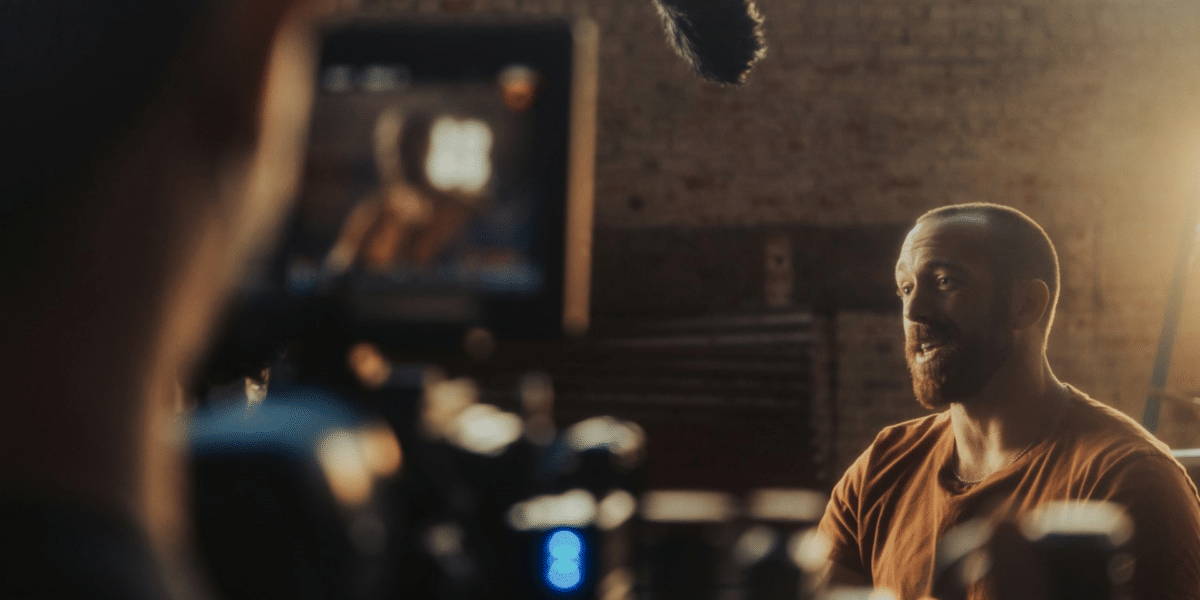
The director of photography is responsible for the visual aspects of a film. They work closely with the director to translate the script into visual images that tell the story. This involves choosing the right camera angles, lighting, and shot composition to create the desired mood and tone. The DP’s work is essential for setting the visual style of the film, which can significantly impact how the story is perceived by the audience.

A director of photography must possess a high level of technical expertise. They need to understand the intricacies of camera equipment, lenses, lighting setups, and film stock or digital formats. This technical knowledge allows them to solve problems on set and ensure that the director’s vision is achieved. The DP’s ability to manipulate these elements creatively can elevate the overall quality of the film.

Responsibilities of the Director of Photography

During pre-production, the director of photography collaborates with the director and other key crew members to plan the visual approach of the film. This includes scouting locations, creating shot lists, and developing storyboards. The DP’s input during this phase is crucial for identifying potential challenges and ensuring that the visual elements align with the story’s needs.

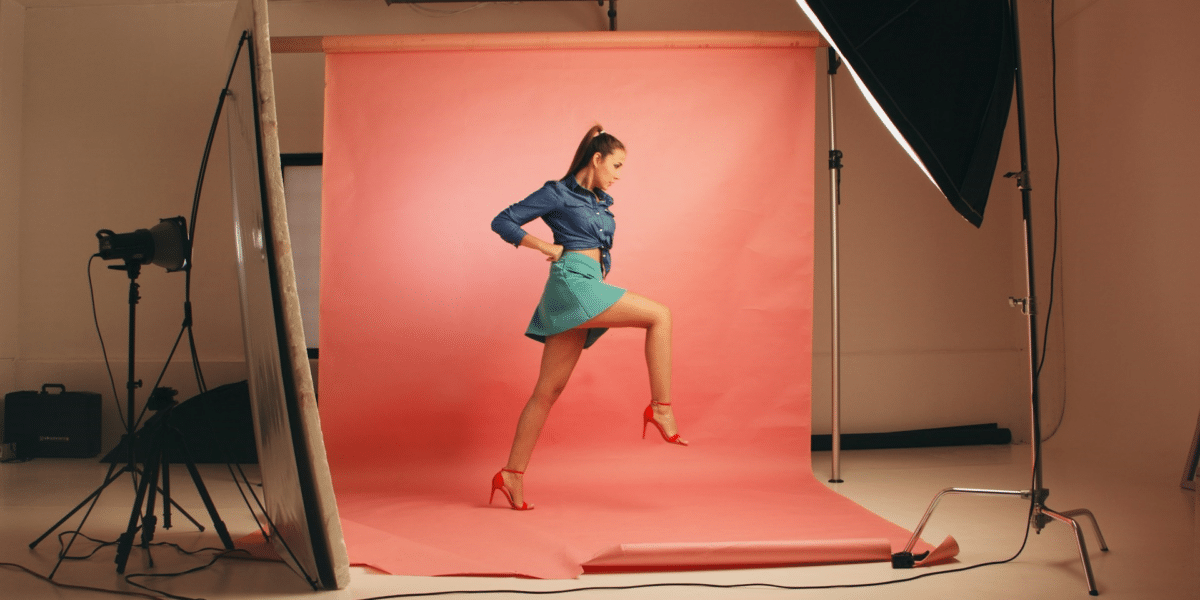
Lighting is a fundamental aspect of cinematography, and the director of photography is responsible for designing and implementing the lighting plan. Good lighting can enhance the mood, emphasize specific elements, and create depth within the frame. The DP’s skill in lighting can make scenes more dynamic and visually appealing, which is vital for engaging the audience.

The director of photography oversees the camera crew and ensures that every shot is composed and executed according to the director’s vision. This involves selecting the appropriate lenses, framing the shots, and guiding the camera movement. The DP’s expertise in shot composition can help convey the narrative more effectively, making the storytelling more powerful and immersive.

The Impact of the Director of Photography

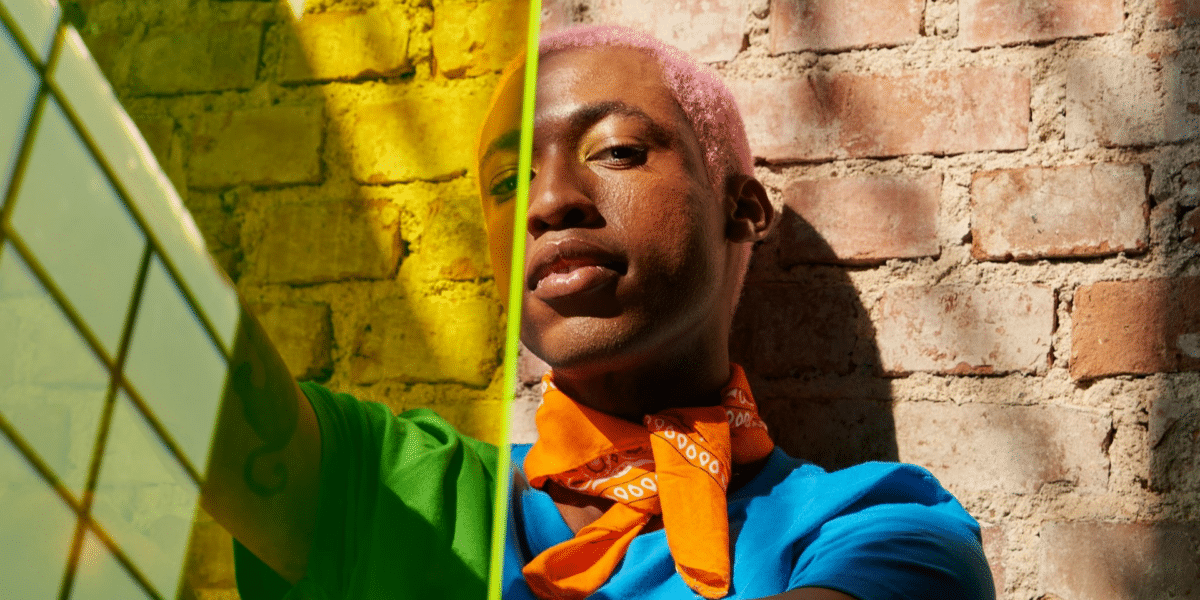
The visual choices made by the director of photography can greatly enhance the emotional impact of a film. Through the use of color, lighting, and shot composition, the DP can evoke specific emotions and reinforce the story’s themes. For instance, the use of warm lighting can create a sense of intimacy, while harsh lighting can generate tension and unease.

Visual continuity is essential for maintaining the audience’s suspension of disbelief. The director of photography ensures that the visual elements are consistent throughout the film, which helps to create a cohesive and believable world. This involves maintaining continuity in lighting, color palettes, and camera movements, which can be challenging but is crucial for the film’s overall aesthetic.

The director of photography works closely with various departments, including the art department, costume designers, and the production design team. This collaboration ensures that all visual elements are harmonized and contribute to the film’s overall look and feel. The DP’s ability to communicate and collaborate effectively with other departments is key to achieving a unified visual style.

Notable Examples of Directors of Photography

Roger Deakins is one of the most acclaimed directors of photography in the industry. His work on films like “Blade Runner 2049” and “1917” showcases his mastery of lighting, composition, and camera movement. Deakins’ ability to create stunning visuals has earned him numerous awards and recognition, highlighting the critical role of the DP in film production.

Emmanuel Lubezki, known for his innovative use of natural light and long takes, has made significant contributions to films like “The Revenant” and “Birdman.” Lubezki’s unique visual style enhances the storytelling by creating immersive and visually striking scenes. His work exemplifies how a director of photography can push the boundaries of visual storytelling.

Rachel Morrison, the first woman to be nominated for the Academy Award for Best Cinematography for her work on “Mudbound,” has made significant strides in the industry. Her ability to capture the emotional essence of a story through her visual choices underscores the importance of the director of photography in shaping a film’s impact.

The director of photography is a pivotal figure in film productions, responsible for the visual storytelling that brings a film to life. Their expertise in visual storytelling, technical knowledge, and ability to collaborate with other departments are essential for creating a cohesive and compelling film. Notable DPs like Roger Deakins, Emmanuel Lubezki, and Rachel Morrison exemplify the profound impact that a skilled DP can have on a film’s success. The importance of the director of photography cannot be overstated, as their work is integral to the artistic and emotional resonance of a film.


The Vital Role of Makeup Artists in Transforming Entertainment

Makeup artists play a crucial role in the entertainment industry, significantly influencing the success of films, television shows, theater productions, and more. Their skills enhance characters, set moods, and create unforgettable visuals. This article explores the impact of makeup artists in entertainment, the techniques they use, and their contributions to the industry.

Enhancing Character Development

Makeup artists are essential in bringing characters to life. Their work goes beyond simple beauty makeup; they use their skills to transform actors into the characters they portray. This transformation is vital in making characters believable and engaging for the audience. Whether creating the look of a historical figure, an alien, or a mythical creature, makeup artists ensure that characters appear authentic and compelling.

The appearance of characters plays a significant role in storytelling. Makeup artists use their expertise to reflect a character’s personality, background, and emotional state. For example, the makeup for a weary soldier will differ significantly from that of a glamorous movie star. This attention to detail helps audiences connect with characters on a deeper level.

Setting the Mood and Atmosphere

Special effects makeup is a critical aspect of the entertainment industry. Makeup artists use prosthetics, latex, and other materials to create wounds, aging effects, and fantastical creatures. These effects add realism and excitement to scenes, making stories more immersive. Iconic movies like “The Exorcist” and “The Lord of the Rings” owe much of their visual impact to the work of skilled makeup artists.

Makeup artists also enhance the visual appeal of productions. By using color theory and advanced makeup techniques, they can create stunning visuals that captivate audiences. This is especially important in genres like fantasy and science fiction, where the appearance of characters and settings is crucial to the storytelling.

Supporting Actors

The work of makeup artists can significantly boost an actor’s confidence. When actors feel they look the part, they are more likely to deliver convincing performances. This confidence translates into better on-screen or on-stage presence, enhancing the overall quality of the production.

Continuity is essential in film and television production. Makeup artists ensure that characters look consistent across different scenes and shooting days. This consistency helps maintain the believability of the story and prevents distractions that could pull audiences out of the narrative.

Techniques and Innovations

Prosthetics are a vital tool for makeup artists. These custom-made appliances can dramatically alter an actor’s appearance, allowing for the creation of realistic wounds, deformities, and other effects. Prosthetics require careful application and blending to look natural on screen.

Modern makeup artists often use airbrushing to achieve a flawless finish. This technique allows for precise application of makeup, creating smooth and even coverage. Additionally, digital techniques are increasingly used in conjunction with traditional makeup to enhance or alter appearances in post-production.

The best makeup artists continually research and develop new techniques and materials. This ongoing learning allows them to stay at the forefront of their craft and deliver innovative results. By experimenting with new products and methods, makeup artists push the boundaries of what is possible in entertainment makeup.

Makeup Artists: Contributions to the Industry

The work of makeup artists is often recognized through industry awards. Prestigious awards like the Academy Awards and the Emmy Awards include categories specifically for makeup and hairstyling. These awards highlight the importance of makeup artistry in the success of films and television shows.

Makeup artists in entertainment also influence trends in the broader beauty industry. Iconic looks from movies and television often become popular among the general public. Makeup artists set trends that inspire fashion and beauty enthusiasts worldwide.

Many experienced makeup artists contribute to the industry by educating and mentoring the next generation of artists. Through workshops, online tutorials, and formal education programs, they share their knowledge and skills, ensuring that the craft continues to evolve and thrive.

Makeup artists have a profound impact on the entertainment industry. Their work enhances character development, supports storytelling, and creates stunning visuals that captivate audiences. Through their innovative techniques and dedication to their craft, makeup artists contribute significantly to the success of films, television shows, theater productions, and more. As the entertainment industry continues to grow and evolve, the role of makeup artists will remain indispensable, ensuring that stories are told in the most visually compelling way possible.

Beyond Looking Cool: Finding the Perfect Shades for Your Face Shape

We all know sunglasses are a summer essential. They shield our eyes from the sun’s harsh rays, add a touch of mystery, and let’s be honest, they just look cool. But with a seemingly endless variety of shapes, sizes, and materials on the market, finding the perfect pair can feel like navigating a fashion maze. 

Fear not, fellow shade enthusiasts!  This guide will help you ditch the one-size-fits-all approach and discover the perfect sunglasses to complement your face shape.  Because after all, the right sunglasses shouldn’t just protect your eyes; they should elevate your entire look.

Beyond the Mirror: Matching Your Face Shape to the Perfect Shades

The key to sunglass success lies in understanding your face shape.  Just like choosing the right haircut, selecting shades that complement your facial features creates a balanced and harmonious look. Here’s a breakdown of some common face shapes and the sunglasses that will make them shine:

  • Round Faces: For those with soft curves and full cheeks, the goal is to add definition and angles. Aviators are your best friend! Their classic teardrop shape creates a slimming effect, and the wider top frame helps balance out a rounder jawline. Wayfarers are another excellent choice, with their straight top bar and slightly angled sides adding a touch of edge.

A recent article in Elle explores choosing sunglasses for round faces, stating, “Aviators are universally flattering, but for round faces, they’re a game-changer.  The angular shape counteracts the softness of round features, creating a more balanced look.”

They can also be a great way to add a touch of cool-factor to an otherwise youthful appearance.

  • Square Faces: Characterized by a strong jawline and broad forehead, square faces require shades that soften and add a touch of roundness. Round or oval sunglasses are ideal. These softer shapes help balance out the sharp angles of a square jaw and create a more harmonious overall look. Cat-eye shades are another fun option, adding a touch of vintage glamor and femininity.

A recent study by the University of California, Los Angeles explores the psychology of facial symmetry and sunglass selection, stating, “People tend to perceive faces with balanced features as more attractive.  Choosing sunglasses that complement your face shape creates a more symmetrical appearance, enhancing your overall attractiveness.”

However, don’t be afraid to push boundaries a little!  Square faces can also rock bold, oversized shades for a fashion-forward statement.  Just ensure the overall silhouette softens the angles of your jaw for a balanced look.

Beyond the Style:  Frame Materials, Lens Colors, and Finding Your Perfect Fit

Once you’ve identified your face shape and explored flattering styles, it’s time to delve into the world of materials, colors, and fit.  Consider opting for lightweight yet sturdy frames like acetate or titanium for a comfortable and stylish experience.  

For a more classic look, opt for frames in tortoiseshell or clear finishes.  Trendier materials like metal or wood can also add a touch of personality.  Lens colors can also play a role – opt for classic black or brown for timeless appeal, or go for trendy mirrored lenses for a bolder statement.  Consider colored lenses for specific activities – yellow lenses can enhance depth perception for driving, while polarized lenses are ideal for reducing glare on reflective surfaces like water or snow.  

Most importantly, ensure a snug but comfortable fit.  Sunglasses that constantly slip down your nose or leave indentations on your temples are not your friends!

The Final Reflection:  Express Yourself and Embrace the Sunshine

Finding the perfect pair of sunglasses is about more than just sun protection; it’s about expressing your personal style.  Don’t be afraid to experiment with different frame shapes, colors, and materials to discover what makes you feel confident.  

Remember, sunglasses are an extension of your personality, so have fun with it!  With the right pair perched on your nose, you’ll be ready to conquer the day, look fabulous doing it, and of course, protect your precious peepers from the sun’s harmful rays.  So, step out into the sunshine, shades on high, and embrace the world with a touch of mystery and a whole lot of style.

In the Director’s Chair and the Spotlight: Directors Who Double as Actors

Imagine the pressure of directing a film. You’re the captain of the ship, steering the creative vision, managing actors, and ensuring every scene comes together flawlessly. Now, imagine adding another layer of complexity: stepping in front of the camera and becoming an actor in your own production. While not the most common practice, there are a handful of directors throughout cinematic history who have chosen to wear both hats – director and actor. Let’s explore the fascinating world of these multi-talented filmmakers and delve into the reasons why some directors choose to act in their own films.

Wearing Two Hats: The Advantages of Director-Actors

There are several advantages to a director acting in their own films. Imagine having a complete understanding of the character, the scene, and the overall vision for the film. A director-actor possesses an intimate knowledge of the narrative and the nuances of each character. This insider’s perspective can translate into powerful on-screen performances that perfectly embody the director’s creative vision. A documentary highlighted, “Director-actors can bring a unique depth and authenticity to their performances, as they fully understand the character’s motivations and place within the story.”

Another advantage is the level of control a director-actor wields over the production. Imagine being able to tailor the performance to fit the specific needs of the scene without having to explain nuances to another actor. This direct line of communication between the director and the actor (who is themself!) can lead to a more efficient and streamlined filming process. There’s no need for lengthy discussions or second-guessing; the director-actor can simply execute their vision seamlessly.

Creative Risks and Potential Pitfalls

However, venturing into acting territory isn’t without its risks for directors. Imagine the potential for a performance to overshadow the brilliance of the film’s direction. If the acting falls flat, it can distract viewers from the overall narrative and filmmaking techniques. The burden of responsibility also intensifies. A director-actor shoulders the weight of the film’s success on both a technical and performance level, which can be a daunting task.

There’s also the question of objectivity. Imagine a director so invested in their own performance that they become blind to its shortcomings. Without a separate director to provide constructive criticism and objective feedback, the acting might suffer. This lack of objectivity can lead to uneven performances that detract from the overall quality of the film.

From Clouseau to The Bard: Iconic Director-Actors

Despite the challenges, some directors have achieved remarkable success as actors in their own films. Imagine the comedic genius of Woody Allen, his signature neurotic persona perfectly complementing the quirky narratives of his films. Or consider the legendary Clint Eastwood, his stoic presence and rugged good looks embodying the iconic characters he brought to life on screen.

Even the world of animation has seen its share of director-actors. Imagine the whimsical charm of Hayao Miyazaki, who has lent his voice to characters in several of his Studio Ghibli masterpieces. These director-actors remind us of the immense talent and versatility that can exist within a single filmmaker.

In conclusion, directors acting in their own films is a relatively uncommon practice, but one that has produced some truly remarkable cinematic experiences. While there are inherent challenges, the advantages can be significant. A director-actor possesses a unique understanding of the story and characters, potentially leading to powerful and nuanced performances. Ultimately, the success of a director taking on the actor role hinges on their ability to balance creative control with objectivity, ensuring their acting enhances, rather than overshadows, the brilliance of their filmmaking. So, the next time you encounter a film with a director in the cast list, approach it with an open mind. You might just discover a hidden gem where the director’s vision shines through, both behind the camera and on the silver screen.

Diving into Documentaries: Why We’re Obsessed with Them on Streaming Platforms

Alright, folks, let’s talk documentaries. You know, those real-life stories that captivate and inspire us, one frame at a time. Whether you’re a die-hard history buff, a nature lover, or just someone who loves a good ol’ dose of reality, documentaries have become the go-to choice for many of us on streaming platforms. But why, you ask? Well, grab your popcorn and settle in as we unravel the mystery behind why documentaries have become everyone’s favorite binge-worthy content.

1. The Allure of Real Life: Getting Up Close and Personal

First things first, let’s talk about the magic of real-life stories. There’s something undeniably captivating about diving headfirst into the lives of real people, places, and events. Whether it’s exploring the depths of the ocean with David Attenborough or unraveling the mysteries of true crime, documentaries give us a front-row seat to the drama, intrigue, and wonder of the world around us. It’s like stepping into someone else’s shoes for a while and seeing life through their eyes – and let me tell you, it’s one heck of a ride.

2. Learning Made Fun: Edutainment at Its Finest

Now, who says learning has to be boring? Certainly not documentaries! With their winning combination of entertainment and education, documentaries make learning feel like a breeze. Whether you’re discovering the untold stories of forgotten heroes or uncovering the secrets of the universe, documentaries have a knack for turning even the most complex topics into engaging and accessible content. It’s like sneaking a spoonful of sugar into your morning coffee – you barely even notice you’re learning!

3. The Power of Perspective: Broadening Our Horizons

One of the greatest gifts of documentaries is their ability to broaden our horizons and challenge our perspectives. Whether it’s shining a light on social issues, cultural phenomena, or environmental challenges, documentaries invite us to see the world through a different lens. They challenge us to question our assumptions, confront our biases, and embrace new ideas and viewpoints. It’s like taking a journey to the far corners of the globe without ever leaving the comfort of your couch – and boy, what a journey it is!

4. Variety is the Spice of Life: Something for Everyone

From heart-pounding thrillers to heartwarming tales of triumph, documentaries come in all shapes and sizes, catering to every taste and interest imaginable. Whether you’re into true crime, science, history, or even cooking, there’s a documentary out there with your name on it. And with the rise of streaming platforms, it’s easier than ever to find and devour your favorite documentaries, one binge-watch at a time. It’s like having a buffet of cinematic delights at your fingertips – and trust me, you won’t be able to resist going back for seconds.

5. The Rise of Streaming Platforms: A Match Made in Heaven

Last but not least, we can’t talk about the popularity of documentaries without mentioning the rise of streaming platforms. With their vast libraries of content and user-friendly interfaces, streaming platforms have become the ultimate destination for documentary lovers everywhere. Whether you’re snuggled up on the couch with your favorite furry friend or streaming on the go with your trusty smartphone, you’ve got access to a world of documentaries right at your fingertips. It’s like having your own personal cinema on demand – and once you start, you’ll never want to press pause.

Documentaries Are Just Really Neat

So there you have it, folks – the magic behind why documentaries have become everyone’s favorite binge-worthy content on streaming platforms. From their captivating real-life stories to their winning combination of entertainment and education, documentaries have captured our hearts and minds in ways we never thought possible. So the next time you’re looking for something to watch, why not dive into the wonderful world of documentaries? Trust me, you won’t be disappointed.

How Cartoon Toys and Fast Food Chains Create Winning Partnerships

The collaboration between cartoon toys and fast food chains has become a beloved tradition for children and families worldwide. This unique partnership offers numerous benefits for both industries, creating memorable experiences for consumers. This article explores why the collaboration between cartoon toys and fast food chains is so successful and how it impacts both sectors.

The History of Cartoon Toys in Fast Food

The concept of including toys with fast food meals began in the 1970s, with McDonald’s pioneering the idea through its Happy Meal. These meals initially included simple toys, but over time, the offerings evolved to feature popular cartoon characters. This strategy quickly gained popularity, leading other fast food chains to adopt similar practices.

Over the years, the collaboration between cartoon toys and fast food chains has evolved significantly. The toys have become more sophisticated, often tied to major cartoon franchises and movie releases. This evolution has helped maintain the appeal of these promotions, ensuring they remain relevant and exciting for new generations of children.

Marketing and Brand Synergy

One of the primary reasons for the success of this collaboration is its ability to attract families to fast food restaurants. Parents are more likely to visit these establishments when they know their children will be entertained and delighted by the included toys. This strategy increases foot traffic and boosts sales, making it a win-win situation for both industries.

Cartoon toys help enhance brand loyalty for both fast food chains and cartoon franchises. Children develop positive associations with the restaurant and the characters, leading to repeat visits and long-term loyalty. Additionally, the excitement of collecting different toys encourages multiple purchases, further boosting sales.

Creating Memorable Experiences

The inclusion of cartoon toys in fast food meals creates joy and excitement for children. Receiving a toy featuring their favorite cartoon character adds an element of surprise and delight to the dining experience. This positive emotional response helps create lasting memories, fostering a sense of nostalgia as children grow older.

These collaborations also promote family bonding. Families often visit fast food restaurants together, and the inclusion of toys adds an extra layer of enjoyment to the outing. Parents can share in their children’s excitement, making the dining experience more enjoyable for everyone involved.

Impact on the Fast Food Industry

The collaboration between cartoon toys and fast food chains has a significant impact on sales and revenue. The appeal of collectible toys drives higher sales, especially during promotional periods tied to popular cartoon releases. This increased revenue helps fast food chains invest in further marketing and product development, ensuring continued growth.

Offering cartoon toys gives fast food chains a competitive advantage. These promotions differentiate them from other dining options, making them more attractive to families. By continuously partnering with popular cartoon franchises, fast food chains can stay ahead of competitors and maintain a strong market position.

Impact on the Toy Industry

The partnership with fast food chains boosts toy sales by introducing cartoon toys to a wide audience. Children who receive these toys may become interested in collecting more items from the same franchise, driving additional sales for toy manufacturers. This symbiotic relationship benefits both the fast food and toy industries.

Collaborations with fast food chains help cartoon franchises expand their brand reach. Featuring toys in kids’ meals introduces the characters to new audiences who may not have been previously familiar with the franchise. This expanded reach can lead to increased viewership of the associated cartoons, further enhancing the franchise’s popularity.

Challenges and Considerations

One challenge facing this collaboration is the growing concern over childhood obesity and unhealthy eating habits. Critics argue that marketing toys to children encourages the consumption of fast food, which is often high in calories, fat, and sugar. Fast food chains must balance these concerns by offering healthier menu options and promoting balanced eating habits alongside their toy promotions.

The environmental impact of producing and distributing plastic toys is another consideration. The manufacturing process generates waste, and the toys themselves can contribute to plastic pollution if not disposed of properly. Fast food chains and toy manufacturers must explore sustainable practices, such as using eco-friendly materials and promoting recycling initiatives.

Future Trends and Innovations

As technology advances, there is potential for incorporating digital and interactive elements into cartoon toys. These innovations can enhance the play experience and keep children engaged. For example, toys that connect to mobile apps or feature augmented reality can offer new and exciting ways for children to interact with their favorite characters.

The future of this collaboration may also see a greater focus on sustainability. Fast food chains and toy manufacturers are increasingly aware of the need to reduce their environmental footprint. Implementing eco-friendly materials, reducing packaging waste, and promoting recycling can help ensure that these beloved promotions continue in a more sustainable manner.

The collaboration between cartoon toys and fast food chains has proven to be a successful and beloved strategy, providing joy and excitement to children while driving sales and brand loyalty for both industries. Despite challenges related to health concerns and environmental impact, the partnership continues to evolve, offering new opportunities for innovation and sustainability. As long as these considerations are addressed, the tradition of including cartoon toys in fast food meals is likely to remain a cherished aspect of childhood for years to come.

Understanding the Importance of Composition in Entertainment

In the world of entertainment, whether it’s in films, music, or visual art, composition plays a crucial role in captivating audiences and enhancing their overall experience. Composition refers to the arrangement of elements within a piece of art or media, including framing, layout, balance, and visual flow. In this article, we’ll explore why composition is a key element in entertainment and how it contributes to the enjoyment and engagement of viewers.

1. Capturing Attention

One of the primary functions of composition in entertainment is to capture the audience’s attention and draw them into the experience. Whether it’s through dynamic camera angles in a film, compelling cover art on an album, or eye-catching set designs in a theater production, well-executed composition can instantly grab the viewer’s attention and pique their curiosity. By carefully arranging visual elements and creating a sense of intrigue, composition sets the stage for an immersive and memorable entertainment experience.

2. Establishing Mood and Atmosphere

Composition also plays a vital role in establishing the mood and atmosphere of a piece of entertainment. Through the use of lighting, color palettes, framing, and camera angles, creators can evoke a wide range of emotions and create immersive worlds that resonate with viewers on a visceral level. For example, a dark and moody composition might set the tone for a suspenseful thriller, while bright and vibrant colors might convey a sense of joy and celebration in a musical performance. By manipulating composition, creators can shape the emotional landscape of their work and guide the audience’s emotional journey.

3. Conveying Narrative and Storytelling

In addition to setting the mood, composition is instrumental in conveying narrative and storytelling in entertainment. Through the careful arrangement of visual elements, creators can communicate key plot points, character motivations, and thematic concepts without relying solely on dialogue or exposition. For example, a well-composed shot in a film might use framing and perspective to convey a character’s isolation or vulnerability, while a dynamic composition in a music video might enhance the narrative flow of the song. By harnessing the power of composition, creators can engage viewers on multiple levels and create rich, multi-dimensional storytelling experiences.

4. Enhancing Visual Harmony and Balance

Effective composition is also essential for creating visual harmony and balance in entertainment. Whether it’s in the design of a movie poster, the layout of a magazine spread, or the arrangement of props on a stage, balance and symmetry play a crucial role in creating aesthetically pleasing compositions that are visually appealing to the audience. By paying attention to factors such as symmetry, proportion, and negative space, creators can ensure that their compositions are well-balanced and easy on the eyes, enhancing the overall viewing experience.

5. Directing the Viewer’s Focus

Another key function of composition in entertainment is directing the viewer’s focus and guiding their attention to the most important elements of the scene or artwork. Through the use of framing, leading lines, and visual hierarchy, creators can control where the viewer’s eye goes and ensure that they don’t miss crucial details or storytelling cues. This strategic use of composition helps to maintain the viewer’s engagement and immersion in the experience, ensuring that they remain captivated from start to finish.

6. Creating Visual Impact and Memorability

Finally, effective composition is essential for creating visual impact and memorability in entertainment. Whether it’s a striking image that sticks in the viewer’s mind long after the credits have rolled or a memorable stage design that leaves a lasting impression, well-crafted compositions have the power to resonate with audiences on a deep and meaningful level. By leveraging composition to create moments of visual awe, surprise, or beauty, creators can leave a lasting impact on their audience and ensure that their work is remembered and cherished for years to come.

Connections and Impressions

Composition is a key element in entertainment that plays a vital role in captivating audiences, conveying narrative, setting the mood, and enhancing the overall viewing experience. Whether it’s in films, music, visual art, or live performances, effective composition is essential for capturing attention, guiding the viewer’s focus, and creating visual impact and memorability. By understanding the principles of composition and harnessing its power to create compelling and immersive experiences, creators can connect with their audience on a deeper level and leave a lasting impression that resonates long after the show is over.

Shedding Light on Silhouettes: How They Add Depth to Films

Silhouettes, those darkened outlines against a brighter background, have long been employed in filmmaking to add depth, drama, and visual interest to scenes. From conveying emotions and storytelling to creating striking visual compositions, silhouettes play a significant role in shaping the aesthetic and narrative impact of films. In this article, we’ll explore the significance of silhouettes in movies, how they contribute to cinematic storytelling, and why filmmakers continue to utilize them as powerful visual elements.

Creating Visual Contrast and Drama

One of the primary functions of silhouettes in films is to create visual contrast and drama within a scene. By juxtaposing dark, shadowy figures against a lighter background, filmmakers can instantly draw the viewer’s attention to the subject of the silhouette, emphasizing their presence and importance within the frame.

For example, a lone figure standing in silhouette against a sunset sky can evoke a sense of loneliness, isolation, or contemplation. Similarly, a silhouette cast against a brightly lit window can create a sense of mystery, intrigue, or danger. By using silhouettes to highlight key moments or characters within a scene, filmmakers can enhance the visual impact and emotional resonance of their films.

Enhancing Mood and Atmosphere

Silhouettes are also effective tools for enhancing the mood and atmosphere of a film. Depending on the context and composition, silhouettes can evoke a wide range of emotions and tones, from romantic and ethereal to eerie and ominous.

For example, a couple embracing in silhouette against a moonlit night sky can convey a sense of romance and intimacy, while a figure lurking in the shadows can create a feeling of tension and suspense. By manipulating the lighting, framing, and positioning of silhouettes within a scene, filmmakers can imbue their films with a sense of depth and complexity that resonates with viewers on a visceral level.

Conveying Symbolism and Subtext

In addition to their visual impact, silhouettes are often used in films to convey symbolism and subtext, adding layers of meaning and nuance to the storytelling. Silhouettes can represent ideas, themes, or character traits in a subtle yet powerful way, allowing filmmakers to communicate complex concepts without relying on dialogue or exposition.

For example, a silhouette of a bird in flight may symbolize freedom, liberation, or escape, while a silhouette of a tree may represent growth, renewal, or resilience. Similarly, the juxtaposition of two silhouettes—a larger one towering over a smaller one—can suggest power dynamics, hierarchy, or dominance within a relationship. By incorporating silhouettes into their films, filmmakers can enrich the narrative and engage the audience on a deeper level.

Fostering Visual Imagination and Interpretation

Silhouettes have a unique ability to stimulate the viewer’s imagination and encourage interpretation, inviting them to actively engage with the visual elements of a film. Unlike more explicit forms of imagery, silhouettes leave room for ambiguity and speculation, allowing viewers to project their own thoughts, feelings, and experiences onto the screen.

For example, a vague silhouette of a figure in the distance may prompt viewers to wonder about the character’s backstory, motivations, or intentions. Similarly, a partially obscured silhouette may leave viewers guessing about the character’s identity or role within the story. By leaving certain details open to interpretation, filmmakers can create a sense of mystery and intrigue that captivates and enthralls the audience.

Achieving Visual Beauty and Elegance

Beyond their narrative and symbolic significance, silhouettes can also contribute to the visual beauty and elegance of a film. When executed with precision and artistry, silhouettes can create stunning visual compositions that captivate the eye and linger in the memory long after the film has ended.

For example, a silhouette of a dancer against a backdrop of swirling fabric can evoke a sense of grace, fluidity, and movement. Similarly, a silhouette of a city skyline at dusk can convey a sense of grandeur, majesty, and awe. By harnessing the power of silhouettes to create visually striking and evocative images, filmmakers can elevate the aesthetic quality of their films and leave a lasting impression on viewers.

Silhouettes: A Fixed Asset in Film

Silhouettes play a multifaceted and essential role in shaping the aesthetic and narrative impact of films. From creating visual contrast and drama to enhancing mood and atmosphere, conveying symbolism and subtext, fostering visual imagination and interpretation, and achieving visual beauty and elegance, silhouettes are versatile tools that filmmakers use to captivate, engage, and inspire audiences.

By harnessing the power of silhouettes, filmmakers can enrich their storytelling, deepen their characters, and elevate the visual language of their films to new heights. As such, silhouettes will continue to remain a timeless and indispensable element of cinematic storytelling, cherished by filmmakers and appreciated by audiences for generations to come.

The Rise of Nu Metal: Exploring Its Unmatched Appeal in the Early 2000s

Nu metal, a subgenre of alternative metal, emerged in the late 1990s and gained massive popularity in the early 2000s. Known for its fusion of heavy metal with other genres such as hip-hop, grunge, and industrial, nu metal captivated a diverse audience. This article explores the factors that contributed to the widespread appeal of nu metal in the early 2000s.

The Evolution of Nu Metal

Nu metal’s roots can be traced back to the early 1990s, with bands like Korn, Limp Bizkit, and Deftones pioneering the genre. These bands drew inspiration from various musical styles, blending heavy guitar riffs and aggressive drumming with elements of rap, electronic music, and punk. This fusion created a unique sound that stood out in the music scene.

The late 1990s and early 2000s saw nu metal rise to prominence, driven by the success of bands like Linkin Park, Slipknot, and Papa Roach. These bands gained significant radio play and MTV exposure, helping to bring nu metal into the mainstream. The genre’s distinctive sound and rebellious attitude resonated with a wide audience, particularly among young people.

Musical Characteristics

One of the most defining features of nu metal is its genre fusion. Bands combined elements from various genres, creating a versatile and dynamic sound. This fusion included:

  • Heavy Metal: Distorted guitar riffs and powerful drumming.
  • Hip-Hop: Rap-style vocals and DJ scratching.
  • Grunge: Melancholic and angst-filled lyrics.
  • Industrial: Use of electronic sounds and unconventional instruments.

This eclectic mix appealed to fans of multiple genres, broadening nu metal’s audience.

Nu metal lyrics often dealt with personal struggles, mental health issues, and feelings of alienation. These themes resonated with a generation of listeners who felt misunderstood or disconnected from mainstream society. The raw, honest, and sometimes dark lyrics provided a sense of solidarity and understanding for many fans.

Cultural Impact

Nu metal became synonymous with youth rebellion in the early 2000s. Its aggressive sound and anti-establishment messages appealed to teenagers and young adults who were seeking an outlet for their frustrations. The genre’s association with rebellion and non-conformity made it particularly appealing during a time when many young people were exploring their identities and challenging societal norms.

The influence of nu metal extended beyond music into fashion and lifestyle. The genre’s fans adopted a distinct style characterized by baggy clothing, tattoos, piercings, and a general “anti-fashion” attitude. This aesthetic further reinforced the sense of belonging and identity within the nu metal community.

Key Bands and Albums

Korn is often credited with pioneering the nu metal genre. Their self-titled debut album, released in 1994, set the tone for the genre with its heavy, downtuned guitars and raw, emotional lyrics. Albums like “Follow the Leader” and “Issues” solidified Korn’s place in nu metal history.

Limp Bizkit brought a strong hip-hop influence to nu metal, with frontman Fred Durst’s rap-style vocals and DJ Lethal’s turntable work. Their album “Significant Other” was a commercial success, featuring hits like “Nookie” and “Break Stuff.”

Linkin Park achieved massive success with their debut album “Hybrid Theory.” The band’s blend of rock, metal, and electronic elements, combined with introspective lyrics, appealed to a broad audience. Songs like “In the End” and “Crawling” became anthems for a generation.

Media and Marketing

MTV played a crucial role in popularizing nu metal. Music videos from nu metal bands received heavy rotation, exposing the genre to a wider audience. Radio stations also embraced nu metal, with many tracks becoming regular fixtures on rock and alternative stations.

Festivals like Ozzfest and Family Values Tour were instrumental in promoting nu metal. These events brought together top acts from the genre, providing fans with a chance to see multiple bands in one setting. The sense of community and shared experience at these festivals helped to cement nu metal’s popularity.

Decline and Legacy

By the mid-2000s, musical trends began to shift, and nu metal’s popularity waned. The rise of new genres like emo and metalcore drew attention away from nu metal. However, the influence of nu metal can still be seen in contemporary music, with many modern bands citing nu metal pioneers as key influences.

Despite its decline, nu metal left a lasting impact on the music industry. The genre’s willingness to blend different styles paved the way for future musical experimentation. Nu metal also highlighted the importance of addressing mental health and personal struggles in music, a theme that continues to resonate with artists and fans alike.

he appeal of nu metal in the early 2000s can be attributed to its unique blend of genres, relatable lyrics, and cultural impact. The genre’s ability to capture the angst and rebellion of youth, combined with effective media and marketing strategies, ensured its place in music history. While nu metal’s popularity may have peaked, its influence continues to be felt in the music world today.

Lights, Camera…Controlled Chaos? Why Studios Often Trump Live Locations

Remember the thrill of watching a car chase snake through a bustling city street, or the heart-stopping intensity of a fight scene staged in a rickety, abandoned building?  Live-location  filming can add a raw, authentic energy to a movie.  But for every heart-stopping chase, there’s a permit nightmare, and for every gritty fight scene, there’s the unpredictable chaos of the real world.  

So, why are studios increasingly opting for the controlled environment of a soundstage over the unpredictable charm of  live locations?  Let’s delve into the world of  filming, exploring the reasons why directors might choose the sterile safety of a studio over the vibrant chaos of the real world.

The High Price of Authenticity: The Challenges of Live-Location Filming

There’s no denying the allure of  live locations.  Imagine capturing the bustling energy of a street market in Morocco or the breathtaking beauty of a remote mountain range.  Live locations can add a layer of authenticity and visual interest that’s simply impossible to replicate on a soundstage.

However, this authenticity often comes at a steep price.  Permits can be a bureaucratic nightmare, requiring months of negotiation and hefty fees.  Imagine the logistical headache of shutting down a busy street for a single scene, or the environmental concerns of filming in a delicate ecosystem.  A recent report by the  Motion Picture Association of America highlights the economic benefits of studio filming,  emphasizing the job creation and tax revenue it generates for local communities.

Beyond logistics,  live locations are inherently unpredictable.  Imagine the frustration of dealing with unexpected weather delays,  traffic noise ruining a crucial scene, or curious onlookers disrupting the  filming.  These factors can add stress to the production, blow out budgets, and force directors to compromise on their vision.

A Stage for Control: The Allure and Limitations of Studio Filming

Studios offer a level of control that  live locations simply can’t match.  Imagine a soundstage – a blank canvas where sets can be meticulously constructed, weather conditions can be manipulated, and  filming can proceed with minimal disruptions.  This controlled environment allows directors to focus on their vision without worrying about the unpredictable elements of the real world.

However, studios also have their limitations.  The sterile environment can lack the raw energy and authenticity of a  live location.  Imagine a bustling street scene recreated on a soundstage – it might look visually impressive, but it might lack the genuine feel of a real market overflowing with sights, sounds, and smells.  A recent article by  IndieWire explores the creative challenges of studio filming,  highlighting the importance of striking a balance between control and authenticity.

The Final Cut: Finding the Perfect Balance Between Chaos and Control

The choice between  live locations and studios isn’t always a clear-cut one.  It depends on the specific needs of the  film.  For some stories, the authenticity of a  live location is essential.  Imagine a documentary set in the heart of the Amazon rainforest – a studio simply wouldn’t be able to capture the raw beauty and urgency of the real location.

However, for other stories, the control and efficiency of a studio can be invaluable.  Imagine a high-octane action sequence with complex special effects – a soundstage offers the perfect environment to bring the director’s vision to life.  Ultimately, the best choice comes down to the story being told and the creative vision of the director.

The future of  filming might lie in a hybrid approach.  Imagine utilizing  live locations for establishing shots and key scenes that require a sense of authenticity, while relying on the controlled environment of the studio for complex sequences and scenes that require special effects.  

By embracing both worlds, filmmakers can create stories that are both visually stunning and emotionally engaging.  So, next time you watch a movie, take a moment to appreciate the  filming choices made by the director.  Whether it’s the bustling energy of a  live location or the controlled chaos of a studio, each environment plays a crucial role in shaping the final product we see on screen.