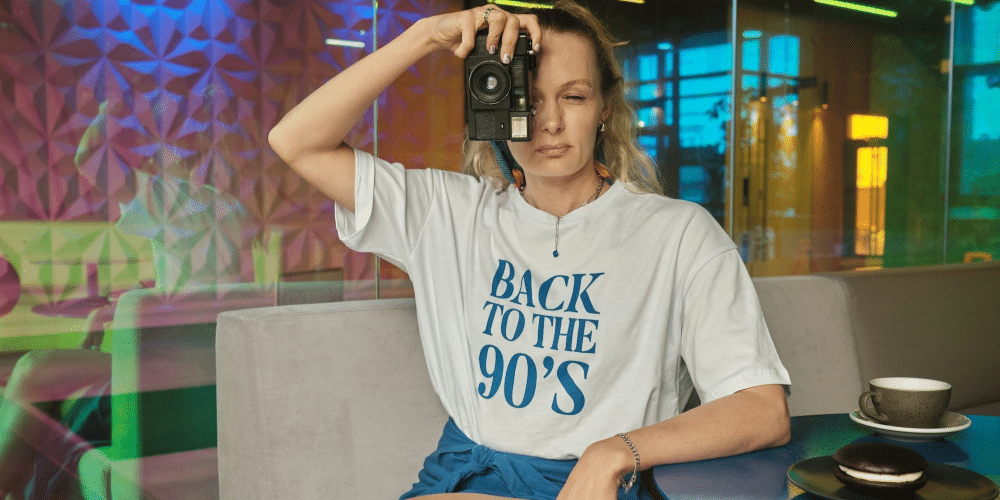
The Resurgence of Film Cameras: Why They’re Making a Comeback

In an era dominated by digital technology and smartphones with high-quality cameras, it may come as a surprise that film cameras are experiencing a resurgence in popularity. Yet, more and more people, both amateur photographers and professionals alike, are rediscovering the joy and artistry of shooting with film. In this article, we’ll explore the reasons behind the resurgence of film cameras, the appeal they hold for modern photographers, and why they continue to captivate audiences in an increasingly digital world.

What are Film Cameras?

Before we delve into why film cameras are making a comeback, let’s first define what they are. Film cameras are traditional cameras that use photographic film to capture images. Unlike digital cameras, which record images electronically onto a digital sensor, film cameras expose light-sensitive film to create a physical negative or positive image.

Film cameras come in various formats, including 35mm, medium format, and large format, each offering different characteristics and aesthetic qualities. While digital cameras have largely supplanted film cameras in recent years, there remains a dedicated community of photographers who swear by the unique look and feel of film.

The Appeal of Film Cameras

So, what exactly is driving the renewed interest in film cameras? There are several factors at play. Firstly, there’s the tactile experience of shooting with film. Unlike digital cameras, which rely on screens and menus for control and feedback, film cameras require manual operation, forcing photographers to slow down and think more deliberately about their shots.

This hands-on approach to photography can be incredibly rewarding, allowing photographers to feel more connected to the creative process and resulting in more intentional and considered compositions. Additionally, the physicality of film—loading, winding, and developing—adds an element of anticipation and excitement to the process, with photographers eagerly awaiting the results of their efforts.

The Aesthetic Appeal

Another key factor driving the resurgence of film cameras is the unique aesthetic they offer. Film has a distinct look and feel that is difficult to replicate with digital technology. From the rich colors and tonal range of color film to the timeless beauty of black and white, film images have a depth and character that many photographers find appealing.

Film also has a unique grain structure that adds texture and dimension to images, giving them a sense of warmth and nostalgia that is difficult to achieve with digital processing alone. This aesthetic appeal has led many photographers to embrace film as a creative tool, using it to capture the world in a way that is both timeless and evocative.

Embracing Imperfection

One of the defining characteristics of film photography is its imperfections. Unlike digital images, which can be endlessly edited and manipulated in post-production, film images are captured directly onto the emulsion, with little room for correction or enhancement.

While this lack of control may seem daunting to some photographers, others embrace it as part of the charm and allure of film. The unpredictability of film—its quirks, flaws, and happy accidents—adds an element of serendipity to the creative process, resulting in images that feel more authentic and spontaneous.

Nostalgia and Sentimentality

Nostalgia also plays a significant role in the resurgence of film cameras. For many photographers, shooting with film is a way of reconnecting with the past, evoking memories of simpler times when photography was a slower, more deliberate process.

Whether it’s the thrill of using a vintage camera passed down through generations or the satisfaction of developing film in a darkroom, shooting with film can evoke a sense of nostalgia and sentimentality that is difficult to replicate with digital technology. This emotional connection to the past is a powerful motivator for many photographers, driving them to explore the art of film photography and keep its traditions alive.

A Staple in Photography

In conclusion, the resurgence of film cameras can be attributed to a combination of factors, including the tactile experience they offer, their unique aesthetic appeal, and the embrace of imperfection as part of the creative process. Additionally, nostalgia and sentimentality play a significant role in driving interest in film photography, with many photographers drawn to its timeless charm and authenticity.

While digital technology continues to dominate the photography landscape, film cameras remain a beloved and enduring medium for photographers of all skill levels. Whether it’s the thrill of shooting with a vintage camera, the allure of capturing images on physical film, or the satisfaction of creating images with a timeless quality, film photography continues to captivate audiences and inspire photographers around the world.


Subtle Sells: The Art of Effective Brand Placement in Films

Ever notice a character conspicuously sipping a specific brand of coffee, or a car chase inexplicably featuring a particular automobile make? That, my friends, is the power of brand placement in action. It’s the subtle (or sometimes not-so-subtle) integration of brands and products into films, a marketing strategy that’s been around for decades but continues to evolve with the changing media landscape.

But is brand placement just a blatant product plug, or can it be a win-win for both filmmakers and brands? Let’s explore the ways brand placement can be effective, creating a seamless and mutually beneficial experience for viewers and advertisers alike.

Beyond the Billboard: Storytelling Through Brands

The most effective brand placement goes beyond simply slapping a logo on screen. It involves a strategic integration of the brand into the film’s narrative. Think of the iconic scene in “E.T. the Extra-Terrestrial” where the lovable alien uses Reese’s Pieces to lure Elliot out of his hiding spot. This brand placement wasn’t just a random product placement – it became an integral part of the story, leaving a lasting impression on viewers.

A study by the Nielsen Company found that brand placement can be particularly effective when it aligns with the film’s genre and target audience. For instance, a spy thriller might feature a specific brand of luxury watch, while a coming-of-age story might showcase a popular clothing line. This synergy creates a sense of authenticity and allows the brand to connect with a relevant demographic.

Brand placement can also be used to subtly develop a character’s personality. The gadgets a tech-savvy character uses, the clothes a fashion-conscious individual wears, or even the car a villain drives – these seemingly innocuous details can all contribute to building a character’s image and backstory.

The Power of Co-Creation: Collaboration for Success

Effective brand placement is a two-way street. The most successful collaborations involve close communication between filmmakers and brands. Filmmakers understand the brand’s message and target audience, while brands provide creative freedom and ensure the product integration feels organic within the story.

Think of the recent partnership between Omega and the James Bond franchise. Omega watches have been a staple of the Bond films for decades, becoming synonymous with the suave and sophisticated persona of the character. This long-standing brand placement is a testament to the successful collaboration between the filmmakers and the brand.

Brand placement can also be a valuable tool for filmmakers. It can provide financial resources to support production costs, allowing them to create more visually stunning or ambitious films. In return, brands gain valuable exposure and association with a popular film and its audience.

The Line Between Subtlety and Sleaze: Striking the Right Balance

Brand placement can backfire if it becomes too blatant or intrusive. Viewers can easily detect and dismiss product endorsements that feel forced or irrelevant to the story. The key is to strike a balance between brand visibility and narrative integrity.

Brand placement should never overshadow the plot or character development. It should be a seamless addition to the film’s universe, enhancing the story rather than distracting from it. A recent example of brand placement gone wrong involved a film where a character awkwardly pauses mid-conversation to take a bite of a specific brand of pizza, a scene that felt entirely out of place and drew criticism from viewers.

Brand placement can be a powerful marketing tool when done right. By strategically integrating brands into the film’s narrative, collaborating with filmmakers, and striking the right balance between brand placement and storytelling, filmmakers and brands can create a mutually beneficial experience that resonates with viewers. So, the next time you spot a familiar brand in a movie, consider the creative strategy behind it and whether it enhances or detracts from your viewing experience.

The Impact of Literature Adaptations on Hollywood Movies

In the world of filmmaking, literature adaptations have long been a staple of Hollywood’s repertoire. From classic novels to contemporary bestsellers, filmmakers have drawn inspiration from literature to create some of the most iconic and beloved movies of all time. In this article, we’ll explore how literature adaptations boost Hollywood and why they continue to be a popular and successful genre.

Tapping into Established Fan Bases

One of the biggest advantages of literature adaptations for Hollywood is their ability to tap into established fan bases. When a popular book is adapted into a movie, it brings with it a built-in audience of devoted readers who are eager to see their favorite characters and stories come to life on the big screen. This pre-existing fan base can help generate buzz and anticipation for the movie, leading to higher box office returns and increased visibility for the film.

Access to Compelling Stories and Characters

Literature adaptations also provide filmmakers with access to a wealth of compelling stories and characters that have already been proven to resonate with audiences. Whether it’s the epic adventures of a fantasy novel, the gripping suspense of a mystery thriller, or the heartfelt drama of a literary classic, books offer a rich and diverse source of material for filmmakers to draw upon. By adapting well-written and engaging stories, filmmakers can leverage the emotional depth and complexity of literature to create movies that captivate and inspire audiences.

Adding Visual Spectacle and Cinematic Appeal

While literature provides the foundation for adaptations, filmmakers also have the opportunity to enhance the source material with visual spectacle and cinematic appeal. Through the use of cutting-edge special effects, breathtaking cinematography, and immersive sound design, filmmakers can bring the worlds and characters of literature to life in ways that were previously unimaginable. From epic battles and dazzling special effects to breathtaking landscapes and stunning set designs, literature adaptations offer filmmakers the chance to create visually stunning and immersive cinematic experiences that transport audiences to new and exciting worlds.

Showcasing Talented Actors and Filmmakers

Literature adaptations also provide a platform for talented actors and filmmakers to showcase their skills and creativity. Many actors and directors are drawn to literature adaptations because they offer the opportunity to work on projects with rich and complex characters, compelling narratives, and thought-provoking themes. For actors, playing a beloved literary character can be a career-defining role that allows them to showcase their range and versatility as performers. For filmmakers, adapting a well-known book can be a chance to put their own unique spin on a familiar story and leave their mark on cinematic history.

Generating Awards Buzz and Critical Acclaim

Literature adaptations have a track record of generating awards buzz and critical acclaim, both for the films themselves and for the talented individuals involved in their production. Many literature adaptations have been nominated for and won prestigious awards such as the Oscars, Golden Globes, and BAFTAs, recognizing the excellence of their storytelling, acting, direction, and technical craftsmanship. By adapting acclaimed works of literature, filmmakers can elevate their projects to a higher level of artistic merit and cultural significance, earning recognition and accolades from critics, industry peers, and audiences alike.

Reviving Interest in Classic and Forgotten Works

In addition to boosting box office returns and critical acclaim, literature adaptations also have the power to revive interest in classic and forgotten works of literature. When a beloved book is adapted into a successful movie, it often leads to renewed interest in the original source material, prompting readers to revisit old favorites and discover new ones. This renewed interest can breathe new life into classic works of literature, introducing them to a new generation of readers and ensuring that their legacy endures for years to come.

The Enduring Appeal of Literature Adaptations

In conclusion, literature adaptations play a vital role in boosting Hollywood by tapping into established fan bases, providing access to compelling stories and characters, adding visual spectacle and cinematic appeal, showcasing talented actors and filmmakers, generating awards buzz and critical acclaim, and reviving interest in classic and forgotten works of literature. By drawing inspiration from the rich and diverse world of literature, filmmakers can create movies that entertain, inspire, and resonate with audiences around the world. As long as there are great books to adapt and talented filmmakers to bring them to life, literature adaptations will continue to be a cornerstone of Hollywood’s success.

Importance of Celebrities Interacting with Fans: Building Connections in the Digital Age

In today’s digital age, celebrities are more accessible to their fans than ever before. With social media platforms like Instagram, Twitter, and TikTok providing direct channels of communication, celebrities have the opportunity to engage with their fans on a personal level and build meaningful connections. But why is it important for celebrities to interact with their fans? Let’s explore the significance of this interaction and why it matters in the world of entertainment.

Celebrities are more than just entertainers – they’re influencers, role models, and cultural icons who have a profound impact on society. Whether they’re actors, musicians, athletes, or social media personalities, celebrities often have millions of followers who look up to them and admire their talent, style, and charisma. By interacting with their fans, celebrities can strengthen these connections and create a sense of loyalty and devotion that extends beyond their work.

Building a Strong Fan Base

One of the primary reasons why it’s important for celebrities to interact with their fans is to build a strong and dedicated fan base. Fans are the lifeblood of any celebrity’s career, and cultivating a loyal following can have a significant impact on their success and longevity in the industry. By engaging with fans on social media, celebrities can show their appreciation for their support, foster a sense of community among their followers, and create a dedicated fan base that will support them throughout their career.

Humanizing the Celebrity Persona

In addition to building a strong fan base, interacting with fans also helps to humanize the celebrity persona and make them more relatable to their audience. Oftentimes, celebrities can seem distant and unattainable, existing only on the big screen or stage. However, by sharing glimpses of their personal lives, thoughts, and experiences on social media, celebrities can break down these barriers and connect with fans on a more personal level. This humanization can foster a deeper emotional connection with fans and make them feel more invested in the celebrity’s success.

Providing Authenticity and Transparency

In an era of curated social media feeds and carefully crafted images, authenticity and transparency are more important than ever. By interacting with fans in real-time on social media, celebrities can show their authentic selves and provide a behind-the-scenes look at their lives. Whether it’s sharing candid photos, responding to fan comments, or participating in live Q&A sessions, celebrities can demonstrate their genuine personality and values, building trust and credibility with their audience in the process.

Fostering Positive Relationships

Interacting with fans also allows celebrities to foster positive relationships and address any concerns or issues that may arise. By responding to fan feedback and addressing questions or criticisms in a respectful and thoughtful manner, celebrities can demonstrate that they value their fans’ opinions and are committed to providing the best possible experience for them. This open and transparent communication can help to prevent misunderstandings and build trust between celebrities and their fans, creating a supportive and inclusive community.

In conclusion, interacting with fans is essential for celebrities in today’s digital age. Not only does it help to build a strong and dedicated fan base, but it also humanizes the celebrity persona, provides authenticity and transparency, and fosters positive relationships with fans. By engaging with their audience on social media and other platforms, celebrities can create meaningful connections that extend beyond their work and have a lasting impact on their careers and personal lives. So the next time you see your favorite celebrity responding to fan comments or sharing glimpses of their life online, remember that it’s not just about fame – it’s about building genuine connections with the people who support them.

The Significance of Scout Location for Productions: A Comprehensive Guide

When it comes to creating films, TV shows, commercials, and other productions, choosing the right location is crucial. The scout location process involves searching for and selecting the perfect settings to bring a script to life. While it may seem like a straightforward task, scout location plays a vital role in the success and overall quality of a production. Let’s explore why scout location is so important and how it can make or break a project.

Setting the Scene

The location serves as the backdrop for the story, setting the tone, atmosphere, and mood of the production. Whether it’s a bustling city street, a serene countryside, or an otherworldly landscape, the scout location sets the stage for the narrative to unfold. The right location can transport audiences to different places and time periods, immersing them in the story and enhancing their viewing experience.

Enhancing Authenticity and Realism

Authenticity is key to creating a believable and immersive production. Scout location allows filmmakers to find real-world settings that accurately reflect the story’s time period, culture, and environment. By shooting on location, filmmakers can capture the unique textures, colors, and nuances of a place, adding depth and authenticity to the production. Whether it’s a historical drama set in a period-specific location or a contemporary story set in a recognizable city, scout location helps bring the story to life with realism and authenticity.

Adding Production Value

The right location can add significant production value to a project, elevating its visual appeal and cinematic quality. Spectacular natural landscapes, iconic landmarks, and architecturally stunning buildings can enhance the aesthetic appeal of a production, creating memorable and visually striking scenes. Moreover, shooting on location often requires fewer set decorations and visual effects, reducing production costs and increasing efficiency.

Capturing Unique Perspectives

Every location has its own unique character, charm, and personality. Scout location allows filmmakers to discover hidden gems and overlooked treasures that can add depth and dimension to their productions. From quaint small towns to gritty urban alleyways, each location offers its own visual and thematic possibilities, allowing filmmakers to explore different perspectives and storytelling opportunities.

Accessing Resources and Infrastructure

Scout location also involves assessing practical considerations such as accessibility, infrastructure, and logistics. Filmmakers need to ensure that chosen locations have the necessary facilities, amenities, and support services to accommodate cast and crew. Additionally, considerations such as parking, permits, and local regulations must be taken into account to ensure a smooth and hassle-free production process.

Establishing Emotional Connections

The scout location process is not just about finding a pretty backdrop—it’s about establishing emotional connections with the audience. The right location can evoke feelings of nostalgia, nostalgia, excitement, or intrigue, resonating with viewers on a deeper level. Whether it’s a familiar hometown setting or an exotic destination, scout location helps create an emotional connection between the audience and the story, making it more relatable and engaging.

Reflecting Cultural Diversity

Scout location also plays a crucial role in reflecting cultural diversity and promoting inclusivity in productions. By showcasing a diverse range of locations, filmmakers can celebrate different cultures, traditions, and perspectives, enriching the storytelling experience and fostering greater understanding and empathy among audiences. Moreover, scout location provides opportunities for local communities to participate in and contribute to the production process, promoting economic development and cultural exchange.

Scout Location Pushes Production Forward

In conclusion, scout location is a vital aspect of production planning that can significantly impact the success and quality of a project. From setting the scene and enhancing authenticity to adding production value and capturing unique perspectives, the right location can elevate a production to new heights. By carefully selecting locations that align with the story’s vision and objectives, filmmakers can create compelling and memorable productions that resonate with audiences long after the credits roll.

Mirror, Mirror on the Wall: How Filmmakers and Photographers Vanish Reflections

Mirrors add depth and dimension to a scene, but for filmmakers and photographers, they can also pose a major challenge: pesky reflections of the camera and crew.  So, how do these creative minds capture stunning mirror shots without unwanted intrusions? Buckle up, shutterbugs and cinephiles, as we delve into the bag of tricks used to achieve reflection-free mirror magic!

Strategic Positioning:  The Art of the “Off-Camera” Angle

The simplest solution is often the best.  By carefully positioning the camera at an angle that doesn’t directly reflect itself in the mirror, filmmakers and photographers can achieve a clean shot.  This might involve moving the camera slightly to the side or tilting it upwards to avoid capturing the crew or equipment.  Sometimes, a creative use of foreground elements like furniture or props can be strategically placed to subtly block the camera’s reflection.

The Disappearing Act:  Cloaking the Crew in Black

Ever wondered why some film crews wear black?  It’s not just a fashion statement!  Dark clothing minimizes their reflection in the mirror.  By blending into the background, the crew becomes less noticeable in the shot.  This strategy is particularly effective in low-light situations where reflections are less pronounced.

The Green Screen Shuffle:  A Digital Fix for a Flawless Reflection

Sometimes, the perfect shot demands a head-on approach to the mirror.  This is where green screens come in handy.  By replacing the green screen with a digitally generated image in post-production, filmmakers can create a flawless reflection that showcases exactly what they want the audience to see.   This technique allows for complete creative control,  whether it’s placing the actors in a different environment entirely or adding special effects to the reflection.

The One-Way Mirror Misdirection:  A Window of Opportunity

One-way mirrors, also known as two-way mirrors, offer a unique solution.  These specialized mirrors allow light and vision to pass through in one direction while remaining opaque from the other side.  By strategically placing the camera and crew behind the one-way mirror, filmmakers can capture a clear reflection of the scene in front of it,  effectively hiding themselves from view.

The Invisible Crew Trick:  Low-Profile Equipment to the Rescue

Sometimes, the key to achieving a reflection-free shot lies in minimizing the size and profile of the camera and filming equipment.  Compact cameras and strategically placed lighting rigs can significantly reduce the camera’s footprint in the reflection.  Additionally, utilizing remote controls or tethered shooting allows the photographer or videographer to operate the camera from a distance, further minimizing their presence in the shot.

The Body Double Bait and Switch:  A Clever Stand-In

For particularly challenging mirror shots, filmmakers might employ a body double.  This stand-in, positioned strategically out of frame, mimics the actor’s movements, creating a believable reflection in the mirror.  The actual actor is then filmed separately, and the two shots are seamlessly merged in post-production, resulting in a flawless reflection without any unwanted crew members.

The Practical Effects Powerhouse:  Props and Set Design to the Rescue

Crafty set designers and prop masters can play a crucial role in achieving reflection-free shots.  For instance, a strategically placed fake windowpane can be positioned behind the mirror, creating the illusion of a view beyond.   Alternatively, a non-reflective surface, cleverly disguised as a mirror, can be used to film the scene.  These practical effects solutions offer creative workarounds that maintain the illusion of a real mirror while eliminating unwanted reflections.

Embracing the Reflection:  Turning a Challenge into an Opportunity

Sometimes, the reflection itself becomes a storytelling element.  A skilled filmmaker can use the reflection to subtly foreshadow future events, hint at hidden emotions, or even introduce another character lurking in the background.  This creative approach transforms the reflection from a problem to a powerful storytelling tool.

Beyond the Mirror’s Surface

Achieving reflection-free mirror shots requires a combination of planning, creative problem-solving, and a dash of movie magic.  By using a combination of these techniques, filmmakers and photographers can capture stunning visuals that transport the audience into the heart of the scene, all without revealing the secrets hidden behind the looking glass.  So, the next time you see a captivating mirror shot in a film or photograph, remember the ingenuity and artistry that goes into making the impossible seem effortless.

Finding the Best Roles: The Role of Agents in the Acting Industry

Acting is a competitive and challenging profession, with actors vying for coveted roles in film, television, theater, and other forms of media. In this highly competitive landscape, having the right agent can make all the difference in securing the best roles and advancing your acting career. In this article, we’ll explore the role of agents in the acting industry and how they can help actors find the best roles to further their careers.

What Do Agents Do?

Agents are professionals who represent actors and help them secure employment opportunities in the entertainment industry. Acting agents work on behalf of their clients to negotiate contracts, secure auditions, and find suitable roles that align with their talents, goals, and career aspirations. Agents act as intermediaries between actors and casting directors, producers, and other industry professionals, advocating for their clients and promoting their interests.

Building Relationships with Casting Directors

One of the most important roles of an agent is building and maintaining relationships with casting directors and industry professionals. Agents have extensive networks and connections within the entertainment industry, allowing them to submit their clients for roles and auditions that are not publicly available. By cultivating relationships with casting directors and keeping abreast of upcoming projects and casting opportunities, agents can help actors access exclusive auditions and increase their chances of landing roles.

Submitting Actors for Auditions

Agents play a crucial role in submitting actors for auditions and casting calls for various projects, including films, television shows, commercials, and theater productions. Agents review casting breakdowns and select suitable roles for their clients based on their skills, experience, and casting type. They then submit actors’ headshots, resumes, and demo reels to casting directors for consideration, pitching their clients as ideal candidates for the role. Agents may also provide additional information or recommendations to casting directors to highlight their clients’ strengths and qualifications.

Negotiating Contracts and Deals

Once an actor has been offered a role, agents step in to negotiate contracts and deals on their behalf. Acting agents have a deep understanding of industry standards, contract terms, and negotiation strategies, allowing them to secure the best possible terms and compensation for their clients. Agents negotiate factors such as salary, billing, residuals, and other contractual terms to ensure that their clients are fairly compensated and protected throughout the duration of the project.

Providing Career Guidance and Support

In addition to securing employment opportunities, agents provide actors with career guidance, advice, and support to help them navigate the complexities of the entertainment industry. Agents offer valuable insights into industry trends, casting preferences, and career development strategies, helping actors make informed decisions about their careers. Agents also provide emotional support and encouragement, especially during periods of rejection or uncertainty, and help actors stay motivated and focused on their goals.

Managing Publicity and Branding

Agents play a key role in managing their clients’ public image and branding, helping them cultivate a strong and distinctive identity within the industry. Acting agents work closely with publicists, marketing professionals, and other industry experts to develop strategic publicity campaigns and promotional opportunities for their clients. They coordinate media appearances, interviews, photo shoots, and other promotional activities to raise their clients’ profiles and enhance their visibility in the industry.

Finding the Right Agent

For actors seeking representation, finding the right agent is essential to their success in the industry. When looking for an agent, actors should research reputable agencies with a track record of success and a roster of clients working in their desired market and genre. It’s important for actors to meet with potential agents to discuss their goals, expectations, and compatibility to ensure a good fit. Actors should also ask for references and speak with current clients to gauge the agent’s reputation and professionalism.

Careers on the Line

In conclusion, agents play a crucial role in the acting industry, helping actors secure the best roles and advance their careers. From building relationships with casting directors to negotiating contracts and providing career guidance, agents provide invaluable support and representation to actors throughout their careers. Finding the right agent can be a game-changer for actors looking to break into the industry or take their careers to the next level. With the help of a skilled and dedicated agent, actors can navigate the competitive landscape of the entertainment industry with confidence and success.

Honoring Musical Icons: Paying Tributes to Legendary Musicians

Music has the power to transcend time and space, touching the hearts and souls of people around the world. Throughout history, there have been countless musicians whose contributions have shaped the landscape of music and left an indelible mark on generations to come. From rock and roll pioneers to pop sensations, these legendary musicians have inspired millions with their talent, creativity, and passion for music. In this article, we’ll explore the importance of paying tributes to legendary musicians and how it helps preserve their legacy for future generations to appreciate and enjoy.

Celebrating Musical Legacy

Paying tributes to legendary musicians is a way of celebrating their enduring legacy and contributions to the world of music. Whether it’s through concerts, commemorative events, or special performances, honoring these iconic figures allows fans to come together and celebrate their music, influence, and impact on popular culture. By commemorating their achievements, we ensure that their legacy lives on for years to come, inspiring future generations of musicians and music lovers alike.

Preserving Cultural Heritage

Legendary musicians are not just artists; they are cultural icons whose music reflects the times in which they lived and the experiences they endured. Paying tributes to these musical legends helps preserve our cultural heritage and ensures that their stories and contributions are not forgotten. From the protest songs of the civil rights era to the anthems of social change, music has always played a vital role in shaping our collective consciousness and reflecting the diversity and richness of human experience.

Inspiring Future Generations

By paying tributes to legendary musicians, we inspire future generations of artists to follow in their footsteps and continue pushing the boundaries of creativity and innovation. The music of iconic figures such as Elvis Presley, The Beatles, Michael Jackson, and Bob Dylan has inspired countless musicians across genres and generations, encouraging them to pursue their dreams and make their mark on the world. By celebrating the achievements of these musical pioneers, we inspire others to believe in themselves and strive for greatness in their own endeavors.

Fostering Community and Connection

Music has a unique ability to bring people together and foster a sense of community and connection. Paying tributes to legendary musicians provides an opportunity for fans to come together and share their love of music with like-minded individuals. Whether it’s attending a tribute concert, participating in a commemorative event, or simply listening to their favorite songs, fans can connect with others who share their appreciation for the music and legacy of these iconic artists. These shared experiences strengthen bonds and create lasting memories that bring people together across cultures, generations, and backgrounds.

Honoring Artistic Excellence

Legendary musicians are revered not only for their commercial success but also for their artistic excellence and innovation. Paying tributes to these musical icons is a way of honoring their contributions to the art form and recognizing their achievements in elevating music to new heights. From groundbreaking albums and timeless melodies to groundbreaking performances and revolutionary techniques, these artists have pushed the boundaries of what is possible in music and inspired countless others to do the same.

Acknowledging Cultural Influence

Music has a profound influence on popular culture, shaping fashion, language, and social trends in profound ways. Legendary musicians often serve as cultural touchstones whose impact extends far beyond the realm of music. Paying tributes to these iconic figures acknowledges their cultural influence and highlights the enduring relevance of their music in today’s society. Whether it’s through film, television, literature, or art, the legacy of these musical icons continues to shape and influence the cultural landscape in meaningful ways.

Tributes Continue the Legacies

Paying tributes to legendary musicians is essential for celebrating their enduring legacy, preserving our cultural heritage, inspiring future generations, fostering community and connection, honoring artistic excellence, and acknowledging cultural influence. From Elvis Presley and The Beatles to Michael Jackson and Bob Dylan, these iconic figures have left an indelible mark on the world of music and popular culture. By commemorating their achievements and celebrating their music, we ensure that their legacy lives on for generations to come, inspiring and influencing countless artists and music lovers around the world.

From Fumbled Lines to Flawless Takes: Why Rehearsals Rule in Filmmaking

Imagine this: a film crew, all prepped and ready to shoot a pivotal scene. The director yells “Action!”, the actors launch into their lines… only for things to fall flat. A forgotten prop, a misplaced emotional beat, a confusing line reading – suddenly, the magic of cinema feels more like a frustrating mess. This, my friends, is why rehearsals are the unsung heroes of filmmaking. 

They might not get the red carpet treatment, but their role in crafting a cohesive and captivating film is undeniable. Let’s delve into the world of on-set rehearsals and explore why dedicating time to them is the secret sauce for a smooth and successful shoot.

Building a Cohesive Machine: Blocking the Scene and Finding the Rhythm

A successful on-set rehearsal isn’t just about actors memorizing lines. It’s about building a well-oiled machine where every department – actors, directors, camera crew, sound technicians – works in perfect harmony. This starts with “blocking the scene,” a process where the director, actors, and camera crew map out the physical movements and camera angles for each shot. Imagine a scene in a tense hostage negotiation. Through rehearsals, the director would work with the actors to determine where they stand, how they move, and how their movements interact with the environment. This collaborative process ensures everyone is on the same page when it comes to shot composition and the emotional flow of the scene.

Rehearsals also allow actors to find the rhythm of the scene. They can experiment with different deliveries, explore the emotional nuances of their characters, and ensure their on-screen chemistry feels natural. Think about a scene with a budding romance between two characters. Through rehearsals, the actors can work on the subtle touches – a lingering glance, a hesitant touch – that build the emotional tension and make the audience believe in their connection.

This collaborative exploration during rehearsals not only leads to stronger performances but also fosters creativity. Actors might suggest different blocking choices or unexpected line deliveries that elevate the scene. The director, in turn, can use this feedback to refine the vision and make adjustments before the pressure of capturing the “perfect take” sets in.

Efficiency is King (and Queen): Saving Time and Money with Rehearsals

Let’s face it, filmmaking is expensive. Time spent on a set translates directly to burning through budget. Rehearsals, while taking up pre-production time, become a budget-saving measure in the long run. A well-rehearsed scene means fewer takes needed on set. Actors know their lines and their blocking, the crew is familiar with the camera movements, and unexpected issues are less likely to arise. This translates to shorter shooting days, lower costs, and a happier crew (who wouldn’t want to wrap up earlier, right?).

Rehearsals also help avoid costly reshoots. Imagine a scene with a complex emotional arc that falls flat on film. Without proper rehearsal, the director might not realize this until after the expensive post-production process has begun, necessitating a costly reshoot. Proper rehearsals allow the director to identify and address any potential issues before filming even begins, saving time, money, and a whole lot of stress.

The Final Cut: A Sharper, More Nuanced Film

The magic of film lies in capturing those fleeting moments of authenticity, those nuanced performances that resonate with audiences. Rehearsals are the key to unlocking this magic. They provide a safe space for exploration, allowing actors to hone their craft and build the emotional depth that elevates a scene from good to great.

Think about a scene with a heart-wrenching monologue. Through rehearsals, the actor can explore the emotional layers of the character, ensuring the delivery feels raw and believable. This dedication to the craft during rehearsals translates to a more powerful and impactful on-screen performance, the kind that leaves audiences moved and lingers long after the credits roll.

In conclusion, rehearsals may seem like a tedious pre-production hurdle, but their importance cannot be overstated. They are the bridge between script and screen, the foundation for a smooth shoot, and the secret weapon for crafting a captivating film. So, the next time you’re watching a movie and find yourself completely engrossed, remember the unseen heroes behind the scenes – the dedicated cast and crew who honed their craft through the power of rehearsal.

Knead Out the Stress: Why an Occasional Massage is a Lifesaver

We all know the feeling. Your shoulders are like boulders, your neck feels permanently fused at a 45-degree angle, and your back resembles a roadmap of tension. Enter the glorious world of massage! But beyond the immediate “ahhhh” factor, are there real benefits to those occasional knead sessions? You bet there are!

Beyond Relaxation: The Science Behind the Squeeze

Massages aren’t just about feeling pampered (although, let’s be honest, that’s a pretty awesome perk). Here’s a peek at the science behind why that deep tissue work might be doing wonders for your body and mind.

Massages can improve circulation, which brings fresh oxygen and nutrients to your tired muscles. This can lead to reduced muscle tension, soreness, and even improve your flexibility. Ever wonder why a massage feels so good after a tough workout? It’s because massage can help reduce the buildup of lactic acid, a major contributor to post-exercise soreness.

Feeling overwhelmed? A massage might be the answer. Massage therapy can help lower stress hormones like cortisol, leaving you feeling calmer and more relaxed. Trouble catching those Zzz’s? Studies suggest that regular massages can improve sleep quality, helping you drift off to dreamland faster and sleep more soundly.

If you’re prone to tension headaches, massage therapy can be a lifesaver. By reducing muscle tension in the neck and shoulders, massages can help alleviate headaches and even prevent them from occurring in the first place.

More Than Just Muscles: A Holistic Approach to Wellness

The benefits of massage extend beyond the physical. Here are some additional ways a massage can leave you feeling fantastic.

Some studies suggest that massage therapy can help strengthen your immune system, making you less susceptible to getting sick. Feeling grumpy? A massage can help! By promoting relaxation and reducing stress hormones, massage therapy can leave you feeling happier and more positive.

High blood pressure? Massage therapy might be a natural way to help manage it. Studies have shown that regular massages can lead to a decrease in blood pressure. A massage therapist can help you identify areas of tension you might not even be aware of. This newfound body awareness can be a powerful tool for improving your posture and overall well-being.

Finding Your Perfect Pressure: Different Massage Styles

The world of massage is vast, offering something for everyone. Here’s a quick guide to some popular styles:

Swedish massage is a classic, relaxing massage that focuses on smoothing out muscle tension and promoting relaxation. Deep tissue massage is for those seeking a more intense experience. It targets deeper muscle layers to release chronic tension knots.

Athletes can benefit from sports massage, which focuses on improving flexibility, reducing muscle soreness, and preventing injuries. Trigger point therapy is a targeted massage technique that focuses on specific pressure points to relieve pain and improve range of motion.

Making Massage a Part of Your Wellness Routine

So, how often should you indulge in a massage? While weekly sessions are amazing, even a monthly massage can make a big difference. Think of it as an investment in your overall health and well-being.

Remember, communication is key! Let your massage therapist know about any injuries or specific areas you’d like them to focus on. And don’t be afraid to speak up if the pressure is too much or too little.

The next time you’re feeling stressed, tense, or simply in need of some pampering, consider booking a massage. You might just be surprised at how much that knead session can improve your mind, body, and soul. After all, self-care isn’t selfish – it’s essential!