Deciphering the Elements of a Captivating Fashion Magazine Photo

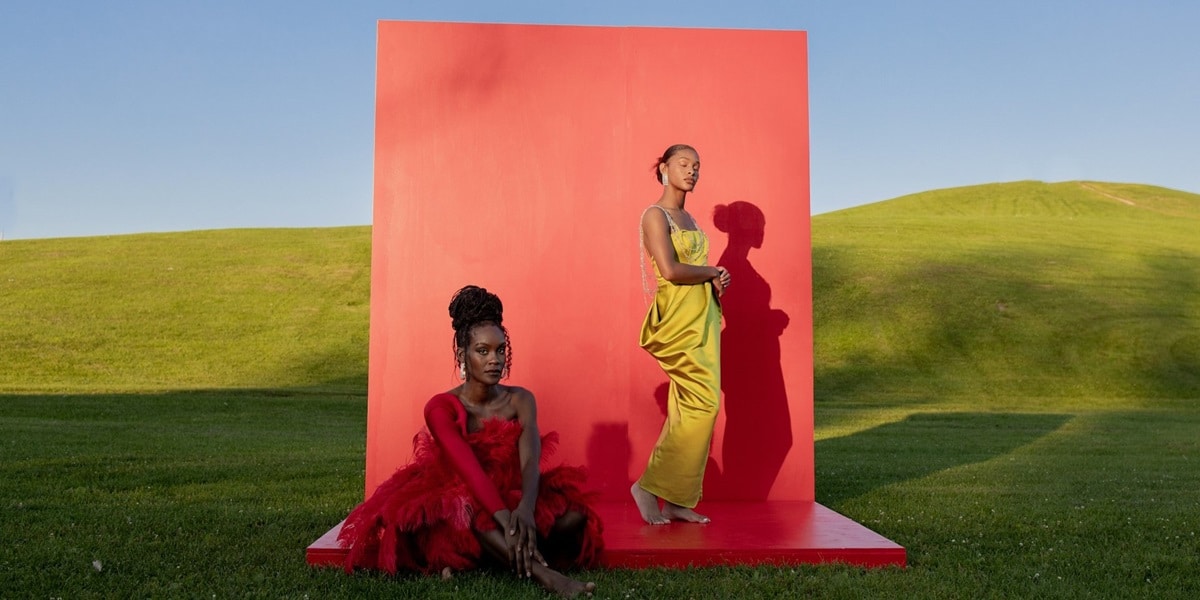
Fashion magazines are renowned for their visually stunning photography, featuring models adorned in the latest trends against glamorous backdrops. However, what constitutes a good photo for clients in fashion magazines extends beyond aesthetics alone. It involves a combination of factors that evoke emotion, tell a story, and captivate the audience. In this article, we delve into the intricacies of what makes a photo stand out in the competitive world of fashion magazines.

Capturing the Essence of the Brand

A crucial aspect of creating a compelling fashion magazine photo is capturing the essence of the brand. Each fashion brand has its unique style, aesthetic, and identity, which should be reflected in the photography. Whether it’s the edgy and avant-garde vibe of a high-fashion label or the relaxed and carefree feel of a lifestyle brand, the photo should align with the brand’s image and resonate with its target audience.

Photographers must collaborate closely with clients to understand their brand ethos, target demographic, and marketing objectives. By immersing themselves in the brand’s universe and vision, photographers can create photos that not only showcase the latest collections but also embody the brand’s values and aspirations.

Emphasizing Composition and Framing

Composition and framing play a pivotal role in creating visually striking fashion magazine photos. The arrangement of elements within the frame, such as the model, props, and background, should be carefully considered to create a balanced and aesthetically pleasing composition. The rule of thirds, leading lines, and symmetry are common compositional techniques used to draw the viewer’s eye and create visual interest.

Moreover, framing the subject in a way that highlights their best features and complements the overall theme of the photo is essential. Whether it’s a close-up portrait showcasing intricate makeup and accessories or a full-body shot capturing the flow of a couture gown, the framing should accentuate the beauty and allure of the subject.

Playing with Lighting and Mood

Lighting is a powerful tool in photography that can dramatically influence the mood and atmosphere of a fashion magazine photo. Whether it’s soft and diffused natural light or dramatic and directional artificial light, the choice of lighting sets the tone for the photo and enhances its visual impact.

Additionally, playing with light and shadow can add depth, dimension, and drama to the photo. Rim lighting, backlighting, and chiaroscuro lighting techniques can create striking contrasts and emphasize the contours and textures of the subject. By manipulating lighting, photographers can evoke different emotions and create a sense of allure and mystery in fashion magazine photos.

Incorporating Creative Concepts and Storytelling

Beyond aesthetics, fashion magazine photos should incorporate creative concepts and storytelling elements that resonate with the audience. Whether it’s a conceptual editorial spread inspired by a specific theme or a narrative-driven campaign showcasing the journey of the modern woman, the photo should tell a compelling story and evoke emotion.

Creative concepts can involve unconventional settings, imaginative props, and avant-garde styling that push the boundaries of traditional fashion photography. By infusing creativity and innovation into their work, photographers can create memorable and impactful fashion magazine photos that leave a lasting impression on readers.

Ensuring Technical Excellence and Attention to Detail

Technical excellence and attention to detail are non-negotiable aspects of producing high-quality fashion magazine photos. From precise focus and exposure to impeccable styling and grooming, every element of the photo should be meticulously executed to ensure a flawless result.

Moreover, post-production editing plays a vital role in enhancing the visual appeal of fashion magazine photos. Color grading, retouching, and digital manipulation can fine-tune the image, correct imperfections, and enhance its overall aesthetic appeal. However, it’s essential to strike a balance and maintain the integrity of the original image while enhancing its beauty and impact.

Collaborating with a Talented Team

Behind every successful fashion magazine photo is a talented team of creative professionals working together to bring the photographer’s vision to life. Makeup artists, hairstylists, fashion stylists, and set designers all play crucial roles in shaping the final outcome of the photo shoot.

Collaborating with a skilled and experienced team can elevate the quality of the photos and ensure that every aspect of the shoot is executed to perfection. By fostering a collaborative and supportive environment, photographers can inspire creativity, encourage experimentation, and achieve remarkable results that exceed the client’s expectations.

The Road Ahead

Creating a good photo for clients in fashion magazines is a multifaceted process that requires a keen understanding of brand identity, composition, lighting, storytelling, technical excellence, and collaboration. By mastering these elements and striving for excellence in every aspect of their work, photographers can create captivating fashion magazine photos that captivate audiences, inspire emotions, and leave a lasting impression.


Exploring the Art of Method Acting: Delving into its Techniques and Impact

Method acting is a renowned approach to acting that has left an indelible mark on the world of cinema and theater. Developed in the early 20th century by practitioners such as Konstantin Stanislavski, Lee Strasberg, and Stella Adler, method acting revolutionized the way actors approached their craft, emphasizing emotional authenticity, psychological realism, and immersive character exploration. In this article, we delve into the intricacies of method acting, exploring its techniques, principles, and impact on the world of performing arts.

Understanding the Fundamentals of Method Acting

At its core, method acting is based on the belief that actors should draw upon their own personal experiences and emotions to fully inhabit the characters they portray. This approach requires actors to delve deep into the psyche of their characters, exploring their motivations, desires, and inner conflicts in order to portray them with honesty and depth. Method actors often engage in extensive research and preparation, immersing themselves in the world of their characters and adopting their mannerisms, speech patterns, and physicality.

Techniques Employed by Method Actors

Method acting encompasses a variety of techniques and exercises designed to help actors tap into their emotional reservoirs and connect with their characters on a profound level. One of the most famous techniques associated with method acting is “emotional memory,” in which actors recall past experiences or emotions that parallel those of their characters. Other techniques include sense memory, in which actors use their five senses to evoke emotional responses, and improvisation, which allows actors to explore their characters in spontaneous and unscripted ways.

The Influence of Method Acting on Performance

Method acting has had a profound impact on the world of performance, influencing the way actors approach their roles and the way audiences engage with the characters they portray. By emphasizing emotional authenticity and psychological depth, method actors are able to create performances that resonate with audiences on a visceral level, eliciting empathy, understanding, and connection. The immersive and transformative nature of method acting allows actors to inhabit their characters with a sense of truth and humanity that transcends the boundaries of the stage or screen.

Criticisms and Controversies Surrounding Method Acting

While method acting has been celebrated for its groundbreaking approach to performance, it has also been met with criticism and controversy. Some critics argue that the intense emotional and psychological demands of method acting can take a toll on actors’ mental and emotional well-being, leading to issues such as burnout, substance abuse, and difficulty separating themselves from their characters. Additionally, there have been concerns raised about the potential for method acting to overshadow other styles and approaches to performance, limiting the diversity and range of acting techniques employed in the industry.

Revolutionizing Entertainment

Method acting stands as a cornerstone of the performing arts, challenging actors to delve deep into the complexities of human experience in order to breathe life into their characters. By emphasizing emotional authenticity, psychological realism, and immersive character exploration, method acting has revolutionized the way actors approach their craft and the way audiences engage with their performances. While it may be met with criticism and controversy, there is no denying the profound impact that method acting has had on the world of cinema, theater, and beyond.

Adding Depth to Films: The Magic of Layering Images

Have you ever wondered how filmmakers create those stunning visuals that seem to leap off the screen and immerse you in the story? One of the key techniques used by filmmakers to achieve this effect is layering images. By combining multiple layers of images, filmmakers can add depth and dimension to their films, creating a rich and immersive viewing experience for audiences. In this article, we’ll explore how layering images adds depth to films and enhances storytelling.

What is Layering Images?

Before we dive into how layering images adds depth to films, let’s first understand what layering images means. In filmmaking, layering images involves combining multiple visual elements, such as foreground elements, background elements, and special effects, to create a composite image. These layers are stacked on top of each other and manipulated to achieve the desired visual effect.

Layering images allows filmmakers to create visually dynamic and compelling compositions that draw the viewer’s eye and convey meaning. By carefully arranging the elements within each layer, filmmakers can lead the audience’s gaze and highlight key elements of the scene, guiding the viewer’s understanding of the story.

Creating Visual Depth

One of the primary ways that layering images adds depth to films is by creating visual depth. By placing different elements of the scene on separate layers, filmmakers can simulate the way our eyes perceive depth in the real world. For example, foreground elements may appear closer to the viewer, while background elements recede into the distance. This creates a sense of depth and dimensionality in the frame, making the scene feel more three-dimensional and immersive.

Layering images also allows filmmakers to play with perspective and scale, creating illusions of distance and space that enhance the realism of the scene. By adjusting the size and placement of objects within each layer, filmmakers can create the illusion of vast landscapes, towering skyscrapers, or intimate interior spaces, adding depth and complexity to the visual storytelling.

Enhancing Composition

Layering images also allows filmmakers to enhance the composition of their shots. By carefully arranging the elements within each layer, filmmakers can create visually dynamic and compelling compositions that draw the viewer’s eye and convey meaning. For example, placing a character in the foreground of the frame with a visually interesting background behind them can create a sense of contrast and juxtaposition, adding visual interest to the shot.

By manipulating the placement, scale, and perspective of each layer, filmmakers can create compositions that lead the viewer’s eye through the frame, emphasizing key elements of the scene and reinforcing the narrative structure. This careful attention to composition helps to create visually engaging and memorable images that resonate with audiences long after the credits roll.

Adding Visual Effects

Another benefit of layering images in films is the ability to add visual effects. Filmmakers can use layers to seamlessly integrate CGI (computer-generated imagery), green screen footage, and practical effects into live-action scenes. By compositing these elements together, filmmakers can create stunning visual effects that enhance the storytelling and immerse audiences in fantastical worlds and environments.

From epic battles and breathtaking landscapes to futuristic cityscapes and otherworldly creatures, layering images allows filmmakers to bring their wildest imaginations to life on the screen. By blending live-action footage with digital effects, filmmakers can create seamless and convincing visual illusions that transport audiences to new and exciting realms of cinematic storytelling.

Creating Atmosphere and Mood

Layering images also plays a crucial role in creating atmosphere and mood in films. By manipulating the opacity, color, and texture of each layer, filmmakers can evoke different emotions and set the tone for a scene. For example, layering images with soft, diffused lighting and muted colors can create a dreamy, ethereal atmosphere, while layering images with harsh, contrasting lighting and bold colors can create a tense, dramatic mood.

By carefully controlling the visual elements within each layer, filmmakers can evoke specific emotions and reactions from the audience, enhancing the overall impact of the scene. Whether it’s creating a sense of awe and wonder or building suspense and tension, layering images allows filmmakers to craft immersive and emotionally resonant cinematic experiences that leave a lasting impression on audiences.

Why Fitness Matters in Hollywood: A Look Behind the Scenes

In the dazzling world of Hollywood, where glitz, glamor, and fame reign supreme, one aspect that often takes center stage is fitness. From action-packed blockbusters to red carpet events, the pressure to look camera-ready is ever-present, driving celebrities to prioritize their physical health and well-being. But why exactly is fitness such a non-negotiable in Tinseltown?

The Aesthetic Appeal: Looking the Part

In an industry where appearances matter as much as talent, maintaining a fit and toned physique is often essential for landing coveted roles and staying relevant in the competitive landscape of Hollywood. Whether portraying superheroes, leading romantic leads, or gracing the covers of magazines, actors are expected to embody the idealized standards of beauty and attractiveness.

Performance Demands: Meeting Physical Challenges

Beyond mere aesthetics, fitness is also crucial for meeting the rigorous demands of certain roles, particularly in action-packed films or physically demanding projects. From intense fight scenes to elaborate stunts, actors must possess the strength, stamina, and agility to convincingly portray their characters and execute complex choreography with precision.

Career Longevity: Sustaining Success

In an industry known for its fickle nature and fleeting fame, maintaining a commitment to fitness can contribute to long-term career sustainability. By prioritizing their health and well-being, celebrities can not only prolong their careers but also continue to attract lucrative opportunities and maintain a positive public image that resonates with fans and industry insiders alike.

Setting a Positive Example: Influencing Others

As role models and influencers with vast public platforms, celebrities have the power to inspire and influence others, including their fans and followers, to prioritize their own health and fitness. By showcasing their dedication to exercise, proper nutrition, and self-care, stars can promote positive lifestyle choices and foster a culture of wellness both on and off the screen.

Mental Health Benefits: Balancing Body and Mind

In addition to physical benefits, fitness also plays a crucial role in supporting mental health and emotional well-being. The stress and pressures of Hollywood can take a toll on actors, leading to anxiety, depression, and burnout. Regular exercise not only releases endorphins, the body’s natural mood boosters, but also provides a healthy outlet for stress relief and relaxation.

Hollywood’s Fitness Culture: Trends and Practices

From personal trainers and private gyms to specialized workout routines and trendy fitness classes, Hollywood boasts a vibrant and diverse fitness culture that caters to the unique needs and preferences of its denizens. Celebrities often enlist the help of expert trainers and nutritionists to design customized fitness plans tailored to their specific goals and schedules.

The Evolution of Fitness in Hollywood: A Historical Perspective

While the emphasis on fitness in Hollywood is nothing new, the standards of beauty and athleticism have evolved over the decades to reflect changing societal norms and cultural attitudes. What was once considered the epitome of fitness in the golden age of cinema may no longer align with contemporary ideals of health and wellness.

Going Beyond the Silver Screen

In the glittering realm of Hollywood, where image is everything and perfection is the standard, fitness occupies a central role in the lives of celebrities. From enhancing physical appearance and performance to promoting mental well-being and influencing others, the importance of fitness extends far beyond the silver screen. As the entertainment industry continues to evolve, so too will the expectations and standards surrounding health, fitness, and beauty in Hollywood.

Selecting the Ideal Sound Effects Team for Projects

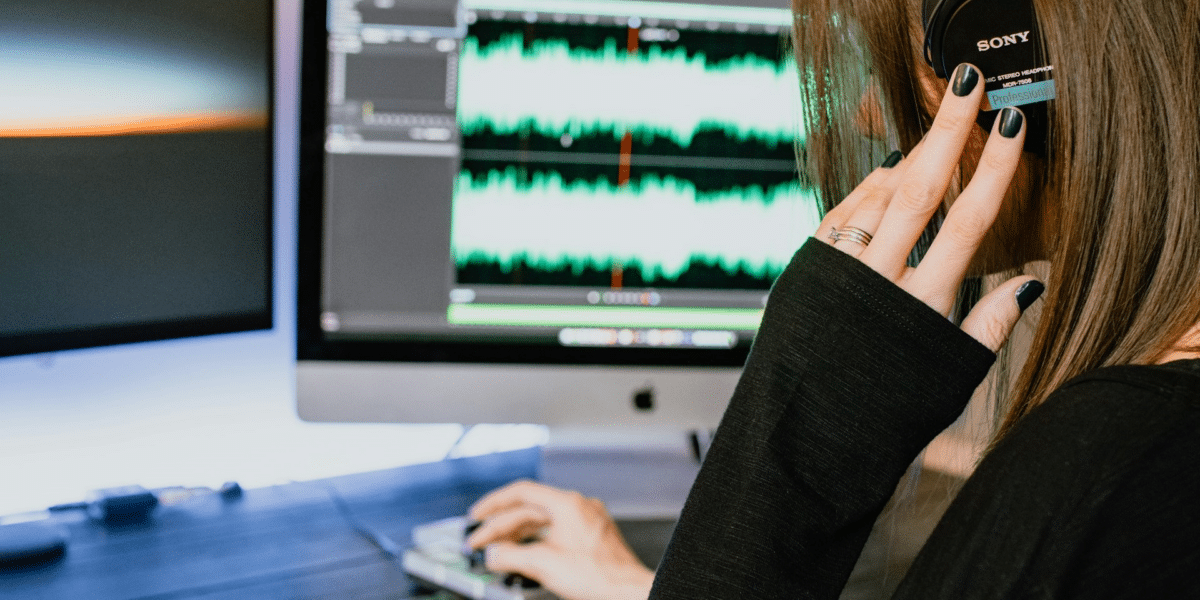
In the intricate tapestry of audiovisual storytelling, sound effects are the unsung heroes, enriching narratives and creating immersive experiences. Choosing the right sound effects team is paramount to ensuring that the auditory dimension of a project aligns seamlessly with its visual elements. This article explores the essential factors to consider when selecting a sound effects team, emphasizing the pivotal role they play in elevating the overall impact of creative endeavors.

The Power of Sonic Storytelling

In the realm of filmmaking, animation, video games, and various multimedia projects, sound effects are the silent architects of emotion and atmosphere. The subtle rustle of leaves, the thunderous roar of a waterfall, or the futuristic hum of a spacecraft—all contribute to the immersive experience that captivates audiences. Choosing the right sound effects team is akin to selecting skilled artisans who can breathe life into a project through the artful use of sound.

Technical Proficiency: Mastering the Sonic Palette

The first and foremost consideration when selecting a sound effects team is their technical proficiency. A team with a deep understanding of audio engineering, sound design principles, and the latest technologies is crucial for delivering high-quality and immersive auditory experiences.

Industry Experience: Navigating Diverse Genres

An experienced sound effects team brings a wealth of knowledge gained from working across various genres. Whether the project demands the subtlety of a romantic drama or the adrenaline-pumping intensity of an action-packed thriller, a team well-versed in diverse genres can tailor their approach to meet the unique requirements of each project.

Cutting-Edge Technology: Staying Ahead of the Curve

In the ever-evolving landscape of audio production, staying abreast of cutting-edge technologies is essential. A sound effects team equipped with the latest software, hardware, and industry trends can deliver innovative and contemporary auditory experiences that resonate with modern audiences.

Creative Collaboration: Aligning Vision and Execution

Effective communication and collaboration are the cornerstones of a successful sound effects team. A team that can seamlessly align its creative vision with the project’s overarching goals ensures that the auditory elements harmonize with the visual storytelling.

Comprehensive Briefing: Understanding Project Vision

Before embarking on the sound design journey, a proficient team seeks a comprehensive briefing. This involves understanding the project’s narrative, theme, and emotional nuances. A clear vision enables the team to tailor sound effects that resonate with the intended impact.

Collaborative Iterations: Fine-Tuning to Perfection

Collaboration is an iterative process. A sound effects team that welcomes feedback and engages in collaborative fine-tuning sessions ensures that the auditory elements evolve in harmony with the project’s overall creative direction.

Portfolio and Past Projects: A Sonic Showcase

A robust portfolio and a history of successful projects serve as a testament to the capabilities of a sound effects team. Examining past work allows project managers and creators to gauge the team’s versatility, creativity, and ability to deliver exceptional results.

Diverse Portfolio: Showcasing Range and Skill

A diverse portfolio that spans various mediums and genres demonstrates a sound effects team’s adaptability and skill. Whether it’s crafting ambient sounds for a documentary, creating futuristic effects for a sci-fi film, or designing immersive audio landscapes for virtual reality experiences, a varied portfolio showcases the team’s versatility.

Client Testimonials: Echoes of Success

Client testimonials offer valuable insights into the collaborative dynamics and the satisfaction of past collaborators. Positive feedback and endorsements from previous clients affirm the sound effects team’s ability to meet and exceed expectations.

Budget Considerations: Striking a Harmonious Balance

While artistic vision and technical proficiency are paramount, aligning the project’s budget with the cost of sound design services is a crucial aspect of the selection process.

Transparent Pricing: Avoiding Surprises

A sound effects team that provides transparent pricing structures helps project managers plan their budgets effectively. Clear communication regarding costs, potential additional expenses, and payment schedules fosters a collaborative and stress-free working relationship.

Value for Investment: Quality Over Quantity

Balancing budget considerations with the value offered by a sound effects team is essential. Investing in a team that prioritizes quality, creativity, and the project’s unique requirements often yields greater long-term benefits than opting for cost-cutting measures that compromise on excellence.

Conclusion: Orchestrating Sonic Excellence

In the grand symphony of audiovisual storytelling, the right sound effects team serves as the conductor, orchestrating a sonic masterpiece that resonates with audiences on a profound level. By carefully considering factors such as technical proficiency, creative collaboration, past projects, and budget considerations, project managers can ensure that they entrust their auditory narrative to a team capable of elevating their creative vision to new heights. As the realms of filmmaking, gaming, and multimedia continue to evolve, the partnership between creators and sound effects teams remains a dynamic and essential harmony in the pursuit of artistic excellence.

Building Your Dream Recording Studio: What to Consider

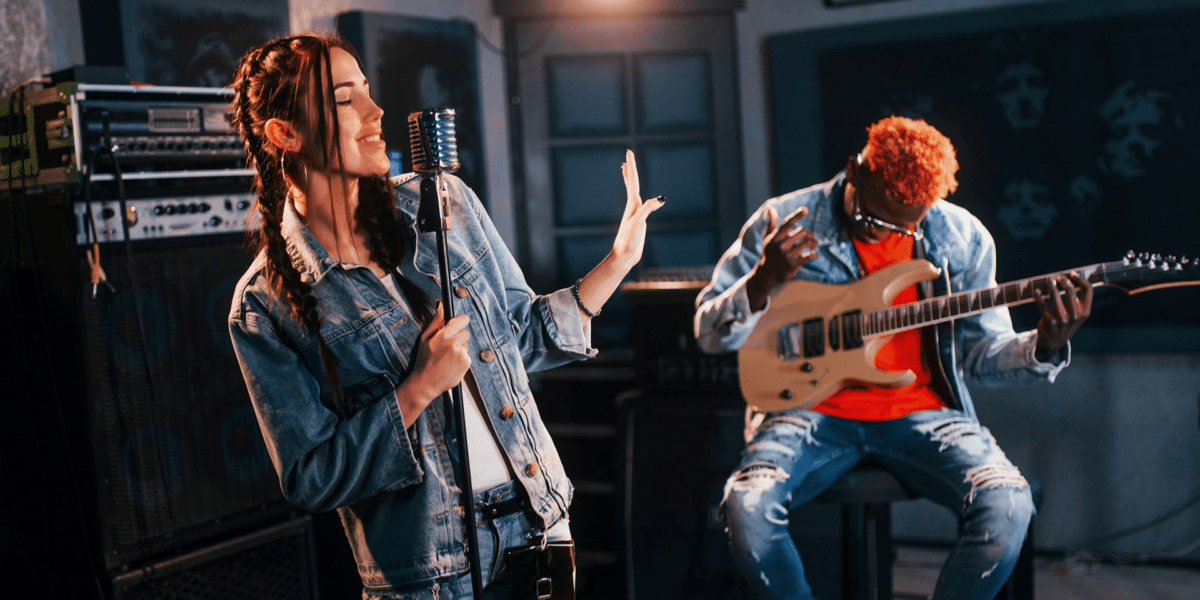
Are you an aspiring musician or a seasoned producer looking to build your own recording studio? Planning and constructing a recording studio can be an exciting yet daunting task. There are many factors to consider, from the acoustics of the space to the equipment you’ll need. In this article, we’ll explore the essential considerations to keep in mind when building a recording studio to help you bring your musical vision to life.

Location and Space

The first thing to consider when building a recording studio is the location and space. Ideally, you’ll want to choose a location that is quiet and free from outside noise, such as traffic or construction. Additionally, consider the size of the space you’ll need based on your recording needs. A larger room may be necessary for recording live bands or orchestras, while a smaller room may suffice for solo artists or vocal recordings.

When selecting the location, also consider factors like accessibility for yourself and your clients, as well as the availability of parking spaces. It’s essential to choose a location that is convenient for everyone involved in the recording process.

Acoustics

Acoustics play a crucial role in the sound quality of your recordings. When designing your studio, consider the materials used for walls, floors, and ceilings, as well as the placement of acoustic treatments such as sound-absorbing panels and bass traps. Proper acoustic treatment can help minimize unwanted reflections and reverberations, resulting in cleaner and more professional-sounding recordings.

Additionally, consider the shape of the room and its impact on acoustics. Rectangular rooms tend to create more natural resonances, while irregularly shaped rooms can help break up standing waves and improve sound diffusion. Experiment with different room shapes and acoustic treatments to find the optimal balance for your recording space.

Equipment and Gear

Investing in the right equipment and gear is essential for building a functional recording studio. This includes microphones, preamps, audio interfaces, studio monitors, and headphones, among other essential gear. Researching and selecting high-quality equipment within your budget will ensure that you have the tools necessary to capture and produce top-notch recordings.

When choosing equipment, consider factors like durability, compatibility with other gear, and the specific needs of your recording projects. It’s also worth investing in reliable backup equipment to minimize downtime in case of technical issues during recording sessions.

Workflow and Layout

Consider the workflow and layout of your recording studio to maximize efficiency and productivity. Think about the placement of equipment, furniture, and instruments to create a comfortable and ergonomic workspace. Additionally, consider the flow of traffic within the studio, ensuring that cables and equipment are easily accessible and organized.

Creating designated areas for recording, mixing, and editing can help streamline your workflow and minimize distractions during recording sessions. It’s also essential to leave space for collaboration and communication between musicians, engineers, and producers to ensure smooth coordination throughout the recording process.

Power and Electrical Needs

Ensure that your recording studio has adequate power and electrical infrastructure to support your equipment and gear. Consult with an electrician to assess your power needs and install sufficient outlets, circuit breakers, and surge protectors to prevent electrical issues and ensure the safety of your equipment.

Consider installing dedicated electrical circuits for sensitive equipment like audio interfaces and studio monitors to minimize interference and ensure consistent power supply. It’s also a good idea to invest in uninterruptible power supply (UPS) units to protect your equipment from power surges and outages.

Ventilation and Climate Control

Proper ventilation and climate control are essential for maintaining a comfortable and conducive environment in your recording studio. Install ventilation systems to regulate air quality and prevent overheating, especially if your studio is located in a small or enclosed space. Additionally, consider climate control options such as air conditioning or heating to maintain consistent temperature and humidity levels throughout the year.

Budget and Financing

Building a recording studio can be a significant financial investment, so it’s essential to establish a budget and secure financing if needed. Consider all costs associated with construction, equipment, and ongoing maintenance, and prioritize your spending based on your needs and priorities. Research financing options such as loans or grants to help cover the upfront costs of building your studio.

When budgeting for your recording studio, be sure to account for both initial construction costs and long-term operating expenses like equipment maintenance, utilities, and insurance. It’s also a good idea to set aside a contingency fund for unexpected expenses or emergencies that may arise during the construction process.

Future Expansion and Upgrades

Plan for future expansion and upgrades when designing your recording studio. Consider leaving room for additional equipment or gear as your needs evolve, and budget for potential upgrades to your studio’s infrastructure and technology over time. This will ensure that your recording studio remains relevant and competitive in the ever-changing music industry.

When designing your studio, think about scalability and flexibility to accommodate future growth and technological advancements. Invest in modular furniture and equipment that can be easily reconfigured or upgraded as needed, and leave space for additional rooms or expansion of existing facilities if your budget and space allow.

Legal and Regulatory Considerations

Finally, don’t forget about legal and regulatory considerations when building a recording studio. Obtain any necessary permits or licenses required for construction and operation, and ensure that your studio complies with building codes, zoning regulations, and noise ordinances in your area. Additionally, consider purchasing insurance to protect your investment and liability in case of accidents or damages.

Consult with legal and regulatory experts to ensure that your recording studio is compliant with all applicable laws and regulations, and address any potential legal issues or liabilities proactively. By taking the time to navigate the legal and regulatory landscape, you can avoid costly fines, delays, or legal disputes down the road.

Breathe Life Into Your Recording Studio

Building a recording studio requires careful planning and consideration of various factors, from the location and acoustics of the space to the equipment and gear you’ll need. By taking the time to research and address these essential considerations, you can create a functional and professional recording studio that meets your needs and enables you to unleash your creativity as a musician or producer. With the right approach and attention to detail, you can turn your dream of owning a recording studio into a reality.

Unleashing Creativity: Thinking Outside the Box for Innovative Ideas

In the realm of creativity, thinking outside the box is like a secret ingredient that can elevate ordinary ideas into extraordinary ones. Whether you’re a writer, artist, entrepreneur, or problem solver, embracing unconventional thinking can unlock a world of possibilities and lead to innovative breakthroughs. In this article, we’ll explore how thinking outside the box can bring out the best in creative ideas and provide practical tips for harnessing this approach in your own creative endeavors.

Embracing Unconventional Perspectives

Thinking outside the box is all about embracing unconventional perspectives and challenging the status quo. Instead of following conventional norms and expectations, dare to question assumptions, explore alternative viewpoints, and push the boundaries of what’s possible. By stepping outside your comfort zone and considering ideas from different angles, you can uncover fresh insights and discover creative solutions that may have previously eluded you.

Breaking Free from Limiting Beliefs

One of the biggest obstacles to thinking outside the box is the presence of limiting beliefs—those ingrained assumptions and self-imposed barriers that constrain your thinking and stifle your creativity. To break free from these mental constraints, cultivate a mindset of openness and curiosity. Challenge yourself to question long-held beliefs and explore new possibilities without judgment or self-doubt. By reframing your perspective and embracing a growth mindset, you can unleash your creative potential and tap into a wealth of innovative ideas.

Drawing Inspiration from Diverse Sources

Creativity thrives on inspiration, and one of the best ways to fuel your creative thinking is by drawing inspiration from diverse sources. Explore a wide range of interests, hobbies, and experiences, and expose yourself to different cultures, disciplines, and perspectives. Whether it’s reading books, watching movies, visiting art galleries, or engaging in outdoor activities, seek out experiences that spark your imagination and stimulate your creativity. By broadening your horizons and exposing yourself to new ideas, you’ll enrich your creative thinking and discover unexpected connections that fuel innovative ideas.

Embracing Risk and Failure

Thinking outside the box often involves taking risks and embracing the possibility of failure. Instead of playing it safe and sticking to familiar territory, be willing to experiment, take chances, and embrace uncertainty. Understand that failure is not a setback but rather a valuable learning experience that can lead to growth and discovery. By embracing risk and failure as integral parts of the creative process, you’ll become more resilient, adaptable, and open to exploring new possibilities.

Cultivating a Playful Mindset

Creativity flourishes in an environment of playfulness and experimentation. Cultivate a playful mindset by approaching your creative pursuits with a sense of curiosity, wonder, and exploration. Allow yourself to play, improvise, and make mistakes without fear of judgment or criticism. By embracing a playful attitude, you’ll unleash your imagination and tap into your innate creativity, leading to innovative ideas and breakthroughs that defy expectations.

Collaborating and Brainstorming

Two heads are often better than one when it comes to thinking outside the box. Collaborating with others and engaging in brainstorming sessions can stimulate creativity and generate a wealth of innovative ideas. Surround yourself with diverse perspectives and skill sets, and encourage open dialogue and idea-sharing. By harnessing the collective intelligence of a group, you’ll uncover fresh insights, challenge assumptions, and spark creative solutions that may not have emerged in isolation.

Experimenting with Different Techniques

Creativity knows no bounds, and there are countless techniques and approaches you can use to think outside the box. Experiment with brainstorming, mind mapping, visualization, free writing, and other creative exercises to stimulate your imagination and explore new ideas. Mix and match different techniques to find what works best for you, and don’t be afraid to think outside the box when it comes to problem-solving and idea generation.

Seeking Feedback and Iterating

Feedback is essential for refining and improving your creative ideas. Seek input from trusted friends, colleagues, and mentors, and be open to constructive criticism and suggestions. Use feedback as a springboard for iteration and refinement, and be willing to revise and iterate on your ideas based on the insights you receive. By incorporating feedback into your creative process, you’ll strengthen your ideas, overcome potential blind spots, and enhance the overall quality of your work.

Thinking Outside the Box Can Get You Far

Thinking outside the box is a powerful mindset that can unlock new possibilities, spark innovation, and bring out the best in creative ideas. By embracing unconventional perspectives, breaking free from limiting beliefs, drawing inspiration from diverse sources, embracing risk and failure, cultivating a playful mindset, collaborating and brainstorming, experimenting with different techniques, and seeking feedback and iterating, you can unleash your creative potential and generate innovative ideas that push the boundaries of what’s possible. So dare to think differently, challenge the status quo, and let your imagination soar—because the world needs your unique creative vision now more than ever.

Mastering Underwater Filming Techniques: A Practical Guide for Beginners

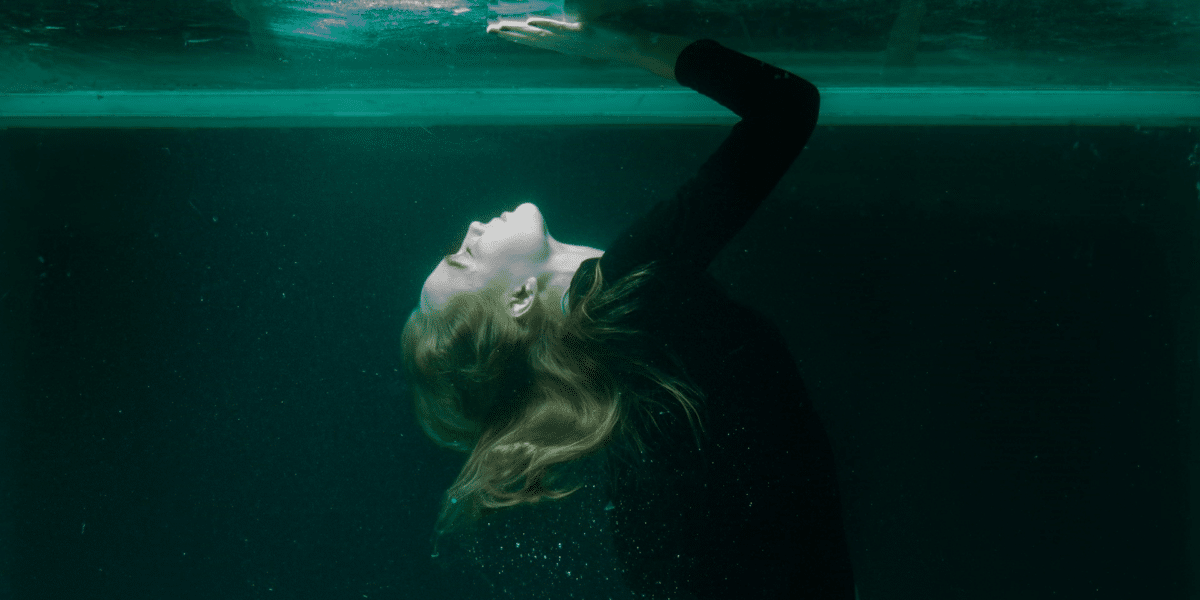
Filming underwater can be a thrilling and rewarding experience, allowing you to capture the mesmerizing beauty of the underwater world. However, it also comes with its challenges, from dealing with low light conditions to maintaining stability in the water. In this article, we’ll provide practical tips and techniques to help you improve your underwater filming skills and capture stunning footage that will impress your audience.

1. Choose the Right Equipment

The first step to improving your underwater filming technique is to choose the right equipment for the job. Consider investing in a waterproof camera or purchasing an underwater housing for your existing camera to protect it from water damage. Additionally, opt for accessories such as underwater lights or filters to enhance the quality of your footage and overcome the challenges of filming in low light conditions.

Moreover, when selecting your equipment, consider factors such as depth rating, durability, and ease of use. Ensure that your chosen camera or housing is suitable for the environments you plan to film in and can withstand the pressure and conditions found underwater.

2. Understand Underwater Lighting

Light behaves differently underwater than it does on land, which can affect the quality of your footage. To compensate for this, familiarize yourself with the principles of underwater lighting and how to use artificial light sources effectively. Experiment with different lighting techniques, such as backlighting or side lighting, to create dramatic effects and highlight the beauty of your subjects.

Additionally, learn how to work with natural light and make the most of available light sources underwater. Position yourself and your camera to take advantage of natural light sources such as sunlight filtering through the water’s surface or reflections off nearby objects. This can help illuminate your subjects and enhance the visual appeal of your footage.

3. Master Buoyancy Control

Buoyancy control is essential for maintaining stability and control while filming underwater. Practice controlling your buoyancy through controlled breathing and weight distribution to ensure smooth and steady footage. Additionally, consider using buoyancy control devices such as dive fins or buoyancy compensators to help you maintain your position in the water and avoid drifting away from your subjects.

Furthermore, take the time to familiarize yourself with your buoyancy control devices and how they affect your movement and stability underwater. Practice adjusting your buoyancy settings to achieve neutral buoyancy, where you neither sink nor float, allowing you to move freely and film with ease.

4. Get Close to Your Subjects

Getting close to your subjects is crucial for capturing detailed and compelling footage underwater. However, it’s essential to approach them carefully and non-invasively to avoid startling or disturbing them. Use slow, gentle movements and maintain a respectful distance to minimize your impact on the marine environment and capture natural behavior.

Moreover, learn to anticipate the movements and behaviors of underwater creatures to position yourself for the best shots. Patience is key when filming wildlife underwater, as it may take time for animals to become accustomed to your presence and exhibit natural behaviors. Avoid making sudden movements or noises that could frighten or disturb your subjects.

5. Use the Rule of Thirds

The rule of thirds is a fundamental principle of composition that can help you create visually appealing underwater footage. Instead of placing your subject in the center of the frame, divide the frame into thirds both horizontally and vertically and position your subject along one of the intersecting lines. This creates a more dynamic and balanced composition, drawing the viewer’s eye to the focal point of your shot.

Additionally, experiment with different framing techniques to add visual interest to your footage. Try shooting from different angles and perspectives to capture unique and compelling shots that highlight the beauty and diversity of the underwater world. Don’t be afraid to get creative and think outside the box when composing your shots underwater.

6. Maintain Proper Camera Stability

Stability is essential for capturing smooth and steady footage underwater. Even slight movements or vibrations can result in shaky footage, so it’s crucial to hold your camera steady while filming. Use both hands to grip your camera securely and consider using a stabilizing device such as a tripod or monopod to minimize camera movement and vibration.

Furthermore, practice proper breathing techniques and body positioning to minimize movement and maintain stability while filming underwater. Keep your body relaxed and avoid unnecessary movements that could cause camera shake or vibration. By maintaining proper stability, you can capture professional-looking footage that immerses viewers in the beauty of the underwater world.

7. Experiment with Camera Angles

Don’t be afraid to experiment with different camera angles and perspectives to capture unique and compelling footage underwater. Try shooting from different depths, angles, and distances to highlight the beauty and diversity of the underwater world. Get creative with your shots and don’t be afraid to think outside the box to capture truly memorable imagery.

Moreover, consider incorporating movement into your shots to add visual interest and dynamism to your footage. Experiment with techniques such as panning, tilting, and tracking to follow moving subjects or create cinematic effects. By experimenting with different camera angles and movements, you can capture stunning footage that captivates and inspires your audience.

8. Practice Patience and Persistence

Improving your underwater filming technique takes time and practice, so don’t be discouraged if you don’t get it right the first time. Be patient with yourself and continue to experiment with different techniques and strategies to find what works best for you. With persistence and dedication, you’ll gradually improve your skills and capture stunning underwater footage that will amaze and inspire your audience.

Lastly, remember that underwater filming is a skill that takes time to develop, so don’t be discouraged by setbacks or challenges along the way. Stay patient, stay persistent, and keep pushing yourself to improve with each filming opportunity. With time and practice, you’ll become more confident and proficient in capturing the beauty of the underwater world through your lens.

Underwater Filming Presents a Challenge and Opportunity

In conclusion, improving your underwater filming technique requires a combination of technical skill, creativity, and patience. By choosing the right equipment, understanding underwater lighting, mastering buoyancy control, getting close to your subjects, using the rule of thirds, maintaining proper camera stability, experimenting with camera angles, and practicing patience and persistence, you can capture stunning footage that showcases the beauty and wonder of the underwater world. So grab your camera, dive into the depths, and start honing your underwater filming skills today!

The Best Ways to Unwind After a Production

After the curtains close and the cameras stop rolling, it’s important for everyone involved in a production to take some time to unwind and recharge. Whether you’re an actor, director, crew member, or part of the production team, the intense and demanding nature of the entertainment industry can take its toll, both physically and mentally. In this article, we’ll explore some of the best ways to unwind after a production, allowing you to relax, rejuvenate, and prepare for your next creative endeavor.

1. Take a Relaxing Bath

There’s nothing quite like a hot bath to soothe tired muscles and relax a busy mind. After a long day on set or in rehearsals, treat yourself to a luxurious soak in the tub. Add some bubbles, light a few candles, and put on some soft music to create a tranquil atmosphere. Not only will a bath help you unwind physically, but it can also provide a much-needed mental break, allowing you to clear your mind and let go of any stress or tension from the day.

2. Get Moving with Exercise

Exercise is a great way to release endorphins, improve your mood, and boost your energy levels. Whether it’s going for a brisk walk, hitting the gym, or taking a yoga class, find an activity that you enjoy and that gets your body moving. Exercise not only helps to relieve stress and tension but can also improve your overall health and well-being, leaving you feeling refreshed and revitalized after a long day of work.

3. Practice Mindfulness and Meditation

Mindfulness and meditation are powerful tools for relaxation and stress relief. Take a few moments each day to sit quietly, close your eyes, and focus on your breath. Allow yourself to let go of any worries or distractions and simply be present in the moment. You can also try guided meditation apps or videos to help you relax and unwind. Practicing mindfulness and meditation regularly can help reduce stress, improve sleep quality, and increase feelings of calm and contentment.

4. Connect with Friends and Family

Spending time with loved ones is a great way to unwind and recharge after a production. Whether it’s going out for dinner, watching a movie together, or simply enjoying each other’s company at home, make time to connect with friends and family outside of work. Socializing and engaging in meaningful conversations can help take your mind off work-related stress and provide much-needed emotional support and companionship.

5. Indulge in Your Hobbies and Interests

Make time for activities and hobbies that bring you joy and fulfillment outside of work. Whether it’s painting, cooking, gardening, or playing a musical instrument, find something that you’re passionate about and make it a regular part of your routine. Engaging in hobbies and interests that you enjoy can provide a welcome distraction from work-related stress and help you relax and unwind in your free time.

6. Treat Yourself to Some Self-Care

Self-care is essential for maintaining your physical, emotional, and mental well-being. Treat yourself to a massage, facial, or spa day to pamper yourself and indulge in some much-needed relaxation. You can also practice self-care at home by taking time to do things that make you feel good, such as reading a book, listening to music, or practicing mindfulness. Remember to prioritize self-care and make time for yourself amidst your busy schedule.

7. Get Outdoors and Enjoy Nature

Spending time outdoors and connecting with nature is a great way to recharge and rejuvenate after a production. Whether it’s going for a hike, spending time at the beach, or simply taking a walk in the park, being in nature can help reduce stress, improve mood, and increase feelings of happiness and well-being. Take advantage of any opportunities to get outside and enjoy the beauty of the natural world.

8. Reflect and Journal

Take some time to reflect on your experiences during the production and jot down your thoughts and feelings in a journal. Writing can be a therapeutic way to process your emotions, gain perspective on your experiences, and identify any areas for growth or improvement. Use your journal as a space to express yourself freely and without judgment, allowing yourself to explore your thoughts and emotions in a safe and supportive environment.

Production is Over, Take Time to Relax

After the final curtain call or last scene is shot, it’s important to take some time to unwind and recharge. By incorporating some of the strategies mentioned above into your post-production routine, you can relax, rejuvenate, and prepare yourself for your next creative endeavor. Whether it’s taking a relaxing bath, getting moving with exercise, practicing mindfulness and meditation, connecting with friends and family, indulging in your hobbies and interests, treating yourself to some self-care, getting outdoors and enjoying nature, or reflecting and journaling, find what works best for you and make it a priority to take care of yourself after a production. Your mind, body, and spirit will thank you for it.

Understanding How Color Contradiction Enhances Advertising

In the world of advertising, colors play a crucial role in capturing attention, evoking emotions, and influencing consumer behavior. While it may seem counterintuitive, using color contradiction in advertising can be a powerful technique to make ads more memorable and impactful. In this article, we’ll explore what color contradiction is, why it works in advertising, and how marketers can leverage this technique to create more effective campaigns.

What is Color Contradiction?

Color contradiction, also known as color contrast or color clash, refers to the use of colors that are opposite or conflicting in nature within an advertising design. This can involve pairing colors that are traditionally considered to clash or using unexpected combinations to create visual tension and intrigue. While this approach may seem unconventional, it can capture attention and create a memorable impression on viewers.

Why Color Contradiction Works in Advertising

Color contradiction works in advertising for several reasons:

1. Attention-Grabbing

Contrasting colors naturally stand out and grab the viewer’s attention. When used strategically in advertising, color contradiction can make an ad more visually arresting and compelling, increasing the likelihood that viewers will take notice and engage with the content.

2. Memorable

Ads that use color contradiction tend to be more memorable than those with more traditional color schemes. The unexpected juxtaposition of colors creates a lasting impression on viewers, making the ad more likely to be remembered long after it’s been seen.

3. Emotional Impact

Different colors evoke different emotions and associations in viewers. By using contrasting colors, advertisers can create a heightened emotional impact, eliciting a stronger response from the audience. For example, pairing warm and cool colors can create a sense of tension or excitement, while complementary colors can evoke harmony and balance.

4. Differentiation

In a crowded marketplace, it’s essential for brands to stand out from the competition. By using color contradiction in their advertising, brands can differentiate themselves and create a unique visual identity that sets them apart from others in their industry.

5. Creativity and Innovation

Color contradiction allows advertisers to push the boundaries of creativity and innovation in their designs. By experimenting with unexpected color combinations and unconventional layouts, advertisers can create ads that feel fresh, modern, and cutting-edge.

Examples of Color Contradiction in Advertising

Several brands have successfully used color contradiction in their advertising campaigns:

Coca-Cola

Coca-Cola’s iconic red branding is often paired with contrasting colors in their advertising to create visual impact. For example, they may use a combination of red and green during the holiday season to evoke feelings of joy and celebration.

McDonald’s

McDonald’s uses a bold combination of red and yellow in their advertising to convey energy, excitement, and appetite stimulation. This color scheme is designed to grab attention and create a sense of urgency, encouraging viewers to visit their restaurants.

Apple

Apple is known for its minimalist and sophisticated advertising designs, often featuring a stark contrast between black and white. This color contradiction emphasizes the sleekness and simplicity of their products, creating a sense of elegance and sophistication.

How Marketers Can Leverage Color Contradiction

Here are some tips for marketers looking to leverage color contradiction in their advertising:

1. Know Your Audience

Understand the preferences, tastes, and expectations of your target audience before incorporating color contradiction into your advertising. Certain color combinations may resonate more strongly with specific demographics or psychographic groups.

2. Use Contrasting Colors Wisely

Choose color combinations that create visual interest without overwhelming or confusing the viewer. Experiment with different hues, saturations, and intensities to find the right balance for your brand and message.

3. Consider Branding and Messaging

Ensure that the colors you choose align with your brand identity and messaging. While color contradiction can be attention-grabbing, it should still feel cohesive and relevant to your brand values and personality.

4. Test and Iterate

Don’t be afraid to test different color combinations and designs to see what resonates most with your audience. Use A/B testing and other analytical tools to measure the effectiveness of your ads and make adjustments as needed.

Endless Possibilities

Color contradiction can be a powerful technique for enhancing advertising effectiveness and capturing audience attention. By using contrasting colors strategically, advertisers can create visually striking and memorable ads that stand out from the competition. Whether it’s pairing complementary colors for harmony or juxtaposing contrasting colors for impact, color contradiction offers endless possibilities for creative expression and innovation in advertising. By understanding the principles of color psychology and experimenting with different combinations, marketers can leverage this technique to create more engaging, impactful, and effective advertising campaigns.