What Celebrities Do Between Projects Once Filming is Complete

Ever wonder what your favorite celebrities do once they’ve wrapped up filming on a project? While it might seem like they’re constantly in the spotlight, the reality is that actors, musicians, and other celebrities often have downtime between projects to recharge, pursue personal interests, and prepare for their next big role or creative endeavor. In this article, we’ll take a closer look at what celebrities do between projects once filming is complete, from relaxing and unwinding to staying productive and honing their craft.

1. Taking a Well-Deserved Break

After the intensity of filming wraps up, many celebrities take advantage of the downtime to relax and unwind. Whether it’s jetting off to a tropical vacation destination, spending quality time with family and friends, or simply enjoying some peace and quiet at home, taking a break from the demands of work is essential for recharging both physically and mentally. Downtime between projects allows celebrities to rejuvenate and come back refreshed and ready to tackle their next challenge.

2. Pursuing Personal Interests and Hobbies

Between projects, celebrities often have the opportunity to pursue personal interests and hobbies that they’re passionate about. Whether it’s painting, cooking, playing sports, or learning a new skill, having free time allows celebrities to indulge in activities outside of their professional careers. Pursuing hobbies not only provides a creative outlet and a sense of fulfillment but also helps celebrities maintain a sense of balance and perspective in their lives.

3. Spending Time with Family and Friends

One of the perks of downtime between projects is the opportunity to spend quality time with family and friends. Whether it’s attending a family reunion, hosting a dinner party with friends, or simply catching up over coffee, downtime allows celebrities to reconnect with the people who matter most to them. Building strong relationships outside of work is important for maintaining a sense of support and connection, especially in an industry as fast-paced and demanding as entertainment.

4. Traveling and Exploring New Destinations

Traveling is a popular way for celebrities to unwind and recharge between projects. Whether it’s exploring exotic locales, soaking up the sun on a beach vacation, or embarking on a cultural adventure, travel allows celebrities to broaden their horizons, experience new cultures, and create lasting memories. Traveling can also provide inspiration and creative stimulation, fueling ideas for future projects and expanding the mind.

5. Engaging with Fans on Social Media

Social media has become an important tool for celebrities to connect with their fans and share updates about their lives and careers. Between projects, celebrities often use social media platforms like Instagram, Twitter, and TikTok to engage with fans, share behind-the-scenes glimpses of their lives, and promote upcoming projects. Social media allows celebrities to stay connected with their audience even when they’re not actively working, building a loyal fanbase and maintaining visibility in the public eye.

6. Staying Active and Maintaining a Healthy Lifestyle

Many celebrities prioritize staying active and maintaining a healthy lifestyle during their downtime between projects. Whether it’s hitting the gym, practicing yoga, or going for a run, regular exercise helps celebrities stay fit, energized, and focused. In addition to physical activity, celebrities also pay attention to their diet, nutrition, and overall well-being, making sure to prioritize self-care and take care of their bodies both inside and out.

7. Exploring New Opportunities and Projects

Even during downtime between projects, many celebrities are constantly on the lookout for new opportunities and creative projects to pursue. Whether it’s auditioning for a new role, developing a passion project, or collaborating with other artists, downtime provides celebrities with the freedom and flexibility to explore new avenues and push the boundaries of their creativity. By staying open-minded and proactive, celebrities can continue to grow and evolve as artists, finding new ways to challenge themselves and expand their horizons.

8. Investing in Personal and Professional Development

Between projects, many celebrities take the opportunity to invest in personal and professional development. Whether it’s taking acting classes, attending workshops and seminars, or working with a coach or mentor, downtime allows celebrities to hone their craft, sharpen their skills, and continue their growth as artists. By investing in ongoing education and self-improvement, celebrities can stay at the top of their game and remain competitive in a rapidly evolving industry.

A Relief Between Projects

While the life of a celebrity may seem glamorous and non-stop, the reality is that downtime between projects plays an important role in the lives of actors, musicians, and other entertainers.

Whether it’s taking a well-deserved break, pursuing personal interests and hobbies, spending time with family and friends, traveling and exploring new destinations, engaging with fans on social media, staying active and maintaining a healthy lifestyle, exploring new opportunities and projects, or investing in personal and professional development, celebrities use their downtime to recharge, reconnect, and prepare for their next big adventure.

By finding a balance between work and leisure, celebrities are able to navigate the ups and downs of the entertainment industry with grace, resilience, and a sense of purpose.

Mastering the Art of Illuminating Your Models with the Golden Hour

The “golden hour” refers to the period shortly after sunrise or before sunset when the sun is low in the sky, casting a soft, warm glow that is often considered the most flattering light for photography. Whether you’re a professional photographer or an amateur enthusiast, learning how to harness the power of the golden hour can take your portrait photography to the next level. In this article, we’ll explore how to use the golden hour to illuminate your models and capture stunning images that showcase their natural beauty.

Understanding the Characteristics of Golden Hour Light

Before we delve into how to use the golden hour effectively, it’s essential to understand the characteristics of golden hour light. During the golden hour, the sun is low on the horizon, resulting in soft, diffused light that is warm and flattering to the skin. This soft, directional light creates gentle shadows and highlights, adding depth and dimension to your images without harsh contrasts or unflattering shadows. The warm, golden tones of the light also lend a soft, romantic quality to your photos, making them perfect for capturing intimate and emotive portraits.

Planning Your Shoot Around the Golden Hour

The first step in using the golden hour to illuminate your models is to plan your shoot around the optimal lighting conditions. The exact timing of the golden hour varies depending on your location and the time of year, but it typically occurs within the hour after sunrise or before sunset. To find the precise timing of the golden hour in your area, you can use online tools or smartphone apps that calculate the sunrise and sunset times for your location. Once you’ve determined the timing of the golden hour, plan your shoot accordingly, making sure to arrive at your location with enough time to set up and prepare before the ideal lighting conditions begin.

Choosing the Right Location

When shooting during the golden hour, choosing the right location is crucial to maximizing the beauty of the light and creating stunning portraits. Look for locations with open spaces and unobstructed views of the horizon, such as parks, beaches, or fields, where you can take advantage of the soft, directional light of the setting or rising sun. Consider the natural surroundings and background elements of your location, such as trees, water, or architectural features, that can add interest and depth to your images without distracting from your subject. Additionally, pay attention to the direction of the light and how it falls on your model’s face, adjusting your positioning and composition as needed to achieve the most flattering results.

Using Natural Reflectors and Diffusers

During the golden hour, the soft, diffused light of the sun acts as a natural reflector and diffuser, bouncing off surfaces and filling in shadows to create a flattering, even illumination. To enhance the quality of light further, you can use additional reflectors and diffusers to manipulate and control the direction and intensity of the light. Reflectors, such as white or silver panels, can be used to bounce light onto your model’s face, filling in shadows and adding a subtle highlight to their eyes and cheekbones. Diffusers, such as translucent umbrellas or scrims, can be used to soften and diffuse harsh sunlight, creating a more flattering and natural-looking glow.

Directing Your Model and Posing Techniques

In addition to mastering the technical aspects of lighting, directing your model and employing effective posing techniques are essential for creating captivating portraits during the golden hour. Start by establishing clear communication with your model and conveying your vision for the shoot, including the mood, style, and desired expressions you want to capture. Guide your model through a series of poses and movements that showcase their best angles and features, making sure to utilize the soft, directional light of the golden hour to enhance their natural beauty. Encourage your model to relax and be themselves, capturing candid moments and genuine emotions that reflect their personality and essence.

Experimenting with Composition and Framing

As you become more comfortable working with the golden hour light, don’t be afraid to experiment with composition and framing to create dynamic and visually striking portraits. Play with different camera angles, perspectives, and focal lengths to capture a variety of shots that highlight your model’s beauty and personality. Experiment with framing techniques such as close-up shots, wide-angle perspectives, and creative cropping to add visual interest and variety to your images. Additionally, pay attention to the background elements and negative space in your compositions, using them to frame your subject and draw the viewer’s eye towards the focal point of the image.

Post-Processing and Editing Techniques

After you’ve captured your images during the golden hour, post-processing and editing techniques can help enhance the beauty and impact of your portraits further. Start by adjusting the exposure, contrast, and white balance to fine-tune the overall tone and mood of your images. Use selective editing tools such as dodge and burn, selective color adjustments, and sharpening to enhance specific areas of the image and bring out details and textures. Experiment with creative effects such as vignetting, lens flare, and color grading to add depth and atmosphere to your portraits, creating a unique and cohesive visual style that reflects your creative vision.

Elevating Your Portraits with the Golden Hour

In conclusion, learning how to use the golden hour to illuminate your models is a valuable skill that can elevate your portrait photography to new heights. By understanding the characteristics of golden hour light, planning your shoots around optimal lighting conditions, choosing the right location, using natural reflectors and diffusers, directing your model and posing techniques, experimenting with composition and framing, and employing post-processing and editing techniques, you can create stunning portraits that showcase the natural beauty and personality of your subjects. Whether you’re shooting professionally or for personal enjoyment, mastering the art of lighting with the golden hour will enhance your photography skills and help you create images that are truly captivating and memorable.

Understanding the Power of Teasers in Building Anticipation for Upcoming Albums

Teasers play a vital role in the music industry, serving as a sneak peek or preview of what fans can expect from an upcoming album. Artists and record labels use teasers strategically to generate buzz, build anticipation, and create excitement among fans leading up to the release of new music. In this article, we’ll delve into why teasers are used to build up anticipation for upcoming albums and the impact they have on fans and the music industry as a whole.

Generating Buzz and Excitement

One of the primary reasons teasers are used is to generate buzz and excitement surrounding an upcoming album release. By offering fans a glimpse of the album artwork, snippets of new songs, or behind-the-scenes footage from the recording studio, teasers pique curiosity and capture attention, prompting fans to eagerly anticipate the release of the full album. This sense of anticipation creates a buzzworthy moment in the music industry and helps generate excitement among fans, driving engagement and interest in the upcoming release.

Building Anticipation and Expectation

Teasers are also instrumental in building anticipation and expectation for an upcoming album. By strategically releasing teasers in the weeks or months leading up to the album’s release date, artists and record labels can gradually build momentum and hype around the project. Each teaser serves as a teaser trailer for the album, giving fans a taste of what’s to come and keeping them eagerly anticipating the next teaser or the full album release. This gradual buildup of anticipation heightens fans’ excitement and ensures that the album launch is a highly anticipated event.

Creating a Connection with Fans

Teasers provide artists with an opportunity to connect with fans on a deeper level and engage them in the creative process. By sharing behind-the-scenes footage, personal anecdotes, or sneak peeks of the album’s creative direction, artists can give fans insight into their artistic vision and creative journey, fostering a sense of connection and intimacy. This connection helps fans feel more invested in the album and builds loyalty and support for the artist, ultimately driving sales and streaming numbers when the album is released.

Maximizing Exposure and Reach

In today’s digital age, social media platforms and streaming services provide artists with unprecedented opportunities to reach a global audience. Teasers are an effective way to maximize exposure and reach for an upcoming album, as they can be shared across multiple platforms and channels, reaching fans around the world in real time. Whether it’s through YouTube, Instagram, Twitter, or TikTok, teasers can quickly go viral and attract attention from music lovers everywhere, expanding the artist’s fanbase and increasing anticipation for the album’s release.

Generating Pre-Orders and Sales

Teasers can also serve as a powerful marketing tool to drive pre-orders and sales for an upcoming album. By strategically releasing teasers alongside pre-order links and exclusive merchandise offers, artists and record labels can incentivize fans to purchase the album before it’s officially released. This pre-release marketing strategy not only generates revenue for the artist but also helps gauge fan interest and demand for the album, providing valuable insights for future marketing and promotional efforts.

Creating a Multimedia Experience

In addition to generating excitement and anticipation, teasers also create a multimedia experience for fans, allowing them to interact with the album’s content in a variety of ways. Whether it’s through music videos, lyric videos, behind-the-scenes documentaries, or interactive online experiences, teasers offer fans a multi-sensory journey that enhances their overall album experience. This multimedia approach not only engages fans on a deeper level but also ensures that the album release is a memorable and immersive event.

The Future of Teaser Campaigns

Teasers are a crucial marketing tool used to build anticipation for upcoming albums in the music industry. By generating buzz, building anticipation, creating a connection with fans, maximizing exposure and reach, driving pre-orders and sales, and creating a multimedia experience, teasers play a vital role in shaping the success of an album release. As artists and record labels continue to harness the power of teasers to promote new music, fans can expect to see more innovative and creative teaser campaigns that capture their imagination and fuel their excitement for upcoming album releases.

Delving into the Mood of Synthwave Music

Synthwave music has been gaining popularity in recent years, captivating listeners with its nostalgic soundscapes and retro-futuristic vibes. But what exactly is the mood of synthwave music, and why does it resonate with so many people? In this article, we’ll explore the mood of synthwave music, the emotions it evokes, and why it has become such a beloved genre for fans of all ages.

What is Synthwave Music?

Before we dive into its mood, let’s first define what synthwave music is. Synthwave is a genre of electronic music that draws inspiration from 1980s pop culture, particularly the soundtracks of films, video games, and television shows from that era. Characterized by its use of synthesizers, drum machines, and nostalgic melodies, synthwave music seeks to recreate the sounds and atmosphere of the 80s in a modern context.

From pulsating basslines and soaring synth melodies to retro-inspired beats and nostalgic lyrics, synthwave music transports listeners back to a time when neon lights, VHS tapes, and arcade games ruled the cultural landscape.

The Mood of Synthwave

The mood of synthwave music can be described as a blend of nostalgia, nostalgia, and nostalgia. From the moment you press play, you’re transported to a neon-lit dystopian future where anything is possible and adventure awaits around every corner. The music is often characterized by its dreamy, atmospheric soundscapes, which evoke a sense of wonder and awe.

At its core, synthwave music is about escapism. It’s about leaving behind the stresses and pressures of modern life and immersing yourself in a world of endless possibilities. Whether you’re cruising down a futuristic highway, exploring a neon-soaked cityscape, or battling evil robots in outer space, synthwave music provides the perfect soundtrack for your adventures.

The Emotions It Evokes

Synthwave music evokes a wide range of emotions, from euphoria and excitement to introspection and melancholy. One of the defining features of synthwave is its ability to evoke a sense of nostalgia for a time that many listeners may never have experienced firsthand.

Whether it’s the wistful longing for a past that never was or the bittersweet realization that the future may not live up to our expectations, synthwave music taps into a deep well of emotions that resonates with listeners on a visceral level.

The Appeal of Synthwave

So why has synthwave music become so popular in recent years? There are several factors at play. Firstly, there’s the nostalgia factor. For many listeners, synthwave music represents a nostalgic trip down memory lane, evoking memories of childhoods spent watching 80s movies, playing video games, and listening to cassette tapes.

Additionally, there’s the aesthetic appeal of synthwave music. With its retro-futuristic visuals, neon-lit cityscapes, and cyberpunk imagery, synthwave music offers a visual feast for the eyes that complements its sonic landscapes perfectly. Whether you’re watching a music video, browsing album artwork, or attending a live concert, synthwave music offers a multi-sensory experience that is unlike anything else.

The Future of Synthwave

As we look to the future, the popularity of synthwave music shows no signs of slowing down. With an ever-growing community of fans and artists, synthwave has become more than just a musical genre—it’s a cultural movement that celebrates nostalgia, creativity, and self-expression.

Whether you’re a seasoned synthwave aficionado or a newcomer to the genre, there’s never been a better time to dive into the world of synthwave music. So grab your shades, fire up your neon lights, and let the retro-futuristic sounds of synthwave transport you to a world of endless adventure and excitement. The future is bright, and it’s filled with the electrifying sounds of synthwave music.

Understanding the Significance of Green in Films

Color plays a crucial role in filmmaking, conveying emotions, setting the mood, and enhancing storytelling. Among the myriad of colors used in films, green holds a special significance, often symbolizing various themes and motifs that contribute to the overall narrative. In this article, we’ll delve into what the color green means in film and how filmmakers use it to convey specific messages and evoke certain emotions.

Symbolism of Green

Green is a versatile color that can represent a wide range of meanings and associations in film. Traditionally, green is often associated with nature, growth, and renewal, thanks to its prevalence in lush landscapes, verdant forests, and thriving plant life. It symbolizes harmony, balance, and vitality, evoking feelings of freshness, tranquility, and rejuvenation. However, green can also have darker connotations, representing envy, jealousy, and greed, particularly when used in the context of wealth, power, and materialism.

Nature and Renewal

In many films, green is used to symbolize the beauty and abundance of the natural world. Scenes set in lush green forests, rolling meadows, or tranquil gardens evoke a sense of serenity and connection to the earth. Green can represent renewal and rebirth, signaling the cyclical nature of life and the promise of growth and transformation. Whether it’s the vibrant green of springtime or the deep emerald hues of a thriving ecosystem, green is often used to convey a sense of vitality and renewal in films.

Envy and Jealousy

On the flip side, green can also symbolize negative emotions such as envy and jealousy. Characters depicted in shades of green or surrounded by green environments may be driven by feelings of resentment or covetousness towards others. This symbolism is often used to explore themes of rivalry, competition, and the destructive consequences of unchecked ambition. Green can represent the toxic effects of envy, leading characters down a path of moral decay and self-destruction.

Otherworldly and Supernatural

In certain genres such as science fiction, fantasy, and horror, green is often used to create an otherworldly or supernatural atmosphere. Green-tinted lighting, visual effects, or set design can evoke a sense of mystery, intrigue, or danger, signaling the presence of otherworldly beings, paranormal phenomena, or supernatural powers. Green is frequently associated with aliens, monsters, and creatures of the night, adding an eerie or surreal quality to the film’s visuals and atmosphere.

Wealth and Prosperity

In some contexts, green is associated with wealth, prosperity, and abundance. Characters adorned in luxurious green attire or surrounded by opulent green settings may symbolize affluence, status, and success. Green can represent the allure of material wealth and the pursuit of financial gain, as characters strive to attain power, prestige, and social standing. However, this association with wealth can also carry negative connotations, highlighting the pitfalls of greed, avarice, and the corrupting influence of money.

Environmental and Social Commentary

Filmmakers often use the color green to comment on environmental issues, sustainability, and the impact of human activity on the planet. Scenes depicting polluted green landscapes, deforested jungles, or toxic waste sites serve as a stark reminder of the ecological challenges facing the world today. Green can symbolize the fragility of the environment and the urgent need for conservation efforts to protect and preserve the earth’s natural resources. Through visual storytelling, filmmakers can raise awareness about environmental issues and inspire audiences to take action to address them.

Green as a Powerful Symbol in Film

In conclusion, the color green holds significant symbolic value in films, representing a wide range of themes, emotions, and motifs. Whether it’s used to evoke the beauty of nature, the destructive force of envy, or the allure of wealth, green plays a pivotal role in enhancing the visual storytelling experience. Filmmakers leverage the symbolism of green to convey specific messages, evoke emotional responses, and immerse audiences in the world of the story. By understanding the significance of green in film, viewers can gain a deeper appreciation for its nuanced role in shaping the narrative and enriching the cinematic experience.

Short Hair, Big Impact: Why Short-Haired Women Rock the Modeling World

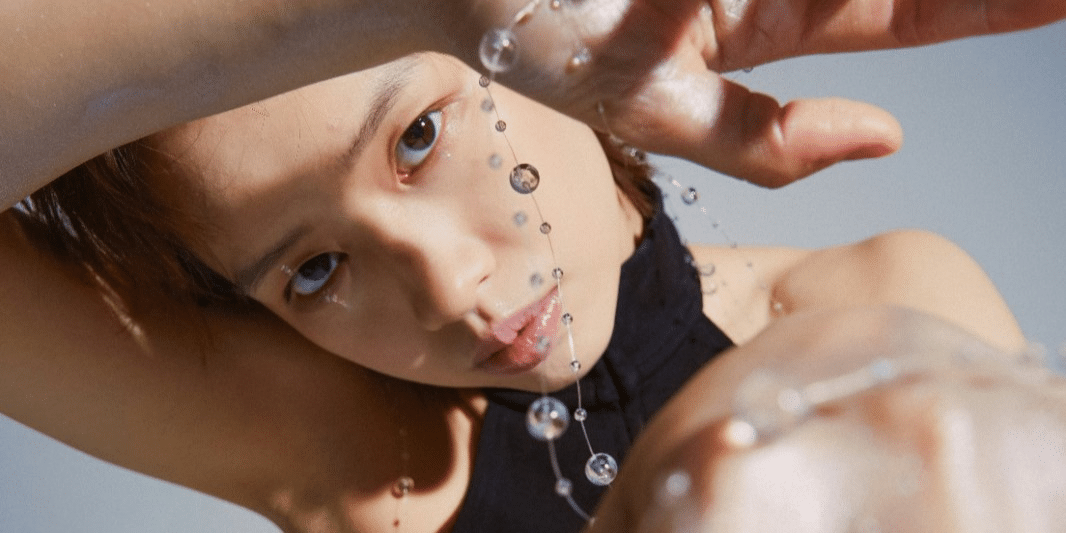
Alright, folks, let’s talk about the fierce and fabulous world of modeling—and more specifically, why women with short hair are taking the industry by storm. From the runway to the pages of glossy magazines, short-haired models are making a big impact and challenging traditional beauty standards in the process. So grab your favorite hair gel and let’s dive into why short-haired women make for some seriously fierce models!

First things first, let’s talk versatility. One of the biggest perks of short hair is its versatility. Whether it’s sleek and sophisticated, edgy and punky, or soft and romantic, short hair can be styled in a variety of ways to suit any look or aesthetic. And in the world of modeling, versatility is key. Short-haired models can effortlessly rock a wide range of hairstyles, from pixie cuts and bobs to shaved heads and everything in between, making them the perfect canvas for designers, stylists, and photographers to work their magic.

But it’s not just about versatility—it’s also about attitude. Let’s face it—short hair exudes confidence, sass, and a whole lot of attitude. Whether it’s a bold undercut, a chic crop, or a fierce buzzcut, short-haired women aren’t afraid to make a statement and stand out from the crowd. And in an industry that thrives on boldness and individuality, that kind of attitude is priceless. Short-haired models bring a certain edge and fierceness to the runway that’s hard to ignore, making them a force to be reckoned with in the world of fashion.

Moreover, short hair is all about breaking the rules and challenging the status quo. In a world where long hair has long been considered the epitome of femininity and beauty, short-haired women are flipping the script and redefining what it means to be beautiful. By embracing their natural hair texture, defying gender norms, and embracing their own unique style, short-haired models are breaking down barriers and paving the way for greater inclusivity and diversity in the fashion industry. And that’s something worth celebrating.

But perhaps the biggest reason why short-haired women make for good models is simply because they’re real. Short hair is all about embracing your authentic self and owning who you are, flaws and all. And in an industry that’s often criticized for promoting unrealistic beauty standards and perpetuating harmful stereotypes, short-haired models offer a refreshing dose of authenticity and realness. Whether it’s rocking a fresh-faced look, embracing their natural hair texture, or proudly flaunting their scars and imperfections, short-haired models aren’t afraid to be themselves—and that’s something we can all aspire to.

In addition to their attitude and authenticity, short-haired models also bring a certain energy and dynamism to the runway that’s hard to ignore. Whether it’s strutting down the catwalk with confidence, posing for a high-fashion editorial, or commanding attention in a campaign ad, short-haired models have a presence that’s impossible to ignore. With their bold hairstyles, striking features, and fierce confidence, they captivate audiences and leave a lasting impression wherever they go.

But perhaps the best thing about short-haired models is the message they send to women everywhere: that beauty comes in all shapes, sizes, and hair lengths. Whether you’re rocking long locks, short hair, or anything in between, what matters most is owning who you are and embracing your own unique beauty. Short-haired models prove that you don’t need to conform to society’s standards of beauty to be successful or to feel confident in your own skin. So here’s to the short-haired women who are shaking up the modeling world and proving that beauty knows no bounds. Keep slaying, ladies—you’re an inspiration to us all!

Exploring the Potential of Film Photography Studios: A Forgotten Gem in the Digital Age

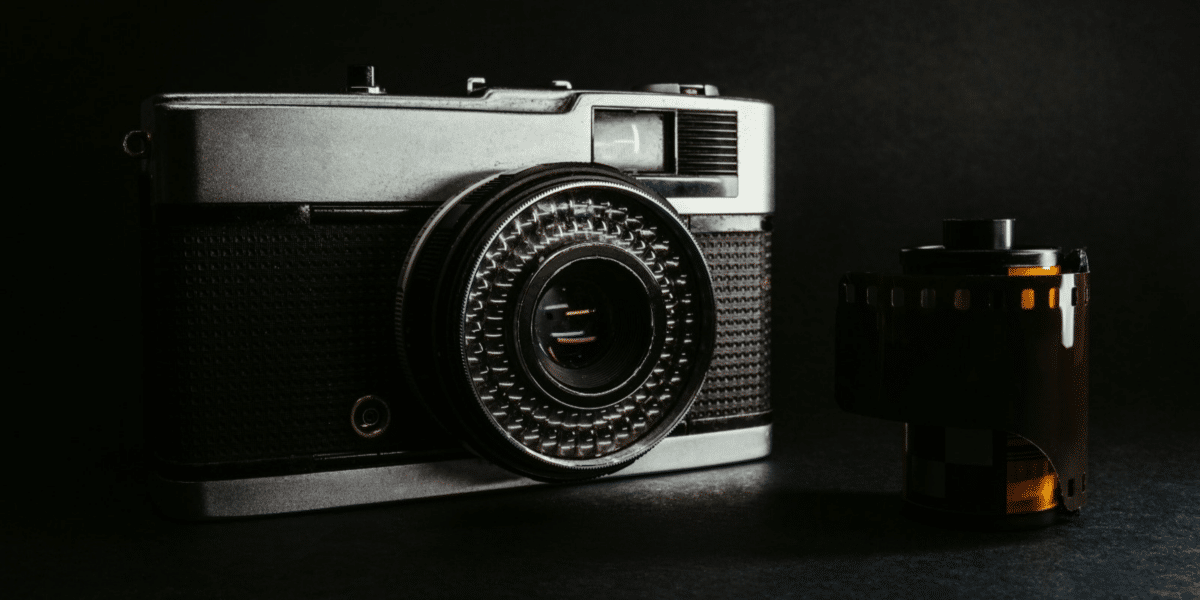
In today’s digital world, where smartphones and digital cameras dominate the photography landscape, film photography may seem like a relic of the past. However, film photography studios are experiencing a resurgence in popularity as more people rediscover the unique charm and timeless appeal of analog photography. In this article, we’ll delve into why film photography studios are a promising business venture and why they are worth considering in today’s market.

Nostalgia and Authenticity in Film Photography

One of the main reasons behind the resurgence of film photography is the nostalgia and authenticity associated with it. Film photography offers a sense of nostalgia for a bygone era when every photograph was a carefully composed and captured moment in time. Many people appreciate the tactile experience of handling film cameras, loading film rolls, and developing prints in a darkroom, which adds an element of authenticity and craftsmanship to the process.

Unique Aesthetic and Artistic Expression

Film photography has a distinct aesthetic that sets it apart from digital photography. Film produces rich, vibrant colors, subtle tones, and unique textures that are difficult to replicate with digital cameras. Film photographers often embrace imperfections such as grain, light leaks, and vignetting, which add character and depth to their images. This unique aesthetic appeals to clients looking for artistic expression and creative storytelling in their photographs.

Slow Photography Movement

In contrast to the fast-paced, instant gratification culture of digital photography, film photography embodies the principles of the slow photography movement. Film photographers take their time to compose each shot carefully, considering factors such as lighting, composition, and subject matter. The process of shooting film encourages mindfulness and intentionality, resulting in photographs that are thoughtful and meaningful.

Tangible Prints and Keepsakes

One of the most significant advantages of film photography is the tangible nature of its prints and negatives. Unlike digital images stored on a hard drive or cloud storage, film photographs exist as physical objects that can be held, displayed, and passed down through generations. Film prints have a timeless quality that digital images often lack, making them cherished keepsakes and heirlooms for years to come.

Demand for Authentic Experiences

In today’s digital age, there is a growing demand for authentic experiences and products that offer a break from the digital overload. Film photography studios provide clients with a unique and authentic experience that transcends the instant gratification of digital photography. Clients appreciate the opportunity to slow down, disconnect from technology, and engage in a hands-on creative process that results in tangible, meaningful photographs.

Creative Freedom and Exploration

Film photography encourages creative freedom and exploration, allowing photographers to experiment with different types of film, cameras, and techniques. Each film stock has its unique characteristics, such as color rendition, contrast, and sensitivity to light, giving photographers a wide range of creative options to explore. Film photographers enjoy the process of experimentation and discovery, embracing the unpredictability and serendipity that comes with shooting film.

Niche Market and Specialized Services

While digital photography dominates the mainstream market, film photography appeals to a niche audience of enthusiasts, collectors, and connoisseurs. Film photography studios can cater to this niche market by offering specialized services such as film processing, darkroom printing, and archival preservation. By focusing on the unique needs and preferences of film photography clients, studios can carve out a distinct niche in the photography industry.

Bringing Nostalgia into the Photography Industry

Film photography studios represent a forgotten but promising business venture in today’s digital age. With its nostalgic appeal, unique aesthetic, slow photography movement, tangible prints, demand for authentic experiences, creative freedom, and niche market, film photography offers a compelling alternative to digital photography. As more people rediscover the joys of shooting film, there is ample opportunity for entrepreneurs to capitalize on the resurgence of film photography and build successful studios that cater to the needs and desires of film enthusiasts. Whether you’re a seasoned film photographer or a budding entrepreneur, film photography studios offer a rewarding and fulfilling business opportunity in the ever-evolving photography industry.

Exploring Why CrossFit Can Be a Great Alternative to Traditional Gyms

When it comes to fitness, there are countless options available, from traditional gyms to boutique studios and home workout programs. One increasingly popular choice is CrossFit, a high-intensity fitness program that combines elements of weightlifting, cardio, and functional movements. In this article, we’ll explore why CrossFit can be a fantastic alternative to the traditional gym for individuals looking to improve their fitness, strength, and overall health.

1. Community and Camaraderie

One of the most significant advantages of CrossFit is the sense of community and camaraderie that it fosters among its members. Unlike traditional gyms where individuals often work out alone, CrossFit classes are typically conducted in a group setting, allowing participants to bond over shared challenges and accomplishments. The supportive and encouraging atmosphere of CrossFit classes can provide motivation and accountability, making it easier to stay committed to a regular exercise routine.

2. Varied and Challenging Workouts

CrossFit workouts are known for their intensity and variety, incorporating a wide range of exercises and movements to keep participants engaged and challenged. Each class is different, with workouts typically consisting of a combination of weightlifting, gymnastics, and metabolic conditioning exercises. This variety not only prevents boredom but also ensures that participants are constantly pushing their limits and making progress towards their fitness goals.

3. Expert Coaching and Instruction

In CrossFit classes, participants are led by certified coaches who provide expert instruction, guidance, and support throughout the workout. These coaches are trained to ensure proper form and technique, reducing the risk of injury and maximizing the effectiveness of each exercise. Whether you’re a beginner or an experienced athlete, having a knowledgeable coach by your side can help you get the most out of your workout and achieve better results.

4. Scalable for All Fitness Levels

One of the great things about CrossFit is that it’s scalable for people of all fitness levels, from beginners to elite athletes. Workouts can be modified and adjusted to accommodate individual abilities and limitations, making it accessible to everyone. Whether you’re just starting out on your fitness journey or looking to take your training to the next level, CrossFit can be tailored to meet your needs and goals.

5. Functional Fitness Benefits

CrossFit focuses on functional fitness, which means that the exercises and movements performed in workouts mimic real-life activities and movements. This type of training not only improves strength, endurance, and flexibility but also enhances overall functional capacity and performance in daily activities. Whether you’re lifting groceries, carrying your kids, or tackling household chores, the functional fitness benefits of CrossFit can help you move better and more efficiently in everyday life.

6. Time-Efficient Workouts

CrossFit workouts are typically shorter in duration but higher in intensity compared to traditional gym workouts. This means that you can get a full-body workout in less time, making it ideal for individuals with busy schedules or limited time to exercise. With CrossFit, you can maximize your time in the gym and still see significant improvements in your fitness and health.

7. Focus on Goal Setting and Progress Tracking

CrossFit encourages participants to set specific goals and track their progress over time. Whether you’re aiming to improve your strength, lose weight, or increase your endurance, setting measurable goals can help you stay motivated and focused on your fitness journey. CrossFit provides a supportive environment for goal setting and progress tracking, with coaches and fellow members cheering you on every step of the way.

8. Fun and Social Atmosphere

In addition to the physical benefits, CrossFit also offers a fun and social atmosphere that many people find enjoyable. Working out with a group of like-minded individuals can make exercise feel less like a chore and more like a social activity. The camaraderie and sense of belonging that come with being part of a CrossFit community can make it easier to stick to a regular exercise routine and stay motivated in your fitness journey.

A Unique Approach with a Challenging Environment

CrossFit offers a compelling alternative to the traditional gym for individuals looking to improve their fitness, strength, and overall health. With its focus on community, varied workouts, expert coaching, scalability, functional fitness benefits, time efficiency, goal setting, and social atmosphere, CrossFit provides a holistic approach to fitness that appeals to people of all ages and fitness levels. Whether you’re a beginner or an experienced athlete, CrossFit offers a supportive and challenging environment to help you reach your fitness goals and live a healthier, more active lifestyle.

The Perks of Having Fruits for Breakfast

Hey there, breakfast enthusiasts and health-conscious folks! If you’re looking for a delicious and nutritious way to start your day, look no further than fruits. That’s right – incorporating fruits into your morning routine can have a host of benefits for your health and well-being. From boosting your energy levels to improving digestion and supporting weight management, there are plenty of reasons to make fruits a staple of your breakfast lineup. In this article, we’ll explore the numerous benefits of eating fruits for breakfast and why you should consider adding them to your morning meal.

First off, let’s talk about the nutritional benefits of fruits. Fruits are packed with essential vitamins, minerals, and antioxidants that are crucial for maintaining good health. They’re rich in vitamin C, which supports immune function and helps to protect against infections and illnesses. They’re also a great source of dietary fiber, which aids in digestion, promotes gut health, and helps to keep you feeling full and satisfied throughout the morning. Plus, fruits are low in calories and fat, making them a smart choice for anyone looking to maintain a healthy weight or shed a few pounds.

Moreover, fruits are also a fantastic source of natural energy. Unlike sugary cereals or pastries, which can cause energy levels to spike and crash, fruits provide a steady, sustained source of energy that can help to fuel your body and brain throughout the day. Whether you’re starting your morning with a banana, an apple, or a bowl of mixed berries, you can count on fruits to give you the energy boost you need to tackle whatever the day throws your way.

But perhaps the biggest benefit of eating fruits for breakfast is their ability to improve digestion and promote regularity. Fruits are high in dietary fiber, which is essential for maintaining healthy digestion and preventing constipation. By adding fruits to your morning meal, you can help to keep things moving smoothly in your digestive tract and ensure that waste is eliminated from your body efficiently. Plus, the water content of many fruits can help to hydrate your body and keep your digestive system functioning optimally.

In addition to their nutritional benefits, fruits are also incredibly versatile and easy to incorporate into your breakfast routine. Whether you prefer them fresh, frozen, or dried, there are countless ways to enjoy fruits in the morning. You can slice them up and add them to your cereal or oatmeal, blend them into a smoothie or yogurt parfait, or simply grab a piece of fruit and enjoy it on the go. With so many options to choose from, you’ll never get bored with your breakfast when you have fruits on the menu.

Furthermore, eating fruits for breakfast can also help to support weight management and promote overall health. Because fruits are low in calories and fat, they can help to fill you up without adding excess calories to your diet. This can be particularly beneficial for anyone trying to lose weight or maintain a healthy weight. By swapping out high-calorie, high-fat breakfast foods for nutrient-rich fruits, you can slash your calorie intake and boost your nutritional intake at the same time – a win-win for your waistline and your well-being.

But perhaps the best thing about eating fruits for breakfast is how delicious they are! From juicy strawberries and sweet pineapple to tart kiwi and creamy avocado, there’s a fruit out there to suit every taste preference and palate. Plus, fruits come in a rainbow of colors, each with its own unique flavor profile and nutritional benefits. Whether you’re craving something sweet and refreshing or something tangy and tart, you’re sure to find a fruit that hits the spot and leaves you feeling satisfied and energized.

In conclusion, there are plenty of reasons to make fruits a part of your breakfast routine. From their nutritional benefits and natural energy boost to their versatility and delicious flavor, fruits are a fantastic way to kick-start your day on the right foot. So, the next time you’re planning your morning meal, don’t forget to reach for a piece of fruit – your body and taste buds will thank you!

How to Start Your Own Talent Agency: A Step-by-Step Guide

Starting a talent agency can be an exciting and rewarding venture for individuals with a passion for the entertainment industry and a knack for spotting talent. Whether you’re interested in representing actors, musicians, models, or other performers, launching your own talent agency can give you the opportunity to help talented individuals achieve their dreams while building a successful business of your own. In this article, we’ll provide a step-by-step guide on how to start your own talent agency and navigate the process of launching and growing your business.

Step 1: Conduct Market Research

Before diving into the world of talent representation, it’s essential to conduct thorough market research to understand the industry landscape, identify potential niches or specialties, and assess the demand for talent representation services in your area. Research local and national talent agencies to learn about their areas of expertise, client base, and business models. Identify gaps or opportunities in the market that you can capitalize on with your own talent agency.

Step 2: Develop a Business Plan

Once you have a clear understanding of the market and your target audience, it’s time to develop a comprehensive business plan for your talent agency. Outline your agency’s mission, vision, and values, as well as your short-term and long-term goals. Define your target market and the types of talent you plan to represent. Determine how you will differentiate your agency from competitors and outline your marketing and promotional strategies to attract clients and talent.

Step 3: Choose a Legal Structure

Next, you’ll need to choose a legal structure for your talent agency, such as a sole proprietorship, partnership, limited liability company (LLC), or corporation. Consider consulting with a business attorney or accountant to determine the best legal structure for your agency based on factors such as liability protection, tax implications, and administrative requirements. Register your agency with the appropriate government agencies and obtain any necessary permits or licenses to operate legally.

Step 4: Build Your Talent Roster

Building a strong talent roster is the cornerstone of any successful talent agency. Start by scouting for talent in your local area or attending industry events, talent showcases, and auditions to discover up-and-coming performers. Network with industry professionals, including casting directors, producers, and other talent agents, to expand your connections and identify potential clients. Develop relationships with talented individuals who align with your agency’s brand and vision.

Step 5: Create Professional Marketing Materials

As a talent agent, you’ll need to create professional marketing materials to promote your agency and attract clients and talent. This may include a website showcasing your agency’s services, talent roster, and contact information, as well as promotional materials such as business cards, brochures, and demo reels. Invest in high-quality photography, videography, and graphic design to present your agency in the best possible light and make a strong impression on potential clients and talent.

Step 6: Establish Relationships with Industry Professionals

Networking and relationship-building are essential components of success in the talent agency business. Take the time to establish relationships with industry professionals, including casting directors, producers, directors, and other talent agents. Attend industry events, film festivals, and networking mixers to meet new contacts and nurture existing relationships. Collaborate with other professionals in the entertainment industry to expand your network and create opportunities for your clients.

Step 7: Negotiate Contracts and Bookings

As a talent agent, you’ll be responsible for negotiating contracts and bookings on behalf of your clients. Develop strong negotiation skills and familiarize yourself with industry standards and practices for talent representation. Negotiate fair and competitive deals for your clients, including compensation, terms, and conditions for projects such as film and television roles, commercial campaigns, live performances, and endorsements. Ensure that all contracts are legally binding and protect the interests of your clients.

Step 8: Provide Ongoing Support and Career Guidance

In addition to securing bookings and negotiating contracts, a talent agency also provides ongoing support and career guidance to its clients. Offer personalized advice, mentorship, and coaching to help your clients navigate the complexities of the entertainment industry and make informed decisions about their careers. Advocate for your clients’ interests, provide emotional support during challenging times, and celebrate their successes and achievements along the way.

Step 9: Stay Informed and Adapt to Industry Trends

The entertainment industry is constantly evolving, with new trends, technologies, and opportunities emerging regularly. Stay informed about industry trends, developments, and best practices by attending industry conferences, workshops, and seminars. Keep abreast of changes in the market and adapt your business strategies accordingly to remain competitive and meet the evolving needs of your clients and talent roster.

Step 10: Grow Your Talent Agency

As your talent agency grows and expands, continue to focus on building strong relationships, providing exceptional service, and delivering results for your clients. Consider expanding your services or adding new divisions to accommodate different types of talent or specialized services. Hire additional staff or partner with other agencies to handle increased demand and workload. Stay true to your agency’s mission and values as you grow, and never lose sight of the passion and dedication that inspired you to start your own talent agency in the first place.

A Mountain to Climb with a Beautiful View

Starting your own talent agency can be a challenging yet rewarding endeavor that allows you to pursue your passion for the entertainment industry while building a successful business. By following these steps and staying committed to your goals, you can launch and grow a thriving talent agency that helps talented individuals achieve their dreams and makes a positive impact in the world of entertainment. With determination, perseverance, and a dedication to excellence, the sky’s the limit for your talent agency’s success.