Sightmark’s Weapon-Mounted Lights and Laser Accessories in Modern Firearm Systems and Low Light Applications

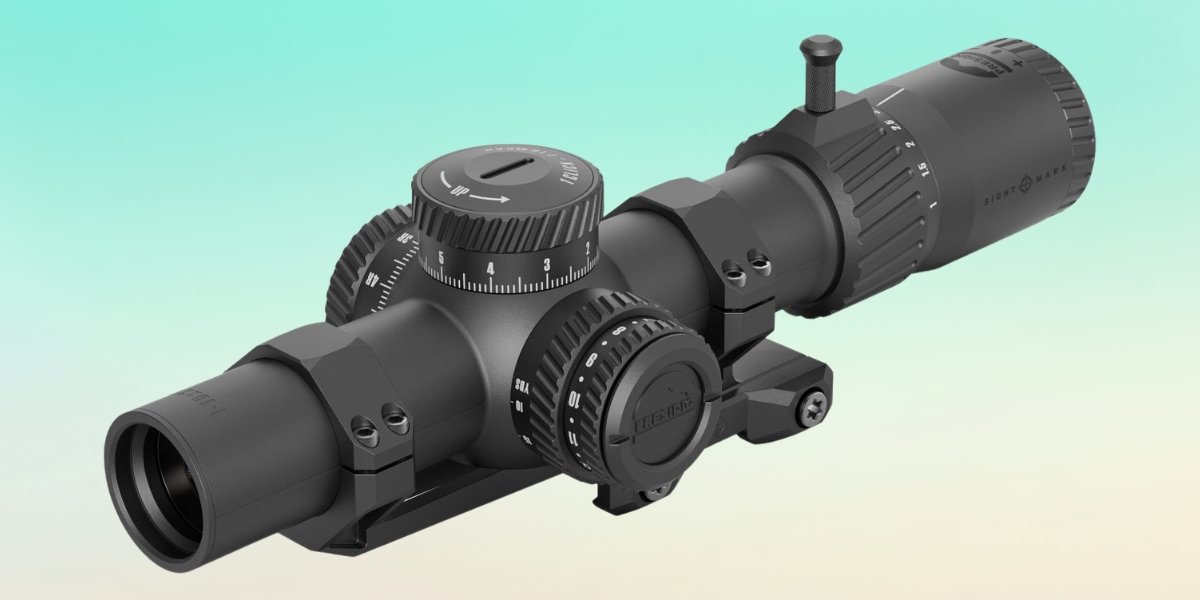
Modern firearm setups rarely rely on a single fixed configuration. Most are built around attachment points that allow different tools to be added depending on the situation. Rail systems made that approach practical. Instead of carrying separate equipment, users can attach lighting, aiming aids, or optical devices directly to a rail, handguard, or other mounting interface on the firearm. The result is a system that changes depending on the environment and within the limits of the firearm’s design and mounting options.

Sightmark, established in 2007, produces firearm accessories that include weapon-mounted lights and laser aiming devices. These products exist alongside its optics range and are developed within the structure of Sellmark Corporation, founded by James Sellers and based in Mansfield, Texas. The accessories are designed to function as supporting components within a broader firearm configuration, rather than independent systems.

Weapon-mounted lights are intended to provide forward illumination in low visibility conditions. When attached to a firearm, the light remains aligned with the direction the firearm is pointed. That alignment allows the user to illuminate the immediate field of view during use. In practice, this becomes relevant in outdoor environments where lighting conditions change quickly, such as wooded terrain or open field areas during early morning or evening hours.

The output of these lights is usually measured in brightness and beam pattern. Some designs focus on wide coverage, while others concentrate light into a tighter beam for longer reach. LED emitters are commonly used because they maintain output efficiency over longer periods compared to older lighting systems. Battery performance becomes a limiting factor in extended use, since higher brightness levels shorten runtime. That tradeoff is built into most designs.

Laser aiming devices operate differently. A laser emits a focused beam that becomes visible when it strikes a surface. What appears on the target is a point of light that corresponds to the laser’s zero and mounting position, which may differ from the firearm’s bore depending on setup and distance. It is not a replacement for traditional sight systems, and in most applications, it is used alongside iron sights or optical scopes.

In short-range situations, lasers can provide a quick reference point for alignment. The value is less about precision at distance and more about immediate directional feedback. Training environments often make use of this characteristic. When the firearm moves, the projected point moves with it, which allows instructors to observe handling consistency without relying on paper targets alone.

Both lighting and laser systems must survive repeated mechanical stress. Firearm recoil produces vibration that can loosen poorly secured components. For that reason, housings are reinforced and internal parts are stabilized to maintain alignment. Environmental exposure is another factor. Moisture, dust, and temperature changes can affect electronic components if they are not properly sealed.

Weight and balance also matter. Adding accessories changes how a firearm handles, especially when multiple attachments are used at the same time. Designers account for this by limiting bulk and distributing mass close to the mounting point. The goal is not to reduce weight entirely, but to avoid disrupting control during use.

Power systems are part of the same equation. Lights rely heavily on battery capacity, and runtime varies depending on output settings. Higher brightness reduces operational time, while lower settings extend it. Laser modules typically require less energy, but still depend on stable power delivery to maintain consistent beam output. These constraints influence how often batteries are replaced or recharged in field conditions.

Use cases for these devices differ depending on context. In hunting environments, where legal, lights are primarily used for target identification in low visibility conditions rather than simply detecting movement. In structured training, they are used to simulate limited visibility scenarios and observe handling behavior. Lasers are sometimes used for feedback during drills, particularly where instructors want to track alignment changes in real time.

Sightmark’s accessories are not designed as standalone solutions. They are intended to work within a broader firearm setup that may also include optical sights or other mounted equipment. The combination depends on user preference and application rather than a fixed configuration. Some setups are minimal, while others use multiple devices at once.

This modular approach aligns with wider changes in firearm design. Rail attachment systems are now common across many firearm types, so demand for compatible accessories has grown. Weapon-mounted lights are used in a wide range of settings, both recreational and professional. Visible laser aiming devices are used more selectively, usually in specific situations where they offer a clear advantage.

Sellmark Corporation provides the organizational framework behind Sightmark’s production and distribution. Founded in 2000 and headquartered in Texas, it manages multiple brands in the outdoor and tactical equipment sector. That structure supports logistics, product distribution, and coordination across different product lines.

In practice, weapon-mounted lights and laser devices occupy a specific functional role. They extend visibility and provide reference points under conditions where natural sighting is limited. Their effectiveness depends on the environment, mounting stability, and power availability rather than on standalone capability.

As firearm systems continue to emphasize modularity, these accessories remain part of a broader shift toward configurable setups. Users build configurations based on task requirements rather than fixed design limits. Lights and lasers fit into that structure as supplemental tools used when conditions require additional visual support or alignment reference.


Olivia Culpo and Christian McCaffrey’s 2026 Net Worth Revealed

Olivia Culpo and Christian McCaffrey’s 2026 net worth has become a topic of renewed interest following a report outlining the couple’s financial standing through professional sports earnings, endorsement agreements, investment activity, and luxury property ownership. The update highlights how the model, entrepreneur, and former beauty pageant winner, alongside the San Francisco 49ers running back, have built substantial wealth through separate career paths while maintaining a high-profile public presence.

McCaffrey remains one of the National Football League’s most recognizable offensive players, while Culpo has developed a business and media career that extends well beyond her success in pageantry. Together, their combined assets span multiple industries, including sports, fashion, entertainment, and real estate.

Recent attention surrounding the couple has focused not only on their individual accomplishments but also on the financial impact of long-term brand partnerships and investment decisions that have contributed to their growing wealth.

Olivia Culpo and Christian McCaffrey’s 2026 Net Worth Reflects Diverse Income Sources

The latest financial estimates show that the couple’s wealth is supported by several major revenue streams rather than a single source of income. McCaffrey’s NFL career remains a significant contributor, particularly following his high-value professional contracts and performance-based earnings accumulated during multiple seasons in the league.

Since entering the NFL after a standout collegiate career at Stanford University, the running back has secured contracts worth tens of millions of dollars. His position among the league’s top offensive talents has also increased his marketability, leading to endorsement opportunities with national brands.

Culpo’s earnings have followed a different path. After winning Miss Universe in 2012, she transitioned into modeling, media appearances, fashion partnerships, and business ventures. Over the years, she has established herself as a recognizable figure in the lifestyle and fashion sectors while building a large social media following that has attracted premium sponsorship agreements.

Brand collaborations remain a key component of her business portfolio. Fashion campaigns, beauty endorsements, and digital marketing partnerships have allowed her to generate revenue independent of traditional entertainment projects. The combination of entrepreneurial activity and influencer marketing has positioned her among the more commercially successful personalities operating in the lifestyle space.

Together, these professional activities have created a financial foundation supported by both traditional and digital-era revenue models.

NFL Success Continues to Drive McCaffrey’s Financial Growth

Professional football remains central to McCaffrey’s earnings profile. After establishing himself as one of the league’s most productive running backs, he has maintained strong value both on and off the field.

His NFL contracts have included substantial guaranteed compensation, signing bonuses, and performance incentives. Consistent production and national visibility have helped sustain his standing among football’s highest-profile athletes.

Beyond salary payments, endorsement agreements have expanded his overall earning power. Athletic apparel companies, nutrition brands, sports-related products, and national advertising campaigns have all benefited from his visibility within professional sports.

Athlete endorsements increasingly represent a significant portion of earnings for elite players, and McCaffrey’s commercial appeal has allowed him to participate in that trend. His reputation for performance, fitness, and professionalism has made him an attractive figure for companies seeking sports ambassadors.

As the NFL continues to generate strong television ratings and global attention, leading players remain valuable marketing assets. McCaffrey’s sustained prominence within the league has helped strengthen both his income opportunities and overall financial position.

Business Ventures and Brand Partnerships Expand Culpo’s Portfolio

While Culpo first gained international recognition through pageantry, much of her current wealth has been built through business-related activities and strategic brand development.

Her modeling career opened opportunities with major fashion and beauty companies, while digital platforms allowed her to cultivate a direct relationship with millions of followers. This audience has become an important asset, creating opportunities for sponsored campaigns and long-term commercial partnerships.

Over the past several years, social media has evolved into a major economic platform for celebrities and entrepreneurs. Culpo has been among the public figures who successfully transformed online influence into a sustainable business model.

Fashion remains one of her most visible professional areas. Appearances at industry events, collaborations with luxury labels, and partnerships with lifestyle brands have contributed to both her visibility and earning potential.

Entrepreneurial projects have also become part of her career strategy. Investments in consumer-focused businesses and participation in brand-building efforts have diversified her income sources beyond traditional modeling assignments.

Industry observers frequently point to diversification as a key factor in long-term financial stability for public figures. Culpo’s portfolio reflects that approach, with revenue generated through multiple channels rather than a single profession.

Luxury Real Estate Holdings Add to the Couple’s Assets

Property ownership represents another notable component of the couple’s reported wealth. Real estate investments have become increasingly common among athletes, entertainers, and entrepreneurs seeking to diversify their financial holdings.

The pair have attracted attention for luxury residential properties associated with their lifestyle and investment interests. High-end homes in desirable markets can serve both personal and financial purposes, offering long-term value appreciation while also functioning as primary residences.

Luxury real estate remains a significant wealth category for many celebrity couples. Properties often represent one of the largest individual assets within a broader financial portfolio, particularly in premium housing markets where values can increase substantially over time.

The attention given to celebrity homes frequently extends beyond financial considerations. Architectural design, location, amenities, and lifestyle features often generate public interest, especially when owners maintain prominent public profiles.

Although real estate values can fluctuate alongside broader market conditions, property ownership continues to be viewed as an important component of diversified wealth management. The couple’s reported holdings contribute to the overall picture of their financial position entering 2026.