A 6.5 magnitude earthquake rocked the coast of Mexico, with its epicenter near Acapulco, sending shockwaves across the region. The tremor, which struck in the early hours of the morning, rattled buildings, shook residents awake, and sparked a wave of concern across the Pacific coast. While Mexico is no stranger to seismic activity, this latest quake serves as a reminder of the volatile nature of the region’s geological activity. Here’s what we know about the earthquake, its impact, and what happens next.
The Earthquake Strikes: Details and Immediate Reactions
The earthquake occurred at approximately 5:00 AM local time, registering a powerful 6.5 on the Richter scale. The epicenter was located off the coast of Mexico, near the bustling tourist destination of Acapulco. Early reports from the National Seismological Service indicated that the quake’s depth was relatively shallow, which typically results in stronger shaking felt over a larger area.
Impact in Acapulco was immediately felt, with many residents reporting that the tremor caused objects to fall and buildings to sway. While damage assessments are ongoing, the initial reports suggest that the worst-hit areas are near the epicenter, though further aftershocks could still pose a risk.
Local Infrastructure and Safety Measures
In Acapulco, emergency response teams were quickly mobilized, with search and rescue teams ready to respond to any reported damage. Early reports suggest that, although the shaking was intense, most buildings remained structurally sound due to the region’s earthquake-resistant construction practices. However, some older buildings and unreinforced structures may have experienced more significant damage.
Mexico’s National Civil Protection Coordination (CNPC) is working alongside local authorities to assess the impact on infrastructure. Major roadways near the epicenter were briefly disrupted due to landslides triggered by the quake, but these have since been cleared. Still, authorities are urging residents to stay vigilant for potential aftershocks that could follow.
Seismic Activity in Mexico: A Pattern of Tremors
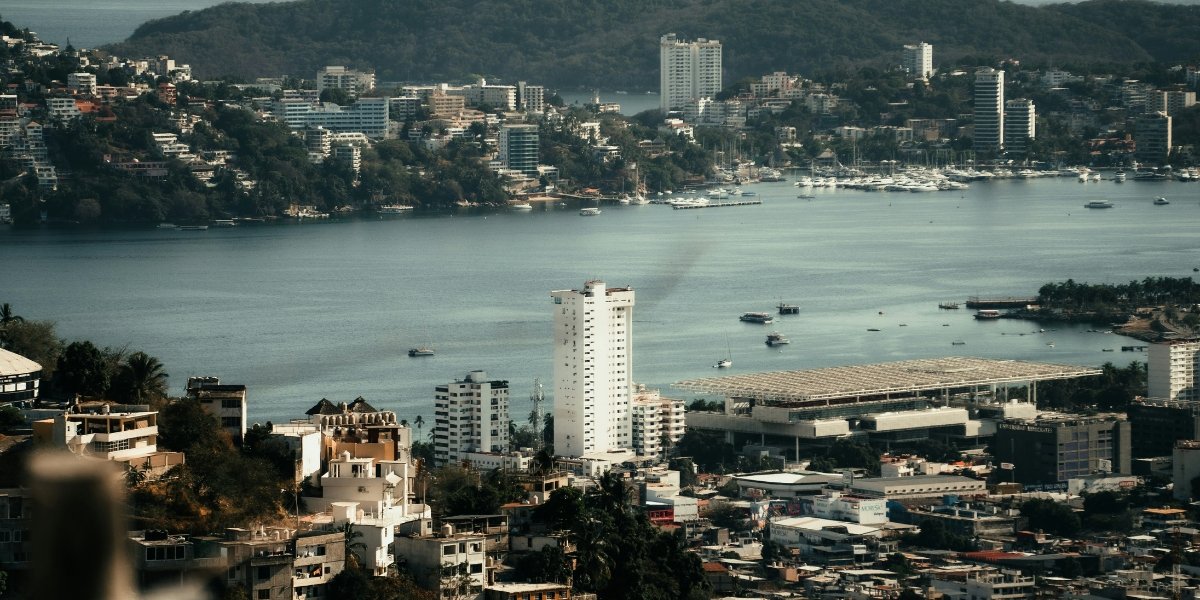
Photo Credit: Unsplash.com
Mexico lies in the Pacific Ring of Fire, a zone where several tectonic plates meet, making it one of the most seismically active regions in the world. The area near Acapulco has experienced numerous earthquakes over the years, and this latest incident is just one in a long history of seismic events.
In September 2017, Mexico endured a devastating 7.1 magnitude earthquake that claimed over 200 lives and left widespread destruction across central Mexico. Since then, the country has taken significant strides in improving its earthquake preparedness, especially in high-risk zones like Acapulco.
Though major earthquakes in Mexico are not uncommon, this 6.5 magnitude tremor is noteworthy because it serves as a reminder of the region’s vulnerability. Experts continue to monitor seismic activity closely, advising both residents and tourists to follow safety guidelines in the event of future tremors.
Emergency Response: What to Do if You’re in an Earthquake Zone
For those living in or traveling to earthquake-prone regions like Acapulco, knowing what to do during and after a quake is critical. Here are some tips for staying safe during an earthquake:
Drop, Cover, and Hold On: This is the most widely recommended action during a quake. Drop to the ground, take cover under a sturdy object, and hold on until the shaking stops.
Stay Indoors: If you’re inside when the shaking begins, stay indoors. Avoid windows, exterior walls, and doorways. If you’re outside, move to an open area away from buildings, trees, and power lines.
Stay Informed: Listen to local authorities and media outlets for updates on aftershocks and emergency instructions. Emergency kits with food, water, and medical supplies should be ready, especially for those living in areas with high seismic activity.
Aftershocks: The Risk of Further Earthquakes
Aftershocks are common following significant earthquakes, and experts are cautioning that the region may experience further seismic activity in the days following the initial tremor. Aftershocks can be less intense than the main quake but can still cause significant damage, especially to already weakened structures.
Local authorities continue to monitor seismic activity closely, with several smaller aftershocks already reported. Emergency teams are on alert, and residents are being advised to stay indoors and avoid risky areas until the situation stabilizes.
The Global Response to the Mexico Earthquake
The international community has also responded to the earthquake, with many countries expressing solidarity with Mexico. The United States, in particular, has offered assistance through the U.S. Agency for International Development (USAID), which has provided resources to aid in search-and-rescue operations and infrastructure assessment.
The United Nations has also issued a statement of support, urging countries in the region to be prepared for any additional seismic events. Mexico’s close proximity to the U.S. means that many U.S. citizens and tourists are impacted, making the global response even more critical.
The Road to Recovery: Mexico’s Earthquake Preparedness
Despite the immediate aftermath of the 6.5 magnitude earthquake, Mexico’s infrastructure has generally held up well, thanks in part to the country’s proactive measures in earthquake preparedness. This includes stricter building codes, regular earthquake drills, and public awareness campaigns designed to help residents respond effectively during a seismic event.
While the immediate damage reports seem less severe than initially feared, it’s important for Mexico to continue reinforcing its earthquake response strategies. As climate change leads to more unpredictable natural disasters, resilience becomes a key factor in Mexico’s ongoing efforts to safeguard its citizens and visitors alike.