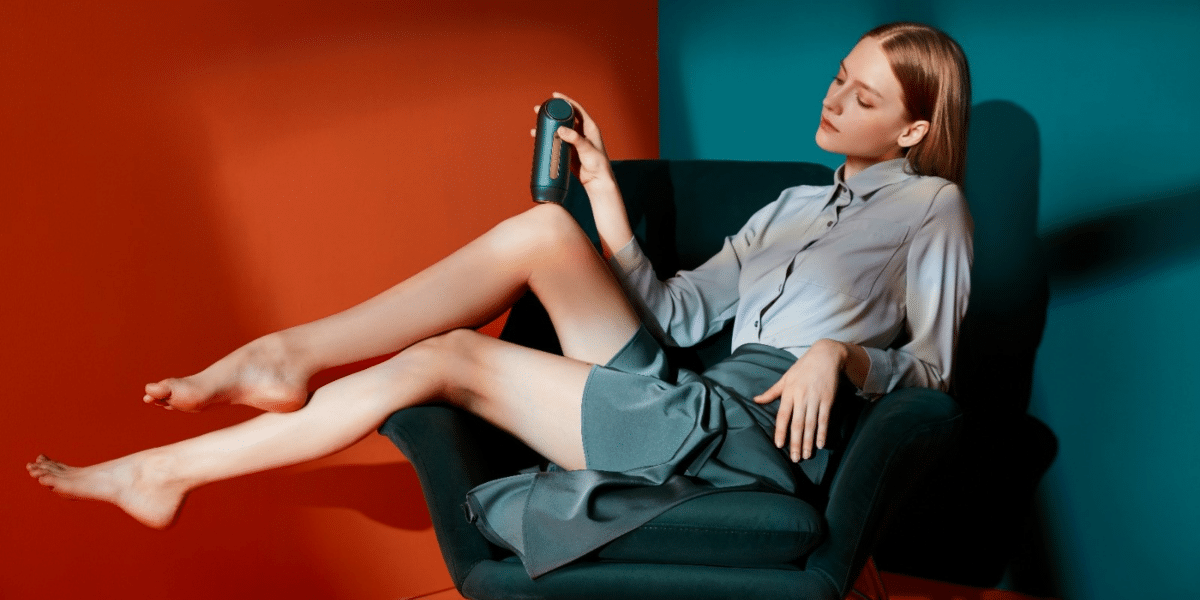
Why Starting a Studio for Rent Makes for a Good Entrepreneurial Venture

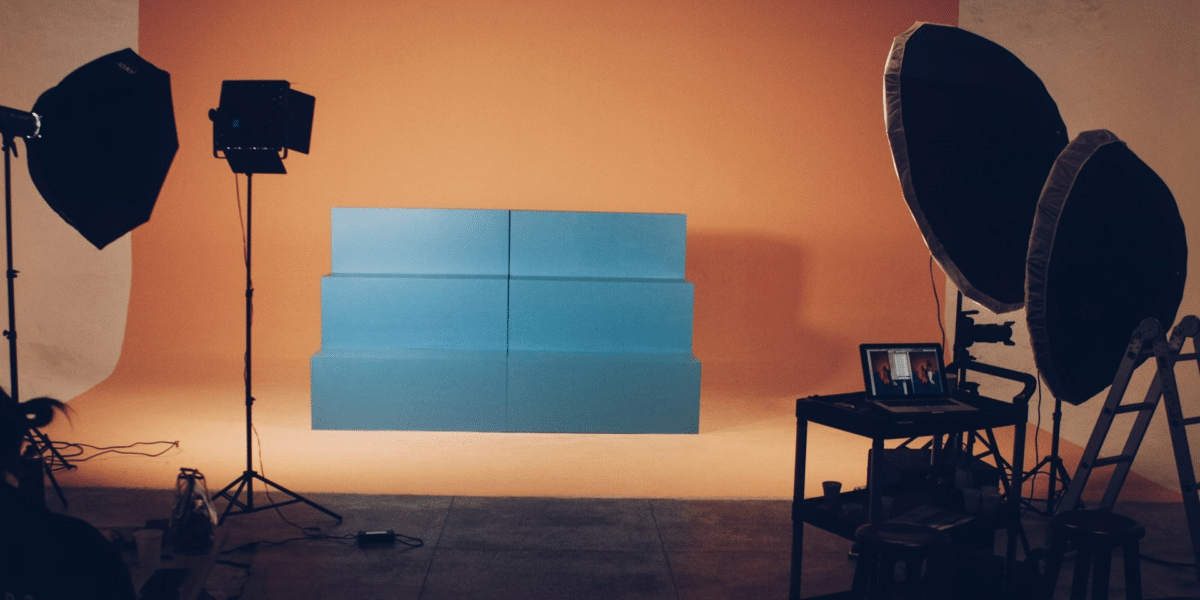
In the realm of entrepreneurship, the opportunities for innovative ventures are boundless. For those with a passion for creativity and a knack for business acumen, starting a studio for rent can be a lucrative and fulfilling endeavor. Whether it’s a photography studio, art space, or recording studio, renting out a dedicated workspace offers numerous benefits for both entrepreneurs and their clients. In this article, we delve into the reasons why starting a studio for rent makes for a compelling entrepreneurial venture.

Meeting the Needs of Creatives

Creativity knows no bounds, but finding the right space to bring artistic visions to life can be a challenge for many creatives. Whether it’s photographers in need of a controlled environment for shoots, artists seeking a quiet space to work on their craft, or musicians looking for a soundproof room to record their music, the demand for dedicated studio spaces is ever-present.

By providing a well-equipped and professionally managed studio for rent, entrepreneurs can cater to the needs of these creatives and offer them a space where they can unleash their creativity without constraints. This not only fills a gap in the market but also fosters a supportive ecosystem where artists can thrive and collaborate.

Generating Passive Income

One of the most attractive aspects of starting a studio for rent is the potential for generating passive income. Once the studio is set up and operational, entrepreneurs can earn revenue from renting out the space on a recurring basis. This steady stream of income can provide financial stability and supplement other sources of revenue, making it an appealing option for entrepreneurs looking to diversify their income streams.

Moreover, the scalability of the business model allows entrepreneurs to expand their studio rental offerings over time, adding additional rooms or amenities to cater to evolving client needs. With careful planning and management, a studio for rent can become a profitable and sustainable business venture.

Flexibility and Versatility

Another advantage of starting a studio for rent is the flexibility and versatility it offers. Unlike traditional brick-and-mortar businesses, studio rentals are not tied to a specific location or market. Entrepreneurs have the freedom to set up their studio in a variety of locations, from urban centers to suburban neighborhoods, depending on their target clientele and business objectives.

Furthermore, the versatility of studio spaces allows entrepreneurs to cater to a diverse range of industries and use cases. A photography studio can double as a video production space, an art studio can host workshops and classes, and a recording studio can accommodate live performances and events. This adaptability enables entrepreneurs to maximize the utility of their studio space and attract a wider range of clients.

Building a Community and Network

Beyond just providing a physical space, starting a studio for rent allows entrepreneurs to cultivate a vibrant community of artists, creatives, and professionals. By hosting networking events, workshops, and collaborative projects, entrepreneurs can foster connections and facilitate meaningful interactions among their clients.

This sense of community not only enhances the overall studio experience but also opens up opportunities for collaboration and mutual support. Artists can share resources, knowledge, and expertise, leading to creative synergy and innovation. Additionally, building a strong network of clients and partners can help entrepreneurs attract new business and expand their reach in the industry.

In conclusion, starting a studio for rent offers a compelling entrepreneurial opportunity for those with a passion for creativity and a desire to support fellow artists and professionals. By meeting the needs of creatives, generating passive income, and providing flexibility and versatility, entrepreneurs can build a successful and sustainable business venture in the studio rental industry.

Moreover, by fostering a sense of community and network among their clients, entrepreneurs can create a supportive ecosystem where artists can thrive and collaborate. As the demand for dedicated studio spaces continues to grow, the potential for entrepreneurial success in this space is vast. With careful planning, strategic thinking, and a commitment to excellence, starting a studio for rent can be a rewarding journey towards financial prosperity and creative fulfillment.

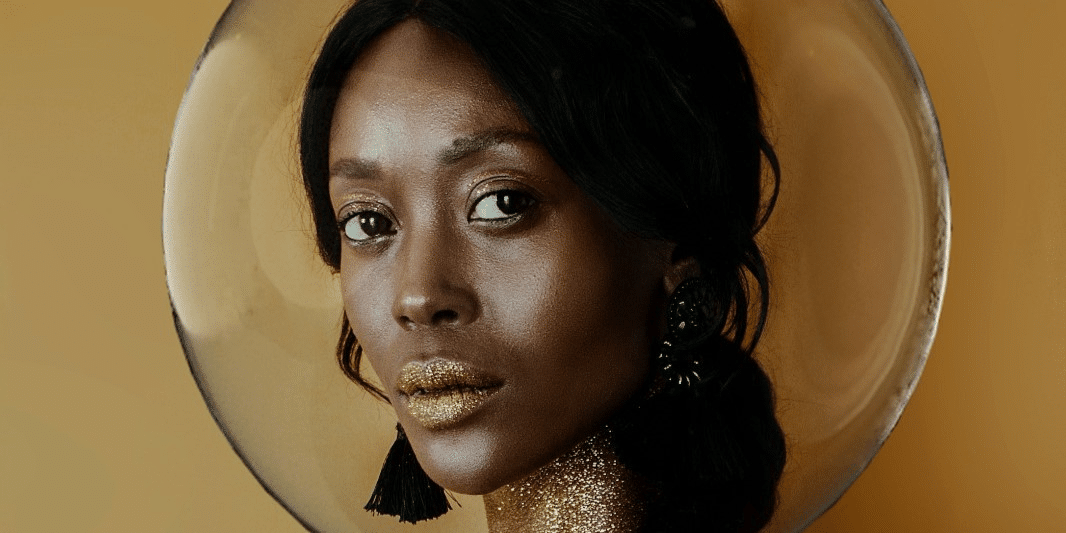
Transforming for the Role: The Art of Dying Hair in Preparation for Acting

For actors, undergoing physical transformations to embody a character is a common practice that can elevate their performances to new heights of authenticity and realism. One aspect of this transformation process is dying hair to prepare for a role. Whether it’s adopting a new hair color to match a character’s appearance or embracing the signs of aging for a more mature role, dying hair is a powerful tool that allows actors to fully immerse themselves in their characters. In this article, we explore the art of dying hair in preparation for acting and the impact it can have on performances.

Understanding the Character

Before dying their hair for a role, actors must first gain a deep understanding of the character they will be portraying. This involves studying the character’s backstory, personality, motivations, and physical appearance. By understanding the nuances of the character, actors can make informed decisions about how best to transform their appearance, including their hair color and style.

Choosing the Right Color

Selecting the right hair color is crucial for effectively transforming into a character. Actors must consider not only the character’s appearance but also the time period and setting of the story. Whether it’s bleaching hair to achieve a platinum blonde look or dyeing it darker to convey a sense of mystery and intrigue, the chosen hair color should enhance the actor’s portrayal of the character and help bring them to life on screen.

Consulting with Professionals

Dying hair for a role is a delicate process that requires the expertise of professional hairstylists and colorists. Actors should work closely with these professionals to ensure that their hair is dyed safely and effectively. From selecting the right hair dye and color to minimizing damage and maintaining the health of their hair, hairstylists can provide invaluable guidance and support throughout the transformation process.

Embracing the Transformation

Undergoing a physical transformation, such as dying hair for a role, can be a transformative experience for actors both mentally and emotionally. Embracing the changes to their appearance allows actors to fully inhabit their characters and explore new facets of their performances. Whether it’s stepping into the shoes of a historical figure or embodying a fictional character from a beloved novel, dying hair can help actors connect more deeply with their roles and deliver more authentic and compelling performances.

Commitment to the Craft

Dying hair for a role requires a high level of commitment and dedication to the craft of acting. It’s not just about changing one’s appearance; it’s about fully immersing oneself in the world of the character and telling their story with honesty and integrity. Actors who are willing to undergo physical transformations for their roles demonstrate a profound commitment to their craft and a willingness to go above and beyond to bring their characters to life.

Impact on Performances

The impact of dying hair for a role can extend beyond just the physical appearance of the actor. It can also have a profound effect on their performances, allowing them to inhabit their characters more fully and convincingly. By embracing the changes to their appearance, actors can tap into new aspects of their characters’ personalities and emotions, resulting in more nuanced and layered performances that resonate with audiences.

Transforming into the Characters

Dying hair to prepare for a role is a common practice among actors that allows them to undergo physical transformations and fully embody their characters. By understanding the character, choosing the right hair color, consulting with professionals, embracing the transformation, and committing to the craft, actors can effectively use dying hair as a tool to enhance their performances and bring their characters to life on screen. Through their dedication and commitment, actors demonstrate the transformative power of the art of acting and the lengths they are willing to go to in order to tell compelling and authentic stories.

Mastering the Regal Persona: Techniques for Portraying Royalty

Portraying royalty is a timeless and captivating challenge for actors, requiring a delicate balance of grace, authority, and charisma. Whether depicting historical monarchs or fictional rulers, actors must embody the regal persona with authenticity and conviction to captivate audiences and bring royal characters to life on stage and screen. In this article, we explore techniques for portraying royalty and delve into the nuances of embodying regal characters with elegance and power.

Embodying Grace and Poise

One of the defining characteristics of royalty is their innate grace and poise. From the way they walk and stand to their gestures and mannerisms, royal figures exude an air of elegance and refinement that sets them apart from commoners. Actors portraying royalty must pay close attention to their posture, movement, and deportment, striving to convey a sense of effortless grace and dignity in every gesture and expression.

Cultivating Authority and Presence

In addition to grace and poise, royalty exude a commanding presence and authority that demands respect and attention. Actors must project confidence, strength, and authority in their portrayal of royal characters, conveying a sense of power and leadership that inspires loyalty and obedience. This may involve speaking with clarity and conviction, maintaining eye contact, and projecting their voice with authority and conviction.

Honing Elocution and Speech Patterns

Royal characters often speak with a distinct elocution and speech patterns that reflect their upbringing and social status. Actors must carefully study the accents, dialects, and speech patterns associated with royalty, whether it’s the Received Pronunciation of British monarchs or the formal language of fantasy kingdoms. By honing their elocution and speech patterns, actors can add authenticity and depth to their portrayal of royal characters, transporting audiences to the majestic world of kings and queens.

Understanding Etiquette and Protocol

Etiquette and protocol are integral aspects of royal life, governing everything from social interactions to ceremonial events. Actors portraying royalty must familiarize themselves with the intricacies of royal etiquette and protocol, including rules of address, seating arrangements, and ceremonial rituals. By understanding and adhering to these protocols, actors can convey a sense of authenticity and authenticity in their portrayal of royal characters, immersing audiences in the grandeur and tradition of royal courts.

Embracing Emotional Complexity

Beneath the façade of regal composure, royal characters often grapple with complex emotions and personal struggles. Actors must delve beneath the surface to explore the emotional depth and complexity of their characters, revealing the vulnerabilities, fears, and desires that lie beneath the regal exterior. Whether it’s portraying the inner turmoil of a conflicted monarch or the quiet strength of a queen facing adversity, actors must embrace the emotional complexity of royal characters to create performances that resonate with audiences on a profound level.

Incorporating Costume and Props

Costume and props play a crucial role in bringing royal characters to life, helping to establish their status, personality, and era. Actors must work closely with costume designers and prop masters to create authentic and visually striking costumes and accessories that reflect the time period and social status of their characters. From ornate crowns and regal robes to elegant gowns and ceremonial regalia, every detail contributes to the overall portrayal of royalty and enhances the audience’s immersion in the world of the story.

Mastering the Craft of Regality 

Portraying royalty is a challenging yet rewarding endeavor for actors, requiring a combination of grace, authority, and emotional depth. By embodying grace and poise, cultivating authority and presence, honing elocution and speech patterns, understanding etiquette and protocol, embracing emotional complexity, and incorporating costume and props, actors can create compelling and unforgettable portrayals of royal characters that captivate audiences and leave a lasting impression. Through dedication, research, and a commitment to authenticity, actors can transport audiences to the majestic world of kings and queens, inspiring awe and admiration with their regal performances.

Finding Suitable Models for Surfboard Advertisements: A Guide to Capturing the Perfect Wave

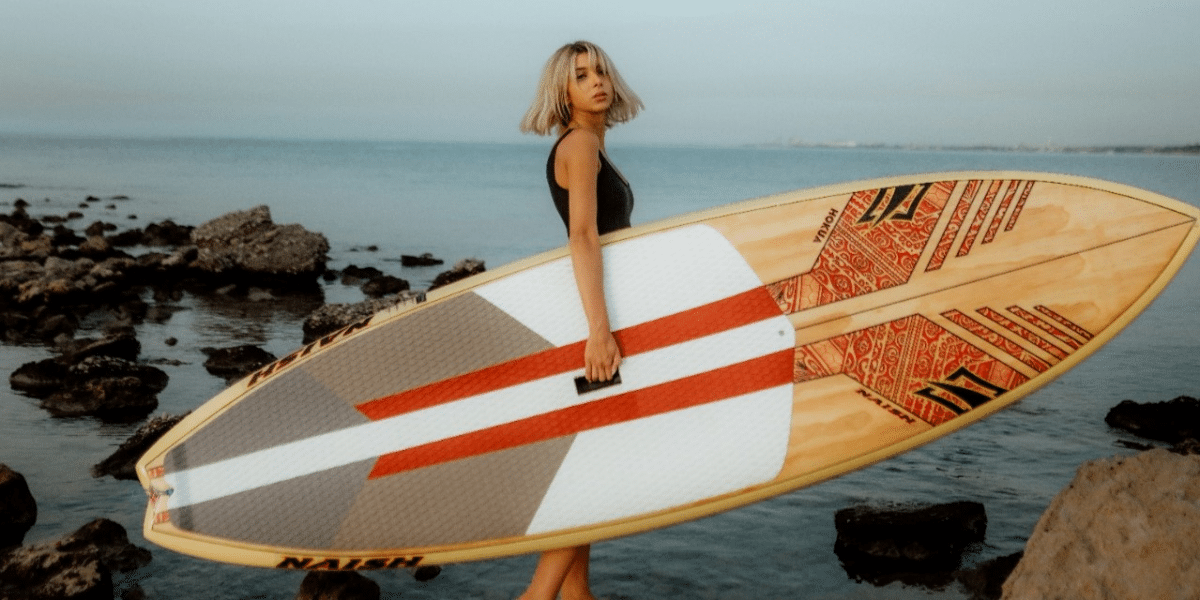
Surfboard advertisements rely heavily on visual appeal, and choosing the right model can make or break the effectiveness of a campaign. Whether it’s showcasing the latest board designs or promoting a surfing lifestyle, finding suitable models who embody the spirit of surfing is essential for capturing the attention of consumers and driving sales. In this article, we explore the process of selecting models for surfboard advertisements and offer tips for finding the perfect wave rider to represent your brand.

Understanding the Brand Identity

Before embarking on the search for models, it’s crucial to have a clear understanding of the brand identity and target audience. Are you promoting high-performance surfboards for professional athletes, or are you selling beginner-friendly boards for recreational surfers? Understanding the brand’s image, values, and target market will help narrow down the pool of potential models and ensure that they align with the overall marketing strategy.

Embracing Diversity and Inclusivity

Surfing is a sport that attracts people from all walks of life, and advertisements should reflect this diversity and inclusivity. When selecting models for surfboard advertisements, consider representing a range of ages, genders, ethnicities, and body types to appeal to a broader audience. Embracing diversity not only reflects the reality of the surfing community but also sends a powerful message of inclusivity and acceptance to consumers.

Showcasing Skill and Authenticity

While physical appearance is important, it’s equally essential to choose models who possess genuine surfing skill and authenticity. Consumers can quickly spot a model who lacks experience in the water, so prioritize candidates who are competent surfers and can perform well on camera. Authenticity is key in surfboard advertisements, and featuring real surfers who are passionate about the sport will resonate more with audiences than overly staged or scripted content.

Leveraging Social Media and Influencers

In today’s digital age, social media platforms offer a wealth of opportunities for connecting with potential models and influencers who can help promote surfboard brands. Look for surfers with a strong online presence and engaged followership, as they can help amplify the reach of your advertisements and generate buzz around new product launches or campaigns. Collaborating with influencers also allows brands to tap into niche communities within the surfing world and reach audiences who are passionate about the sport.

Conducting Casting Calls and Auditions

Once you have a clear idea of the brand identity and target audience, it’s time to start the casting process. Host casting calls or auditions to find potential models who embody the spirit of surfing and align with the brand’s image and values. Look for candidates who exude confidence, enthusiasm, and charisma both on and off the water. Consider partnering with surf schools, local surf clubs, or professional surfers to help identify talent and spread the word about casting opportunities.

Building Relationships and Long-Term Partnerships

Finding suitable models for surfboard advertisements is just the beginning of the journey. Building strong relationships with models and surfers can lead to long-term partnerships that benefit both parties. Invest in nurturing these relationships by providing opportunities for career growth, offering support and mentorship, and involving models in the creative process. By fostering a sense of loyalty and mutual respect, brands can create lasting connections with their ambassadors and ensure the success of future campaigns.

Understanding the Audience and Emphasis on Diversity

Finding suitable models for surfboard advertisements requires careful consideration of brand identity, diversity, authenticity, and skill. By understanding the target audience and embracing diversity and inclusivity, brands can connect with a broader range of consumers and foster a sense of community within the surfing world. Leveraging social media, hosting casting calls, and building long-term partnerships with models and influencers are all essential strategies for finding the perfect wave riders to represent your brand. With the right models and a thoughtful approach to casting, surfboard advertisements have the potential to inspire, engage, and captivate audiences around the world.

Maximizing Location Potential: Elevating Photoshoots with Strategic Settings

In the realm of photography, the choice of location holds immense significance, often dictating the mood, narrative, and visual impact of a photoshoot. Whether capturing portraits, fashion spreads, or editorial content, photographers strategically seek out locations that enhance the storytelling and aesthetic value of their work. This article delves into the importance of leveraging location in photoshoots and provides insights into maximizing the potential of various settings to create captivating and memorable images.

Selecting the Right Location

Choosing the ideal location is the foundational step in optimizing the potential of a photoshoot. Photographers meticulously assess potential settings, considering their aesthetic qualities, architectural features, and natural elements. The selected location should seamlessly align with the overarching concept and style of the photoshoot. Whether opting for urban landscapes, serene natural environments, or captivating architectural wonders, the key lies in finding settings that complement the narrative and visual direction of the imagery.

Incorporating Context and Storytelling

One of the inherent advantages of shooting on location is the ability to infuse context and storytelling into the images. By integrating the surrounding environment, photographers imbue their work with depth, authenticity, and a sense of place. Utilizing elements such as bustling city streets, tranquil natural backdrops, or historic landmarks allows photographers to convey a narrative that resonates with viewers on a visceral level. Thoughtful composition and framing further enhance the storytelling, creating images that evoke emotion and intrigue.

Utilizing Natural Light and Environmental Elements

The dynamic interplay between natural light and environmental elements adds a layer of visual richness and dimensionality to on-location photoshoots. Photographers harness the nuances of natural light, experimenting with different times of day to capture its varied qualities—from the soft, ethereal glow of sunrise to the dramatic contrasts of midday sun. Additionally, environmental elements such as foliage, water features, and architectural details serve as compositional tools, enhancing the visual interest and framing the subject with elegance and sophistication.

Overcoming Challenges and Limitations

While shooting on location offers unparalleled opportunities for creativity and authenticity, it also presents unique challenges and logistical considerations. Photographers must navigate factors such as unpredictable weather conditions, lighting constraints, and logistical hurdles with adaptability and foresight. Flexibility and resourcefulness are essential traits as photographers adjust their plans and problem-solve on the fly to ensure a successful outcome. Having contingency plans in place helps mitigate potential disruptions and allows for a smoother photoshoot experience.

Embracing Diversity and Authenticity

In today’s photography landscape, diversity and authenticity are paramount. Choosing diverse locations that reflect the cultural, geographical, and social diversity of the world adds depth and richness to photographic storytelling. Embracing authenticity in location selection allows photographers to capture genuine moments and narratives that resonate with a diverse audience. By celebrating the uniqueness of each location, photographers contribute to a more inclusive and representative visual narrative that reflects the richness and complexity of the human experience.

A Unique Art Form

Maximizing location potential in photoshoots is an art form that requires creativity, intentionality, and adaptability. By selecting the right location, incorporating context and storytelling, utilizing natural light and environmental elements, overcoming challenges, and embracing diversity and authenticity, photographers can elevate their work to new heights of creativity and impact. Each location offers a canvas for visual storytelling, and by leveraging its unique qualities, photographers can create images that transcend the ordinary, leaving a lasting impression on viewers and connecting them to the world in profound ways.

The Rise of Homemade Cosmetics as an Entrepreneurial Trend

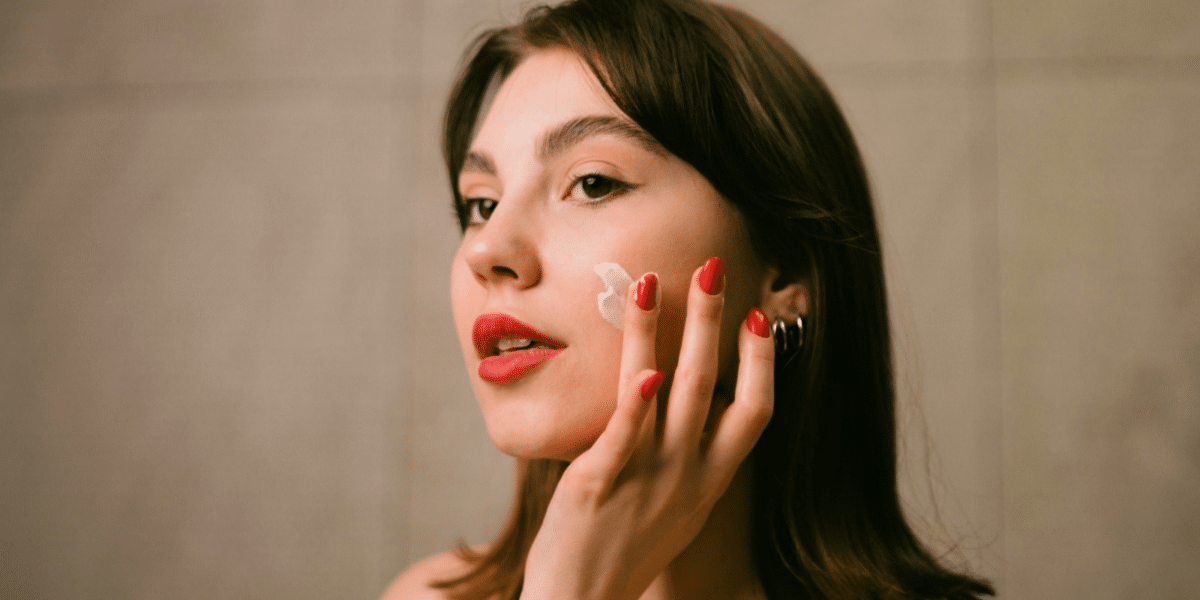
In recent years, there has been a notable shift in the beauty industry, with an increasing number of entrepreneurs turning to homemade cosmetics as a means of expressing their creativity and meeting the growing demand for natural and sustainable products. This trend has gained momentum as consumers become more conscious of the ingredients in their skincare and makeup products, as well as the environmental impact of traditional beauty brands. In this article, we explore how homemade cosmetics have emerged as a thriving entrepreneurial trend and the factors driving their popularity.

The Appeal of Homemade Cosmetics

Homemade cosmetics offer a myriad of benefits that appeal to both creators and consumers alike. For entrepreneurs, formulating and producing their own skincare and makeup products allows them to exercise their creativity and craftsmanship. It provides an outlet for experimentation with different ingredients, textures, and formulations, enabling them to develop unique and innovative products that stand out in a crowded market.


From a consumer perspective, homemade cosmetics offer the allure of natural and organic ingredients, free from harsh chemicals and additives commonly found in mass-produced beauty products. Many individuals are drawn to the transparency and authenticity of homemade cosmetics, as they can see exactly what goes into each product and have greater confidence in its safety and efficacy.

Meeting the Demand for Sustainability

The rise of homemade cosmetics also reflects a growing awareness of sustainability and environmental responsibility within the beauty industry. As consumers become more mindful of their consumption habits and the impact of their choices on the planet, they are increasingly seeking out eco-friendly alternatives to conventional beauty products.

Homemade cosmetics allow entrepreneurs to source ingredients ethically, minimize packaging waste, and reduce their carbon footprint. By utilizing natural and biodegradable materials, avoiding harmful chemicals, and implementing eco-friendly production methods, homemade cosmetics align with the values of environmentally conscious consumers and contribute to a more sustainable beauty industry.

Empowering Small Business Owners

Another factor driving the popularity of homemade cosmetics as an entrepreneurial trend is the rise of small-scale, independent beauty brands. With the advent of social media and e-commerce platforms, aspiring entrepreneurs have unprecedented access to global markets and can easily establish their own brands and reach customers worldwide.

This democratization of the beauty industry has empowered individuals to start their own businesses from the comfort of their homes, bypassing the traditional barriers to entry such as high startup costs and distribution challenges. It has paved the way for a diverse array of niche beauty brands catering to specific preferences and demographics, offering consumers greater choice and variety in the products they purchase.

Overcoming Challenges

Despite the numerous opportunities presented by the homemade cosmetics trend, entrepreneurs face several challenges in building successful businesses in this space. Competition is fierce, with countless new brands entering the market every day, making it difficult to stand out and capture consumers’ attention.

Additionally, ensuring product quality, consistency, and safety is paramount in the beauty industry, requiring entrepreneurs to invest time and resources in research, testing, and compliance with regulatory standards. Building trust and credibility with customers is essential for long-term success, necessitating transparent communication, stellar customer service, and a commitment to quality and integrity.

Embracing Innovation and Collaboration

To thrive in the competitive landscape of homemade cosmetics, entrepreneurs must embrace innovation and collaboration as key strategies for differentiation and growth. This can involve leveraging technology to streamline production processes, optimize supply chain management, and enhance the customer experience.

Furthermore, forming partnerships with other small businesses, influencers, and community organizations can help amplify brand visibility and reach new audiences. By fostering a sense of community and shared values, homemade cosmetics brands can cultivate loyal customers and build a strong support network to sustain their businesses in the long run.

In conclusion, the rise of homemade cosmetics as an entrepreneurial trend reflects shifting consumer preferences towards natural, sustainable, and transparent beauty products. Entrepreneurs are capitalizing on this trend by creating their own skincare and makeup brands, offering unique and innovative alternatives to traditional beauty products.

Driven by a desire for creativity, sustainability, and independence, homemade cosmetics have emerged as a vibrant and dynamic sector within the beauty industry. While challenges abound, aspiring entrepreneurs have ample opportunities to carve out their niche, connect with consumers, and build successful businesses that resonate with their values and aspirations. As the homemade cosmetics trend continues to evolve, it promises to shape the future of beauty entrepreneurship and redefine the standards of the industry.

Emphasizing the Search for the Right Model to Carry Your Brand: A Guide to Successful Brand Representation

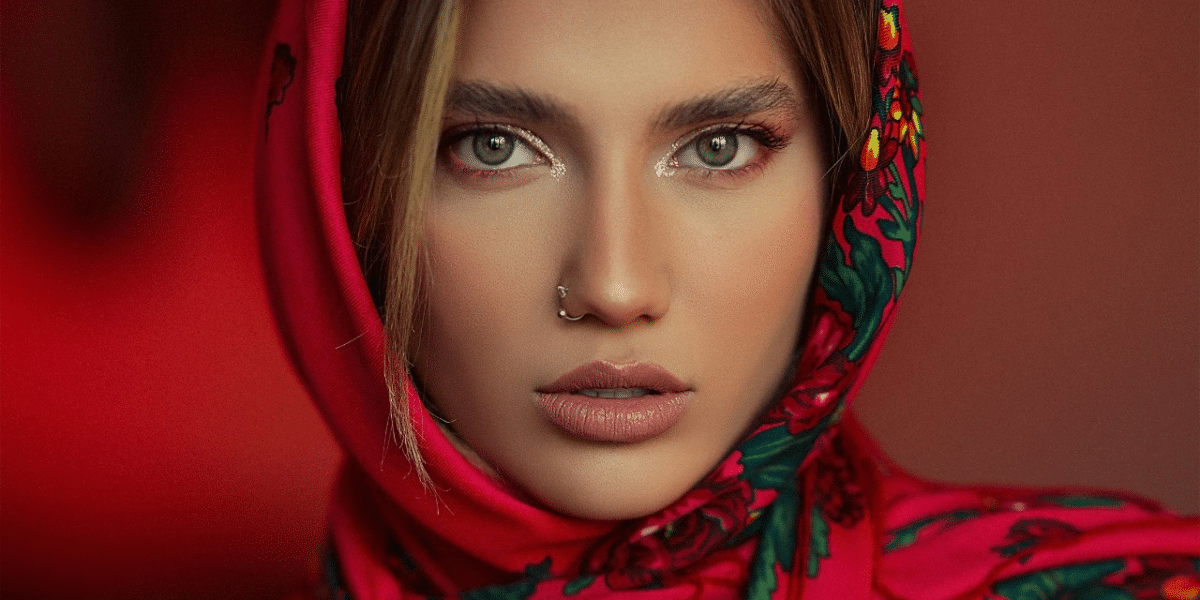
In the competitive landscape of marketing and advertising, selecting the right model to represent your brand is crucial for success. Whether you’re launching a new product, promoting a lifestyle, or cultivating a specific brand image, the model you choose plays a significant role in shaping consumer perceptions and driving engagement. In this article, we delve into the importance of emphasizing the search for the right model to carry your brand and offer insights into the selection process.

Defining Your Brand Identity

Before embarking on the search for a brand model, it’s essential to have a clear understanding of your brand identity and values. What message do you want to convey to your target audience? What emotions do you want to evoke? By defining your brand’s personality, tone, and aesthetic, you can identify the type of model who best embodies these characteristics and resonates with your audience.

Identifying Your Target Audience

Understanding your target audience is another key aspect of selecting the right model for your brand. Who are your ideal customers? What are their demographics, interests, and aspirations? By gaining insights into your target audience’s preferences and lifestyle, you can choose a model who reflects their values and aspirations, making your brand more relatable and appealing to prospective customers.

Seeking Authenticity and Relatability

In today’s digital age, consumers crave authenticity and relatability from the brands they engage with. When selecting a model, prioritize authenticity over superficial beauty or fame. Look for individuals who exude genuine confidence, charisma, and personality, as these traits resonate more with audiences than overly polished or staged images. Authenticity builds trust and credibility with consumers, fostering long-term relationships and loyalty to your brand.

Embracing Diversity and Inclusivity

Inclusivity and diversity are essential considerations when selecting a model to represent your brand. Embrace diversity in all its forms, including age, gender, ethnicity, body type, and background. By featuring a diverse range of models in your marketing campaigns, you can appeal to a broader audience and demonstrate your commitment to equality and representation. Inclusivity fosters a sense of belonging and acceptance among consumers, strengthening their connection to your brand.

Conducting Thorough Auditions and Screenings

Once you have a clear vision of your brand identity and target audience, it’s time to start the search for the perfect model. Conduct thorough auditions, screenings, and casting calls to identify candidates who align with your brand’s values and aesthetics. Look beyond physical appearance and consider factors such as personality, demeanor, and professionalism. Involve key stakeholders, such as marketing teams, creative directors, and brand ambassadors, in the selection process to ensure alignment with the brand’s overall strategy and objectives.

Building Long-Term Relationships

Selecting the right model is just the beginning of a successful brand partnership. Invest in building long-term relationships with your models, providing opportunities for growth, collaboration, and mutual support. Models who feel valued and respected by your brand are more likely to be enthusiastic advocates and ambassadors, generating positive word-of-mouth and social media buzz that can enhance your brand’s visibility and reputation.

Establishing Brand Identity with the Right Model

Emphasizing the search for the right model to carry your brand is essential for successful brand representation and engagement. By defining your brand identity, identifying your target audience, seeking authenticity and relatability, embracing diversity and inclusivity, conducting thorough auditions and screenings, and building long-term relationships, you can select models who authentically embody your brand’s values and resonate with your audience. A well-chosen model can elevate your brand’s image, drive consumer engagement, and foster long-term loyalty, making them a valuable asset in your marketing arsenal. As you navigate the process of selecting models for your brand, remember to prioritize authenticity, diversity, and alignment with your brand’s vision and values.

Enhancing Fashion Shoots: The Vibrance of Orange and Teal

Fashion photography is an art form that thrives on innovation and creativity, constantly seeking new ways to captivate audiences and make a lasting impression. In recent years, the use of complementary colors, particularly orange and teal, has emerged as a popular technique for adding vibrance and dynamism to fashion shoots. In this article, we delve into the reasons why orange and teal are so effective in enhancing fashion photography and explore how photographers can harness the power of these colors to create stunning and memorable images that stand out in a crowded visual landscape.

Creating Visual Contrast and Depth

One of the primary reasons why orange and teal are such effective choices for fashion photography is their ability to create striking visual contrast and depth. As complementary colors on the color wheel, orange and teal naturally draw the viewer’s eye and create a sense of dynamism in the image. The warm, vibrant tones of orange contrast beautifully with the cool, serene hues of teal, resulting in an image that is visually compelling and full of energy. This contrast adds depth to the composition, highlighting the model’s features, clothing, and accessories and creating a sense of three-dimensionality that brings the image to life.

Eliciting Emotional Responses and Setting the Mood

Beyond their visual appeal, orange and teal also have the power to evoke strong emotional responses in viewers and set the mood for the photograph. Orange is often associated with warmth, energy, and vitality, while teal conveys a sense of calm, serenity, and sophistication. By incorporating these colors into the composition, photographers can create images that not only grab the viewer’s attention but also resonate on an emotional level. Whether it’s the excitement of a vibrant orange sunset or the tranquility of a teal-colored ocean, these colors have the ability to transport viewers to another place and time, evoking a wide range of emotions and feelings.

Flattering Skin Tones and Enhancing Natural Beauty

In addition to their emotional impact, orange and teal can also be used to flatter the model’s complexion and enhance their natural beauty. The warm, golden tones of orange can add a healthy glow to the skin, while the cool, blue-green hues of teal can help to neutralize any redness or discoloration. By carefully balancing these colors in the composition, photographers can achieve a flattering and natural-looking result that accentuates the model’s features and highlights their unique beauty. This attention to detail not only enhances the overall aesthetic of the image but also helps to create a connection between the viewer and the subject, drawing them in and inviting them to linger on the image.

Adding Drama, Excitement, and Visual Interest

Another advantage of using orange and teal in fashion photography is their ability to add drama, excitement, and visual interest to the image. Whether it’s through the use of bold, saturated hues or subtle, muted tones, these colors have the power to transform ordinary images into dynamic and visually captivating works of art. By incorporating orange and teal into the background, lighting, props, or wardrobe choices, photographers can infuse their images with a sense of energy and excitement that grabs the viewer’s attention and holds it until the last moment. This sense of drama and excitement not only makes the image more visually appealing but also helps to tell a story and create a sense of intrigue and mystery that leaves a lasting impression on the viewer.

Embracing Trends, Aesthetics, and Personal Style

In addition to their aesthetic appeal, the use of orange and teal in fashion photography also reflects broader trends, aesthetics, and personal style preferences within the industry. From high-fashion editorials to social media influencer campaigns, these colors have become synonymous with modernity, sophistication, and style, making them a popular choice among photographers and brands alike. By incorporating orange and teal into their work, photographers can align themselves with current trends and appeal to audiences who are drawn to the vibrant and dynamic imagery associated with these colors. Whether it’s through the use of lighting, props, wardrobe choices, or post-processing techniques, orange and teal offer endless possibilities for photographers looking to elevate their fashion shoots to new heights of creativity and style.

Adding Spice to the Shoot

The use of orange and teal in fashion photography is a powerful technique for enhancing visual appeal, eliciting emotional responses, and creating dynamic and memorable images. By leveraging the complementary nature of these colors, photographers can achieve striking visual contrast, enhance skin tones, add drama and excitement, and embrace current trends and aesthetics within the industry. Whether it’s through the use of lighting, props, wardrobe choices, or post-processing techniques, orange and teal offer endless possibilities for photographers looking to elevate their fashion shoots to new heights of creativity and style.

Elevating Your Brand: The Power of Song Covers for Artists

In the competitive landscape of the music industry, artists are constantly seeking innovative ways to stand out and connect with audiences. One powerful strategy that has gained popularity in recent years is the creation of song covers. While covering another artist’s song may seem like a simple endeavor, it can actually be a highly effective tool for boosting your brand as an artist. In this article, we explore the benefits of song covers and how they can help elevate your brand and expand your fan base.

Showcasing Your Artistic Range

One of the key benefits of recording song covers is the opportunity to showcase your artistic range and versatility as an artist. By interpreting and reimagining songs from different genres and styles, you can demonstrate your ability to adapt and innovate, appealing to a broader audience with diverse musical tastes. Whether it’s putting a unique spin on a classic rock anthem or infusing a pop hit with your own soulful vocals, song covers allow you to flex your creative muscles and showcase your individuality as an artist.

Connecting with Your Audience

Song covers also offer a powerful way to connect with your audience on a deeper level. By choosing songs that resonate with your fans and tapping into the emotional and nostalgic appeal of familiar favorites, you can create a sense of intimacy and connection that strengthens your bond with listeners. Whether you’re paying homage to your musical influences or sharing personal stories through song, covers allow you to engage with your audience in a meaningful and authentic way, fostering a sense of community and loyalty among fans.

Expanding Your Fan Base

In addition to engaging with your existing fan base, song covers can also help you reach new audiences and expand your fan base. When you cover a popular song or collaborate with other artists on a cover project, you can tap into their fan bases and leverage their audience to increase your visibility and reach. By exposing your music to a wider audience through covers, you can attract new listeners who may not have discovered your original music otherwise, ultimately growing your fan base and building momentum for your career as an artist.

Building Your Brand Identity

Another benefit of recording song covers is the opportunity to build and reinforce your brand identity as an artist. By carefully selecting songs that align with your musical style, values, and aesthetic, you can curate a cohesive and authentic brand image that resonates with your target audience. Whether you’re known for your soulful vocals, virtuosic guitar playing, or innovative production techniques, covers allow you to showcase your unique talents and personality, helping you to carve out a distinctive niche in the music industry and differentiate yourself from other artists.

Collaborating with Other Artists

Song covers also offer the opportunity to collaborate with other artists and build relationships within the music community. Whether it’s teaming up with fellow musicians on a duet cover or participating in a collaborative cover project with multiple artists, collaborations can help you expand your network, gain exposure to new audiences, and learn from other artists’ perspectives and approaches. By working together with other musicians on covers, you can harness the power of collective creativity and create something truly special that resonates with fans and fellow artists alike.

Taking Your Career to New Heights

Song covers are a valuable tool for artists looking to elevate their brand and connect with audiences in the competitive music industry. From showcasing your artistic range and connecting with your audience to expanding your fan base and building your brand identity, covers offer a myriad of benefits for artists at all stages of their careers. Whether you’re paying homage to your musical influences, collaborating with other artists, or putting your own unique spin on a familiar favorite, covers allow you to express yourself creatively and leave a lasting impression on listeners. By harnessing the power of song covers, you can elevate your brand as an artist and take your music career to new heights.

Excelling in Medical Roles: A Guide for Actors

Portraying medical professionals on screen requires actors to embody the expertise, compassion, and dedication of healthcare professionals. Whether playing doctors, nurses, or other medical personnel, preparing for medical roles involves understanding medical terminology, mastering procedural techniques, and capturing the essence of the healthcare profession. In this article, we explore the steps actors can take to prepare for medical roles and deliver authentic and compelling performances.

Understanding the Medical Profession

The first step in preparing for medical roles is gaining a fundamental understanding of the medical profession. This involves familiarizing oneself with medical terminology, procedures, and protocols commonly used in healthcare settings. Actors should research the roles and responsibilities of different medical professionals, as well as the challenges and pressures they face in their daily work. By gaining insight into the intricacies of the medical profession, actors can better portray the authenticity and professionalism of healthcare professionals on screen.

Shadowing Medical Professionals

One of the most effective ways for actors to prepare for medical roles is to shadow real-life medical professionals in their work environment. By observing doctors, nurses, and other healthcare workers in action, actors can gain firsthand experience of the dynamics and routines of a medical setting. Shadowing allows actors to witness medical procedures, patient interactions, and teamwork in real time, providing valuable insights that can inform their performances and add authenticity to their portrayals on screen.

Studying Medical Texts and Resources

In addition to practical experience, actors should also engage in diligent study of medical texts, journals, and resources to deepen their understanding of medical concepts and procedures. This may involve reading medical textbooks, watching instructional videos, and consulting online resources to familiarize themselves with medical terminology, anatomy, and pharmacology. By immersing themselves in medical knowledge, actors can speak and act with confidence and authority when portraying medical professionals on screen.

Practicing Medical Procedures

To convincingly portray medical professionals, actors must master the technical aspects of medical procedures commonly performed in healthcare settings. This may include practicing basic skills such as taking vital signs, administering medication, and performing CPR. Actors can work with medical consultants or attend workshops to learn proper techniques and protocols for medical procedures, ensuring that their performances are accurate and realistic.

Embracing the Emotional Side

In addition to mastering the technical aspects of medical roles, actors must also capture the emotional complexity of the healthcare profession. This involves conveying empathy, compassion, and resilience in the face of challenging situations. Actors should explore the emotional toll of working in high-pressure medical environments, as well as the joys and triumphs that come from helping others. By tapping into the emotional side of medical roles, actors can create performances that resonate with audiences on a deep and human level.

Maintaining Physical Fitness

Medical professionals are often required to work long hours in physically demanding environments, so actors should prioritize maintaining their physical fitness when preparing for medical roles. This may involve regular exercise, proper nutrition, and sufficient rest to ensure that actors have the stamina and endurance to portray healthcare professionals realistically on screen. By taking care of their physical health, actors can better embody the vitality and resilience of medical professionals in their performances.

Bringing Depth to the Portrayals

Preparing for medical roles requires actors to immerse themselves in the world of healthcare and master the technical, emotional, and physical aspects of the profession. By understanding the medical profession, shadowing medical professionals, studying medical texts and resources, practicing medical procedures, embracing the emotional side, and maintaining physical fitness, actors can deliver authentic and compelling performances that capture the essence of healthcare professionals on screen. Through dedication, research, and hands-on experience, actors can excel in medical roles and bring depth and authenticity to their portrayals, ultimately enriching the storytelling experience for audiences.