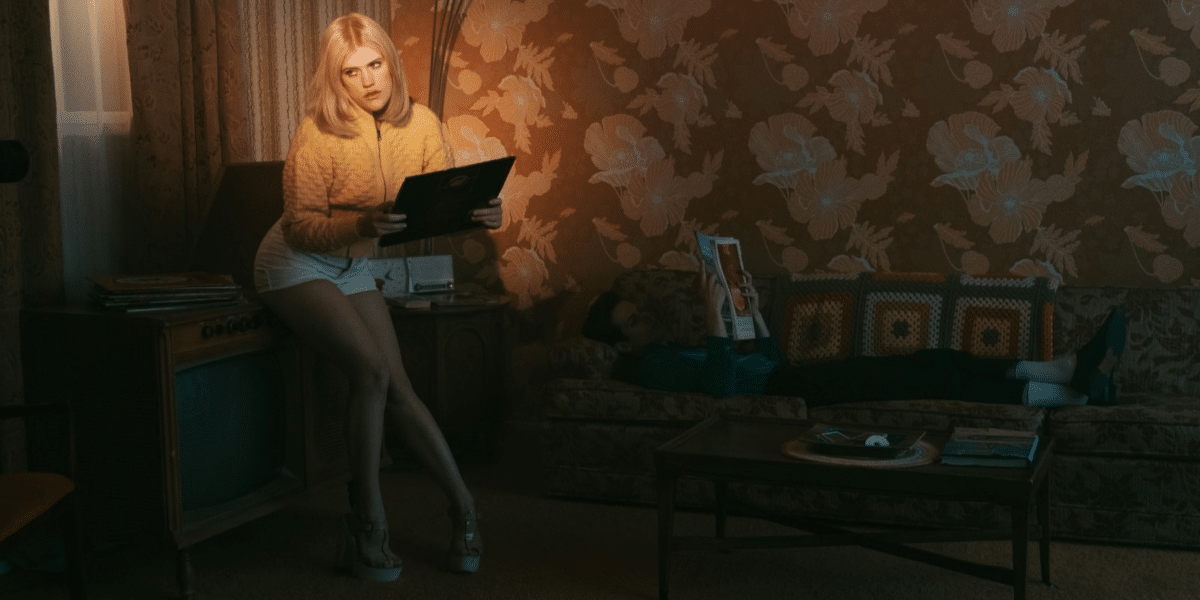
Embracing Nature: The Perfect Setting for Redheaded Models

Nature has long been celebrated as a source of inspiration, beauty, and tranquility. From lush forests and rolling meadows to rugged coastlines and majestic mountains, the natural world offers a rich tapestry of colors, textures, and landscapes that provide the perfect backdrop for photography. For redheaded models, in particular, nature’s beauty complements their unique features in ways that no other setting can match. In this article, we explore why nature is the best setting for redheaded models, highlighting the harmonious relationship between ginger-haired individuals and the natural world.

Celebrating the Harmony of Colors

Red hair, with its vibrant hues ranging from fiery orange to deep auburn, harmonizes effortlessly with the rich palette of colors found in nature. Whether surrounded by the golden hues of autumn leaves, the verdant greens of a forest canopy, or the azure blues of a tranquil lake, redheaded models stand out against the backdrop of their natural surroundings. The complementary colors create a visual symphony that captures the viewer’s attention and evokes a sense of warmth, vitality, and vitality.

Amplifying Natural Beauty

Nature has a way of enhancing and amplifying the natural beauty of redheaded models. The soft, diffused light of sunrise or sunset bathes the landscape in a warm, golden glow, casting a flattering light on the model’s features and accentuating their fiery locks. The textures and patterns found in nature, such as the rough bark of a tree, the delicate petals of a wildflower, or the smooth surface of a river rock, provide tactile contrast that adds depth and interest to the composition. By immersing themselves in nature, redheaded models can connect with their environment on a deeper level, resulting in images that are both captivating and authentic.

Embracing a Sense of Whimsy and Wonder

Red hair is often associated with traits such as creativity, individuality, and a sense of whimsy, making nature the perfect setting for redheaded models to express themselves fully. From frolicking in fields of wildflowers to dancing along sandy shores, the natural world offers endless opportunities for exploration and adventure. Redheaded models can embrace their playful side, letting their hair cascade freely in the breeze as they revel in the beauty and wonder of their surroundings. Whether capturing candid moments of joy and spontaneity or striking poses that exude confidence and grace, redheaded models bring a sense of magic and charm to any natural setting.

Connecting with the Elemental Forces

Nature has a way of grounding us in the present moment, allowing us to connect with the elemental forces that shape our world. For redheaded models, immersing themselves in nature can be a deeply spiritual and transformative experience. Whether standing atop a windswept cliff, feeling the earth beneath their feet in a sun-dappled forest, or dipping their toes into a crystal-clear stream, redheaded models can tap into the primal energy of the natural world, channeling its power and vitality into their images. By embracing the elements of earth, air, fire, and water, redheaded models can create images that are imbued with a sense of strength, resilience, and connection to the natural world.

Creating a Captivating Image

Nature serves as the perfect setting for redheaded models, providing a harmonious backdrop that celebrates their unique features and amplifies their natural beauty. From the vibrant colors and textures to the sense of whimsy and wonder, nature offers endless opportunities for redheaded models to express themselves fully and connect with their environment on a deeper level. By embracing the beauty and magic of the natural world, redheaded models can create images that are timeless, captivating, and truly unforgettable.


The Enduring Charm of Polaroid Cameras in Modern Photography

Capturing Moments Instantly

In today’s fast-paced world of digital photography, where images are often snapped and forgotten in the blink of an eye, there remains a timeless appeal to the Polaroid camera. Despite the advancements in technology, these iconic instant cameras continue to hold a special place in the hearts of photographers and enthusiasts around the globe. What is it about Polaroid cameras that keeps them relevant in an age dominated by smartphones and digital cameras? Let’s explore the enduring charm of Polaroid photography.

Tangible Memories in a Digital Age

One of the key reasons behind the enduring popularity of Polaroid cameras is their ability to produce tangible, physical prints instantaneously. In an era where most photos are stored in digital formats and rarely printed, Polaroid cameras offer a unique and tangible way to capture and preserve memories. There’s something inherently special about holding a physical photograph in one’s hands, and Polaroid cameras provide an instant gratification that digital photography often lacks. The act of watching a Polaroid print develop before one’s eyes adds an element of excitement and anticipation to the photographic process, turning each capture into a memorable experience.

Creative Expression and Artistic Freedom

Polaroid cameras also offer photographers a sense of creative expression and artistic freedom that is distinct from digital photography. With a Polaroid camera, users have limited control over settings such as exposure and focus, resulting in images that are often unpredictable and imperfect. This element of spontaneity and unpredictability is part of the allure of Polaroid photography, allowing photographers to embrace imperfections and celebrate the beauty of impermanent moments. The unique characteristics of Polaroid prints, such as their soft colors and vintage aesthetic, add an artistic flair to each image, turning ordinary scenes into works of art.

Nostalgia and Vintage Appeal

Another factor contributing to the enduring charm of Polaroid cameras is their nostalgia and vintage appeal. For many photographers, using a Polaroid camera evokes memories of a bygone era, when instant photography was at its peak popularity. The distinctive square format and retro aesthetics of Polaroid prints add to their timeless appeal, making them coveted collector’s items and cherished keepsakes for photographers of all ages. The tactile experience of using a Polaroid camera, from pressing the shutter button to peeling apart the print, transports users back to a simpler time, when photography was a hands-on and tactile process.

Social Sharing and Instant Gratification

In today’s digital age, where instant gratification is the norm, Polaroid cameras offer a unique way to share memories and moments in real-time. Unlike digital photos, which can be easily shared and forgotten with the swipe of a finger, Polaroid prints serve as tangible mementos that can be shared, traded, and displayed with friends and loved ones. The act of taking a Polaroid photo and watching it develop in real-time fosters a sense of anticipation and excitement that is unmatched by digital photography. The physical nature of Polaroid prints also encourages users to cherish and display their photos, turning each print into a conversation starter and a cherished memory.

Polaroid Cameras: Obsolete or Iconic?

Despite their enduring popularity, some critics argue that Polaroid cameras are obsolete relics of the past, overshadowed by the convenience and versatility of digital photography. They point to the limitations of Polaroid cameras, such as their high cost per print and limited functionality compared to digital cameras. However, proponents of Polaroid photography argue that these limitations are precisely what give Polaroid cameras their charm and appeal, offering a unique and nostalgic shooting experience that cannot be replicated with digital technology. The resurgence of interest in analog photography, including Polaroid, is evidence of a growing appreciation for the tactile and tangible qualities of physical media in an increasingly digital world.

Embracing the Legacy of Polaroid Photography

In conclusion, the enduring charm of Polaroid cameras lies in their ability to capture moments instantly, evoke nostalgia, and provide a tangible form of creative expression in a digital age. While digital photography may offer convenience and versatility, Polaroid cameras offer something truly special: a tangible connection to the past and a unique way to capture and share memories. As photographers continue to embrace the legacy of Polaroid photography, these iconic instant cameras will remain a staple in modern photography, inspiring creativity and preserving memories for generations to come. The enduring appeal of Polaroid cameras serves as a reminder that sometimes, the most memorable moments are the ones captured in an instant, with a tangible photograph to hold onto for a lifetime.

The Art of Method Acting: Tips and Considerations

Method acting is a renowned approach to acting that emphasizes the internalization of a character’s emotions and experiences to create authentic and compelling performances. Developed by renowned acting teachers such as Constantin Stanislavski and Lee Strasberg, method acting has produced some of the most iconic performances in film and theater history. However, while method acting can yield remarkable results, it also poses potential risks and challenges for actors. In this article, we explore the art of method acting and provide guidance on what actors should be careful about when adopting this approach.

Understanding Method Acting

Method acting is based on the principle of emotional recall, wherein actors draw on their own personal experiences and emotions to connect with the thoughts and feelings of their characters. This involves immersing oneself fully in the role, living and breathing as the character both on and off stage or screen. Method actors often engage in extensive research, improvisation, and emotional exploration to develop a deep understanding of their characters and bring them to life with authenticity and depth.

Embracing Emotional Vulnerability

One of the hallmarks of method acting is its emphasis on emotional vulnerability and honesty. Actors are encouraged to tap into their own emotions and experiences, no matter how painful or uncomfortable, to create authentic and believable performances. This requires a willingness to explore the depths of human emotion and to confront one’s own fears, insecurities, and vulnerabilities in service of the character and the story.

Balancing Emotion and Self-Care

While emotional immersion is essential for method acting, actors must also be mindful of their own mental and emotional well-being. Delving too deeply into a character’s psyche can sometimes blur the lines between fiction and reality, leading to emotional exhaustion, stress, or even psychological distress. It’s crucial for actors to establish boundaries and practices for self-care, such as mindfulness, therapy, or support from friends and colleagues, to maintain their emotional equilibrium and avoid burnout.

Avoiding Harmful Behavior

In their quest for authenticity, method actors may sometimes engage in risky or harmful behavior that can jeopardize their health and well-being. This might include extreme dieting, sleep deprivation, or substance abuse to mimic the experiences of their characters. While such sacrifices may seem noble in pursuit of art, they can have serious consequences for actors’ physical and mental health. It’s important for actors to prioritize their well-being above all else and to seek help if they find themselves engaging in harmful behavior.

Maintaining Professional Boundaries

Method acting can blur the boundaries between the actor and the character, leading to challenges in separating one’s personal life from one’s professional life. Actors must be vigilant about maintaining professional boundaries and not allowing the emotions and experiences of their characters to bleed into their own lives. This requires a disciplined approach to the craft of acting, as well as a strong sense of self-awareness and self-control.

Seeking Guidance and Support

Navigating the complexities of method acting can be daunting, especially for actors who are new to the approach. It’s essential for actors to seek guidance and support from experienced mentors, acting coaches, and mental health professionals who can provide guidance, feedback, and perspective. Having a support network in place can help actors navigate the challenges of method acting and ensure that they stay grounded and healthy throughout the process.

Harnessing the Craft without Harming

Method acting is a powerful approach to acting that can yield remarkable performances when practiced with care and mindfulness. By embracing emotional vulnerability, balancing emotion and self-care, avoiding harmful behavior, maintaining professional boundaries, and seeking guidance and support, actors can harness the transformative power of method acting while safeguarding their well-being and mental health. Through dedication, self-awareness, and a commitment to their craft, method actors can create performances that resonate deeply with audiences and leave a lasting impact on the world of theater and film.

The Impact of a Powerful Script on Film Success

In the world of cinema, a powerful script serves as the foundation upon which successful films are built. While flashy special effects and star-studded casts may capture initial attention, it is ultimately the strength of the script that determines the lasting impact and success of a film. From compelling characters to gripping dialogue, a well-crafted script has the power to captivate audiences, evoke emotion, and leave a lasting impression long after the credits roll. Let’s explore how a powerful script contributes to the success of a film and why it remains one of the most essential elements of filmmaking.

Crafting Compelling Characters and Storylines

At the heart of every successful film is a compelling story with well-developed characters that audiences can connect with on a personal level. A powerful script not only introduces audiences to memorable characters but also takes them on a journey filled with twists, turns, and emotional highs and lows. Whether it’s a gripping drama, a heartwarming romance, or a pulse-pounding thriller, the strength of the script lies in its ability to create a sense of empathy and understanding between viewers and characters, allowing them to become emotionally invested in the outcome of the story.

Evoking Emotion and Resonance

One of the most powerful aspects of a well-crafted script is its ability to evoke emotion and resonance in audiences. Through carefully crafted dialogue, meaningful interactions between characters, and impactful storytelling techniques, a powerful script can elicit a wide range of emotions, from laughter and joy to sadness and despair. By tapping into universal themes and experiences, such as love, loss, and redemption, a script can create a sense of connection and empathy among viewers, drawing them into the world of the film and immersing them in its narrative.

Fostering Creative Collaboration

In addition to its impact on audiences, a powerful script also serves as a catalyst for creative collaboration among filmmakers. From directors and producers to actors and cinematographers, each member of the filmmaking team draws inspiration from the script and brings their own unique talents and perspectives to the table. A well-written script provides a solid framework for collaboration, allowing filmmakers to explore creative ideas, experiment with different techniques, and push the boundaries of storytelling. Through this collaborative process, a script evolves from words on a page to a fully realized cinematic experience that resonates with audiences around the world.

Setting the Tone and Vision

A powerful script not only sets the tone and vision for a film but also establishes its identity and unique voice. Whether it’s a gritty crime thriller or a whimsical fantasy adventure, the language, tone, and style of the script play a crucial role in shaping the overall aesthetic and atmosphere of the film. From the choice of words to the pacing of the dialogue, every aspect of the script contributes to the overall mood and tone, creating a cohesive and immersive cinematic experience for viewers. A strong script provides a roadmap for filmmakers to follow, guiding them through the creative process and ensuring that the final product stays true to the original vision.

The Backbone of a Successful Film

A powerful script is the backbone of any successful film, serving as the foundation upon which memorable characters, compelling storylines, and emotional resonance are built. From evoking emotion and fostering creative collaboration to setting the tone and vision for a film, the impact of a well-crafted script extends far beyond the pages of the screenplay. As filmmakers continue to push the boundaries of storytelling and explore new avenues of creative expression, the importance of a powerful script in achieving cinematic success remains as vital as ever. Ultimately, it is the strength of the script that determines whether a film will resonate with audiences and stand the test of time as a timeless cinematic masterpiece.

The Celebrity Diet Dilemma: What Do Celebrities Really Eat?

In the realm of glitz and glam, celebrities not only capture our attention with their talent and charisma but also with their seemingly flawless physiques. From red carpet appearances to social media posts, we often find ourselves marveling at their toned bodies and wondering: what kind of diets do celebrities have?

Exploring the Culinary Choices of the Stars

Contrary to popular belief, celebrities don’t always adhere to strict, one-size-fits-all diet plans. Their culinary preferences vary as much as their roles on the silver screen. While some opt for trendy diets endorsed by nutritionists and trainers, others adopt unique eating habits tailored to their individual tastes and lifestyles.

One prevalent trend among celebrities is the adoption of plant-based diets. Fueled by ethical concerns, environmental awareness, and health benefits, stars like Beyoncé, Natalie Portman, and Joaquin Phoenix have embraced veganism. By shunning animal products and embracing whole grains, fruits, and vegetables, they tout increased energy levels and glowing skin.

However, not all celebrities follow the vegan route. Some swear by the ketogenic diet, which emphasizes high-fat, low-carbohydrate foods. Advocates like Halle Berry and Kourtney Kardashian credit this approach for weight loss and improved mental clarity. By prioritizing foods like avocados, nuts, and fatty fish while limiting carbs, they claim to achieve and maintain their desired physique.

Others prefer a balanced approach, incorporating a mix of protein, carbohydrates, and fats into their meals. This includes lean proteins like chicken and fish, complex carbohydrates like quinoa and sweet potatoes, and healthy fats from sources like olive oil and avocado. Celebrities like Jennifer Aniston and Chris Hemsworth opt for this flexible approach, focusing on portion control and mindful eating.

Dispelling Diet Myths: Celebrities Are Just Like Us

While it’s easy to assume that celebrities adhere to strict dietary regimens devoid of indulgence, the reality is far more nuanced. Like everyday individuals, they navigate the complexities of food choices, occasional cravings, and social gatherings. In fact, many celebrities advocate for balance rather than restriction, emphasizing the importance of enjoying treats in moderation.

Contrary to popular belief, not all celebrities have personal chefs meticulously crafting their meals. Some are avid home cooks, finding joy in preparing wholesome dishes for themselves and their loved ones. Others rely on meal delivery services or work with nutritionists to develop customized meal plans that align with their goals and preferences.

The Celebrity Diet Debate: Finding What Works

In the age of social media influencers and celebrity endorsements, it’s easy to succumb to the allure of fad diets and quick fixes. However, it’s essential to approach dietary choices with caution and skepticism. What works for one celebrity may not necessarily yield the same results for another.

Rather than fixating on celebrity diets as the ultimate solution, it’s crucial to focus on sustainable lifestyle changes rooted in balance and moderation. Incorporating whole, nutrient-rich foods into your diet, staying hydrated, and prioritizing physical activity are key principles endorsed by health professionals worldwide.

Debunking the Dietary Dilemma: A Balanced Approach Prevails

In the quest for health and wellness, it’s natural to seek inspiration from celebrities who seemingly have it all. However, it’s essential to recognize that behind the glamor lies a journey filled with trial and error, setbacks, and triumphs. While celebrity diets may offer insights into nutrition and wellness, there’s no one-size-fits-all solution.

By embracing a balanced approach to eating, rooted in whole foods and mindful choices, individuals can cultivate a healthy relationship with food that nourishes both body and soul. So, the next time you find yourself marveling at a celebrity’s physique, remember that their diet is just one piece of the puzzle. Ultimately, true health and happiness stem from embracing authenticity and finding what works best for you.

Navigating the Maze of Celebrity Diets: Practical Tips for Everyday Nutrition

While the diets of celebrities may offer intrigue and inspiration, translating their eating habits into real-world success can be challenging. Here are some practical tips for incorporating elements of celebrity diets into your own nutrition plan:

  • Focus on Whole Foods: Emphasize nutrient-dense whole foods such as fruits, vegetables, whole grains, lean proteins, and healthy fats in your diet. These provide essential nutrients and promote overall health and well-being.
  • Experiment with Variety: Don’t be afraid to experiment with different foods and recipes to find what works best for you. Incorporate a diverse range of ingredients to ensure you’re getting a wide array of nutrients.
  • Practice Portion Control: Pay attention to portion sizes and listen to your body’s hunger and fullness cues. Avoid mindless eating and practice mindful eating by savoring each bite and eating slowly.
  • Stay Hydrated: Drink plenty of water throughout the day to stay hydrated and support overall health. Limit sugary drinks and opt for water, herbal teas, or infused water for added flavor.
  • Be Kind to Yourself: Remember that perfection is not the goal. It’s okay to indulge in your favorite treats occasionally, as long as it’s done in moderation and as part of a balanced diet.

By incorporating these practical tips into your lifestyle, you can harness the wisdom of celebrity diets while creating a sustainable approach to nutrition that works for you. Remember, it’s not about achieving perfection but rather striving for balance and overall well-being.

The Influence of Minimalism on Modern Graphic Design and Architecture

In the realm of art, design, and architecture, minimalism has emerged as a powerful and influential movement, shaping the aesthetic landscape of the modern world. Characterized by simplicity, clarity, and restraint, minimalism has left an indelible mark on graphic design and architecture, influencing everything from logo design to skyscraper construction. Let’s delve into how minimalism has influenced these creative fields and transformed the way we perceive and interact with the built environment.

The Essence of Minimalism

At its core, minimalism is about paring down design elements to their essential forms, stripping away excess ornamentation and decoration to reveal the underlying essence of a concept or structure. In graphic design, this often translates to clean lines, simple shapes, and a limited color palette, creating visuals that are both visually striking and conceptually concise. Similarly, in architecture, minimalism is characterized by clean lines, open spaces, and an emphasis on functionality and efficiency. Buildings are designed with a focus on simplicity and clarity, eschewing unnecessary embellishments in favor of clean, uncluttered spaces.

Simplicity and Clarity in Graphic Design

Minimalism has had a profound impact on graphic design, shaping the way designers approach composition, typography, and branding. By emphasizing simplicity and clarity, minimalist design communicates messages with greater immediacy and impact, cutting through the clutter of modern life to convey essential information in a clear and concise manner. Minimalist logos, for example, are often highly recognizable and versatile, with simple geometric shapes and clean typography that make them easily identifiable across different contexts and platforms. Brands such as Apple, Nike, and Google have successfully employed minimalist design principles to create iconic and enduring visual identities that resonate with consumers around the world.

Functional and Elegant Architecture

In architecture, minimalism is synonymous with functionality, efficiency, and elegance. Minimalist buildings prioritize utility and user experience, with clean lines, open floor plans, and a focus on natural light and materials. Spaces are designed to be flexible and adaptable, capable of accommodating a variety of uses and activities without sacrificing aesthetic appeal. Minimalist architecture often blurs the boundaries between indoor and outdoor spaces, creating seamless transitions between the built environment and the surrounding landscape. Iconic examples of minimalist architecture include the works of architects such as Ludwig Mies van der Rohe, Tadao Ando, and John Pawson, whose designs exemplify the timeless beauty and understated sophistication of the minimalist aesthetic.

The Influence of Technology

The rise of digital technology has further accelerated the spread of minimalism in graphic design and architecture. With the advent of digital tools and software, designers and architects have greater control over form, function, and materials, allowing them to create sleek and streamlined designs that were previously impossible to achieve. Digital rendering and modeling tools enable architects to experiment with different design iterations and visualize concepts in three dimensions, while graphic designers can manipulate shapes, colors, and typography with precision and ease. The result is a new generation of minimalist designs that push the boundaries of what is possible, blurring the lines between the physical and digital worlds.

A Wide Impact

Minimalism has had a profound influence on modern graphic design and architecture, shaping the way we communicate, interact, and inhabit the built environment. By emphasizing simplicity, clarity, and functionality, minimalist design transcends cultural and temporal boundaries, appealing to our innate desire for beauty, order, and harmony. Whether in the sleek lines of a minimalist logo or the elegant simplicity of a minimalist building, the influence of minimalism is unmistakable, leaving an indelible mark on the visual landscape of the modern world. As we continue to embrace the principles of minimalism, we can look forward to a future defined by clean lines, uncluttered spaces, and timeless elegance.

Capturing the Timeless Look in Period Films: A Guide for Actors

Period films offer actors a unique opportunity to transport audiences to different eras and bring historical characters to life on screen. Whether portraying aristocrats in Victorian England or revolutionaries in 18th-century France, capturing the timeless look of a bygone era requires careful attention to detail, research, and dedication to the craft. In this article, we explore how actors can embody the spirit of a bygone era and capture the timeless look in period films.

Understanding the Era

The first step for actors in capturing the timeless look in period films is to gain a deep understanding of the era in which the film is set. This involves researching the historical context, social norms, fashion trends, and cultural nuances of the time period. By immersing themselves in the world of the film, actors can better understand the motivations, behaviors, and attitudes of their characters, allowing them to portray them with authenticity and depth.

Embracing Costume and Wardrobe

Costumes play a crucial role in helping actors capture the timeless look of a period film. Costume designers work closely with actors to create authentic and historically accurate attire that reflects the fashion trends of the era. Actors should embrace their costumes and use them as tools to inhabit their characters fully. Paying attention to details such as posture, movement, and gestures can help actors embody the physicality and mannerisms of the time period.

Mastering Dialect and Language

In addition to costumes, mastering dialect and language is essential for capturing the timeless look in period films. Accents and speech patterns can vary significantly from one era to another, so actors must work closely with dialect coaches to perfect their vocal performances. By studying historical documents, literature, and recordings from the time period, actors can immerse themselves in the language of the era and convincingly portray characters from the past.

Understanding Social Customs and Manners

Social customs and manners can provide valuable insights into the behavior and interactions of characters in period films. Actors should familiarize themselves with the etiquette, protocol, and social hierarchies of the time period to accurately portray their characters’ relationships and interactions. Understanding the subtleties of social customs can help actors navigate complex interpersonal dynamics and create more nuanced and authentic performances on screen.

Embracing Authenticity and Emotional Truth

Ultimately, capturing the timeless look in period films requires actors to embrace authenticity and emotional truth in their performances. While it’s essential to pay attention to historical accuracy and details, it’s equally important for actors to connect with the emotional core of their characters and convey their inner lives with honesty and depth. By tapping into universal emotions and experiences, actors can create performances that resonate with audiences across time and culture.

Immersion in Historical Context

To truly capture the timeless look in period films, actors must immerse themselves in the historical context of the era. This means going beyond surface-level research and delving deep into the social, political, and cultural landscape of the time period. By understanding the broader historical forces at play, actors can bring a deeper level of authenticity and nuance to their performances, enriching the overall storytelling experience for audiences.

Collaborative Approach

Capturing the timeless look in period films is a collaborative effort that involves close collaboration between actors, directors, costume designers, and other members of the production team. Actors should be open to feedback and direction from their colleagues and be willing to collaborate creatively to achieve the desired aesthetic and tone of the film. By working together as a team, actors can leverage their collective talents and expertise to create performances that are greater than the sum of their parts.

Dedication to the Craft

Capturing the timeless look in period films is a challenging but rewarding endeavor for actors. By understanding the era, embracing costume and wardrobe, mastering dialect and language, understanding social customs and manners, and embracing authenticity and emotional truth, actors can bring historical characters to life on screen with depth, nuance, and authenticity. Through dedication to the craft and a commitment to research and preparation, actors can capture the essence of bygone eras and create performances that stand the test of time.

Exploring the Enduring Appeal of Vinyl Records in the Digital Age

In an era dominated by digital streaming and downloads, vinyl records continue to hold a special place in the hearts of music enthusiasts and artists alike. Despite the convenience and accessibility of modern digital formats, many artists continue to release their music on vinyl, embracing the unique sonic qualities and tactile experience that vinyl records offer. In this article, we delve into the reasons why artists choose to release music on vinyl records in the digital age and explore the enduring appeal of this analog format.

Nostalgia and Aesthetic Appeal

One of the primary reasons why artists continue to release music on vinyl records is the nostalgia and aesthetic appeal associated with this analog format. For many music enthusiasts, vinyl records evoke memories of browsing through record stores, admiring album artwork, and carefully placing the needle on the groove of a record. The tactile experience of handling vinyl records and the warm, rich sound they produce appeal to a sense of nostalgia for a bygone era of music consumption.

Superior Sound Quality

Despite the rise of digital streaming and downloads, vinyl records are renowned for their superior sound quality and fidelity. Analog enthusiasts argue that vinyl records offer a warmer, more dynamic sound compared to digital formats, capturing nuances and details that may be lost in digital compression. Many artists choose to release their music on vinyl to ensure that listeners can experience their music in its purest and most authentic form, free from the limitations of digital audio.

Collectibility and Limited Edition Releases

Vinyl records are highly collectible items, prized by collectors and music enthusiasts for their rarity and value. Many artists release their music on vinyl as limited edition releases, often including special packaging, colored vinyl, and bonus tracks to entice collectors. Limited edition vinyl releases can create a sense of exclusivity and anticipation among fans, driving demand for physical copies of the music and fostering a strong sense of community among collectors.

Supporting Independent Record Stores

The resurgence of vinyl records has breathed new life into independent record stores, which serve as cultural hubs and gathering places for music enthusiasts. Many artists choose to release their music on vinyl to support independent record stores and celebrate the unique role they play in music culture. By releasing music on vinyl, artists contribute to the sustainability of the vinyl ecosystem and help ensure that independent record stores continue to thrive in an increasingly digital world.

Embracing the Ritual of Listening

Listening to music on vinyl is not just about the sound; it’s also about the ritual and experience of engaging with physical media. From carefully removing the record from its sleeve to placing it on the turntable and gently lowering the needle, listening to vinyl records is a deliberate and immersive experience that encourages listeners to engage with the music in a deeper and more meaningful way. Many artists value the ritual of listening to vinyl and choose to release their music on this format to encourage fans to slow down, disconnect from digital distractions, and fully immerse themselves in the music.

A Cherished Medium

Vinyl records continue to hold a special place in the hearts of artists and music enthusiasts, offering a unique blend of nostalgia, superior sound quality, collectibility, and ritualistic listening experience. Despite the prevalence of digital streaming and downloads, many artists choose to release their music on vinyl to preserve the authenticity and integrity of their music, support independent record stores, and celebrate the enduring appeal of this analog format. Whether it’s for the warmth of the sound, the thrill of collecting limited edition releases, or the joy of engaging with physical media, vinyl records remain an essential and cherished medium for artists and music lovers around the world.

The Hollywood Mystery: Why Stunt Doubles Are Essential

Hollywood, the land of glitz and glamor, where larger-than-life action scenes and death-defying stunts grace the silver screen. While movie magic often leaves audiences spellbound, there’s a behind-the-scenes hero without whom many of these feats would be impossible: the stunt double. But why does Hollywood rely so heavily on these unsung heroes? Let’s delve into the world of stunt doubles and uncover the reasons behind their indispensability.

What Exactly is a Stunt Double?

Before we explore the why, let’s first understand the who. A stunt double is a highly skilled performer who specializes in executing dangerous or physically demanding stunts on behalf of an actor. These professionals undergo rigorous training and possess expertise in various disciplines, including martial arts, gymnastics, and precision driving.

Safety First: Mitigating Risks for Actors

One of the primary reasons Hollywood utilizes stunt doubles is to prioritize the safety of its actors. While many performers are adept at portraying characters and delivering convincing performances, not all possess the training or experience required to execute high-risk stunts safely. By enlisting the services of stunt doubles, production teams can mitigate the inherent risks associated with these adrenaline-fueled sequences.

Maintaining Continuity: Seamlessly Blending Action Sequences

In the world of filmmaking, continuity is key. Imagine a heart-pounding chase scene where the protagonist leaps from rooftop to rooftop with seamless precision. Now, envision the same scene interrupted by an injury to the lead actor. Without a stunt double to step in seamlessly, the flow of the scene would be disrupted, jeopardizing the overall coherence of the narrative.

Preserving the Star’s Image: Protecting the Brand

For A-list celebrities whose images are closely tied to their physical appearance, the use of stunt doubles serves another crucial purpose: preserving their brand. While audiences may idolize actors for their charisma and talent, the harsh reality is that injuries sustained during filming can have lasting repercussions on their careers. By employing stunt doubles to perform risky maneuvers, actors can safeguard their health and professional reputations.

Enhancing Production Value: Elevating Action Sequences

In an industry where spectacle reigns supreme, the inclusion of breathtaking stunts can elevate a film from ordinary to extraordinary. Stunt doubles bring a level of expertise and finesse to action sequences that would be challenging for even the most skilled actors to replicate. Whether it’s executing complex fight choreography or executing death-defying leaps, stunt doubles play a pivotal role in enhancing the production value of a film.

Navigating Legal and Insurance Considerations

Beyond the creative realm, the utilization of stunt doubles also encompasses legal and insurance considerations. Production companies have a legal obligation to ensure the safety of their cast and crew members during filming. By employing trained professionals with a track record of executing stunts safely, studios can minimize the risk of on-set accidents and potential liability issues.

Maintaining Continuity for Production Value

In the fast-paced world of Hollywood filmmaking, the use of stunt doubles is not only commonplace but essential. From safeguarding the safety of actors to preserving continuity and enhancing production value, stunt doubles play a multifaceted role in bringing cinematic visions to life. While their contributions may go unnoticed by audiences, the dedication and expertise of these unsung heroes are indispensable to the magic of the silver screen. So, the next time you find yourself on the edge of your seat during an action-packed blockbuster, take a moment to appreciate the skill and bravery of the stunt doubles who make it all possible.

Exploring the Impact of Photography Techniques on Films and TV Shows: A Visual Journey

Photography techniques play a crucial role in shaping the look and feel of films and TV shows, influencing everything from mood and atmosphere to storytelling and character development. In this article, we’ll take a closer look at how photography techniques can influence films and TV shows, and the creative choices filmmakers make to create compelling visual narratives that captivate audiences around the world.

Setting the Mood and Atmosphere

One of the primary ways photography techniques influence films and TV shows is by setting the mood and atmosphere of a scene. Lighting, composition, and color grading can all contribute to the emotional tone of a scene, whether it’s creating a sense of tension and suspense in a thriller or evoking nostalgia and warmth in a romantic comedy. By carefully selecting and manipulating these elements, filmmakers can create immersive worlds that draw viewers into the story and enhance their emotional engagement with the characters and plot.

Establishing Visual Style and Identity

Photography techniques also play a crucial role in establishing the visual style and identity of a film or TV show. Each project has its unique aesthetic, influenced by factors such as genre, setting, and directorial vision. Whether it’s the gritty, high-contrast black-and-white cinematography of film noir or the lush, vibrant colors of a fantasy epic, photography techniques help to create a distinct visual language that sets the tone for the entire production. A consistent visual style can become a signature element of a filmmaker’s work, helping to distinguish their projects and build a recognizable brand identity.

Enhancing Storytelling and Character Development

In addition to setting the mood and establishing visual style, photography techniques can also enhance storytelling and character development in films and TV shows. Framing, camera movement, and shot composition can all convey important information about characters’ emotions, relationships, and motivations without the need for dialogue or exposition. A close-up of a character’s face, for example, can reveal their inner turmoil or vulnerability, while a wide shot of a sprawling landscape can emphasize their isolation or insignificance in the world. By using photography techniques strategically, filmmakers can enrich the narrative and deepen audience engagement with the story and characters.

Creating Visual Metaphors and Symbolism

Photography techniques can also be used to create visual metaphors and symbolism that add layers of meaning and complexity to films and TV shows. Lighting, shadows, and camera angles can all be employed to evoke deeper themes and ideas, reinforcing the central themes and motifs of the story. For example, low-key lighting and high-contrast imagery can symbolize moral ambiguity or inner conflict, while symmetry and framing can represent balance and harmony. By incorporating these visual elements into their work, filmmakers can enrich the viewing experience and invite audiences to interpret the story on multiple levels.

Evoking Time and Place

Photography techniques are also instrumental in evoking the time and place in which a film or TV show is set. Whether it’s capturing the neon-lit streets of a futuristic metropolis or the sun-drenched landscapes of a bygone era, cinematography can transport viewers to different worlds and immerse them in unfamiliar environments. Through careful attention to detail and historical accuracy, filmmakers can recreate specific time periods and locations with stunning authenticity, enhancing the audience’s sense of immersion and realism.

Pushing the Boundaries of Creativity

Finally, photography techniques allow filmmakers to push the boundaries of creativity and experimentation, pushing the medium of film and TV into new and exciting directions. From innovative camera techniques and unconventional framing to experimental editing and post-production effects, filmmakers are constantly exploring new ways to tell stories visually and engage audiences in unexpected ways. By embracing creativity and taking risks, filmmakers can create groundbreaking work that challenges conventions and expands the possibilities of what cinema and television can achieve.

Photography Techniques Playing a Massive Role in Entertainment

In conclusion, photography techniques play a vital role in shaping the look and feel of films and TV shows, influencing everything from mood and atmosphere to storytelling and character development. By leveraging lighting, composition, color grading, and other visual elements, filmmakers can create immersive worlds, establish distinct visual styles, enhance storytelling, and evoke emotion in audiences. Whether it’s setting the mood of a scene, establishing visual style, enhancing storytelling, creating visual metaphors, evoking time and place, or pushing the boundaries of creativity, photography techniques are essential tools in the filmmaker’s arsenal, helping to bring their creative vision to life on screen.