The Significance of Auditions in the Entertainment Industry

Auditions serve as the gateway to success in the entertainment industry, offering aspiring performers the opportunity to showcase their talent, skills, and potential to casting directors, producers, and decision-makers. While the audition process can be daunting and competitive, it plays a crucial role in identifying new talent, casting roles, and shaping the future of film, television, theater, and other forms of entertainment. In this article, we’ll delve into the importance of auditions in the entertainment industry and why they are essential for both performers and industry professionals.

Identifying Talent

One of the primary purposes of auditions is to identify and discover talented individuals who have the potential to succeed in the entertainment industry. Auditions provide casting directors and producers with the opportunity to assess performers’ acting abilities, vocal talents, dance skills, and overall suitability for specific roles or projects. By auditioning a diverse pool of candidates, industry professionals can uncover hidden gems and emerging talent that may not have been previously known or recognized. Auditions serve as a vital scouting tool for talent agencies, casting directors, and production companies seeking to find the next big star or breakout performer.

Casting Roles

Auditions play a crucial role in the casting process, helping directors and producers select the most suitable actors, singers, dancers, and performers for specific roles and characters. Casting directors use auditions to evaluate performers’ interpretations of the material, chemistry with other cast members, and ability to bring characters to life in a convincing and compelling manner. Through a rigorous audition process, casting directors can assemble a talented ensemble cast that embodies the vision and spirit of the project, ensuring that each role is filled with the perfect actor or performer to bring it to life on screen or stage.

Assessing Skills and Abilities

Auditions provide performers with the opportunity to showcase their skills, abilities, and range as actors, singers, dancers, or musicians. Whether it’s delivering a monologue, singing a song, performing a dance routine, or demonstrating a special talent, auditions allow performers to demonstrate their versatility, technique, and professionalism to industry professionals. Auditions serve as a platform for performers to highlight their strengths, showcase their unique talents, and differentiate themselves from other candidates vying for the same roles or opportunities. Through auditions, performers can prove their worth and demonstrate why they are the best choice for the job.

Networking and Exposure

Auditions offer performers valuable networking opportunities and exposure within the entertainment industry. Even if performers are not cast in a particular role, the audition process allows them to make connections with casting directors, producers, agents, and other industry professionals who may remember them for future projects or opportunities. Additionally, auditions provide performers with the chance to receive feedback, constructive criticism, and advice from industry professionals, helping them improve their craft and grow as artists. Auditions serve as a stepping stone to greater opportunities and visibility within the entertainment industry, helping performers build their resumes, establish their reputations, and advance their careers.

Conclusion

In conclusion, auditions play a vital role in the entertainment industry, serving as a gateway to success for aspiring performers and a crucial tool for casting directors, producers, and industry professionals. Auditions provide performers with the opportunity to showcase their talent, skills, and potential, while also allowing casting directors to identify new talent, cast roles, and shape the future of entertainment. Through auditions, performers can demonstrate their abilities, network with industry professionals, and gain exposure within the industry, paving the way for greater opportunities and success in their careers.
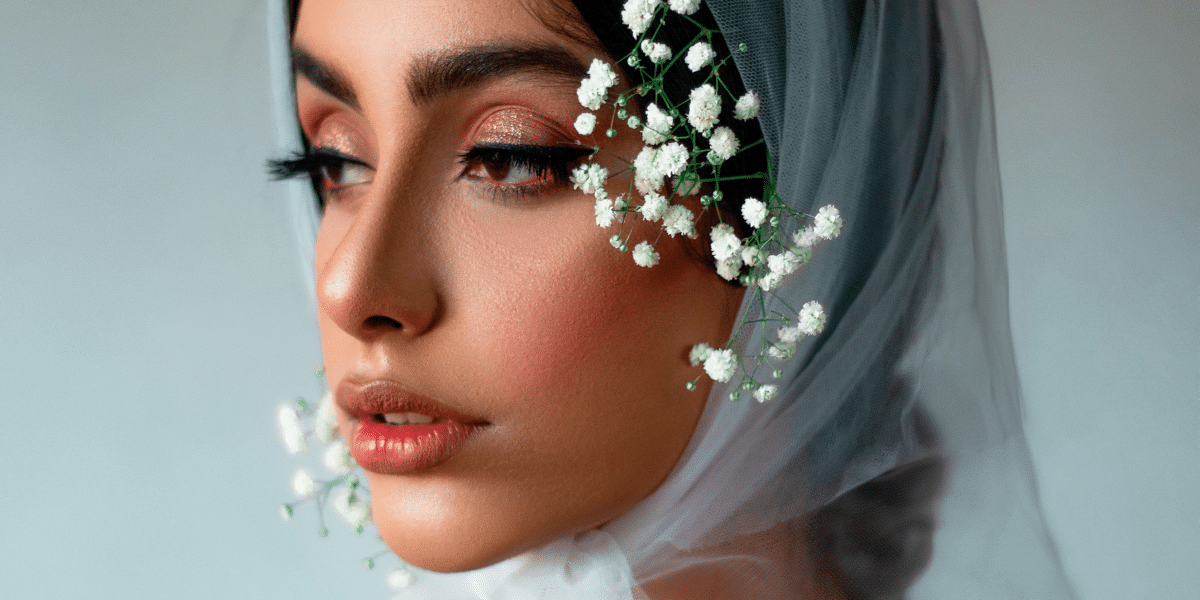

Flowers: A Fashionable Medium

In the world of fashion, creativity knows no bounds. From fabrics and textures to colors and patterns, designers constantly seek innovative ways to make a statement and captivate audiences. One such medium that has been gaining traction in recent years is flowers. Beyond their traditional use in floral arrangements, flowers have found a new place in fashion, serving as a source of inspiration and a unique design element. This article explores the various ways in which flowers can be incorporated into fashion, from delicate embellishments to bold prints, and the impact they have on the industry.

Embracing Nature’s Beauty

Flowers have long been admired for their natural beauty and vibrant colors, making them a popular choice for designers looking to infuse their creations with a sense of whimsy and romance. Whether it’s a delicate floral appliqué adorning a gown or a bold floral print gracing a dress, flowers add a touch of femininity and elegance to any ensemble. Designers often draw inspiration from the intricate shapes and patterns found in nature, translating them into stunning works of art that adorn the runway and grace the pages of fashion magazines.

Versatility in Design

One of the most appealing aspects of using flowers in fashion is their versatility. From ethereal and romantic to bold and dramatic, flowers can be incorporated into a wide range of styles and aesthetics, making them suitable for any occasion. Whether it’s a dainty floral headpiece for a bohemian-inspired wedding or a striking floral print suit for a fashion-forward statement, flowers offer endless possibilities for creative expression. Designers have experimented with different types of flowers, from classic roses and lilies to exotic orchids and tropical blooms, each offering its own unique charm and appeal.

Sustainable Fashion

In an era where sustainability and eco-consciousness are at the forefront of the fashion industry, flowers offer a sustainable and environmentally friendly alternative to traditional fabrics and materials. By using natural materials such as flowers and foliage, designers can create stunning pieces that leave a minimal environmental footprint. Additionally, flowers can be dried and preserved, allowing for their beauty to be enjoyed long after they have bloomed, further reducing waste and promoting sustainability in fashion.

Cultural Significance

Flowers hold significant cultural and symbolic meaning across different cultures and societies, making them a powerful and meaningful design element in fashion. From the symbolic red poppy worn on Remembrance Day to the vibrant marigolds used in traditional Indian weddings, flowers are often deeply intertwined with cultural traditions and rituals. By incorporating flowers into their designs, designers can pay homage to these cultural traditions and celebrate the diversity and beauty of different cultures around the world.

A Timeless Element

In conclusion, flowers have emerged as a versatile and impactful medium in the world of fashion, offering designers endless opportunities for creative expression and innovation. Whether it’s through delicate embellishments, bold prints, or sustainable design practices, flowers continue to captivate audiences and inspire designers to push the boundaries of fashion. As the fashion industry continues to evolve, flowers are sure to remain a timeless and beloved design element, reminding us of the beauty and wonder of nature.

Mastering the Art of Reflections in Photoshoots

Reflections are like silent echoes in the world of photography, mirroring the beauty and intricacies of our surroundings. Whether capturing the serene ripples of a lake, the dazzling lights of a city skyline mirrored in glass, or the distorted yet mesmerizing reflections in a puddle after a rain shower, incorporating reflections into photoshoots can elevate the visual appeal and storytelling potential of images. In this article, we delve into the art of utilizing reflections in photography, exploring their creative potential, mastering techniques for their effective incorporation, and understanding their role in enhancing mood and atmosphere.

Understanding the Creative Potential of Reflections

At its core, photography is the art of capturing light, and reflections are a manifestation of this fundamental principle. By bouncing off surfaces and returning to the camera’s lens, light creates mirrored images that add depth, intrigue, and a sense of magic to photographs. Reflections can transform ordinary scenes into extraordinary compositions, offering a fresh perspective and inviting viewers to see the world through a different lens. Whether subtle and understated or bold and dramatic, reflections contribute to the visual richness and complexity of images, enhancing their storytelling power and emotional resonance.

Mastering Techniques for Incorporating Reflections

Effectively incorporating reflections into photoshoots requires a combination of technical skill, creative vision, and experimentation. Photographers must learn to identify and harness reflections in various environments, from bodies of water and polished surfaces to architectural facades and metallic structures. Experimentation with composition, framing, and perspective allows photographers to maximize the impact of reflections within the frame, creating dynamic and visually compelling compositions. Additionally, mastering the use of polarizing filters can help minimize glare and enhance the clarity of reflections, particularly when photographing water or glass surfaces.

Leveraging Reflections for Creative Expression

Reflections offer endless opportunities for creative expression in photography, serving as powerful visual elements that can enhance composition, add depth, and convey emotion. By incorporating reflections into their work, photographers can create images that resonate with viewers on a profound level, inviting them to contemplate the beauty and complexity of the world around them. Reflections can be used to create symmetry and balance within a composition, mirror the subject or scene to enhance visual harmony, and add layers of meaning and symbolism to the imagery. From capturing the tranquility of a peaceful lake at dawn to highlighting the dynamic energy of an urban landscape at dusk, reflections provide photographers with a versatile tool for storytelling and artistic expression.

Enhancing Mood and Atmosphere

Beyond their compositional value, reflections also play a crucial role in enhancing the mood and atmosphere of a photograph. The quality of light, the colors and textures present in the reflection, and the overall ambiance of the scene all contribute to the emotional impact of the image. Soft, diffused reflections can evoke feelings of tranquility and serenity, while sharp, contrasty reflections can add drama and intensity to the composition. By carefully controlling these elements, photographers can create images that evoke a wide range of emotions, from nostalgia and contemplation to excitement and awe. Whether capturing the ethereal beauty of a foggy morning or the vibrant energy of a bustling metropolis, reflections allow photographers to infuse their images with mood and atmosphere, transporting viewers to another time and place.

Endless Possibilities

Mastering the art of reflections in photoshoots is a journey of discovery and experimentation, where photographers explore the creative potential of light, shadow, and reflection to create images that inspire, captivate, and provoke thought. By understanding the creative potential of reflections, mastering techniques for their effective incorporation, leveraging them for creative expression, and enhancing mood and atmosphere, photographers can elevate their work to new heights of artistic excellence. Whether capturing the beauty of the natural world, the dynamism of urban environments, or the intimacy of portraiture, reflections offer endless possibilities for creative exploration and visual storytelling in photography.

Mastering the Art of Facial Expressions: A Guide for Actors

Facial expressions are a powerful tool for actors, allowing them to convey a wide range of emotions and bring characters to life on stage and screen. From subtle nuances to dramatic gestures, mastering facial expressions is essential for creating authentic and compelling performances. In this article, we explore the importance of practicing facial expressions as an actor and techniques to enhance expressiveness in acting.

Understanding the Importance of Facial Expressions

Facial expressions play a crucial role in communication, conveying emotions, intentions, and reactions without the need for words. For actors, facial expressions are a primary means of connecting with audiences and immersing them in the world of the characters they portray. Whether conveying joy, sadness, anger, or fear, the ability to express emotions convincingly through facial expressions is essential for creating believable and impactful performances.

Developing Awareness of Facial Muscles

The first step in mastering facial expressions is developing awareness of the muscles in the face and how they contribute to different expressions. Actors should spend time studying the anatomy of the face, paying attention to how muscles contract and relax to create various facial movements. By understanding the mechanics of facial expressions, actors can learn to control their facial muscles more effectively and create a wider range of expressions with precision and intention.

Practicing Facial Exercises

Like any other muscle in the body, the facial muscles benefit from regular exercise to maintain flexibility and strength. Actors can incorporate facial exercises into their daily routines to improve control and coordination of facial movements. Simple exercises such as smiling, frowning, raising eyebrows, and scrunching the nose can help actors develop muscle memory and enhance their ability to express emotions naturally and convincingly.

Exploring Emotionally-Charged Scenarios

To deepen their understanding of facial expressions, actors should explore emotionally-charged scenarios and practice expressing a range of emotions in different contexts. This may involve improvisational exercises, scene work, or character studies that require actors to tap into their own emotions and translate them into facial expressions. By experimenting with different emotions and scenarios, actors can expand their emotional range and develop the flexibility to express a wide range of feelings on cue.

Studying Facial Expressions in Daily Life

In addition to structured exercises, actors can also study facial expressions in everyday life to gain inspiration and insights into human behavior. Observing people in various social situations, watching films and television shows, and studying photographs can provide valuable reference points for creating authentic and believable facial expressions. By paying attention to subtle cues and gestures, actors can incorporate realistic details into their performances and create characters that feel genuine and relatable to audiences.

Seeking Feedback and Refinement

As with any aspect of acting, mastering facial expressions requires ongoing practice, feedback, and refinement. Actors should seek feedback from directors, acting coaches, and fellow actors to identify areas for improvement and fine-tune their performances. Receiving constructive criticism and incorporating it into their practice can help actors refine their techniques and develop a more nuanced and expressive range of facial expressions over time.

Bringing the Characters to Life

Practicing facial expressions is essential for actors seeking to enhance their expressiveness and create compelling performances. By understanding the importance of facial expressions, developing awareness of facial muscles, practicing facial exercises, exploring emotionally-charged scenarios, studying facial expressions in daily life, and seeking feedback and refinement, actors can master the art of facial expressions and bring characters to life with authenticity and depth. Through dedication, practice, and a commitment to continuous improvement, actors can unlock the full potential of their facial expressions and captivate audiences with their emotive performances.

Deciding to Pursue a Solo Career in Music: Signs and Considerations

Embarking on a solo career in music is a significant decision that requires careful consideration and self-reflection. While being part of a band or group can offer collaboration and camaraderie, venturing into solo territory provides artists with the opportunity for creative freedom and individual expression. In this article, we explore the signs and considerations that indicate it may be time for a musician to start a solo career.

Signs it’s Time to Go Solo

1. Artistic Vision Misalignment

When a musician finds themselves at odds with the artistic direction or vision of their bandmates, it may be a sign that it’s time to pursue a solo career. Diverging musical tastes, conflicting creative ideas, or a desire for greater control over one’s artistic output can all indicate that the artist’s vision is better suited to a solo endeavor.

2. Creative Frustration

Feeling stifled or constrained within the dynamics of a band can lead to creative frustration for some musicians. If an artist finds themselves longing for more autonomy and creative control over their music, pursuing a solo career may provide the freedom and flexibility needed to explore their artistic ideas fully.

3. Personal Growth and Development

As artists evolve and mature in their craft, they may outgrow the confines of their current musical environment. The desire for personal growth and development, both musically and professionally, can serve as a compelling motivation to strike out on one’s own and pursue a solo career.

4. Unique Musical Identity

Some musicians possess a unique musical identity and voice that may be better showcased in a solo setting. Whether it’s a distinct singing style, songwriting prowess, or instrumental proficiency, solo careers allow artists to highlight their individual talents and connect more intimately with their audience.

Considerations Before Going Solo

1. Self-Reflection and Preparation

Before embarking on a solo career, it’s essential for musicians to engage in self-reflection and introspection. They should assess their strengths, weaknesses, musical goals, and readiness for the challenges and responsibilities of a solo endeavor. Adequate preparation, including honing one’s craft, building a repertoire of original songs, and developing a unique artistic identity, is crucial for success.

2. Financial Stability and Support

Launching a solo career in music often requires significant financial investment, including expenses for recording, production, marketing, and promotion. Musicians should evaluate their financial stability and explore avenues for financial support, such as crowdfunding, grants, or sponsorships, to ensure they can sustain themselves during the early stages of their solo career.

3. Networking and Collaborations

While pursuing a solo career offers independence and autonomy, it’s essential for musicians to continue networking and collaborating with industry professionals. Building relationships with producers, managers, agents, and fellow musicians can provide valuable opportunities for support, guidance, and collaboration that can elevate the artist’s solo career to new heights.

4. Marketing and Branding

Establishing a strong personal brand and marketing strategy is crucial for standing out in the competitive music industry. Musicians should invest time and effort into developing their image, online presence, and promotional materials to effectively communicate their unique identity and connect with their target audience.

The Road Ahead

Deciding to start a solo career in music is a significant milestone in any musician’s journey, requiring careful consideration, preparation, and determination. By recognizing the signs indicating it may be time to go solo, such as artistic vision misalignment, creative frustration, personal growth, and a unique musical identity, artists can make informed decisions about their musical path.

However, before taking the plunge into solo territory, musicians should carefully consider various factors, including self-reflection and preparation, financial stability, networking and collaborations, and marketing and branding. By addressing these considerations thoughtfully and strategically, musicians can lay the foundation for a successful solo career that allows them to express their individuality, pursue their artistic vision, and connect with audiences on a deeper level.

Key Considerations When Choosing a Modeling Agency

In the world of fashion and modeling, selecting the right agency is a pivotal step for aspiring models. A modeling agency can serve as a gateway to opportunities, exposure, and the chance to make a mark in the competitive industry. This article explores essential factors that individuals should be mindful of when navigating the landscape of modeling agencies, ensuring informed decisions that align with their career aspirations.

Beyond the Catwalk Glamor

While the allure of the runway and the glamor of fashion shoots are enticing, the path to becoming a successful model begins with choosing the right modeling agency. A well-matched agency can provide the necessary guidance, connections, and professional support to launch a modeling career and navigate the complexities of the industry.

Reputation and Credibility: Building a Foundation of Trust

The reputation and credibility of a modeling agency are fundamental indicators of its trustworthiness and success in the industry.

Industry Standing: Recognized Names and Partnerships

Established modeling agencies often have a solid industry standing, represented by recognized names and partnerships. Aspiring models should research the agency’s history, client relationships, and notable collaborations to gauge its prominence in the fashion world.

Client Testimonials: Voices of Experience

Client testimonials offer insights into the experiences of models who have been represented by the agency. Positive testimonials highlight professionalism, effective management, and the agency’s ability to secure valuable opportunities for its talent.

Specialization and Expertise: Tailoring to Individual Aspirations

Different modeling agencies specialize in various aspects of the industry, ranging from high fashion and editorial to commercial and niche markets.

Industry Focus: Matching Career Aspirations

Models should align their career aspirations with the agency’s industry focus. Choosing an agency that specializes in the specific type of modeling a person wishes to pursue increases the likelihood of finding suitable opportunities.

Expertise in Diverse Markets: Global Reach

For models aspiring to work on an international scale, selecting an agency with expertise in diverse markets is crucial. Global agencies often have the connections and reach to open doors to opportunities in various fashion capitals around the world.

Transparency and Contracts: Clear Guidelines for Success

Understanding the terms and conditions outlined in modeling contracts is vital for maintaining transparency and ensuring a mutually beneficial partnership.

Contractual Agreements: Clarity on Expectations

Models should carefully review contractual agreements, paying attention to details such as commission rates, contract duration, exclusivity clauses, and any potential fees. A transparent agency will provide clear guidelines on the expectations and responsibilities of both parties.

Open Communication: A Collaborative Approach

A modeling agency that fosters open communication with its talent is indicative of a collaborative and supportive environment. Models should feel comfortable discussing concerns, seeking advice, and receiving feedback to nurture their professional growth.

Scam Awareness: Safeguarding Aspirations

In an industry known for its glamor, aspiring models should remain vigilant against potential scams and unscrupulous agencies.

Research and Due Diligence: Armament Against Scams

Thorough research and due diligence are essential components of avoiding scams. Models should verify the legitimacy of an agency by checking industry databases, reading reviews, and seeking advice from established professionals.

Beware of Red Flags: Signs of Unreliable Agencies

Red flags such as upfront fees, promises of success, and lack of a physical office presence should alert models to exercise caution. Legitimate agencies earn their income through commissions from successful bookings rather than charging models upfront fees.

Conclusion: Paving the Runway to Success

Choosing the right modeling agency is akin to selecting a partner on the journey to success in the fashion industry. By prioritizing factors such as reputation, specialization, transparency, and scam awareness, aspiring models can navigate the modeling agency landscape with confidence. A well-informed decision sets the stage for a fulfilling and prosperous career, allowing models to confidently step onto the runway of their dreams and make a lasting impact in the world of fashion.

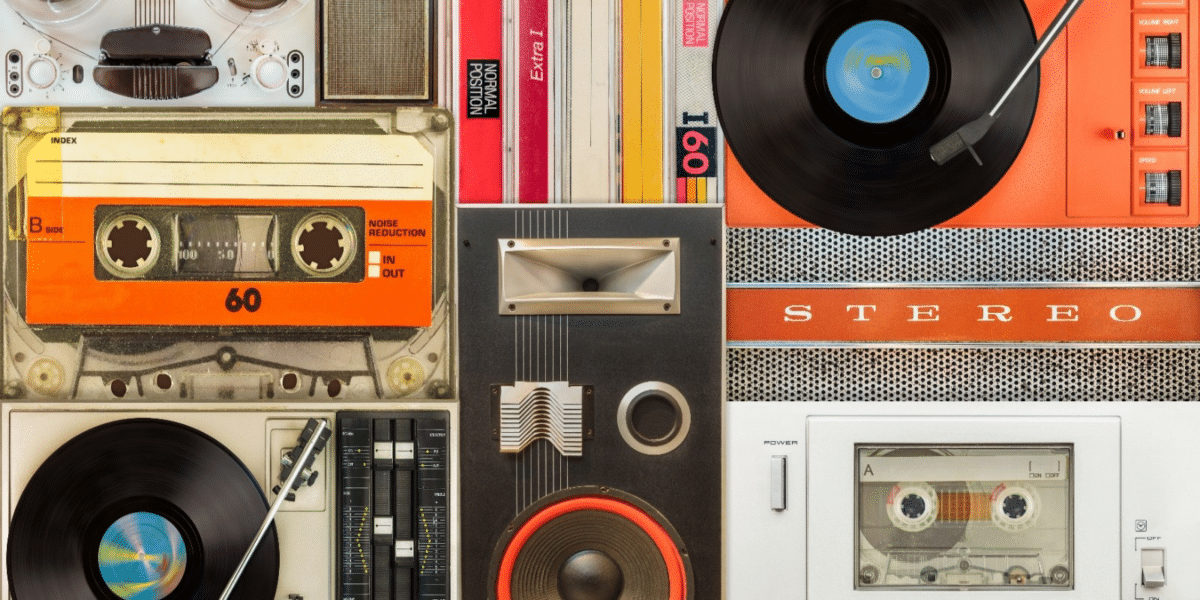
The Resurgence of Retro Music Players: A Journey into Collectability

Rediscovering the Allure

In an age dominated by digital streaming and sleek, pocket-sized devices, there’s a growing trend that harkens back to a simpler time: the resurgence of retro music players. From vintage turntables to classic cassette decks, these nostalgic pieces of technology are not just relics of the past but highly sought-after collectibles in the present day. What drives this fascination with the retro? Let’s delve into the reasons behind the revival of these iconic music players.

Nostalgia in the Digital Era

In a world inundated with digital media and streaming services, many individuals find solace in the tangible and tactile nature of retro music players. There’s a certain nostalgia associated with the mechanical whir of a vinyl record or the satisfying click of a cassette tape being inserted into a player. These devices evoke memories of simpler times, when music was savored and enjoyed in a more deliberate manner. The act of flipping through vinyl records or creating mixtapes on cassette tapes becomes a ritualistic experience, transporting listeners back to an era before the convenience of digital playlists.

Aesthetic Appeal and Design Elegance

Beyond their functional utility, retro music players are prized for their timeless aesthetic appeal and design elegance. Vintage turntables, with their polished wooden cabinets and intricate tonearms, are not just audio equipment but works of art in their own right. Similarly, classic cassette decks exude a charm that modern digital players often lack, with their tactile buttons and analog meters capturing the imagination of collectors and enthusiasts alike. The meticulous craftsmanship and attention to detail that went into manufacturing these devices are a testament to a bygone era of quality and craftsmanship.

Rarity and Exclusivity

Part of the allure of retro music players lies in their rarity and exclusivity. As technology continues to advance at a rapid pace, the production of vintage-style players has dwindled, making them increasingly scarce and valuable. This scarcity factor drives up demand among collectors, who are willing to pay a premium for well-preserved examples of these iconic devices. Additionally, the limited availability of certain models adds an element of excitement to the hunt for the perfect addition to one’s collection, fostering a sense of camaraderie among enthusiasts as they exchange tips and insights on where to find hidden treasures.

Investment Potential

In addition to their nostalgic appeal, retro music players also hold significant investment potential. With the resurgence of vinyl records and the growing popularity of cassette tapes, the market for vintage audio equipment is experiencing a renaissance. Savvy collectors recognize the long-term value of acquiring rare and sought-after pieces, viewing them not just as sentimental keepsakes but as lucrative investments for the future. As the demand for retro music players continues to grow, particularly among younger generations eager to experience the analog charm of yesteryear, prices are expected to rise, making now an opportune time to invest in these iconic pieces of audio history.

Fad or Future?

Despite the growing popularity of retro music players, some skeptics question whether this trend is sustainable in the long run. They argue that the appeal of vintage audio equipment may be fleeting, driven more by nostalgia than genuine appreciation for the technology. Moreover, advancements in digital audio reproduction may eventually render physical media obsolete, relegating retro music players to mere curiosities of the past. While these concerns are valid, proponents of retro music players remain optimistic about their enduring appeal, citing the timeless allure of analog sound and the tactile experience of interacting with physical media.

Embracing the Past, Looking to the Future

The resurgence of retro music players speaks to a broader cultural desire to reconnect with the past in an increasingly digital world. Whether driven by nostalgia, aesthetic appeal, or investment potential, these iconic devices continue to captivate collectors and enthusiasts around the globe. While the future may hold uncertainties, one thing is certain: the allure of retro music players shows no signs of fading away anytime soon. As we embrace the past and celebrate the rich history of audio technology, we also look to the future, where the timeless charm of retro music players will continue to inspire and captivate generations to come.

Why You Should Consider a Camera Rental Business

In today’s digital age, the demand for high-quality photography and videography services is on the rise. From professional photographers and filmmakers to hobbyists and content creators, there is a growing need for access to advanced camera equipment without the high upfront costs of purchasing. In this article, we delve into the benefits of starting a camera rental business and why it may be a lucrative venture worth considering for aspiring entrepreneurs in the photography and videography industry.

Meeting the Needs of Diverse Customers

One of the primary advantages of starting a camera rental business is the ability to meet the needs of diverse customers with varying budgets and requirements. Professional photographers and filmmakers may require top-of-the-line DSLR or mirrorless cameras for commercial shoots or film productions, while hobbyists and enthusiasts may seek entry-level or mid-range cameras for personal projects or special occasions. By offering a wide range of camera equipment options for rent, you can cater to the needs of a broad spectrum of customers, from seasoned professionals to amateur enthusiasts.

Access to High-Quality Equipment

Investing in a comprehensive inventory of high-quality camera equipment can be cost-prohibitive for many individuals and businesses, especially for those who only need equipment for occasional use. Renting cameras and accessories from a specialized rental business provides customers with access to top-tier equipment without the financial commitment of purchasing outright. This accessibility to high-quality gear allows photographers and filmmakers to elevate the quality of their work and pursue creative projects that may have been otherwise out of reach.

Flexibility and Convenience

Renting camera equipment offers customers flexibility and convenience in managing their photography and videography needs. Whether they need equipment for a one-time shoot, a short-term project, or an extended period, renting allows customers to tailor their equipment usage to their specific requirements without being tied down by long-term ownership commitments. Additionally, camera rental businesses often offer convenient pickup and drop-off locations, flexible rental periods, and online reservation systems, making the rental process seamless and hassle-free for customers.

Cost-Effective Solution

For many photographers and filmmakers, renting camera equipment is a cost-effective alternative to purchasing, especially for equipment that is only needed for occasional or specialized use. Renting allows customers to allocate their budget towards other aspects of their projects, such as talent, location fees, or post-production expenses, without the burden of significant upfront investment in equipment purchases. Additionally, renting equipment on an as-needed basis helps customers avoid the ongoing costs of equipment maintenance, storage, and depreciation associated with ownership.

Testing and Experimentation

Renting camera equipment provides photographers and filmmakers with the opportunity to test and experiment with different camera models, lenses, and accessories before making a purchase decision. Trying out new equipment allows customers to evaluate its performance, features, and suitability for their specific needs and shooting styles. This hands-on experience enables photographers and filmmakers to make informed decisions about which equipment best suits their requirements, ensuring that they invest in gear that enhances their creativity and productivity in the long run.

Building Relationships and Loyalty

Establishing a camera rental business allows you to build lasting relationships with customers and foster loyalty within the photography and videography community. By providing exceptional customer service, personalized recommendations, and reliable equipment rentals, you can earn the trust and loyalty of customers who rely on your business for their equipment needs. Building a strong reputation as a reputable and trustworthy rental provider can lead to repeat business, referrals, and positive word-of-mouth recommendations, further solidifying your position in the market.

Conclusion

In conclusion, starting a camera rental business offers numerous benefits for aspiring entrepreneurs in the photography and videography industry. From meeting the diverse needs of customers and providing access to high-quality equipment to offering flexibility, convenience, and cost-effective solutions, a camera rental business can be a lucrative venture that addresses the growing demand for camera equipment rentals. By focusing on customer service, quality, and innovation, aspiring rental entrepreneurs can carve out a niche in the market and establish a successful and sustainable business that serves the needs of photographers and filmmakers alike.

The Rise of Home Studios: Exploring the Growing Trend in Music Production

In recent years, there has been a significant rise in the popularity of home studios among musicians, producers, and audio enthusiasts. Advancements in technology, the accessibility of high-quality recording equipment, and changing attitudes towards music production have all contributed to this growing trend. In this article, we’ll explore the reasons why home studios are becoming more common, the benefits they offer to musicians, and the impact they’re having on the music industry as a whole.

Accessibility of Recording Equipment

One of the primary reasons for the proliferation of home studios is the increasing accessibility of recording equipment and technology. In the past, setting up a professional-quality recording studio required a significant investment in expensive hardware and software. However, advancements in technology have made it possible to create high-quality recordings using affordable and compact recording equipment, such as USB microphones, audio interfaces, and digital audio workstations (DAWs). This accessibility has democratized the recording process, allowing musicians of all levels to produce professional-quality music from the comfort of their own homes.

Cost-Effectiveness

Another factor driving the popularity of home studios is the cost-effectiveness of recording at home compared to traditional recording studios. Renting studio time can be prohibitively expensive for independent artists and bands, especially those working with limited budgets. By investing in their own home studios, musicians can save money on studio fees and have greater control over their recording process. Additionally, owning a home studio allows musicians to work at their own pace, experiment with different sounds and arrangements, and refine their recordings without the pressure of hourly studio rates.

Creative Freedom and Flexibility

Home studios offer musicians a greater degree of creative freedom and flexibility compared to traditional recording studios. In a home studio environment, musicians have complete control over every aspect of the recording process, from setting up microphones and adjusting levels to editing and mixing tracks. This autonomy allows artists to explore their creative vision without the constraints of studio schedules or outside influences. Additionally, the relaxed and familiar atmosphere of a home studio can inspire creativity and spontaneity, leading to more authentic and heartfelt recordings.

Convenience and Comfort

The convenience and comfort of working in a home studio are also major factors contributing to their popularity. Unlike traditional recording studios, which may be located in remote or inaccessible locations, home studios are easily accessible and available whenever inspiration strikes. Musicians can work on their music at any time of day or night, without having to worry about booking studio time or commuting to a separate location. Additionally, the relaxed and comfortable environment of a home studio can help musicians feel more at ease and creative, leading to better performances and recordings.

Impact on the Music Industry

The rise of home studios has had a significant impact on the music industry, changing the way music is created, produced, and distributed. Independent artists and bands now have greater opportunities to produce and release their music independently, bypassing traditional record labels and distribution channels. This democratization of the music industry has led to a proliferation of diverse and innovative music, as artists are no longer bound by the limitations of traditional recording contracts or commercial trends. Additionally, the rise of home studios has empowered musicians to take greater control over their careers and creative output, leading to a more dynamic and vibrant music landscape.

Conclusion

In conclusion, the increasing popularity of home studios among musicians can be attributed to factors such as the accessibility of recording equipment, cost-effectiveness, creative freedom, convenience, and comfort. Home studios offer musicians a versatile and affordable alternative to traditional recording studios, allowing them to produce professional-quality music from the comfort of their own homes. This trend has had a profound impact on the music industry, empowering independent artists and bands to take control of their music production and distribution, and leading to a more diverse and innovative music landscape. As technology continues to advance and home recording equipment becomes more sophisticated, the trend of home studios is likely to continue growing, shaping the future of music production for years to come.

The Significance of Selecting the Perfect Script for Your Debut Film

Embarking on the journey of filmmaking is an exhilarating endeavor filled with creativity, passion, and dedication. For aspiring filmmakers, especially those venturing into their first film project, the significance of selecting the right script cannot be overstated. The script serves as the foundation upon which the entire film is built, influencing every aspect of the production process, from casting and directing to editing and marketing. In this article, we delve into the importance of finding the perfect script for your debut film and the impact it can have on the success and reception of your cinematic endeavor.

Crafting a Compelling Narrative

At the heart of every great film lies a compelling narrative that captivates audiences and draws them into the world of the story. The script serves as the blueprint for this narrative, shaping the characters, plot, themes, and dialogue that will ultimately come to life on screen. A well-written script not only entertains and engages viewers but also resonates with them on a deeper emotional level, leaving a lasting impression long after the credits roll. As a first-time filmmaker, selecting a script with a strong and compelling narrative is essential for establishing your voice and making a memorable impact in the industry.

Establishing Your Directorial Vision

For many filmmakers, their debut film serves as an opportunity to showcase their unique directorial vision and creative style. The script you choose plays a crucial role in shaping this vision, influencing the tone, pacing, visual aesthetic, and overall atmosphere of the film. Whether you’re drawn to intimate character-driven dramas, high-octane action thrillers, or thought-provoking social commentaries, selecting a script that aligns with your artistic sensibilities allows you to infuse your personal touch into every frame and bring your creative vision to life on screen.

Building a Strong Foundation for Production

In addition to its creative aspects, the script also serves practical purposes in the production process. It provides the roadmap for the entire filmmaking team, guiding decisions related to casting, location scouting, set design, wardrobe, and more. A well-structured and meticulously crafted script helps streamline the production process, ensuring that everyone involved is aligned with the director’s vision and working towards a common goal. By selecting the right script for your debut film, you lay a solid foundation for a successful and efficient production that maximizes creativity and minimizes logistical challenges.

Connecting with Audiences and Industry Professionals

In the competitive landscape of the film industry, finding the right script can also open doors to new opportunities and connections. A compelling and well-executed debut film has the potential to resonate with audiences, garner critical acclaim, and attract attention from industry professionals, including producers, distributors, and film festival programmers. By choosing a script that showcases your talent and potential as a filmmaker, you increase your chances of making a positive impression and establishing yourself as a promising new voice in the industry.

Building a Strong Foundation

The importance of finding the right script for your debut film cannot be overstated. From crafting a compelling narrative and establishing your directorial vision to building a strong foundation for production and connecting with audiences and industry professionals, the script serves as the cornerstone of your cinematic journey. As you embark on the process of selecting a script for your debut film, take the time to explore a diverse range of stories, genres, and themes that resonate with your artistic sensibilities and creative aspirations. By choosing a script that speaks to you on a personal and creative level, you set yourself up for success and pave the way for a memorable and impactful debut in the world of filmmaking.