Beyond Correction: Auto-Tune’s Role as a Creative Tool in Modern Pop and Hip-Hop

What Is Auto-Tune and How Has It Changed Modern Music?

Auto-Tune is a digital audio processor designed to correct pitch in vocal and instrumental performances. Developed by Andy Hildebrand and released commercially in 1997, it quickly transformed from a subtle studio tool into a defining sound of contemporary music. Initially intended to fix minor tuning imperfections, Auto-Tune soon became an artistic effect used deliberately for creative expression.

Its widespread use reshaped popular genres, from hip-hop and pop to electronic dance music. Artists like T-Pain, Cher, and Kanye West popularized the distinctive robotic vocal effect, influencing production styles worldwide. Auto-Tune’s impact extends beyond pitch correction; it challenges traditional notions of vocal authenticity and artistry.

The evolution of Auto-Tune reflects broader shifts in music production where technology and creativity merge. Its adoption raises questions about originality, the role of the human voice, and the boundaries of musical innovation.

How Does Auto-Tune Influence Artistic Expression and Authenticity?

Auto-Tune blurs the line between natural vocal performance and technological enhancement, raising complex debates about artistry and authenticity. Some critics argue that heavy reliance on Auto-Tune diminishes genuine vocal talent, masking imperfections that traditionally signaled emotional depth and human connection.

Conversely, many artists and producers view Auto-Tune as a legitimate creative tool. It offers new ways to manipulate the voice, creating sounds impossible to achieve naturally. By altering pitch, timbre, and phrasing, Auto-Tune enables unique sonic textures that expand artistic possibilities.

In genres where experimental sounds are valued, Auto-Tune functions as a signature stylistic device. Its use can convey mood, emphasize lyrical themes, or complement futuristic aesthetics. Moreover, accessibility to pitch correction democratizes music-making, empowering artists who may not have classical vocal training.

The conversation about authenticity evolves as listeners increasingly accept digitally enhanced performances as part of modern artistry, redefining what “real” music can be.

What Are the Technical Aspects Behind Auto-Tune’s Functionality?

At its core, Auto-Tune analyzes the pitch of an incoming audio signal and adjusts it to the nearest desired note based on user-defined settings. The software operates by sampling the input waveform, detecting pitch inaccuracies, and shifting frequencies to correct intonation.

Settings like retune speed control how quickly pitch correction occurs. Fast retune speeds produce the distinctive robotic effect popularized in modern music, while slower speeds create more subtle, natural-sounding adjustments.

Beyond Correction: Auto-Tune's Role as a Creative Tool in Modern Pop and Hip-Hop
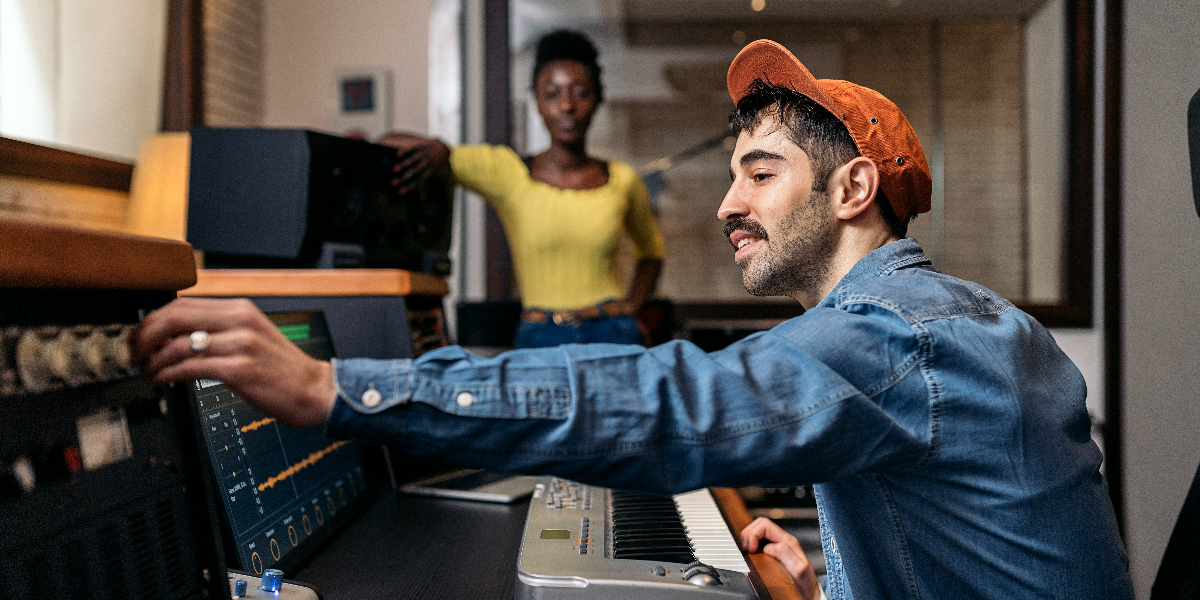
Photo Credit: Unsplash.com

Auto-Tune also offers scale and key selection, allowing producers to restrict corrections to specific musical contexts. Advanced versions include formant correction to maintain the natural character of the voice during pitch shifts.

Integration with digital audio workstations (DAWs) has made Auto-Tune a flexible and powerful tool. Its ease of use enables real-time pitch correction during recording or post-production, shaping the vocal sound throughout the creative process.

How Has Auto-Tune Shaped Music Culture and Industry Practices?

Auto-Tune’s influence permeates not only the sound of music but also its cultural and industry dimensions. It has helped define musical eras and influenced artist identities, marketing strategies, and audience expectations.

Artists embracing Auto-Tune often cultivate distinct vocal styles that become part of their brand. This association impacts fan reception and chart success. At the same time, its widespread use has sparked backlash from purists and traditionalists who favor raw, unaltered performances.

From an industry perspective, Auto-Tune streamlines production workflows, reducing the time and cost of recording. It enables artists to experiment freely with vocal effects and adapt to evolving trends. Record labels increasingly seek producers skilled in Auto-Tune to craft commercially viable hits.

The technology also influences live performances. Singers sometimes rely on real-time Auto-Tune to maintain pitch accuracy on stage, blending live vocals with digital enhancement. This fusion challenges audience perceptions of performance authenticity.

What Is the Future of Auto-Tune in Music Creation and Beyond?

The future of Auto-Tune lies in continued technological innovation and evolving artistic exploration. Advances in artificial intelligence and machine learning promise more sophisticated pitch correction and voice manipulation capabilities. These developments may allow for deeper customization, emotional expression, and even real-time collaborative creation.

Emerging tools integrate Auto-Tune with vocal synthesis and virtual instruments, expanding creative horizons. Artists are exploring hybrid approaches that combine traditional singing with digitally crafted vocals, pushing boundaries of human and machine collaboration.

Ethical and cultural debates will persist as technology reshapes the music landscape. Questions about authorship, creativity, and the value of imperfection remain central to conversations about Auto-Tune’s role.

Auto-Tune will continue to be a powerful instrument in music creation—one that challenges and enriches the definition of artistry in the digital age.

Harry Styles Announces 2026 Global Tour After Three‑Year Hiatus

Harry Styles has officially announced his highly anticipated return to the stage with a 2026 global tour, his first major tour since 2023’s Love On Tour. This comeback follows the announcement of his upcoming album Kiss All the Time. Disco, Occasionally, scheduled for release in March 2026. The tour, titled Together, Together, will kick off in May and run through December, taking Styles to major cities across the globe.

The hiatus between his last tour and this new venture has only heightened the excitement surrounding his return. Fans have eagerly awaited his next musical move, and Styles’ decision to return with a residency-based format in select cities has added another layer of intrigue to his comeback. The announcement of the tour has quickly become one of the most talked-about entertainment events of the week.

Tour Dates and Structure: Residency-Style Performances

The Together, Together tour is set to feature residencies rather than the traditional one-night performances. Styles will perform extended runs in cities like Amsterdam, London, São Paulo, Mexico City, Melbourne, Sydney, and New York. The centerpiece of the tour is a 30-show residency at Madison Square Garden in New York, a venue known for hosting legendary residency runs.

This residency approach allows fans multiple opportunities to experience Styles live, while giving him creative freedom to refine his performances. Styles’ decision to adopt this format mirrors iconic residency runs by artists such as Billy Joel, signaling his confidence in sustaining demand across multiple shows in the same city.

Special guests will join him for select dates, including Robyn, Shania Twain, Jorja Smith, Jamie xx, and Fousheé. These collaborations emphasize the eclectic mix of musical influences Styles brings to the tour, promising unique performances at every stop.

Ticket Sales and Fan Anticipation

The presale for Together, Together tickets is set to begin on January 26, 2026, with general sales opening on January 30 in select cities. Tickets will be handled by Live Nation, with staggered release times across regions. As expected, demand is anticipated to be strong, especially for the highly anticipated New York residency.

Fans have already begun discussing strategies for securing tickets, with online communities buzzing with excitement. This level of anticipation underscores Styles’ ongoing popularity and the rarity of such extended residencies in today’s live music landscape.

New Album and Tour Connection

The Together, Together tour coincides with the release of Styles’ fourth studio album, Kiss All the Time. Disco, Occasionally. Early reports suggest the album will blend pop sensibilities with experimental sounds, continuing Styles’ exploration of new musical terrain. The album’s playful title hints at a contrast of styles, reflecting his broad musical approach.

Performances during the tour will likely feature new material alongside fan favorites. Styles is known for reimagining his songs during live performances, adding new arrangements and unexpected elements to his tracks. Fans can look forward to a fresh take on his most beloved songs, while experiencing new material from his upcoming album.

The combination of a new album and a major global tour signals a fresh chapter in Styles’ career. It further solidifies his place at the forefront of contemporary pop, showcasing his ability to balance commercial appeal with artistic ambition.

Harry Styles’ Impact and Anticipation

Styles’ return to touring after a three-year hiatus is more than just a major musical event; it reflects his broad influence across the entertainment industry. With his high-profile ventures in fashion and film, Styles has maintained visibility during his break from touring. His return to music solidifies his ongoing relevance and influence in contemporary pop culture.

The Together, Together tour also highlights the global reach of Styles’ appeal. His residencies in cities across Europe, South America, and Australia reflect the widespread enthusiasm for his music and presence. Fans from all over the world are eagerly anticipating the tour, further reinforcing his status as one of the biggest stars of his generation.

The tour’s residency format, along with its diverse guest list and focus on live connection, taps into the desire for shared experiences in an age where digital engagement often replaces physical presence. Styles’ decision to create communal, live performance events suggests a recognition of the power of in-person interactions in today’s fragmented cultural landscape.

What’s Next for Harry Styles?

As the Together, Together tour nears, excitement will continue to build around setlists, stage design, and the potential for surprise collaborations. Styles’ ability to blend spectacle with intimacy in his live performances has made him a fan favorite, and expectations are high for this new chapter in his musical journey.

Industry analysts predict that the tour will further cement Styles’ place among the most influential artists of his generation. His skill in balancing commercial success with artistic exploration remains one of his defining characteristics. The scale and ambition of the tour reflect his confidence in his lasting relevance in the music industry.


Avoid Contract Traps: Agency and Legal Must-Knows for Models

The modeling industry combines elements of business strategy, personal branding, and contract negotiation behind an image often seen as glamorous. At its core, the industry functions through agencies, contracts, and client relationships that connect models with opportunities in fashion, advertising, and media. Understanding how these elements interact is vital for anyone considering a modeling career.

Modeling is more than posing for photographs; it operates as a competitive profession where agencies, clients, and talent coordinate to secure paid work. For new models, navigating representation and the terms of contracts shapes career opportunities and long‑term prospects.

How Modeling Agencies Operate

Modeling agencies act as intermediaries between models and potential clients such as photographers, brands, and designers. Their role is to find job opportunities, manage client relationships, and handle administrative tasks like rates and bookings on behalf of their talent. Agencies typically scout new faces, build portfolios, submit models for castings, and negotiate work details.

Agencies generally work on a commission‑based structure, earning a percentage of a model’s earnings from bookings they secure. Commission rates commonly fall between 10% and 20% of earnings, though overall rates can vary depending on the agreement and market norms.

There are different kinds of agencies, including those focused on high fashion, commercial work, and niche categories (such as fitness or parts modeling). Selecting an agency that matches a model’s strengths and career goals is an early and important decision for newcomers.

What Modeling Contracts Typically Include

Once a model and an agency agree to work together, they formalize their relationship through a modeling contract. These contracts define expectations, payment terms, and the responsibilities of both parties. Typical elements include the duration of the contract, payment and commission structures, and terms governing representation in specific markets (e.g., city or country).

Contract lengths vary, but many run from one to three years. Some contracts include exclusivity clauses, which restrict a model from signing with other agencies in the same market, while others allow representation by multiple agencies.

Contracts also specify how models are paid — whether through flat fees, hourly rates, or a share of the job’s total earnings — and outline how agency commissions are deducted. Careful attention to terms is important because clauses may also govern image rights and the scope of work the agency will pursue on a model’s behalf.

Terms Models Should Understand

Models should review several key elements before signing any contract:

  • Commission Rate: This is the percentage the agency takes from each booking. While typical rates fall between 10% and 20%, this can vary by agency and contract type.
  • Exclusivity: Some contracts restrict models from working with other agencies during the contract period. These clauses can limit flexibility, especially early in a career.
  • Scope of Work: Contracts often outline what type of work the agency will pursue — fashion, commercial, or specific niches. Aligning this with a model’s goals helps ensure relevant opportunities.
  • Termination Terms: These define how either party can end the agreement, including required notice periods and any conditions for departure.

Understanding these elements helps models protect their interests and make informed decisions about their careers.

How Contracts Shape Modeling Careers

A model’s contract influences career direction, including access to jobs and industry exposure. Models affiliated with well‑connected agencies may receive broader opportunities, from ad campaigns to editorial work, because agencies negotiate on their behalf and open doors to casting opportunities.

Conversely, restrictive terms, such as rigid exclusivity or unfavorable commission arrangements, can hinder a model’s ability to work with other clients or agencies. Review of contract language — ideally with professional advice — helps models avoid terms that could impede career advancement.

Tips for Aspiring Models

Aspiring models should approach agency relationships with preparation and caution. Researching an agency’s reputation and speaking with other models can provide insights into its track record and business practices. Models typically submit professional photographs and basic information when applying to agencies, and attending open casting calls is another avenue to secure representation.

Maintaining professionalism, updating portfolios regularly, and communicating clearly with representation are key practices once signed. Being proactive in casting opportunities and readiness for jobs also supports model‑agency collaboration.

Modeling careers vary widely depending on market focus. Some models work primarily in editorial or runway fashion, while others find opportunities in commercial, lifestyle, or specialized modeling that includes parts modeling or niche categories. Regardless of specialization, industry professionals must continually update portfolios — often including comp cards, which are marketing tools used to showcase a model’s range to clients.

Models are typically treated as independent contractors, meaning they are responsible for their own taxes and do not receive employee benefits through an agency.

Disclaimer: This article provides general information and does not constitute legal advice. Models should consult a qualified professional for advice on contracts and representation in the modeling industry.

Legendary Designer Valentino Garavani Passes Away at Age 93

Valentino Garavani, the Italian designer known for his high-fashion creations, passed away on January 19, 2026, at the age of 93. His death was confirmed in Rome, a city where he spent much of his career and built a global presence in the world of fashion. Valentino’s passing marks the end of a significant period in the history of haute couture, as his contributions to the industry have had a lasting impact.

Throughout his career, Valentino was recognized for his distinctive design philosophy. His gowns, characterized by luxury and refined elegance, became well known and were worn at prominent events, including red carpets and royal functions. His signature shade of red, which became widely recognized, continued to represent the bold elegance of his designs.

From Voghera to Global Recognition

Valentino was born on May 11, 1932, in Voghera, Italy. His early interest in fashion led him to Paris, where he studied at the prestigious École de la Chambre Syndicale de la Couture Parisienne. Valentino returned to Rome and launched his fashion house in 1960, where he began to establish himself as a designer of note.

In the 1960s, Valentino’s creations began to attract significant attention internationally. A key moment in his rise came when Jacqueline Kennedy wore his designs in public appearances. This recognition contributed to his global reputation, and he began to be regarded as one of the leading designers of the time. Valentino’s name became synonymous with sophistication, and his brand gained momentum in the fashion industry, extending his influence far beyond Italy.

Signature Style and Influence

Valentino’s design style was defined by clean lines, luxurious fabrics, and dramatic silhouettes. His creations were known for their elegance and refinement, often featuring understated details that emphasized craftsmanship. His iconic “Valentino red,” a bold yet elegant shade of red, became a hallmark of his collections and was recognized worldwide.

His work resonated with a wide range of people, and his designs were sought after by prominent figures in entertainment, business, and royalty. Valentino’s gowns, often seen at high-profile events, became associated with elegance and formality. While his designs became a symbol of luxury, they also represented a sense of grace and timelessness that transcended fashion trends.

Over the years, Valentino’s influence extended beyond the runway. He was seen as a designer who understood the intersection of fashion, identity, and artistry, contributing to broader discussions on the role of clothing in shaping public perception.

Retirement and Lasting Presence

Valentino officially retired from designing in 2008, after more than five decades of work in the fashion industry. His final collection was presented during Paris Haute Couture Fashion Week in July of that year. Despite his retirement, Valentino’s influence remained strong. The brand continued to operate under new leadership, and his legacy remained a defining element of the house.

In the years following his retirement, Valentino made occasional appearances at fashion events and exhibitions celebrating his body of work. These moments allowed the public and industry professionals alike to reflect on the contributions he had made to the fashion world. While he was no longer involved in the day-to-day operations of his brand, his presence was still felt, and his designs continued to be regarded as significant in the world of couture.

Tributes and Global Mourning

Upon news of Valentino’s passing, tributes poured in from various figures in the fashion industry. Designers, celebrities, and other cultural figures shared their memories of his work and acknowledged his contributions to the field of fashion. Social media platforms quickly filled with images of his most famous designs, and fans and industry professionals alike expressed their admiration for his impact.

In Rome, memorial services were held at the Basilica of Santa Maria degli Angeli e dei Martiri, the city that played a key role in Valentino’s life and career. The services were a moment for admirers to pay their respects and reflect on his lasting influence. Rome, where he had spent much of his life, served as the backdrop for his final farewell.

Enduring Legacy

Valentino’s passing signifies the end of an era in fashion. However, his influence is likely to continue to resonate in the world of design. His work is remembered for its elegance, attention to detail, and ability to create timeless pieces that remain relevant in the ever-evolving world of fashion.

His legacy is often associated with the idea of luxury, craftsmanship, and refined aesthetics. Valentino’s contributions have shaped how designers approach couture and luxury fashion, and his creations remain a point of reference for future generations in the industry.

While his death marks the end of a personal chapter, Valentino’s name and his work will continue to be a part of the ongoing conversation about the role of fashion in society. As time passes, his influence on fashion design, particularly in the realm of high-end couture, is expected to endure, reminding the world of his significant place in the industry.

Bruno Mars Expands The Romantic Tour With New Global Shows

Bruno Mars has announced a major expansion of The Romantic Tour, adding over 30 new dates across North America and Europe. The tour, which kicks off in April 2026, now includes nearly 70 shows, making it one of the most anticipated global music events of the year. The addition of extra dates has already resulted in record-breaking ticket sales, with fans eager to see the pop star in concert once again.

The expanded tour marks Mars’s return to stadiums for the first time in nearly a decade. Major cities such as London, Los Angeles, Toronto, Paris, and more will host multiple performances, demonstrating the scale of this production. Fans quickly took to social media to express their excitement, making this one of the most talked-about music tours of 2026.

Industry experts highlight that the success of The Romantic Tour reflects Bruno Mars’s lasting appeal. His blend of pop, funk, and R&B continues to captivate audiences across generations. With an expanded tour schedule, The Romantic Tour is poised to be one of the biggest global events of the year.

Record-Breaking Ticket Demand

Ticket sales for The Romantic Tour have already shattered records, with Live Nation reporting the highest single-day ticket sales ever in North America for a Bruno Mars tour. Due to overwhelming demand, extra nights have been added to several major cities, including London’s Wembley Stadium, which will now host six performances. Other cities such as Los Angeles, Toronto, and Paris will also feature multiple shows to accommodate the surge in ticket requests.

The rapid sell-out of tickets has sparked both excitement and frustration among fans, as many celebrated securing their seats while others lamented the speed at which shows sold out. The frenzy surrounding these ticket sales further highlights the immense cultural impact of Bruno Mars’s return to global touring.

A Star-Studded Lineup for The Romantic Tour

Bruno Mars will not be alone on stage during The Romantic Tour. Anderson .Paak, performing as DJ Pee .Wee, will join Mars for all dates, continuing their successful collaboration from the Silk Sonic project. Additionally, rising stars such as Victoria Monét, RAYE, and Leon Thomas will perform on select dates, further diversifying the tour’s musical experience.

Each of these guest artists brings a unique sound to the tour, enhancing the overall concert experience for fans. The combination of funk, soul, pop, and contemporary R&B influences ensures that every performance will be a dynamic showcase of modern music.

Mars’s collaborations also highlight the broad reach of his musical influence, bridging different genres and audiences across the world. By featuring both established and up-and-coming artists, the tour reflects the evolving landscape of popular music.

The Romantic Tour and Its Global Appeal

The expansion of The Romantic Tour further underscores Bruno Mars’s international appeal. With stops in major cities across Europe, including Madrid, Milan, and Amsterdam, the tour demonstrates the global demand for his music. Fans from all corners of the world eagerly await the chance to experience Mars’s energetic live performances.

While dates in Asia and Latin America have not yet been confirmed, the buzz surrounding the tour suggests that these regions could be included in future announcements. The international nature of the tour speaks to Mars’s ability to connect with diverse audiences, transcending borders with his unique blend of musical styles.

In Europe and North America, the tour will feature performances in some of the largest and most iconic venues, including stadiums and arenas, providing a fitting stage for Mars’s explosive performances.

A Major Milestone in Mars’s Career

The expanded Romantic Tour marks a major milestone in Bruno Mars’s career. After a hiatus from full stadium tours, Mars’s return to large-scale performances demonstrates his sustained popularity and enduring presence in the music world. The tour also supports his new album, The Romantic, set to release in February 2026, making it one of the most anticipated releases of the year.

For Mars, The Romantic Tour is a return to the grand stages of stadiums, showcasing his evolution as a performer and his ability to draw massive crowds. Fans can expect a high-energy show with a mix of new material and chart-topping hits that have defined Mars’s career.

Industry analysts predict that the tour will not only set new records for attendance but also become a defining moment for live music in 2026. The popularity of Mars’s music and his ability to engage audiences worldwide will make this tour one of the most successful of the year.

The Future of The Romantic Tour

As the tour continues to evolve, it will be exciting to see how The Romantic Tour further develops. With its diverse lineup and global reach, the tour has the potential to continue expanding into new regions, reaching even more fans around the world. Whether through additional tour dates or future collaborations, Mars’s influence in the music industry remains unmatched.

Fans eagerly await the upcoming concerts, and as the launch date approaches, anticipation continues to build. The Romantic Tour is shaping up to be a truly historic event in the world of live music.


From Stage to Screen: What Makes Musician Journey Documentaries a Hit?

In recent years, documentary films about musicians and their creative journeys have seen a surge in popularity. These films offer viewers an intimate glimpse into the lives of their favorite artists, showcasing the behind-the-scenes struggles, personal growth, and triumphs that define their careers. Below, we explore the various reasons why these documentaries have resonated with audiences and the entertainment industry.

Emotional Connection with Fans

One of the main reasons for the popularity of music documentaries is the emotional connection they foster between musicians and their fans. By offering an intimate portrayal of the artist’s life, these films allow viewers to experience the highs and lows of a musician’s journey on a personal level.

Intimate Interviews: Documentaries often feature heartfelt interviews with the artists, revealing aspects of their personalities, fears, and dreams that fans rarely get to see. This vulnerability helps create a deeper bond between the artist and their audience.

Authentic Storytelling: Fans appreciate the raw and authentic nature of documentaries, which often show musicians at their most human—whether they are battling self-doubt, facing personal challenges, or celebrating their success.

Insight into the Creative Process

Documentaries provide fans with a behind-the-scenes look at the creative process that goes into making an album or a tour. For music enthusiasts, this insight is invaluable, as it reveals the hard work, collaboration, and inspiration involved in bringing music to life.

Unreleased Footage: Many music documentaries include footage of studio sessions, songwriting workshops, or rehearsals that would otherwise be inaccessible to fans. This access makes the creative journey more relatable and inspiring for aspiring musicians.

Collaborations with Producers and Artists: These films often highlight key collaborations between musicians and producers, shedding light on the technical aspects of music production, mixing, and performance, which many fans find fascinating.

Behind-the-Scenes Access

From Stage to Screen: What Makes Musician Journey Documentaries a Hit?

Photo Credit: Unsplash.com

Behind-the-scenes access is one of the main draws of musician documentaries. Fans are not only given a glimpse into the artist’s professional world but also their personal lives—offering a balanced view of fame and its impact.

Exclusive Tours and Backstage Footage: Some documentaries follow musicians during their tours, providing a look at what happens behind closed doors. This includes preparations, private conversations, interactions with fans, and backstage rituals that form part of a musician’s routine.

Personal Relationships and Struggles: Many documentaries delve into the personal struggles that musicians face, such as dealing with fame, navigating relationships, or overcoming addiction. These portrayals make the artist more relatable to viewers who may have experienced similar challenges in their own lives.

Cultural and Historical Context

Music documentaries often situate an artist’s career within a broader cultural and historical context, helping audiences understand how the musician’s work reflects and impacts the times.

Musical Movements: Documentaries frequently explore how certain musicians have contributed to larger cultural or musical movements. Whether it’s the punk rock revolution, the rise of hip-hop, or the influence of jazz, these films provide insight into how music shapes and is shaped by society.

Social and Political Commentary: Many music documentaries address social issues, such as racial inequality, mental health, or gender identity, positioning musicians as not only entertainers but also cultural and political voices.

Personal Growth and Struggles

Another reason for the popularity of music documentaries is their focus on the personal growth of musicians. These films often track an artist’s evolution from obscurity to stardom, highlighting the perseverance and dedication required to succeed in a competitive industry.

Overcoming Adversity: Musicians often share stories of overcoming personal struggles, including financial hardships, mental health issues, or family conflicts. These stories inspire viewers by showing the resilience required to navigate a successful music career.

Transformation Through Music: Many documentaries show how music has helped artists overcome personal struggles, offering a source of healing and expression. This theme resonates deeply with fans who turn to music in times of need.

Impact on Music Sales and Streams

One of the significant effects of music documentaries is their ability to boost music sales and streaming numbers. After watching an engaging documentary, many viewers are motivated to revisit the artist’s catalog or discover new material.

Revival of Classic Albums: Documentaries often lead to a resurgence in the popularity of an artist’s older works. Films that delve into the making of iconic albums can inspire fans to listen again, often leading to a spike in streams and downloads.

Boost to New Releases: Artists who release documentaries around the same time as a new album or tour often see an increase in sales and streaming numbers as fans become more invested in the artist’s current work.

Fan Engagement and Social Media Buzz

Documentaries provide ample opportunities for fan engagement and social media discussion. After a documentary’s release, fans often take to platforms like Twitter, Instagram, and TikTok to discuss their favorite moments, share insights, and connect with other fans.

Fan-Created Content: Viewers frequently create fan art, memes, or video edits based on the content of these documentaries, helping to build an online community centered around the musician.

Documentary Reviews and Reactions: Fans love to share their thoughts on music documentaries, sparking discussions and debates about the artist’s career, personal struggles, and creative choices.

The popularity of documentary films about musicians and their journeys is a testament to the deep connection that fans have with their favorite artists. These films offer emotional insight, behind-the-scenes access, and cultural relevance that resonate deeply with viewers. By providing a closer look at the creative process and the personal growth of musicians, documentaries continue to captivate audiences and enhance their engagement with music on a deeper level.

The Power of Fashion in Film: Costumes That Define Cinema History

Fashion in film has long been an essential part of the cinematic experience. Costumes are not just visual elements; they play a key role in defining characters and setting the tone of a film. From the glamorous gowns of the silent film era to the sleek suits of modern blockbusters, fashion in film helps anchor stories in both time and place.

Designers like Edith Head demonstrated the true power of costumes, creating wardrobes that defined iconic stars and cemented their images in public memory. Her work with Hollywood legends proved that fashion could elevate a performance and become an integral part of the story.

Iconic looks from films like Marilyn Monroe’s white dress in The Seven Year Itch or Audrey Hepburn’s black gown in Breakfast at Tiffany’s have transcended the screen, becoming symbols of elegance. These outfits continue to influence society, proving that fashion in film can leave a lasting mark on both pop culture and the audience’s collective memory.

Silent Era Glamour

The silent film era relied heavily on visual cues to tell a story, and fashion became a key tool in conveying character and mood. With no spoken dialogue, wardrobe choices were used to communicate status, personality, and emotional depth. From sequined gowns to feathered headpieces and tailored suits, fashion in film helped establish the narrative.

Stars like Clara Bow and Louise Brooks became synonymous with the flapper style, which spread beyond the theaters and influenced everyday fashion. Their costumes embodied the 1920s aesthetic and played a significant role in defining the era’s style.

This era illustrated how closely film and fashion have been intertwined. Designers crafted looks that not only reflected the cultural movements of the time but also influenced what audiences wore in their daily lives. Fashion became a powerful storytelling device, demonstrating its influence far beyond the screen.

Golden Age of Hollywood

During Hollywood’s Golden Age, costume design was recognized as a crucial aspect of filmmaking. Studios employed talented designers who worked closely with directors to shape the visual narratives of their films. Wardrobes became essential in developing characters and enhancing the cinematic experience.

Films like Gone With the Wind showcased elaborate costumes that not only reflected the historical context but also captivated audiences. Scarlett O’Hara’s iconic dresses became symbols of strength and resilience, aligning with the film’s themes and influencing fashion trends for years to come.

This period highlighted the role of costume designers as true artists, with their work celebrated alongside the performances of actors. The recognition of costume design in major awards shows further cemented fashion’s place in Hollywood history.

Modern Blockbusters and Superhero Suits

In today’s cinema, fashion continues to be a powerful tool for storytelling, especially in superhero films. Characters like Batman and Wonder Woman are defined by their iconic costumes, which not only serve as visual markers but also embody the themes of strength, power, and transformation.

These superhero costumes play a vital role in character development, allowing audiences to connect with the heroes on a deeper level. Beyond their visual impact, these outfits symbolize much more than just an image—they reflect the core of the characters themselves.

The influence of fashion in film extends beyond the big screen. Leather jackets, futuristic designs, and minimalist aesthetics from blockbuster films often make their way into everyday fashion, demonstrating how cinematic styles have a significant impact on global fashion trends.

Fashion in Film and Its Societal Impact

Fashion in film is a reflection of the social and cultural movements of its time. Wardrobe choices often mirror shifts in society, such as the liberating spirit of the 1960s or the bold experimentation of the 1980s. These costume choices serve as visual markers of changing attitudes and provide a snapshot of history.

Films like Dreamgirls and Black Panther have demonstrated how fashion can celebrate heritage and identity. The costumes in these films go beyond the screen, sparking conversations about representation and shaping how audiences view cultural narratives.

Iconic costumes from films continue to inspire not just fashion collections but also fan culture and cosplay. They demonstrate that fashion in film is much more than just an aesthetic,it’s an influential force that extends far beyond the movie theater.

The Future of Fashion in Film

As the film industry evolves, fashion will remain a key element of storytelling. With the rise of streaming platforms and global distribution, the influence of costume design will continue to grow, reaching audiences worldwide.

Future films are expected to push the boundaries of wardrobe design. Technological advancements may lead to interactive or adaptive costumes that further enhance the narrative experience. Designers will continue to explore new ways to integrate fashion into storytelling, ensuring its place in the future of cinema.

For filmmakers, fashion is no longer a mere backdrop, it is an essential tool that shapes character, story, and the audience’s emotional connection to the narrative. Fashion in film remains as influential today as it was during the silent era, and its role in shaping cinema history is only set to expand.

Mattel Expands Barbie Line With New Doll Celebrating Neurodiversity

Mattel has expanded its Barbie collection with a new doll designed to celebrate neurodiversity, continuing its long-standing effort to reflect a broader range of human experiences. The new Barbie doll is part of the Fashionistas line, which has steadily incorporated dolls with various body types, skin tones, and visible conditions. This latest release highlights Mattel’s commitment to inclusivity in the world of children’s toys.

The announcement has sparked important discussions among parents, disability advocates, and educators, with many applauding the move as an effort to normalize differences and encourage empathy in children. By introducing neurodiversity within the Barbie universe, Mattel is positioning play as a platform for inclusion and understanding, helping children relate to and appreciate differences from an early age.

Developed in consultation with advocacy groups, the new Barbie doll aims to offer a thoughtful and authentic representation. This collaboration ensures that the doll resonates with families while avoiding stereotypes and misconceptions.

The Fashionistas Line and Its Evolution

The Barbie Fashionistas line has increasingly become a symbol of diversity in recent years, with previous releases featuring dolls with Down syndrome, vitiligo, and mobility aids. With each new addition, Mattel continues to broaden the narrative of what Barbie can represent, showcasing a wide range of identities and experiences.

Mattel’s evolving strategy has focused on expanding beyond traditional beauty standards. By introducing dolls that reflect real-world differences, the brand has moved away from aspirational ideals and into the realm of more relatable and inclusive identities. This shift has been welcomed by many parents, who appreciate the opportunity to purchase toys that mirror the world their children live in.

The new Barbie celebrating neurodiversity continues this evolution. It underscores that Barbie is not only a symbol of fashion but also a tool for fostering understanding and empathy. The Fashionistas line has grown to become a significant touchstone for conversations about identity and acceptance.

The Significance of Representation in Toys

Representation in toys plays a crucial role in shaping children’s self-esteem and social awareness. Seeing themselves reflected in their toys can have a profound impact on how children perceive their own value and relate to others. For families, having inclusive dolls like the new neurodiverse Barbie provides an opportunity to discuss differences in a positive and educational way.

The introduction of a Barbie that highlights neurodiversity reinforces the concept that these differences are part of everyday life. By embedding this idea into a mainstream toy, Mattel is helping to normalize conversations that might otherwise feel complicated or uncomfortable. The new Barbie doll serves as a bridge between play and education, making neurodiversity a topic that can be explored in a relatable and approachable manner.

Toys like this one also reflect broader societal shifts. As discussions about inclusivity gain momentum in media, fashion, and entertainment, the Barbie doll has evolved from a mere toy into a statement about the values and norms of contemporary society.

Reception and Reactions

Early responses to the new Barbie have been largely positive, with advocacy groups praising Mattel for working closely with organizations that represent neurodiverse communities. Parents have expressed appreciation for a toy that could help children better understand and appreciate differences, fostering a sense of inclusion and empathy.

Educators also see the doll as a potential tool in the classroom. By incorporating diverse toys into teaching environments, educators can foster a culture of empathy and reduce stigma. This Barbie doll may play a role in starting discussions about acceptance, respect, and understanding among children, making it a valuable addition to educational settings.

However, some caution remains. Critics have emphasized the need for authenticity and care in how representation is approached. It is essential that Mattel ensures the doll’s design and story accurately reflect the neurodiverse community. This sensitivity will be crucial for the doll’s long-term impact.

Challenges and Considerations

While the new Barbie doll has been embraced by many, there are challenges to overcome. One concern is how children will interpret the doll’s features and story. Without proper context, there is a risk that representation could be misunderstood or oversimplified.

To address this, Mattel has included educational resources to guide parents and caregivers in explaining the doll’s significance. These materials are designed to help facilitate open conversations, ensuring that the introduction of the neurodiverse Barbie is part of a broader educational experience.

Another consideration is the long-term market response. While inclusive dolls have gained significant attention, maintaining consumer interest over time is key to their success. The success of the neurodiverse Barbie will depend on how well it is embraced by families and how it fits into everyday play.

A Step Toward a More Inclusive Future

The launch of the neurodiverse Barbie marks a significant milestone in Mattel’s ongoing efforts to diversify its offerings and reflect a broader range of human experiences. The partnership with advocacy groups to create an authentic representation of neurodiversity underscores the company’s commitment to inclusivity in its products.

For families, the new Barbie doll offers an opportunity to introduce children to the concept of neurodiversity in a positive and engaging way. For Mattel, the success of this addition to the Fashionistas line will depend on how effectively the doll is integrated into everyday play and whether it continues to resonate with both children and adults.

As the toy industry evolves, the neurodiverse Barbie sets a new standard for inclusivity, offering children the opportunity to engage with toys that reflect the real-world diversity of the people and experiences around them. Mattel continues to lead the way in making sure that its products are not just about beauty or perfection, but about celebrating the full spectrum of human experiences.

Rise of the Creator Economy: Reshaping Brand Partnerships and Traditional Modeling

In the ever-evolving landscape of digital marketing, a seismic shift has occurred: influencers have redefined the rules of brand collaboration, blurring the lines between traditional modeling, content creation, and personal branding. What began as casual product mentions on Instagram has blossomed into a global industry where influencers are not just endorsers—they’re co-creators, storytellers, and cultural catalysts.

From Runways to Reels: The Changing Face of Brand Representation

For decades, brands relied on professional models to showcase products in polished campaigns. These models were chosen for their looks, poise, and ability to embody aspirational aesthetics. But today, influencers offer something models rarely could: relatability and narrative.

  • Influencers bring context—they wear the clothes, use the skincare, and live the lifestyle they promote.
  • Their audiences trust them, not just for style inspiration, but for honest reviews and behind-the-scenes access.
  • Micro-influencers, with smaller but highly engaged followings, often outperform traditional models in terms of ROI and conversion rates.

This shift has led brands to rethink their casting strategies. Instead of hiring anonymous faces, they now seek personalities with built-in audiences, authentic voices, and the ability to drive conversation.

Collaboration Over Contract: The Rise of Co-Creation

Gone are the days of one-off endorsements. Today’s brand-influencer relationships are long-term, strategic partnerships. Influencers are involved in product development, campaign ideation, and even brand positioning.

Common collaboration formats include:

  • Sponsored Content: Influencers create posts featuring products in exchange for payment.
  • Affiliate Marketing: They earn commissions through tracked links and promo codes.
  • Brand Ambassadorships: Long-term representation across multiple campaigns.
  • Product Co-Creation: Influencers help design or curate product lines.

These collaborations are not just transactional—they’re mutually beneficial ecosystems. Brands gain access to niche communities, while influencers elevate their credibility and diversify income streams.

Authenticity Is the New Currency

In a saturated digital world, authenticity is what cuts through the noise. Consumers are increasingly skeptical of polished ads and celebrity endorsements. They crave real stories, honest opinions, and content that feels personal.

Influencers thrive in this space because:

  • They share their lives, not just their looks.
  • They engage directly with followers, building trust and loyalty.
  • They curate communities, not just content.
Rise of the Creator Economy: Reshaping Brand Partnerships and Traditional Modeling

Photo Credit: Unsplash.com

This authenticity has made influencers powerful brand allies. A single post from a trusted creator can spark trends, sell out products, and shift public perception.

Models as Influencers, Influencers as Models

Interestingly, the influencer boom hasn’t replaced traditional models—it’s reshaped their roles. Many professional models now build personal brands on social media, becoming influencers in their own right. Conversely, influencers are being cast in fashion campaigns, walking runways, and starring in global ads.

This convergence has created a hybrid identity:

  • Model-influencers bring industry polish and digital reach.
  • Influencer-models offer relatability and storytelling.

Brands now seek talent that can bridge both worlds—those who look great in a campaign and can also drive engagement online.

What’s Next? AI, Virtual Influencers, and the Future of Collaboration

As technology evolves, so does the influencer landscape. AI-generated influencers like Aitana Lopez are gaining traction, offering brands 24/7 availability, perfect aesthetics, and complete creative control. These virtual personalities challenge our notions of authenticity and raise questions about the future of human representation.

Meanwhile, data-driven influencer marketing is becoming more sophisticated. Brands use analytics to identify ideal collaborators, track performance, and optimize campaigns in real time.

The future promises:

  • Hyper-personalized content powered by AI.
  • Cross-platform storytelling that blends video, AR, and live shopping.
  • Decentralized brand influence, where creators build their own product lines and media empires.

Influence Is the New Identity

The rise of influencers marks more than a marketing trend—it’s a cultural shift. In this new era, influence is not just about visibility—it’s about connection, creativity, and credibility. Brands and models must adapt, collaborate, and co-create to stay relevant.

Whether you’re a brand strategist, a content creator, or a curious observer, one thing is clear: the future of collaboration is personal, powerful, and profoundly digital.

Celebrity Safety First: Prioritizing Well-being in High-Stakes Stunt Work

Stunt work is an integral part of many high-octane films, television shows, and live performances. From gravity-defying falls to explosive car chases, these action-packed scenes are what make many blockbuster movies unforgettable. However, while stunt work is thrilling for audiences, it comes with significant physical and emotional risks for the performers. Celebrities often find themselves in the midst of intense action sequences, which demand precision, bravery, and meticulous preparation. This article explores the importance of prioritizing celebrity safety and well-being in stunt work, examining the behind-the-scenes measures that ensure the protection of actors while allowing them to push the boundaries of physical performance.

The Demands of Stunt Work: High-Risk, High-Reward

Stunt work is inherently dangerous, but it is also a highly calculated and rehearsed endeavor. Stunt coordinators and performers work closely with actors to design sequences that seem dangerous but are carefully crafted for the safety of all involved. The risk involved in stunt work is not only physical but also psychological, requiring immense trust, confidence, and preparation from the actors and the stunt team.

Types of Stunt Work in Film and Television

Stunts can range from simple actions to highly complex sequences that involve significant risk. Some of the most common types of stunt work include:

  • Physical combat: Fight choreography where actors engage in hand-to-hand combat or use weapons.

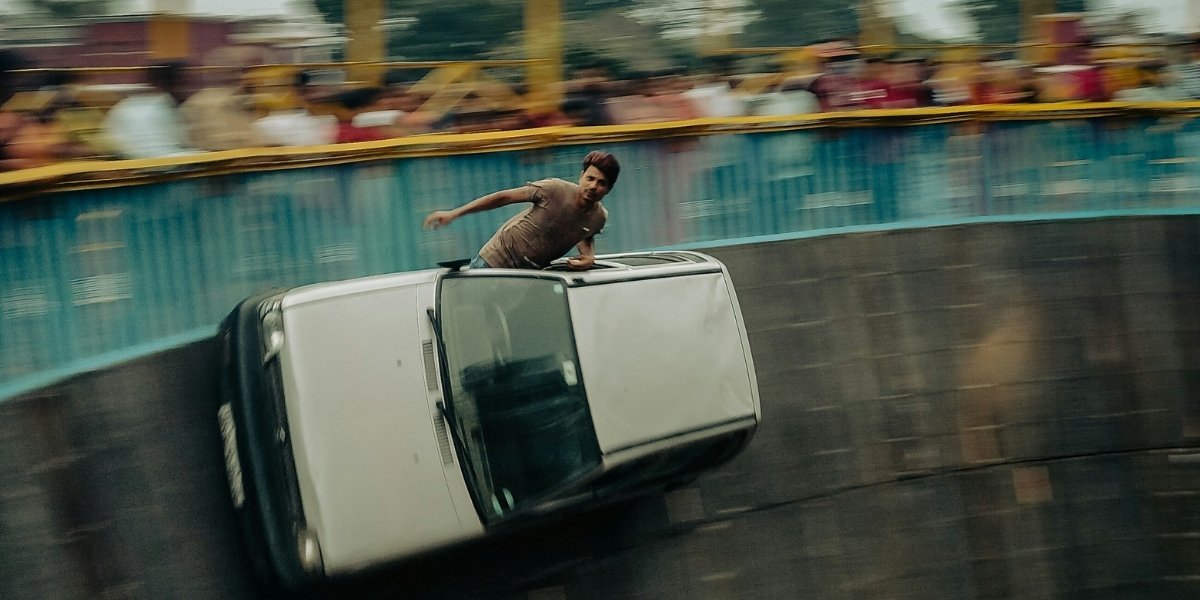
  • Vehicle stunts: Car chases, flips, or crashes that require precise driving and expert timing.

  • High falls: Stunts that involve jumping from significant heights or performing acrobatic tricks.

  • Fire stunts: These stunts involve actors interacting with flames or explosions, requiring specific protective gear.

  • Wire work: Flying through the air or performing gravity-defying moves using harnesses and wires.

While many of these stunts are visually stunning, they can be physically demanding and hazardous, especially when performed by untrained actors. Therefore, safety protocols are paramount to reduce risks and ensure the well-being of the performers.

The Role of Stunt Coordinators and Specialists

Stunt coordinators are the unsung heroes behind the scenes, responsible for designing and executing the stunt sequences safely. These professionals collaborate with the director, producers, and the actors to map out the safest way to achieve the desired outcome while minimizing risk. Stunt coordinators assess every action sequence carefully, often running multiple tests before the actual filming begins to ensure that every potential danger is addressed.

They also work closely with the actors, ensuring that precautionary measures, like protective gear, are in place and that the performers are trained in the proper techniques. For more dangerous stunts, such as high falls or fire stunts, the stunt doubles take over to keep the actors out of harm’s way.

Ensuring Safety: Protocols, Training, and Equipment

While the physical and emotional preparation for stunts is important, the safety measures put in place to protect the actor are just as crucial. The world of stunt work has evolved significantly over the years, with improvements in both training and protective equipment designed to minimize injuries.

Pre-Stunt Training and Rehearsals

Before performing any stunt, actors undergo rigorous training and rehearsals. They work closely with stunt coordinators to learn the correct techniques and understand the intricacies of the stunt. This training is tailored to the specific needs of the sequence and ensures that the actor can perform the move as safely as possible.

For example, in a fight scene, actors are trained in choreography, learning how to throw punches, falls, and evasive maneuvers in a way that looks natural on camera while ensuring minimal contact. In high fall stunts, actors may spend weeks practicing how to land safely and use the correct body posture to reduce the risk of injury.

The key to minimizing risk is not rushing the training process; actors need to be fully comfortable and confident in their ability to perform the stunt. In some cases, actors will perform the stunts alongside trained stunt doubles, allowing them to concentrate on the emotional aspects of the scene while leaving the physical demands to the professionals.

Safety Gear and Protective Equipment

The development of advanced safety gear has revolutionized the world of stunt work. Today’s stunt performers use a variety of equipment to minimize injury, such as:

  • Pads and cushions: For high falls or physical impacts, padding and foam mats are used to absorb the shock and protect the body.

  • Harnesses and wires: When performing aerial stunts or jumps, actors wear harnesses that are securely attached to rigging systems to control their descent and ensure they are safely lifted or suspended.

  • Fire-resistant clothing: For fire stunts, actors wear specially designed clothing that can withstand high temperatures without combusting. Flame-retardant suits and helmets are essential for ensuring safety.

  • Crash pads and airbags: Used for vehicle stunts, these help to absorb the force of a crash and protect actors from harm. Airbags are often deployed on set to reduce the impact in cases of collision or flipping vehicles.

While these safety measures have made stunt work more feasible, it’s still crucial that they are used in conjunction with meticulous planning and constant vigilance on the set.

Psychological Support for Actors

Celebrity Safety First: Prioritizing Well-being in High-Stakes Stunt Work

Photo Credit: Unsplash.com

Beyond physical preparation, psychological support is also important for actors performing intense or dangerous stunts. The mental toll of performing high-stakes action sequences can be significant, especially if an actor is pushed to their emotional or physical limits. Fear, anxiety, and stress are common reactions to physically demanding stunts.

Actors may have moments of self-doubt or worry about injury, which can affect their performance. To counter this, they often work with psychologists or mental coaches to help them manage their emotions and stay focused. Building trust with the stunt coordinator and the stunt double can also help alleviate anxiety.

Actors are also encouraged to be vocal about any concerns they may have regarding their safety, and open communication between the performer and the director is key to ensuring that everyone on set feels comfortable and supported.

High-Profile Celebrity Stunts: Balancing Art and Safety

Many famous actors have been known for performing their own stunts, but there is always a fine line between pushing boundaries for cinematic effect and ensuring the well-being of the performer. The balance between artistic expression and safety is often at the forefront of discussions on film sets.

Tom Cruise: The King of Stunts

Tom Cruise is widely known for doing his own stunts, particularly in the Mission: Impossible franchise. Cruise has performed several highly dangerous stunts, including high falls, skydiving, and car chases. However, even Cruise, known for his dedication to performing his own stunts, works closely with stunt coordinators and ensures that the stunts are carefully planned and tested in advance.

Despite his personal commitment to performing stunts, Cruise always has a dedicated team of professionals around him to ensure safety, including stunt doubles, paramedics, and health and safety officers.

A Commitment to Realism

Keanu Reeves is another actor who has gained a reputation for performing many of his own stunts, especially in the John Wick series. Known for his martial arts training and intense commitment to realism in fight scenes, Reeves takes the preparation process seriously. He undergoes extensive training in hand-to-hand combat and firearms handling to ensure his performances look authentic, all while maintaining a strong focus on safety.

Reeves’ dedication to performing his own stunts has become part of his acting persona, though his approach is always carefully managed with stunt coordinators and choreographers to ensure a balance of realism and safety.

The Ever-Evolving World of Stunt Work and Celebrity Safety

Stunt work will always remain an integral part of high-octane performances, offering audiences unforgettable moments of suspense and excitement. But as the demands of stunt work continue to push the boundaries of physical performance, the safety and well-being of celebrities must remain the top priority. Through rigorous training, cutting-edge technology, and a focus on mental and emotional support, filmmakers and stunt teams work tirelessly to ensure that the dangers of stunt work are minimized.

The art of stunt performance is a true testament to the dedication, skill, and resilience of actors and stunt professionals who constantly strive to deliver authentic, intense performances, all while maintaining the highest safety standards. As technology continues to evolve, so too will the methods and tools used to safeguard those who bring these spectacular scenes to life on screen.