The Rise of Diversity in Modeling During the 2010s

Redefining Beauty: How the 2010s Sparked a Cultural Shift in Fashion Representation

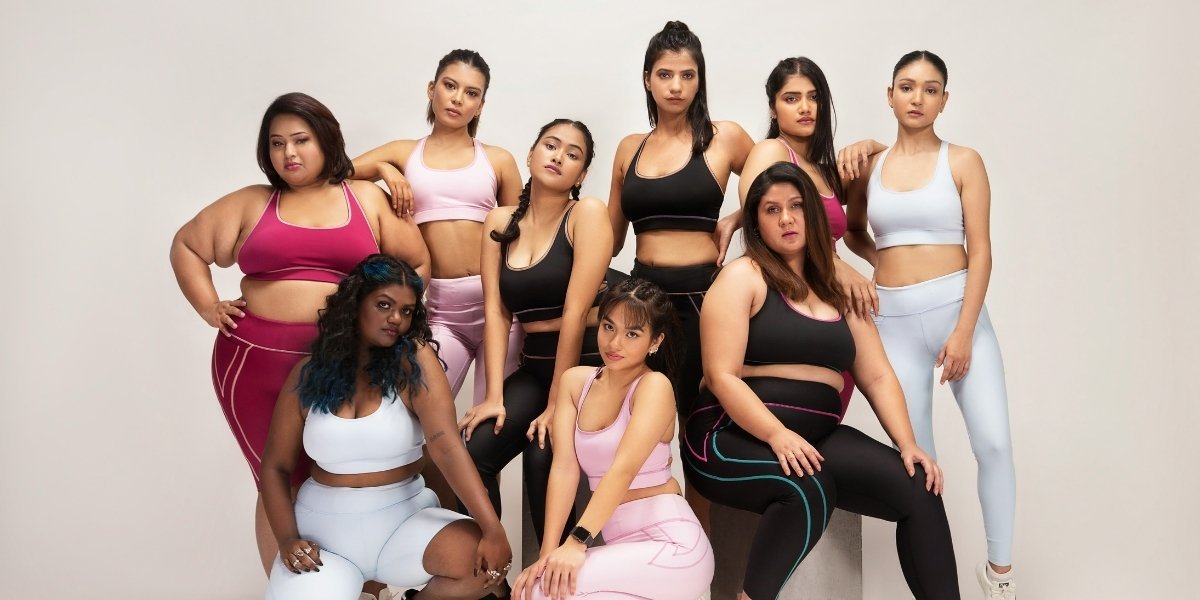
The 2010s marked a significant shift in the modeling industry towards greater diversity and inclusion. This decade saw an increasing representation of various races, body types, genders, and ages on runways, in advertisements, and across fashion campaigns. This article explores the factors that contributed to the rise of diversity in modeling in the 2010s, its impact on the industry, and how it has reshaped fashion norms.

Before the 2010s, the modeling industry was predominantly characterized by a narrow definition of beauty. Models were mostly young, thin, and predominantly white. While there were trailblazers like Naomi and Tyra, their presence was the exception rather than the rule.

In the late 2000s, there were early signs of change. Designers and fashion houses began to face criticism for their lack of diversity, prompting a gradual shift. Influential figures and advocacy groups started pushing for more representation, laying the groundwork for the changes seen in the 2010s.

Key Drivers of Diversity in the 2010s

Social media platforms like Instagram, Twitter, and later TikTok have radically transformed the fashion industry’s power dynamics, giving rise to a more inclusive and democratized landscape. Traditionally, models had to rely on agencies, casting directors, and fashion editors to gain visibility, often facing barriers rooted in race, body type, gender identity, or socioeconomic background. But with the rise of digital platforms, aspiring models and creatives began cultivating their own audiences, showcasing their work directly to followers and brands. This shift allowed individuals from marginalized communities to bypass gatekeepers and build influence on their own terms. Viral campaigns, hashtag movements like #BlackModelsMatter and #TransIsBeautiful, and influencer-led storytelling challenged the industry to broaden its definition of beauty and representation. Social media didn’t just amplify diverse voices—it demanded that the industry listen.

The Rise of Diversity in Modeling During the 2010s

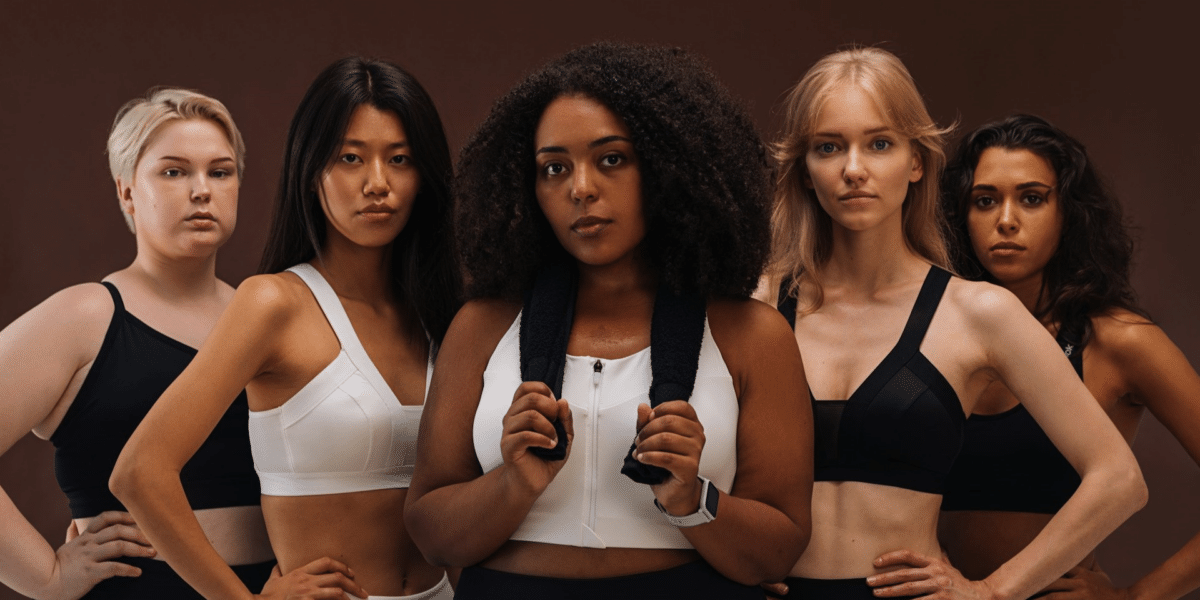
Photo Credit: Unsplash.com

The body positivity movement, which gained significant traction in the 2010s, further disrupted long-standing norms around beauty and desirability. Spearheaded by activists, influencers, and outspoken models, the movement called out the harmful effects of unrealistic body standards perpetuated by fashion media. It advocated for the visibility and celebration of all body types, including plus-size, disabled, and non-binary bodies. In response, major brands began to rethink their campaigns, casting models who reflected the diversity of their consumer base. Retailers like Aerie, Savage X Fenty, and ASOS embraced inclusive sizing and unretouched imagery, signaling a shift toward authenticity and acceptance. This cultural reckoning not only reshaped advertising but also influenced runway shows, editorial spreads, and product development, making body inclusivity a core value rather than a marketing trend.

Institutional advocacy played a critical role in sustaining these changes and pushing for deeper reform. Organizations such as the Council of Fashion Designers of America (CFDA), Models of Diversity, and The Fashion Spot began collecting data, publishing reports, and lobbying for more equitable practices across the industry. They highlighted disparities in model representation, called out tokenism, and worked with designers and agencies to implement inclusive casting policies. These groups also provided platforms for emerging talent from underrepresented backgrounds, offering mentorship, visibility, and professional development. Their efforts helped shift diversity from a buzzword to a measurable goal, encouraging brands to move beyond performative gestures and commit to long-term change. Together, social media, grassroots activism, and institutional advocacy have redefined what fashion looks like—and who gets to be seen.

Impact on the Fashion Industry

The 2010s saw a notable increase in the diversity of models on runways. Fashion weeks around the world began to showcase a broader range of models, including those of different ethnicities, body sizes, ages, and genders. This shift challenged traditional beauty standards and set new norms for inclusivity. Advertising campaigns also became more inclusive. Major fashion brands and retailers featured diverse models in their campaigns, recognizing the importance of representation in connecting with a global audience. This inclusivity helped brands reach wider demographics and promote a more inclusive image. The rise of diversity in the 2010s led to changes in industry standards. Casting directors, designers, and agencies began to prioritize diversity, understanding its importance in reflecting the real world. This shift also encouraged the development of more inclusive policies and practices within the industry.

While the 2010s saw significant strides towards diversity, challenges remain. Tokenism, where a single model represents an entire group, is still an issue. True diversity means consistent and meaningful representation across all facets of the industry. Ensuring sustainable change requires continued effort. Advocacy and activism must persist to maintain and further the progress made. The industry must continue to embrace and normalize diversity, avoiding reverting to old standards.

The rise of diversity in modeling during the 2010s marked a transformative period for the fashion industry. Influenced by social media, the body positivity movement, and active advocacy, the industry began to reflect a broader range of beauty. While significant progress has been made, ongoing efforts are necessary to ensure that diversity remains a core value in modeling and fashion. The 2010s laid the foundation for a more inclusive industry, one that continues to evolve and celebrate all forms of beauty.


Luxury Rollouts: What to Expect from Artists Tapping High Fashion for Music Video Drops

Luxury rollouts are changing the way artists launch music videos. What used to be a visual companion to a track is now a full-blown fashion moment. From couture gowns to custom streetwear, high fashion is becoming the centerpiece of music video drops—and it’s not just about aesthetics. It’s about branding, storytelling, and cultural dominance.

In 2025, artists aren’t just releasing music—they’re curating cinematic experiences that rival fashion campaigns. The “luxury rollouts” now signal more than just a polished release. It’s a signal that the artist is playing in the same arena as luxury houses, red carpet stylists, and global fashion editors.

High Fashion Is the New Music Video Director

Luxury fashion isn’t just dressing the artist—it’s directing the narrative. When a music video opens with a slow pan across a custom Balenciaga trench or a sculptural Schiaparelli bodice, it sets the tone before a single lyric drops. These pieces aren’t just wardrobe—they’re plot devices.

Artists are working directly with fashion houses to build visual identities around their music. That means exclusive fittings, unreleased collections, and one-of-one pieces designed specifically for the video. The result is a rollout that feels more like a runway show than a standard drop.

This trend mirrors the energy seen, where fashion played a central role in every performance and promo.

Luxury Rollouts Are Built for Virality

Music videos are now optimized for social media moments. That means every outfit, every frame, and every set piece is designed to be screenshotted, shared, and dissected. High fashion helps deliver that impact.

Whether it’s a latex bodysuit on a rooftop or a vintage Chanel look in a desert, these visuals are engineered for maximum engagement. TikTok creators are already breaking down designer credits, while Instagram fan accounts post side-by-side comparisons with runway looks.

Luxury rollouts aren’t just about the artist—they’re about the audience. They invite fans to participate in the fashion conversation, turning every drop into a digital event.

Brand Collaborations Are Getting More Strategic

Artists aren’t just borrowing clothes—they’re partnering with brands. That means co-branded campaigns, capsule collections, and cross-platform rollouts that blur the line between music and fashion.

Luxury houses are tapping into the artist’s fanbase, while musicians gain access to global fashion audiences. It’s a win-win that’s reshaping how both industries operate.

Expect to see more music videos doubling as fashion ads, with product placements that feel organic and aspirational. From sunglasses to handbags, every accessory is a potential revenue stream—and a style statement.

Set Design Is Inspired by Runway Shows

Luxury Rollouts What to Expect from Artists Tapping High Fashion for Music Video Drops

Photo Credit: Unsplash.com

Luxury rollouts don’t stop at clothing. The entire music video set is often modeled after fashion week installations. Think mirrored floors, sculptural lighting, and surreal backdrops that echo couture presentations.

These environments elevate the music video into an art piece. They also give fashion houses a new canvas to showcase their vision. Instead of a 10-minute runway show, they get a three-minute visual loop that lives online forever.

For artists, it’s a chance to build a world around their music—one that feels immersive, aspirational, and editorial.

Styling Teams Are Now Creative Directors

The stylist’s role has evolved. They’re no longer just pulling looks—they’re shaping the entire rollout. That means working with set designers, lighting teams, and editors to ensure every frame aligns with the fashion vision.

These stylists are often the bridge between artist and brand, negotiating access to exclusive pieces and coordinating with PR teams. Their influence is visible in every detail—from nail art to shoe choice to the way a coat moves in slow motion.

Luxury rollouts depend on this level of precision. It’s what separates a standard video from a cultural moment.

Luxury Fashion Adds Longevity to the Drop

Music videos used to peak within 48 hours. Now, thanks to fashion, they live longer. Outfits get reposted, dissected, and referenced for weeks. Designers use the footage in campaigns. Stylists add it to their portfolios. Fans recreate the looks.

This extended lifecycle gives artists more visibility and more cultural relevance. It also helps the music stick. When a song is tied to a visual that keeps trending, it stays in the conversation.

Luxury rollouts are designed for this kind of longevity. They’re built to last—and to be remembered.

What to Expect Next

As luxury rollouts become the norm, expect more artists to treat music video drops like fashion week. That means teaser trailers, lookbook-style promos, and behind-the-scenes content that highlights the creative process.

You’ll also see more crossover between music and fashion media. Vogue covers featuring musicians, Billboard features on stylists, and red carpet interviews that double as album promo.

Luxury rollouts are no longer the exception—they’re the expectation. And they’re changing how we experience music, fashion, and fame.

The Entrepreneurial Surge: Why Gen Z is Starting Businesses

The Entrepreneurial Surge: Decoding Why Gen Z is Increasingly Venturing into Business

As the world continues to evolve, a new generation is stepping forward with a passion for entrepreneurship. Generation Z, born between the late 1990s and early 2010s, has emerged as a force to be reckoned with in the business world. With digital fluency, a desire for independence, and a drive to make a positive impact, more and more Gen Z individuals are launching their own businesses. But what is driving this trend? Let’s explore the key factors that are fueling the entrepreneurial surge among Gen Z.

What Makes Gen Z Digital Natives?

One of the most defining characteristics of Gen Z is their digital fluency. Having grown up with the internet, social media, and advanced technologies, this generation has a natural aptitude for navigating the online world. Unlike previous generations, who had to adapt to the digital age, Gen Z was born into it, making them more comfortable with the tools and platforms that define today’s marketplace.

This digital native advantage allows Gen Z entrepreneurs to tap into e-commerce platforms, social media marketing, and online business tools with ease. Social media platforms like Instagram, TikTok, and YouTube have opened up new possibilities for business creation, enabling Gen Z to build personal brands, market their products, and connect with global audiences in ways that were once unimaginable.

Why Does Gen Z Crave Autonomy and Flexibility?

Unlike older generations, Gen Z places a high value on autonomy and flexibility in their work lives. Growing up in a world of constant change, they are less inclined to settle for the traditional 9-to-5 corporate structure. For many in Gen Z, entrepreneurship represents the freedom to design their own schedules, pursue personal passions, and gain greater control over their careers.

In a traditional job, the rigid structure often limits work-life balance and personal fulfillment. In contrast, entrepreneurship offers the opportunity to create a life that aligns with their values, personal interests, and long-term goals. This autonomy is especially appealing to those who are disillusioned with the corporate world and are seeking a more meaningful and flexible path.

What Drives Gen Z’s Purpose-Oriented Approach?

Gen Z is a generation with strong values, and many of them are purpose-driven when it comes to their career choices. Sustainability, social justice, and ethical practices are important considerations when deciding what kind of business to create. Gen Z entrepreneurs are often motivated by the desire to make a positive impact on the world around them.

For this generation, business success is no longer measured solely by financial gain. It’s about creating ventures that align with their values and contribute to the greater good. Whether it’s promoting environmental sustainability or advocating for social change, Gen Z is committed to building businesses that reflect their beliefs and drive meaningful change.

Is Gen Z Disillusioned with Traditional Employment?

How Celebrity Entrepreneurs are Shaping Modern Business

Photo Credit: Unsplash.com

Many Gen Z individuals have witnessed the economic uncertainties faced by previous generations, including the effects of recessions, layoffs, and the gig economy. This has led to a sense of disillusionment with traditional employment. For some, the traditional job market no longer offers the stability or fulfillment they seek. Entrepreneurship presents an alternative that promises greater control over their financial future and personal satisfaction.

By starting their own businesses, Gen Z can bypass the limitations of traditional employment, such as low wages, lack of career progression, and job insecurity. Entrepreneurship allows them to carve out their own paths, achieve financial independence, and pursue careers that align with their values and aspirations.

How Is the Creator Economy Fueling Gen Z Entrepreneurship?

The rise of the creator economy has been a game-changer for Gen Z. Platforms like TikTok, Instagram, and YouTube have created new avenues for monetization and business creation, allowing individuals to leverage their personal brands and expertise to generate income. This new model of business has low barriers to entry, making it more accessible for young entrepreneurs to start ventures with minimal upfront investment.

With the ability to create content, build a following, and monetize their influence, Gen Z entrepreneurs are capitalizing on the opportunities presented by these platforms. Whether through sponsored posts, brand partnerships, or the sale of digital products, the creator economy offers a unique and flexible way for Gen Z to enter the business world.

Why Have Barriers to Entry Been Lowered for Gen Z?

The digital age has significantly lowered the barriers to starting a business, which is one of the main reasons why Gen Z is so entrepreneurial. Online tools, resources, and platforms make it easier than ever to launch a business. From website builders to social media marketing tools, everything needed to run a business is now available at the click of a button.

In the past, starting a business required substantial financial investment, access to physical storefronts, or connections in the industry. Today, however, Gen Z entrepreneurs can operate from their laptops or smartphones, reaching global audiences with minimal investment. This shift has made entrepreneurship more accessible and appealing to those with limited capital and resources.

What Role Does Innovation Play in Gen Z’s Entrepreneurial Spirit?

Gen Z is known for their creativity and innovation. This generation is constantly seeking solutions to the challenges they face, whether it’s environmental issues, social justice, or technological advancements. Entrepreneurship offers them the opportunity to bring their ideas to life and create businesses that solve problems they care about.

For Gen Z, innovation is not just about creating something new—it’s about creating something that serves a purpose. Whether it’s launching a tech startup or a sustainable fashion brand, this generation is focused on problem-solving and finding new ways to improve the world. Entrepreneurship allows them to channel their creativity into solutions that have a real-world impact.

The Future of Gen Z Entrepreneurs

The entrepreneurial surge among Gen Z is only just beginning. As this generation continues to grow and shape the business landscape, we can expect even more innovative solutions and purpose-driven ventures to emerge. With a strong foundation in digital tools, a desire for autonomy, and a commitment to making a positive impact, Gen Z is set to revolutionize the world of business.

The future of entrepreneurship will be defined by this new wave of entrepreneurs who are driven by values, creativity, and a willingness to challenge the status quo. As more Gen Z individuals venture into business, the world can look forward to a more inclusive, sustainable, and innovative marketplace.

From Stage to Startup: Exploring Celebrity Entrepreneurship

Beyond the Spotlight: Decoding Celebrity Entrepreneurship

Celebrities are often seen as larger-than-life figures, known for their talents in music, film, or sports. However, many have taken their fame beyond the entertainment world, venturing into the realm of entrepreneurship. Celebrity entrepreneurship is the evolving trend where stars utilize their brand, fame, and influence to launch and grow successful businesses. This article delves into the phenomenon, exploring how celebrities leverage their platforms and resources to build diverse business empires and change the way we think about entrepreneurship.

How Do Celebrities Transition Into Entrepreneurship?

The transition from entertainer to entrepreneur isn’t always seamless, but many celebrities successfully bridge the gap between their craft and their business ventures. It often begins with leveraging their public image and brand power. Celebrities are uniquely positioned to launch businesses because they already have a built-in audience, which gives them an edge over traditional entrepreneurs.

A key factor in their success is their ability to capitalize on their personal brand. For example, Rihanna has built a beauty empire with her Fenty Beauty line, offering inclusive makeup products for a wide range of skin tones. Similarly, Kylie Jenner used her massive social media following to propel her beauty brand Kylie Cosmetics to billion-dollar success. Both stars created products that resonated with their audiences, offering a reflection of their values and personal experiences.

Celebrities also bring a wealth of networking opportunities to the table. With connections in various industries, they can bring in talented teams to handle the technicalities of their business ventures. Jay-Z, for instance, has invested in companies across different sectors, including tech, alcohol, and sports, leveraging his knowledge and connections to establish himself as a savvy business mogul.

What Are the Key Industries Celebrities Invest In?

The scope of celebrity entrepreneurship spans multiple industries, with some stars making their mark in more traditional sectors like fashion and beauty, while others break into technology, food, and wellness. The diversity of industries reflects the broad interests of celebrities and their audiences.

One of the most popular sectors is fashion and beauty. Celebrities such as Jessica Alba, with her brand The Honest Company, and Kim Kardashian, with Skims, have built successful businesses by tapping into the growing demand for inclusive, high-quality products. Their ventures go beyond simple endorsements; they actively design and create the products, making them a central part of their brands.

Technology is another growing field for celebrity entrepreneurs. Ashton Kutcher, for example, co-founded the venture capital firm A-Grade Investments and has invested in tech companies like Skype, Airbnb, and Spotify. His knowledge of Silicon Valley and its opportunities has enabled him to transition successfully from acting to tech entrepreneurship.

In the food and beverage industry, celebrities like George Clooney (with Casamigos Tequila) and Oprah Winfrey (with Oprah’s Favorite Things) have capitalized on their appeal to introduce products that align with their personal tastes and values. These brands offer more than just a product—they provide a lifestyle or a philosophy, drawing consumers who share similar beliefs or desires.

How Do Celebrities Leverage Their Fame for Business Growth?

From Stage to Startup: Exploring Celebrity Entrepreneurship

Photo Credit: Unsplash.com

One of the most significant advantages celebrities have in business is their built-in marketing engine. Social media platforms allow celebrities to directly communicate with millions of followers, offering them an unparalleled ability to promote their businesses. For example, Kylie Jenner’s Instagram posts regularly feature her products, providing a direct line to her vast audience. Similarly, Dwayne “The Rock” Johnson uses his social media presence to promote his tequila brand, Teremana, generating substantial buzz and attention.

Brand collaborations are also a strategic way for celebrities to amplify their entrepreneurial efforts. Stars often partner with established companies to create limited-edition products or collections that tap into both the celebrity’s fame and the company’s established customer base. Beyoncé’s Ivy Park collaboration with Adidas is an example of how leveraging a personal brand can result in massive success, merging the worlds of fashion, fitness, and celebrity culture.

By strategically managing their image and aligning their personal values with their businesses, celebrities can attract customers who feel a personal connection to their brands. This strong sense of personal involvement and authenticity makes their entrepreneurial endeavors more relatable and desirable to their audience.

What Challenges Do Celebrity Entrepreneurs Face?

While being a celebrity entrepreneur comes with distinct advantages, there are also significant challenges. The biggest challenge is the risk of failure. Not every celebrity venture succeeds, and some celebrities fail to live up to their business potential. Kim Kardashian’s KKW Beauty and Rihanna’s Fenty Fashion lines have been massively successful, but others, like Paris Hilton’s perfume line and Jessica Simpson’s shoe brand, faced struggles early on despite the strong public persona backing them.

Another challenge is overextension. With their busy schedules in entertainment, many celebrities must rely heavily on business partners, managers, and executives to run their companies. This can lead to mismanagement or a lack of personal oversight. Balancing multiple ventures across different sectors requires careful planning and delegation, as it’s easy to stretch oneself too thin.

There’s the issue of public perception. If a celebrity’s business isn’t performing well, it can affect their personal image. The public backlash from a poorly received product or service can tarnish a celebrity’s reputation, impacting their brand in the long run. This is why celebrities must be diligent about choosing the right projects and maintaining high standards in the quality of their offerings.

Why Is Celebrity Entrepreneurship More Than Just a Trend?

Celebrity entrepreneurship isn’t just a passing trend; it’s a significant shift in the way we think about business. These stars are redefining the rules of entrepreneurship, combining creativity, social influence, and traditional business strategies to build lasting legacies. What sets celebrity entrepreneurs apart from traditional businesspeople is their ability to connect with an audience on a deeply personal level.

Celebrities bring a unique perspective to their industries. Their involvement in product creation, branding, and marketing adds an element of authenticity and passion that resonates with consumers. In many cases, their businesses aren’t just about selling products—they are about creating movements, starting conversations, and making a difference in their industries.

As we look to the future, it’s clear that celebrity entrepreneurship will continue to evolve. With social media growing as a powerful tool for reaching customers and engaging with audiences, celebrity entrepreneurs are well-positioned to expand their businesses across new platforms and into new industries. From e-commerce to sustainability efforts, there’s no telling where the entrepreneurial journeys of today’s stars will take them.

The Unseen Struggle: What Happens While Actors Wait for Transformative Movie Makeup

For many actors, transforming into a character requires more than just skillful acting—it often involves spending hours in the makeup chair. Whether it’s applying prosthetics, elaborate face paint, or full-body transformations, some roles demand exceptional patience and endurance. The process can take anywhere from a few hours to an entire workday, testing an actor’s physical and mental stamina. So how do actors manage to sit for such long periods while undergoing these painstaking procedures? This article explores the strategies actors use to endure extended makeup sessions, from physical preparation and mental resilience to real-life examples of some of the most grueling makeup transformations in film and television history.

Physical Preparation

Maintaining Comfort

One of the biggest challenges actors face during long makeup sessions is physical discomfort. Sitting in one position for hours can cause stiffness, muscle aches, and fatigue. To combat this, many actors take precautions to ensure they remain comfortable throughout the process. Adjustable chairs, proper posture, and occasional stretching help reduce the strain of prolonged sitting.

Some actors request breaks between applications to stand, stretch, or even walk around if their prosthetics allow. Makeup artists also help by adjusting their work environment to minimize discomfort, such as using ergonomic chairs and allowing actors to reposition their hands or feet periodically.

Skin Care Regimens

Extended exposure to heavy makeup, adhesives, and prosthetics can take a toll on an actor’s skin. Many actors follow strict pre- and post-makeup skin care routines to protect their skin from irritation and breakouts.

Some essential steps include:

  • Prepping the skin with a moisturizer and barrier cream to reduce irritation.
  • Using gentle cleansers and hydrating masks after removing heavy makeup.
  • Applying anti-inflammatory products to reduce redness and swelling.

Actors like Margaret Qualley have spoken about how prosthetics affected their skin, sometimes leading to rashes and irritation. Preventative skin care helps ensure actors can withstand multiple days or weeks of intensive makeup applications without long-term damage.

Mental Strategies

Mindfulness and Meditation

Spending hours in the makeup chair requires immense patience, especially when applying delicate prosthetic pieces that require precision. Some actors practice mindfulness and meditation to remain calm and relaxed during the process.

Deep breathing exercises, guided meditation, or simply zoning out can help actors maintain their composure while sitting still for extended periods. These techniques reduce anxiety and restlessness, making it easier to endure long application times.

Engaging Activities

To make the time pass more quickly, actors often engage in various activities while in the makeup chair. Some of these include:

  • Listening to music or podcasts to stay entertained.
  • Reading scripts or books to remain productive.
  • Watching television or movies on a nearby screen.

For example, Dave Bautista, who played Drax in Guardians of the Galaxy, spent nearly five hours every day in makeup. To cope with the lengthy process, he listened to music and podcasts to distract himself while multiple makeup artists worked on applying his prosthetics.

Collaboration with Makeup Artists

The Unseen Struggle: What Happens While Actors Wait for Transformative Movie Makeup

Photo Credit: Unsplash.com

Building Rapport

A strong actor-makeup artist relationship is essential for making the process smoother. Many actors develop close bonds with their makeup teams, creating an environment of trust and collaboration. This allows actors to voice their concerns, request breaks, and suggest adjustments if they experience discomfort.

In some cases, actors and makeup artists develop unique routines to make the process more efficient. These routines can involve pre-cutting prosthetics, using specialized adhesives, or applying certain pieces in a specific order to minimize discomfort and save time.

Providing Feedback

Open communication between actors and their makeup artists ensures the best results with minimal discomfort. Actors provide feedback on how their makeup feels, whether they need a break, or if adjustments are necessary. This helps makeup artists fine-tune their approach to maximize comfort while still achieving the desired transformation.

Physical Health Considerations

Managing Discomfort

Sitting for extended periods can lead to muscle stiffness, back pain, and fatigue. To combat this, actors take precautions such as:

  • Using ergonomic chairs to maintain good posture.
  • Taking short movement breaks whenever possible.
  • Engaging in post-session stretching to prevent stiffness.

Hydration and Nutrition

Actors must also stay hydrated and nourished throughout the process. Many drink plenty of water to keep their skin hydrated, which is essential for prolonging the durability of prosthetics and makeup. Some actors eat light snacks during the process to maintain their energy levels, as long as it doesn’t interfere with the application.

Notable Examples of Extreme Makeup Transformations

Tim Curry in Legend

Tim Curry endured five and a half hours of makeup daily to transform into the demonic character Darkness in Legend (1985). His entire body was encased in prosthetics, and the process was so intense that he developed claustrophobia from wearing the elaborate costume.

Dave Bautista as Drax

For his role as Drax in Guardians of the Galaxy, Dave Bautista spent nearly five hours in the makeup chair every day. The process involved 18 separate prosthetic pieces, applied by a team of five makeup artists. Over time, the team developed quicker application techniques, eventually reducing the time to 90 minutes for later films in the franchise.

Jamie Campbell Bower as Vecna

Jamie Campbell Bower spent seven and a half hours in makeup to become Vecna in Stranger Things. His transformation included full-body prosthetics, latex applications, and intricate airbrushing to create the character’s terrifying appearance. To endure the long hours, he engaged in meditative breathing exercises and listened to music to stay patient.

Actors who undergo extensive makeup transformations must develop physical endurance, mental resilience, and strong collaboration skills to survive the hours spent in the makeup chair. Proper skin care, hydration, and physical adjustments help minimize discomfort, while distractions like reading, music, and meditation keep them mentally engaged.

Despite the challenges, many actors embrace the process as an essential part of their craft. Their patience and endurance bring some of the most iconic film and television characters to life, proving that the art of transformation is just as crucial as the performance itself. From Tim Curry’s legendary prosthetics in Legend to Jamie Campbell Bower’s chilling Vecna transformation, these dedicated actors demonstrate the incredible lengths performers go to in pursuit of cinematic excellence.

Is Monopoly Good or Bad? Decoding Business Market Concentration

Monopoly Power Isn’t Just a Board Game

When people hear “monopoly,” they usually think of the board game or tech giants. But in business, monopoly refers to market concentration—when one company dominates an industry. Whether that’s Amazon in e-commerce or Live Nation in live entertainment, the question remains: is monopoly good or bad?

Market concentration affects everything from pricing to innovation. Some argue it drives efficiency and scale. Others say it kills competition and limits consumer choice. The truth sits somewhere in the tension between dominance and disruption.

In the entertainment world, monopoly dynamics are especially visible. From streaming platforms to concert ticketing, a handful of companies control access to artists, content, and audiences. That control can shape cultural trends, pricing models, and even the careers of emerging talent.

The Upside of Market Concentration

Let’s start with the benefits. When a company controls a large share of the market, it can streamline operations and reduce costs. That often leads to lower prices for consumers—at least in the short term. Think of Walmart’s supply chain or Apple’s vertical integration. These companies use scale to deliver consistent products at competitive prices.

Monopolies can also invest heavily in research and development. With fewer rivals, dominant firms have the resources to experiment. Google’s moonshot projects and Amazon’s logistics innovations are examples of how market leaders push boundaries. In some cases, monopoly power fuels progress.

In entertainment, market concentration can mean bigger budgets and broader reach. Netflix’s dominance in streaming has allowed it to fund global productions and elevate international talent. Disney’s control over franchises like Marvel and Star Wars has created massive cultural moments that span generations.

The Downside: Less Competition, Fewer Choices

But there’s a flip side. When one company controls too much, competition suffers. Smaller businesses struggle to survive, and consumers lose alternatives. That’s especially visible in entertainment. The star-studded premiere of Barbie brought out A-list celebrities and social media influencers, but behind the scenes, Warner Bros. Discovery controls a massive slice of the film pipeline.

Monopolies can also manipulate pricing once they’ve eliminated rivals. Without pressure to compete, dominant firms may raise prices or reduce quality. That’s why antitrust regulators keep a close eye on mergers and acquisitions. The goal isn’t to punish success—it’s to protect market balance.

In music, Live Nation and Ticketmaster have faced criticism for controlling both venues and ticketing. Fans often deal with high fees, limited availability, and resale chaos. Artists, too, may find themselves locked into contracts that limit creative freedom or touring flexibility.

Celebrity Brands and Market Power

Is Monopoly Good or Bad Decoding Business Market Concentration

Photo Credit: Unsplash.com

Monopoly dynamics aren’t limited to corporations. Celebrities with massive followings can dominate entire sectors. Rihanna’s Fenty Beauty disrupted the cosmetics industry, but it also concentrated attention on a single brand. Taylor Swift’s tour reshaped ticketing platforms, sparking debates about Live Nation’s grip on live events.

These examples show how fame and market power intersect. When a celebrity brand becomes the default, it changes how consumers engage with products. That’s not inherently bad—but it does raise questions about access, diversity, and creative competition.

Kylie Jenner’s cosmetics empire, for instance, leveraged her social media reach to outsell legacy brands overnight. While that’s a testament to influencer marketing, it also highlights how digital monopolies can form around personalities. When one voice dominates, others struggle to be heard.

Regulation and the Future of Market Concentration

Governments play a key role in managing monopoly power. Antitrust laws exist to prevent unfair dominance and promote healthy competition. Recent moves by the FTC and DOJ show renewed interest in breaking up or blocking mega-mergers. But regulation isn’t always straightforward. Some industries—like utilities or pharmaceuticals—require scale to function efficiently.

The challenge is finding balance. Too much fragmentation can slow innovation. Too much concentration can stifle it. That’s why regulators look at market share, pricing behavior, and consumer impact before stepping in. It’s not about punishing big companies—it’s about keeping markets dynamic.

In entertainment, regulation is trickier. Cultural influence isn’t easily measured. A streaming platform might not violate antitrust laws, but it could still limit artistic diversity by favoring algorithm-friendly content. That’s why some critics call for cultural policy alongside economic regulation.

Monopoly in the Age of Influence

Today’s monopolies aren’t just about products—they’re about platforms. Social media giants like Meta and TikTok shape how information spreads, how creators monetize, and how trends emerge. When one platform dominates, it controls the narrative. That’s why creators diversify across channels, and why new platforms like Threads and Lemon8 try to break through.

For FamousTimes readers, this matters. Celebrity influence is tied to platform visibility. If one app controls the spotlight, it limits how stars connect with fans. Market concentration in tech isn’t just a business issue—it’s a cultural one.

Even fashion and luxury goods aren’t immune. LVMH owns dozens of high-end brands, from Louis Vuitton to Dior. While that creates consistency and prestige, it also narrows the field for independent designers. Red carpet fashion becomes a showcase for conglomerates, not creative risk-takers.

Monopoly and the Creator Economy

The rise of the creator economy adds another layer. Platforms like YouTube, Patreon, and Spotify offer monetization—but they also set the rules. When one company controls how creators earn, it shapes the kind of content that gets made. That’s a form of market concentration with real artistic consequences.

Creators often face algorithmic pressure to conform. Videos must hit certain engagement metrics. Music must fit playlist formulas. These constraints aren’t always visible, but they influence creative decisions. Monopoly power in digital spaces can limit experimentation and reward sameness.

That’s why some creators are building their own platforms or joining cooperatives. They want control over distribution, revenue, and audience engagement. It’s a pushback against centralized power—and a reminder that monopoly isn’t inevitable.

Final Thoughts on Monopoly Power

Monopoly isn’t always a villain. It can drive innovation, reduce costs, and create iconic brands. But unchecked dominance risks turning vibrant industries into echo chambers. Whether it’s a tech titan, a celebrity brand, or a media conglomerate, market concentration should be watched—not feared.

The debate isn’t black and white. It’s about how power is used, who benefits, and what gets left behind. In a world shaped by influence and scale, decoding monopoly power is more relevant than ever.

Deep Replenishment: Mastering the Art of Rest for Better Health

In our fast-paced world, rest is often viewed as merely the absence of activity. However, true rest is far more complex and crucial for optimal health, productivity, and overall well-being. It is an active process of replenishing the body, mind, and emotions, allowing for physical repair, mental clarity, and emotional balance. This explores the multifaceted nature of rest, its scientific foundation, practical strategies for achieving it, and the profound benefits it offers.

The Science of Sleep

At the core of true rest lies sleep, which plays a critical role in physical recovery, cognitive function, and emotional regulation. Sleep is a complex biological process divided into several stages: light sleep, deep sleep, and REM (rapid eye movement) sleep. Each stage serves distinct purposes that contribute to our overall well-being.

  • Light sleep helps the body transition from wakefulness to deeper stages of rest. During this phase, your body begins to relax, and your brain prepares for deeper restorative sleep.

  • Deep sleep is when physical restoration occurs, including muscle repair, immune system strengthening, and growth hormone release. This stage is essential for replenishing energy stores and promoting physical health.

  • REM sleep, on the other hand, is critical for memory consolidation, learning, and emotional processing. It is during this phase that the brain processes experiences, consolidates memories, and regulates emotions.

Our sleep-wake cycle, or circadian rhythm, is governed by an internal biological clock that responds to external cues like light and darkness. Disruptions to this rhythm, such as irregular sleep schedules, can negatively affect sleep quality and overall health. Prioritizing quality sleep is fundamental to mental clarity, mood regulation, and physical recovery.

Beyond Sleep: Exploring Different Types of Rest

While sleep is vital, it is only one form of rest. Achieving optimal rest requires an understanding of the various types of rejuvenation that contribute to our overall well-being. These include:

Physical Rest: Beyond sleep, physical rest includes passive relaxation and naps. Taking breaks throughout the day to rest the body, stretch, or lie down helps reduce fatigue and prevents physical burnout.

Mental Rest: Mental rest is about quieting the mind and allowing it to recover from cognitive overload. Practices like mindfulness, quiet reflection, and meditation are essential for reducing mental fatigue.

Sensory Rest: Our brains are constantly bombarded with sensory stimuli, from bright lights and loud noises to endless screens. Reducing external stimuli, such as taking time away from screens or spending time in nature, provides much-needed sensory rest.

Creative Rest: Engaging in enjoyable, creative activities can provide a break for the brain. Whether it’s painting, reading, or simply enjoying a hobby, creative rest helps refresh the mind.

Emotional Rest: Emotional rest involves allowing oneself to experience authentic feelings without suppression. It is important to express emotions, whether through talking to a trusted friend or engaging in personal reflection, to avoid emotional exhaustion.

Social Rest: Engaging in supportive relationships is crucial for emotional well-being. Positive social interactions with friends, family, or colleagues can restore energy and foster a sense of belonging.

Spiritual Rest: Spiritual rest is about finding meaning and purpose in life. Whether through meditation, prayer, or connecting with nature, nurturing spiritual well-being helps restore a sense of inner peace.

Creating a Sleep-Conducive Environment

A critical element of restful sleep is creating an environment conducive to deep sleep. Sleep hygiene plays a significant role in optimizing sleep quality. Here are a few practical tips for improving your sleep environment:

  • Consistent sleep schedule: Try to go to bed and wake up at the same time each day, even on weekends. This helps regulate your circadian rhythm.

  • Comfortable sleeping space: Ensure your bedroom is cool, dark, and quiet. A comfortable mattress and pillows are essential for restful sleep.

  • Limiting light exposure: Avoid bright lights and screens at least an hour before bedtime. Blue light emitted by phones and computers interferes with the production of the sleep hormone melatonin.

  • Noise management: If you live in a noisy environment, consider using earplugs or a white noise machine to block out disruptive sounds.

Mindful Practices for Rest

Deep Replenishment: Mastering the Art of Rest for Better Health

Photo Credit: Unsplash.com

To quiet the mind and promote relaxation, consider incorporating mindful practices into your daily routine. Techniques such as deep breathing exercises, progressive muscle relaxation, and guided meditation can help induce calmness and reduce stress.

Mindfulness-based stress reduction (MBSR), for example, has been shown to be effective in reducing stress and improving overall well-being. By practicing mindfulness, individuals can train themselves to stay present and focused, which in turn helps them disconnect from daily pressures and prepare for restorative sleep.

Nourishing the Body for Rest

What we eat and drink can significantly impact the quality of our rest. For optimal sleep and rest, focus on nutrition and hydration:

  • Caffeine: Avoid caffeine in the late afternoon and evening, as it can interfere with sleep quality.

  • Alcohol: While alcohol may make you feel sleepy initially, it disrupts the sleep cycle and reduces sleep quality in the long run.

  • Meals: Eating large meals or heavy foods close to bedtime can cause discomfort and disrupt sleep. A lighter, balanced evening meal is ideal.

Drinking enough water during the day is essential for maintaining hydration, but try to avoid drinking excessive fluids just before bedtime to prevent interruptions in sleep.

Movement and Rest: Finding the Balance

Physical activity plays a significant role in both enhancing rest and supporting overall health. Regular exercise can improve sleep quality, reduce anxiety, and promote physical recovery. However, it is essential to strike a balance, as excessive physical exertion without adequate rest can lead to fatigue and injury.

To promote rest, engage in low-impact exercises like walking, swimming, or yoga, and make sure to incorporate rest days to allow your body time to recover.

Identifying and Addressing Rest Disruptors

While optimizing rest is crucial, various factors can disrupt it. Common disruptors include:

  • Stress and anxiety: Chronic stress can prevent relaxation and disrupt sleep. Techniques like journaling, relaxation exercises, or therapy can help manage stress.

  • Technology use: Excessive screen time, especially before bed, can interfere with sleep quality due to the suppression of melatonin. Set limits on screen use in the evening.

  • Medical conditions: Conditions such as insomnia, sleep apnea, and chronic pain can disrupt rest. Consulting a healthcare provider is essential to manage these conditions effectively.

Rest is not a luxury but a fundamental aspect of our health and well-being. Achieving deep replenishment through various forms of rest, including quality sleep, mental and physical relaxation, and emotional renewal, is essential for maintaining a balanced, healthy life. By prioritizing rest, creating conducive environments, and practicing mindfulness, individuals can cultivate the deep rejuvenation necessary for optimal functioning. Whether through sleep, mindfulness, or physical rest, the art and science of rest are crucial components of a fulfilling life.

Is Child Modelling Right for Your Toddler? Parents’ Must-Know Guide

What Is Baby and Toddler Modelling and Why Is It Popular?

Baby and toddler modelling is a specialized segment within the fashion and advertising industries that focuses on showcasing very young children in various campaigns. It has grown in popularity as brands seek authentic, relatable imagery that connects with parents and families. From clothing lines and toy advertisements to baby products and family services, models in this age group play a crucial role in shaping consumer perceptions.

This niche differs significantly from adult modelling. It involves a gentle approach that prioritizes the comfort and safety of the child. Parents often wonder about the logistics of getting involved, the requirements, and the potential benefits. Understanding what baby and toddler modelling entails helps parents make informed decisions about whether to pursue opportunities for their children.

The demand for baby and toddler models is driven by the rise of social media and digital advertising, where visual content is king. Brands want images that evoke emotion and trust, and nothing captures that better than natural, candid shots of infants and toddlers. This demand creates diverse opportunities across print, television, online campaigns, and even product packaging.

How Can Parents Prepare Their Babies and Toddlers for Modelling?

Preparation is key when entering the world of baby and toddler modelling. Parents play a vital role in ensuring their children are comfortable and happy throughout the process. Unlike older models who understand instructions, infants and toddlers require patience, gentle handling, and a flexible schedule. Health and wellbeing are the first priorities. Ensuring the child is well-rested, fed, and in good health creates the foundation for a positive experience. Familiarizing the child with different environments gradually can help reduce anxiety during shoots. It’s also important to maintain routines as much as possible to avoid overstimulation.

Choosing the right agency or photographer is another important step. Reputable agencies specialize in young models and understand how to work with families compassionately. They also protect children’s rights and follow ethical guidelines. Parents should research thoroughly, ask questions, and avoid any offers that seem rushed or unofficial. Practical preparation includes organizing appropriate clothing, toys, and comfort items. Some shoots may require specific outfits, while others benefit from natural, candid moments. Keeping the child engaged with gentle play and familiar objects can help capture authentic expressions.

What Are the Key Legal and Ethical Considerations in Baby and Toddler Modelling?

The involvement of babies and toddlers in modelling raises important legal and ethical issues. Protecting the welfare of children is paramount, and various laws and industry standards are in place to ensure this. One key consideration is consent. Since babies and toddlers cannot make decisions for themselves, parents or legal guardians must act in their best interest. Contracts and agreements should be clear, transparent, and reviewed carefully. It’s essential that parents understand terms related to usage rights, compensation, and working conditions.

Is Child Modelling Right for Your Toddler? Parents' Must-Know Guide

Photo Credit: Unsplash.com

Working hours and conditions are strictly regulated to prevent exploitation or overwork. Models in this age group typically have very limited time on set, with frequent breaks and a focus on comfort. Agencies and clients must comply with child labour laws specific to modelling and entertainment. Privacy is another critical issue. Parents should consider how images will be used and shared, especially online. Some agencies offer protections to limit unauthorized use, but vigilance is always necessary. Ethical agencies prioritize transparency and respect for family boundaries.

Parents should also be wary of scams or unethical practices. Genuine agencies have credentials, positive reputations, and follow established codes of conduct. Seeking legal advice when necessary can help navigate contracts and protect the child’s interests.

How Does Baby and Toddler Modelling Impact Family Life and Child Development?

Participating in modelling can bring exciting opportunities but also challenges for families. The experience can enrich family life by providing unique memories, financial benefits, and social connections. However, it also requires balancing commitments with everyday parenting responsibilities.

A positive modelling experience supports a child’s natural development by emphasizing fun and comfort rather than pressure. The presence of parents on set is crucial to maintain emotional security. When handled appropriately, modelling can enhance a child’s confidence and adaptability. Conversely, parents must be alert to signs of stress or discomfort in their child. Overexposure to busy environments or frequent travel can be tiring. Scheduling should always prioritize the child’s needs above professional demands.

Financial considerations include managing income responsibly, often involving trust funds or savings for the child’s future. Transparency in payments and agreements helps avoid misunderstandings. Family dynamics may also shift, as modelling commitments can influence daily routines and priorities. Open communication and setting realistic expectations contribute to a balanced approach that safeguards the child’s well-being.

What Should Parents Look for When Choosing a Modelling Agency for Babies and Toddlers?

Selecting the right modelling agency is a critical decision for parents. A reputable agency not only opens doors to professional opportunities but also ensures a safe, supportive environment for the child. Parents should look for agencies with a proven track record in baby and toddler modelling. Experience matters, as working with young children requires specialized skills and patience. Checking reviews, references, and speaking to other parents can provide valuable insights. Transparency is key. Agencies should clearly explain their processes, fees, contract terms, and how they protect child models. Avoid agencies that pressure families for upfront fees or make unrealistic promises.

The agency’s approach to ethics and child welfare is a major consideration. This includes adherence to legal regulations, commitment to short working hours, and prioritizing the child’s comfort. Agencies that work closely with photographers and clients to maintain these standards tend to offer the best experiences. Communication is essential. Parents should feel comfortable discussing concerns and expect regular updates about casting calls and bookings. A good agency acts as a partner, not just a business intermediary. Finally, parents may want to confirm that the agency has proper licensing and insurance coverage. This ensures professional accountability and protection for the child during assignments.

How Quality Content Shapes Child Development During Screen Time

In our increasingly digital world, screen time has become an inevitable part of most children’s lives. While concerns about excessive screen exposure are valid and widespread, it’s crucial to distinguish between passive, unguided viewing and high-quality, educational content. When approached thoughtfully and with parental involvement, children’s shows can be powerful tools for fostering healthy development across various domains. Far from being a mere babysitter, well-designed children’s programming can serve as an engaging platform for learning, emotional growth, and social skill-building.

This explores how strategic engagement with screen time, particularly through carefully selected children’s shows, can positively impact a child’s cognitive, emotional, and social development. We will delve into the specific benefits offered by these programs, provide examples of shows that exemplify these advantages, and offer practical guidelines for parents to ensure screen time becomes a valuable asset in their child’s developmental journey.

Cognitive and Language Development Through Educational Content

High-quality children’s shows are often meticulously designed with specific learning objectives in mind, directly contributing to a child’s cognitive and language development. These programs leverage engaging visuals, repetitive sounds, and interactive elements to introduce foundational concepts in an accessible and entertaining way. For instance, shows like Sesame Street have decades of research demonstrating their effectiveness in teaching literacy and numeracy skills to preschoolers, proving that learning can be both fun and impactful.

Educational programs often incorporate storytelling, problem-solving scenarios, and vocabulary-building exercises. Characters might face a challenge, work through different solutions, and explain their thought process, helping children develop critical thinking and reasoning skills. Shows like Dora the Explorer or Super Why! actively involve young viewers by pausing and asking questions, encouraging active participation rather than passive consumption. This interactive element, when paired with an adult co-viewing and discussing the content, enhances learning and helps children transfer knowledge from the screen to real-world understanding.

How Quality Content Shapes Child Development During Screen Time

Photo Credit: Unsplash.com

Exposure to rich language through well-articulated dialogue and songs in children’s shows can significantly aid vocabulary acquisition and language comprehension, especially for younger children. Research suggests that educational screen time can enhance social and language skills, particularly in lower-income homes where access to diverse learning materials might be more limited. When children are exposed to accurate and varied language models, their own verbal expression and communication abilities can flourish, setting a strong foundation for future academic success.

Fostering Emotional Intelligence and Social Skills

Beyond academics, high-quality children’s programming plays a vital role in nurturing emotional intelligence and social skills, often addressing complex themes in an age-appropriate manner. These shows provide a safe space for children to explore feelings, learn about empathy, and understand diverse perspectives, all through relatable characters and narratives. By modeling positive behaviors and offering solutions to common social dilemmas, they equip children with valuable tools for navigating their own interpersonal relationships.

Programs such as Daniel Tiger’s Neighborhood are exemplary in this regard, specifically designed to teach emotional regulation techniques through catchy songs and real-life scenarios. When Daniel Tiger expresses frustration and learns to “take a deep breath and count to four,” children are given concrete strategies for managing their own emotions. Similarly, shows like Bluey and Doc McStuffins often highlight themes of cooperation, kindness, and conflict resolution, showing characters working together, compromising, and resolving disagreements in constructive ways. This exposure to prosocial themes has been linked to improved social skills and better behavior in young viewers, making them more likely to share toys or comfort peers.

Children’s shows also provide opportunities for children to consider situations from another person’s perspective, thereby building empathy. By introducing diverse characters, cultures, and family patterns, programs like Molly of Denali or Elena of Avalor promote inclusivity and deepen children’s awareness and respect for the world around them. This exposure helps children develop a broader worldview and understand that different people have different experiences and feelings. By providing positive role models and demonstrating how to navigate social situations with kindness and understanding, these shows contribute significantly to a child’s emotional and social well-being.

Encouraging Creativity, Critical Thinking, and Physical Activity

While often associated with passive consumption, thoughtfully chosen screen time can actively encourage creativity, critical thinking, and even physical activity in children. Many educational shows inspire imaginative play and problem-solving beyond the screen, transforming passive viewing into active engagement. Shows like Curious George or Nature Cat ignite curiosity about the world and encourage exploration and scientific thinking, prompting children to ask questions and experiment in their own environments.

Interactive games and apps that accompany children’s shows can further boost cognitive skills. Programs that involve puzzles, coding, or virtual world-building, such as those inspired by Minecraft, can enhance critical thinking, strategic planning, and spatial reasoning. These digital tools often require children to experiment, learn from mistakes, and find creative solutions, developing resilience and adaptability. Moreover, some shows actively promote physical engagement, encouraging children to sing along, dance, or mimic movements seen on screen.

How Quality Content Shapes Child Development During Screen Time

Photo Credit: Unsplash.com

Beyond direct interaction, the storytelling, music, and creative problem-solving emphasized in many children’s shows can spark creativity and artistic expression. Children might be inspired to draw, build, or engage in imaginative role-playing after watching their favorite characters solve a problem or create something new. Furthermore, the content itself can act as a catalyst for offline activities, prompting kids to read books on related subjects or engage in outdoor play and exploration. When parents co-view and discuss the content, they can reinforce these creative and critical thinking aspects, helping children make connections between the screen world and their real-life experiences, ensuring screen time is a springboard for holistic development rather than a barrier.

Parental Guidance: Maximizing Benefits and Setting Healthy Limits

To truly harness the potential of “screen time for good,” active parental guidance is indispensable. Research consistently shows that the quality of screen time and parental involvement matter far more than just the quantity, especially for younger children. The American Academy of Pediatrics (AAP) provides clear recommendations: discouraging screen media use (other than video chatting with family) for children younger than 18 months, limiting screen time for children aged 18-24 months to high-quality educational content with a caregiver, and capping it at one hour per day of quality programming for children aged 2-5 years. For children aged 6 and older, consistent limits should be set to ensure screen time doesn’t interfere with sleep, physical activity, and other essential routines.

Parents can maximize the benefits by being present and engaged when screens are used, whenever possible co-viewing with their children. This allows for discussions about the content, reinforcing lessons, explaining complex concepts, and connecting on-screen actions to real-life situations. Prioritizing educational, age-appropriate, and interactive programming is key, while avoiding fast-paced or violent content that can negatively impact executive function. Utilizing parental controls and previewing content ensures that what children watch aligns with family values and developmental needs.

Establishing clear screen-free zones and times, such as during family meals and one hour before bedtime, helps promote better sleep and encourages face-to-face interaction. Parents should also model healthy screen habits themselves, limiting their own recreational screen use and engaging in offline activities like reading, outdoor play, and family bonding. The goal is not to eliminate screens entirely, but to ensure they are used purposefully and in balance with a rich array of other experiences that are vital for a child’s comprehensive and healthy development.

From Bach to Beats: Tracing Classic Musical Influence on Modern Pop

The Enduring Influence of Classical Music on Contemporary Creativity

Music, in its purest form, is a universal language—one that transcends time, geography, and culture. Among its many expressions, classical music stands as a towering pillar of artistic achievement, offering a rich archive of emotional depth, technical mastery, and philosophical nuance. Though composed centuries ago, these works continue to ripple through the modern musical landscape, influencing artists across genres in ways that are both subtle and profound. From the concert hall to the digital studio, the legacy of classical music remains a vital source of inspiration, fueling innovation and reshaping the boundaries of sound.

The resurgence of interest in classical music among contemporary creators is more than a nostalgic nod—it’s a reawakening. Musicians today are not merely revisiting old scores; they are reinterpreting them through modern lenses, uncovering new layers of meaning and relevance. These timeless compositions, with their intricate structures and emotive power, offer a blueprint for storytelling that resonates across generations. Whether through live performances, digital remixes, or cinematic soundtracks, artists are breathing new life into classical works, proving that their appeal is not confined to history but continues to evolve with each new interpretation.

Bridging Eras Through Musical Fusion

One of the most compelling ways classical music influences modern artistry is through stylistic fusion. Contemporary musicians often weave classical elements—such as orchestral textures, counterpoint, and harmonic progressions—into genres like rock, electronic, jazz, and hip-hop. This blending of old and new creates a sonic tapestry that is both familiar and fresh, allowing artists to explore emotional depth while experimenting with form and rhythm. The result is a genre-defying landscape where string quartets meet synthesizers, and ancient motifs are reimagined through digital production. This fusion not only honors the past but also expands the vocabulary of modern music.

Beyond structural influence, classical music serves as fertile ground for sampling and reinterpretation. Artists frequently extract fragments—melodies, chord progressions, rhythmic patterns—from classical compositions and embed them into contemporary tracks. These samples act as bridges between eras, offering listeners a sense of continuity while introducing classical themes to new audiences. Reimagining a centuries-old motif with modern instrumentation or layering a classical excerpt beneath a contemporary beat can transform a familiar piece into something entirely new. This process of reinvention allows artists to pay homage while asserting their own creative voice, resulting in works that are both rooted and revolutionary.

Collaboration Across Musical Cultures

The influence of classical music also manifests in collaborative efforts that span genres and traditions. Increasingly, classical musicians are joining forces with artists from diverse musical backgrounds to create hybrid works that defy categorization. These collaborations foster mutual respect and creative exchange, allowing each participant to bring their unique perspective to the table. Whether through live performances, studio recordings, or multimedia projects, such partnerships challenge conventional boundaries and invite audiences into a more inclusive and exploratory musical experience. The convergence of classical discipline and contemporary spontaneity often yields compositions that are as intellectually engaging as they are emotionally resonant.

From Bach to Beats: Tracing Classic Musical Influence on Modern Pop

Photo Credit: Unsplash.com

At its core, classical music continues to inspire because it invites introspection, experimentation, and emotional honesty. Its complexity challenges artists to think differently, to stretch their technical abilities, and to explore new dimensions of sound. For many, classical music serves as a creative compass—guiding them through unfamiliar terrain and encouraging bold artistic choices. Whether it’s the use of unconventional instrumentation, the layering of intricate harmonies, or the pursuit of thematic depth, classical influence pushes musicians to elevate their craft and connect more deeply with their audience.

Preserving and Evolving the Legacy

The legacy of classical music is not a relic of the past—it’s a living, breathing force that continues to evolve through the hands and minds of contemporary artists. Rather than treating classical compositions as untouchable monuments, today’s musicians engage with them as sources of inspiration, reinterpretation, and creative dialogue. By weaving classical motifs, structures, and instrumentation into modern genres, artists bridge centuries of musical tradition, proving that these works still resonate with the emotional and artistic needs of the present. This dynamic exchange keeps classical music relevant, allowing it to speak to new audiences in fresh and unexpected ways.

Incorporating classical elements into contemporary music is more than homage—it’s a form of innovation. Artists reimagine symphonic textures in electronic landscapes, adapt baroque harmonies into jazz improvisations, and sample orchestral passages in hip-hop beats. These creative choices not only expand the sonic possibilities of modern music but also invite listeners to experience classical themes through new cultural lenses. The emotional depth, technical complexity, and philosophical richness of classical music offer fertile ground for experimentation, encouraging artists to push boundaries and challenge conventions. In this way, tradition becomes a catalyst for progress, not a constraint.

As long as artists continue to engage with classical music—whether through reinterpretation, collaboration, or inspiration—its legacy will remain vibrant and influential. It will continue to shape the future of sound, storytelling, and artistic expression, offering timeless insights into the human experience. Classical music’s enduring relevance lies in its adaptability and its capacity to evoke emotion across generations. By drawing from its wellspring, contemporary creators ensure that classical music is not only preserved but elevated, transformed into something that reflects both its historical roots and its limitless potential for reinvention.