Beyond Creation: Distributing Content to Maximize Entrepreneurial Revenue

Multiple Revenue Streams

Diversifying income is no longer optional—it’s a survival strategy in the fast-paced digital economy. Entrepreneurs who rely solely on one monetization method risk instability, especially as platform algorithms shift and audience behaviors evolve. By integrating multiple revenue streams such as subscriptions, ad revenue, affiliate marketing, and merchandise sales, creators can build a more resilient business model that withstands market fluctuations.

Subscription models, like those offered through Patreon or YouTube Memberships, provide recurring income and foster community engagement. Meanwhile, ad revenue from platforms like Google AdSense or programmatic networks can scale with traffic growth. Affiliate marketing adds another layer, allowing creators to earn commissions by promoting products they genuinely use or believe in. Merchandise sales—whether digital or physical—offer a tangible extension of the brand, deepening audience loyalty while generating profit.

The key is strategic layering. Each revenue stream should complement the others, not compete. For example, a creator might offer free content supported by ads, premium content behind a paywall, and exclusive merchandise tied to their brand identity. This approach not only maximizes income but also creates multiple entry points for audience engagement.

Digital Product Sales

Digital products empower entrepreneurs to monetize their expertise with minimal overhead. Whether it’s an online course, an e-book, a downloadable template, or a webinar series, these offerings allow creators to package their knowledge into scalable assets. Once produced, digital products can be sold repeatedly without incurring additional production costs, making them highly profitable over time.

Selling directly through personal websites or platforms like Gumroad, Teachable, or Kajabi gives creators control over pricing, branding, and customer relationships. These platforms also offer built-in marketing tools, analytics, and payment processing, streamlining the sales process. Entrepreneurs can bundle products, offer tiered pricing, or create limited-time promotions to drive urgency and boost conversions.

Beyond revenue, digital products help build authority and trust. When audiences invest in a creator’s content, they’re also investing in their expertise. This deepens the relationship and opens doors for future offerings—such as coaching, consulting, or community memberships. It’s not just about selling a product; it’s about building a brand ecosystem.

Streaming Platforms

Streaming platforms have revolutionized content distribution, offering creators access to massive global audiences. YouTube, Spotify, Netflix, and similar services provide built-in monetization options like ad revenue, subscriptions, and sponsorships. These platforms also use sophisticated algorithms to surface content to relevant viewers, increasing discoverability and engagement.

For video creators, YouTube remains a dominant force. Monetization through ads, Super Chats, and channel memberships can generate substantial income, especially when paired with consistent uploads and SEO-friendly titles. Musicians and podcasters benefit from platforms like Spotify and Apple Podcasts, which offer royalties and sponsorship opportunities based on listenership and engagement.

The key to success on streaming platforms is consistency and optimization. Creators must understand each platform’s algorithm, audience preferences, and monetization mechanics. By tailoring content to fit the platform’s strengths—whether it’s short-form video, serialized audio, or cinematic storytelling—entrepreneurs can maximize both reach and revenue.

Content Licensing and Syndication

Content licensing allows creators to monetize existing assets by granting other platforms the rights to distribute or republish their work. This strategy is especially effective for evergreen content—articles, videos, or courses that remain relevant over time. Licensing deals can generate passive income while expanding the creator’s reach into new markets and audiences.

Syndication, a form of licensing, involves distributing content to multiple outlets simultaneously. For example, a blog post might appear on a creator’s website, a media partner’s site, and a newsletter platform—all under a revenue-sharing agreement. This multiplies exposure without requiring additional production effort, making it a smart move for entrepreneurs with a deep content library.

To succeed in licensing and syndication, creators must ensure their content is high-quality, well-organized, and legally protected. Clear contracts, usage rights, and attribution guidelines are essential. Entrepreneurs can also explore licensing marketplaces or work with agencies that specialize in content syndication to streamline the process.

Expanding Audience Reach

Reaching new audiences is a cornerstone of revenue growth. Entrepreneurs who focus solely on local or niche markets may miss out on global opportunities. By creating multilingual content, adapting messaging for different cultures, and leveraging international platforms, creators can tap into previously untapped demographics and diversify their income sources.

Localization goes beyond translation—it involves understanding cultural nuances, preferences, and consumption habits. For example, a video that performs well in the U.S. might need different pacing, visuals, or humor to resonate in Southeast Asia or Latin America. Entrepreneurs who invest in localized content often see higher engagement and conversion rates in those regions.

Social media and search engines also play a role in expanding reach. Creators can use geo-targeted ads, hashtags, and SEO strategies to attract international traffic. Collaborations with global influencers or participation in region-specific trends can further amplify visibility. The more diverse the audience, the more resilient and scalable the revenue model becomes.

Direct-to-Consumer (D2C) Models

Beyond Creation: Distributing Content to Maximize Entrepreneurial Revenue

Photo Credit: Unsplash.com

The rise of Direct-to-Consumer platforms has reshaped how entrepreneurs distribute content and engage with their audiences. Platforms like Patreon, Substack, and Ko-fi allow creators to bypass traditional intermediaries and monetize directly from their most loyal fans. This model fosters deeper relationships, as subscribers often gain access to exclusive content, behind-the-scenes updates, and personalized interactions that build trust and community.

D2C models also offer greater control over pricing, branding, and content delivery. Entrepreneurs can experiment with tiered memberships, limited-time offers, or bundled content packages to drive conversions and reward loyal supporters. Unlike ad-driven models, which rely on traffic volume, D2C monetization is based on value and engagement—making it ideal for niche creators with highly invested audiences.

D2C platforms provide valuable data and feedback loops. Creators can track subscriber behavior, test new formats, and refine their offerings based on direct input. This agile approach not only boosts revenue but also strengthens brand identity, positioning the creator as a trusted voice in their domain.

Influencer Partnerships

Influencer collaborations are a powerful way to amplify content visibility and tap into new audiences. By partnering with influencers who share similar values or target demographics, entrepreneurs can extend their reach through authentic endorsements, co-branded campaigns, and cross-platform promotions. These partnerships often feel more organic than traditional ads, leading to higher engagement and conversion rates.

The key to successful influencer marketing lies in alignment and authenticity. Entrepreneurs should seek collaborators whose style, tone, and audience match their brand ethos. Whether it’s a YouTube creator reviewing a digital product or an Instagram influencer showcasing branded merchandise, the partnership should feel like a natural extension of both parties’ content.

Beyond visibility, influencer partnerships can also open doors to new monetization channels. Joint product launches, affiliate programs, and sponsored content deals can generate revenue while strengthening brand credibility. When done right, these collaborations become long-term relationships that fuel sustained growth and innovation.

Maximizing SEO and Search Engine Visibility

Search Engine Optimization (SEO) is the backbone of discoverability in the digital age. By optimizing content for search engines, entrepreneurs can attract organic traffic, increase page views, and improve monetization potential. This involves strategic use of keywords, metadata, internal linking, and mobile-friendly design—all of which contribute to higher rankings and visibility.

Effective SEO starts with understanding audience intent. What are users searching for? What problems are they trying to solve? By crafting content that answers these questions and aligns with trending search queries, creators can position themselves as authoritative sources. Tools like Google Search Console, SEMrush, or Ahrefs can help identify opportunities and track performance.

SEO also enhances long-term value. Unlike paid ads, which stop generating traffic once the budget runs out, well-optimized content continues to attract visitors over time. This makes SEO a cost-effective strategy for building sustainable revenue, especially when paired with monetized blogs, affiliate links, or gated premium content.

Data Analytics for Content Optimization

Data analytics is the compass that guides content strategy. By analyzing performance metrics—such as engagement rates, click-throughs, audience demographics, and retention—entrepreneurs can make informed decisions about what to create, where to distribute, and how to monetize. This data-driven approach minimizes guesswork and maximizes ROI.

Analytics tools like Google Analytics, YouTube Studio, or Meta Insights offer granular views into user behavior. Creators can identify which topics resonate most, what formats drive the highest engagement, and when audiences are most active. These insights help refine content calendars, optimize distribution timing, and tailor messaging for different segments.

Beyond performance tracking, analytics also support experimentation. Entrepreneurs can A/B test headlines, thumbnails, or call-to-actions to see what drives better results. Over time, this iterative process leads to smarter content decisions, stronger audience relationships, and more profitable outcomes.

Social Media Monetization

Social media platforms have evolved from promotional tools into full-fledged monetization engines. Instagram, TikTok, Facebook, and X (formerly Twitter) offer creators multiple ways to earn—from ad revenue and brand sponsorships to fan donations and exclusive content subscriptions. The key is producing content that’s not only engaging but also strategically aligned with platform algorithms and audience behavior.

Short-form video, interactive stories, and live streams are particularly effective for driving visibility and monetization. Platforms reward creators who keep audiences engaged, often boosting their content through algorithmic recommendations. This increased exposure can lead to brand deals, affiliate partnerships, and direct fan support through features like Instagram Badges or TikTok Gifts.

To succeed, entrepreneurs must treat social media as both a creative outlet and a business channel. Consistent posting, audience interaction, and trend participation are essential. By combining compelling storytelling with monetization strategies, creators can turn followers into customers and content into capital.
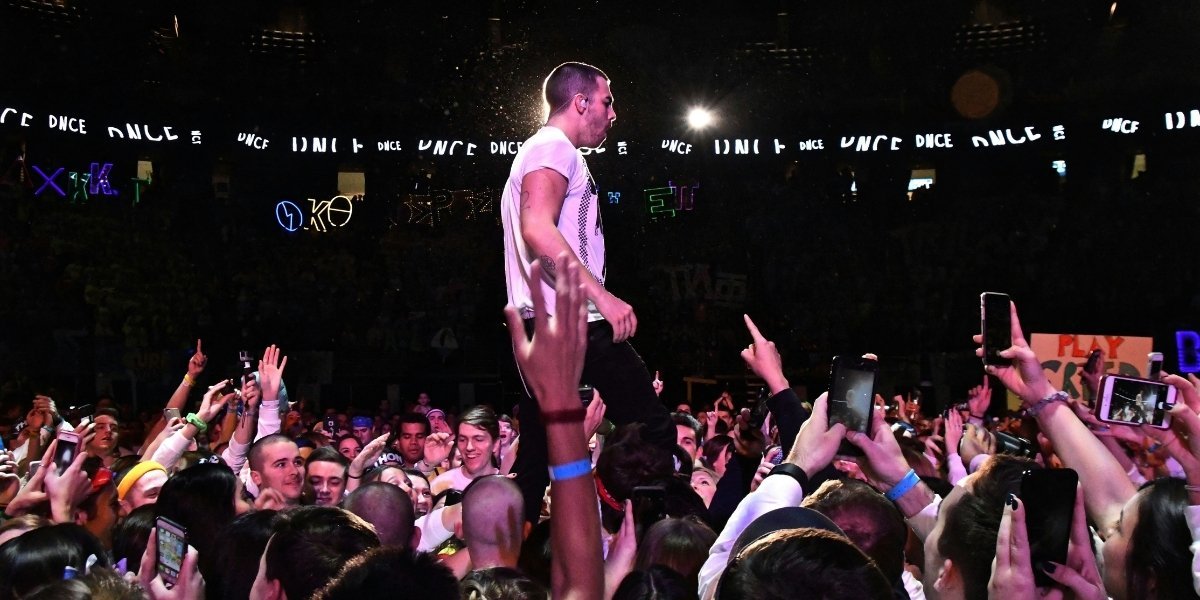

How Celebrity Entrepreneurs Are Disrupting Industries and Inspiring Innovation

Beyond the Spotlight: Examining the Rise and Impact of Celebrity Entrepreneurs

In recent years, the world of business has seen a remarkable transformation, with celebrities increasingly stepping beyond the spotlight of their entertainment careers to launch their own entrepreneurial ventures. These celebrity entrepreneurs use their fame and influence to not only endorse products but to create and lead successful businesses in various industries. This phenomenon reflects a unique intersection of fame and entrepreneurship, where celebrity status and business acumen collide to form powerful, impactful brands. This pillar explores the motivations, strategies, challenges, and successes of celebrity entrepreneurs and their profound impact on the marketplace.

The Power of Brand and Influence

One of the most significant advantages celebrity entrepreneurs hold is the power of their personal brand. Having already cultivated a loyal fan base and media presence, celebrities can leverage these assets to gain an edge in launching new ventures. Their brand recognition and consumer trust allow them to bypass traditional marketing efforts, making it easier to attract attention and convert interest into sales.

Leveraging Fame for Business Success

The impact of a celebrity’s personal brand cannot be overstated. Celebrities like Rihanna, with her Fenty Beauty line, or Kylie Jenner, with her Kylie Cosmetics, have shown how a well-established fan base can significantly shorten the time it takes to build brand awareness. Their visibility on social media platforms and their ability to make personal connections with millions of followers translate directly into consumer trust and loyalty for the brands they create.

Celebrity Endorsement as a Business Model

Beyond creating their own brands, many celebrities also turn their endorsement power into an avenue for entrepreneurial ventures. By endorsing existing products or services, celebrities inject a sense of authenticity and credibility into brands that might otherwise struggle to gain traction. This endorsement power works because consumers often feel a connection with their favorite stars and trust their opinions, making them more likely to make purchasing decisions based on these associations.

Motivations Beyond Endorsement Deals

While some celebrities choose entrepreneurship for the financial rewards, many are motivated by factors beyond simply making money. Celebrities have unique reasons for becoming entrepreneurs, driven by personal passions, the desire for creative control, and the wish to leave a lasting legacy.

A Desire for Creative Control

For many celebrities, stepping into the world of business provides an opportunity to exercise creative freedom in ways they might not have in their entertainment careers. Whether it’s designing a fashion line, curating a beauty collection, or developing a new food product, entrepreneurship allows celebrities to take full ownership of their ideas and bring them to life. This creative control can also empower them to influence industries and trends they are passionate about.

Building a Legacy Beyond Fame

Becoming an entrepreneur also offers celebrities the chance to build a legacy that outlives their entertainment careers. Rather than relying solely on fame, they can create sustainable businesses that have lasting value in society. For example, Jessica Alba’s Honest Company, which focuses on eco-friendly baby products, combines her passion for sustainability with entrepreneurship, contributing positively to society while simultaneously building a brand that can endure beyond her acting career.

Addressing Unmet Market Needs

Some celebrities venture into business to address specific market needs or unmet demands they’ve identified. LeBron James, for example, has invested in businesses like Blaze Pizza and launched his own media company, all of which align with his passion for improving communities and giving back. These entrepreneurial ventures allow celebrities to shape industries and leave their mark in ways that align with their personal values and public personas.

Diverse Industries and Ventures

Celebrity entrepreneurs are not limited to one particular industry. They’ve ventured into a wide range of sectors, from beauty and cosmetics to food and beverage, technology, and even entertainment production. Each sector offers distinct opportunities, and celebrity entrepreneurs often bring their unique personal touch to these businesses.

Beauty and Cosmetics

One of the most notable areas where celebrities have made a mark is in the beauty and cosmetics industry. Rihanna’s Fenty Beauty has revolutionized the beauty space by promoting inclusivity with its wide range of foundation shades. Similarly, Kylie Jenner’s Kylie Cosmetics was built on the idea of empowerment and self-expression, transforming lip kits into a massive business success.

Food and Beverage

Celebrities have also had significant success in the food and beverage industry. Dwayne “The Rock” Johnson launched his own tequila brand, Teremana, combining his personal brand with his love for quality products. Rita Ora and Kendall Jenner have also ventured into food and beverage, with Ora’s alcohol brand and Jenner’s tequila venture making waves in their respective markets.

Technology and Wellness

In the tech and wellness industries, celebrity entrepreneurs like Will Smith (with his media company Westbrook Inc.) and Jessica Biel (with her wellness brand Not-a-Plan) have combined their passion for innovation and self-care to create businesses that cater to emerging consumer demands in tech and health.

Strategies for Building Sustainable Businesses

How Celebrity Entrepreneurs Are Disrupting Industries and Inspiring Innovation

Photo Credit: Unsplash.com

Building a sustainable business is a significant challenge, particularly when celebrity entrepreneurs are often seen as riding on their fame rather than their business acumen. To ensure their ventures are viable in the long run, celebrity entrepreneurs employ a variety of strategies aimed at creating businesses that are not just popular but also resilient and profitable.

Assembling Strong Teams

Successful celebrity entrepreneurs understand the importance of assembling strong teams. While their fame may have helped launch their businesses, the day-to-day operations require expertise in areas such as marketing, finance, product development, and distribution. Many celebrity entrepreneurs hire experienced executives and professionals to help navigate the complexities of running a business.

Developing Quality Products

Celebrity entrepreneurs are also keenly aware that their fame alone cannot sustain a business without a solid product or service. Many of them focus on delivering high-quality products that resonate with their target audiences. For instance, Rihanna’s Fenty Beauty was praised not only for its inclusivity but also for the high performance of its products. Building a brand around quality ensures the longevity of the business beyond its initial celebrity-driven appeal.

Effective Marketing and Distribution

Effective marketing and distribution strategies are essential for celebrity entrepreneurs. They often rely on their social media presence and personal brand to generate buzz, but they also employ more traditional marketing strategies, such as partnerships with retailers, targeted advertising, and influencer collaborations, to ensure their products reach a broader audience.

Challenges and Pitfalls

Despite their advantages, celebrity entrepreneurs face unique challenges and pitfalls in the business world. Their fame can sometimes overshadow the quality of their product, and they must work hard to ensure their ventures are taken seriously.

Maintaining Authenticity

One of the key challenges for celebrity entrepreneurs is maintaining authenticity. There’s often skepticism about whether their businesses are genuine or just an extension of their brand. Celebrity entrepreneurs must ensure their ventures are rooted in authentic passion and not simply driven by commercial interests.

Time and Resource Management

Managing multiple careers—whether in entertainment, sports, or fashion—along with running a business can be a difficult balancing act. Celebrity entrepreneurs often have limited time to dedicate to their ventures, and managing these resources effectively is crucial for their success.

Impact on Consumer Culture and Trends

The rise of celebrity entrepreneurs has significantly impacted consumer behavior and shaped cultural trends. Celebrity-backed brands have the power to set new trends, influence purchasing decisions, and even create new cultural movements.

Influencing Consumer Behavior

When a celebrity promotes a product, especially on social media, it often leads to a surge in interest and purchasing. Their influence drives faster adoption of new products and services, particularly among their fan base. Celebrity endorsements create a sense of trust and aspirational appeal that makes consumers feel connected to the products they are purchasing.

Shaping Market Trends

Celebrity entrepreneurs also shape broader market trends. For example, the rise of clean beauty products was accelerated by celebrity-backed brands such as Alicia Keys’ Keys Soulcare. Similarly, celebrity ventures in eco-friendly and sustainable products have driven the conversation about responsible consumerism in the marketplace.

The Blurring Lines Between Celebrity and Business

The increasing integration of celebrity culture with business raises questions about the future of entrepreneurship. The lines between fame and business success are becoming increasingly blurred, with celebrities leveraging their personal brands to build entire empires.

Implications for Aspiring Entrepreneurs

The rise of celebrity entrepreneurs signals a shift in the entrepreneurial landscape. Aspiring entrepreneurs now look to celebrities not only for inspiration but also as examples of how personal branding and media presence can be crucial to launching successful businesses. This trend has created new opportunities for businesses that incorporate celebrity influence and cross-industry collaborations.

The phenomenon of celebrity entrepreneurs is reshaping the landscape of business. By leveraging their personal brands, fame, and influence, celebrities are creating powerful, sustainable businesses that reach diverse markets and influence consumer behavior. While the challenges are significant, the impact of these celebrity-driven ventures on the marketplace is undeniable, making them an important force in modern business.

Fashion Model vs. Supermodel: Decoding the Elite Status and Fame

Fashion Model vs. Supermodel: Key Differences

In the world of fashion, the terms “fashion model” and “supermodel” are often used interchangeably, but they have distinct meanings. Understanding the differences between the two can help shed light on the world of modeling and the paths to success within it. Whether you’re a fashion enthusiast or an aspiring model, it’s important to recognize what sets these two categories apart. This article explores the key differences between fashion models and supermodels, from their career trajectories to their roles in the industry.

What is a Fashion Model?

A fashion model is someone who works primarily in the fashion industry, showcasing clothing and accessories for designers, brands, and photographers. Fashion models are hired for various types of work, from runway shows to magazine photo shoots. They might also participate in advertising campaigns and promotional events. Fashion models can work in different categories, such as editorial modeling, commercial modeling, and runway modeling.

Unlike supermodels, fashion models typically achieve success through their work in specific niches within the fashion industry. Their career might involve working with well-known designers, appearing in popular fashion magazines, or being featured in high-profile advertisements. Fashion models are often seen as versatile professionals who can work with a range of brands and styles, which gives them opportunities for a diverse portfolio.

What Makes a Supermodel?

A supermodel, on the other hand, represents the pinnacle of the modeling world. Supermodels are not just well-known for their appearances in fashion shows and magazines, but they also gain global fame, often transcending the fashion industry itself. These models are iconic figures, with careers that typically span decades, and they hold significant influence in pop culture.

To become a supermodel, a model must achieve far more than just success in the fashion industry. Supermodels are often the faces of major international campaigns, they appear in high-profile fashion events, and they have a significant media presence. Many supermodels are considered household names, and they often use their fame to branch into other industries, such as acting, business, or philanthropy.

Supermodels are recognized for their signature looks and distinctive presence, making them more than just models—they become global stars.

How Does Career Trajectory Differ?

The path to success for a fashion model can vary greatly. Some may start their careers in smaller markets and work their way up, while others might be discovered early and enjoy immediate success. Fashion models often have longer careers, especially if they maintain versatility and work across different sectors of the industry. While they may experience periods of steady work, their level of fame usually remains more niche compared to supermodels.

In contrast, a supermodel’s career trajectory is marked by extreme visibility and influence. Supermodels typically experience meteoric rises in fame and success, often achieving widespread recognition early in their careers. They are highly sought after by top designers and major fashion brands, and their personal brand becomes almost as important as their modeling work. Supermodels tend to have shorter careers in terms of active modeling but enjoy sustained fame through media and business ventures long after they stop modeling full-time.

What Are the Key Roles of Fashion Models and Supermodels?

While both fashion models and supermodels are central to the fashion industry, their roles are often quite different. Fashion models primarily focus on the presentation of clothing and accessories. They work directly with designers and photographers to create the right look for a particular collection or brand. Fashion models may participate in runway shows, magazine shoots, or ad campaigns, but their role typically revolves around promoting the designs of others.

Supermodels, however, often play a larger role in shaping the image and direction of fashion itself. They are the faces of top fashion brands, and their presence can define an era. Supermodels have a distinct influence on trends and popular culture. They have the power to transform the visibility of a brand or collection, often setting the tone for an entire season or fashion cycle.

Because supermodels are high-profile public figures, they also often take on roles outside of modeling, contributing to their overall impact on the fashion industry. Their influence can be seen in various media, including television, film, and social media platforms, where they continue to command attention long after stepping off the runway.

Recognition and Fame: The Supermodel Edge

Fashion Model vs. Supermodel: Decoding the Elite Status and Fame

Photo Credit: Unsplash.com

One of the most striking differences between a fashion model and a supermodel is the level of fame and recognition they achieve. Fashion models may enjoy success within certain fashion circles, and they may be well-known in their specific markets or industries. However, their fame tends to stay within the fashion world, and they may not receive much recognition outside of it.

Supermodels, on the other hand, are typically household names, often recognized worldwide. Their visibility extends far beyond the fashion industry, and their popularity is a result of their unique combination of beauty, charisma, and often larger-than-life personas. Supermodels are frequently seen on the covers of magazines, in films, or attending high-profile events. Their influence extends to music videos, advertising campaigns, and even collaborations with major global brands. As a result, their careers reach a much broader audience and have a lasting cultural impact.

The Impact of Supermodels on the Fashion Industry

Supermodels have the power to influence the fashion industry in profound ways. With their fame, they can help define trends, launch brands, and bring attention to new designers. Supermodels often become the face of global fashion campaigns, influencing consumer behavior and shaping public perceptions of style and beauty.

Because of their fame, supermodels also help set standards for diversity and inclusion in the fashion world. As these models are often seen as icons of beauty, their representation in the industry can have a significant impact on how beauty standards are shaped globally. They act as role models and trendsetters, often paving the way for future generations of models and influencing how fashion is marketed and consumed.

Fashion Models and Supermodels – Two Distinct Paths to Success

While both fashion models and supermodels are essential to the fashion industry, they differ in their career paths, recognition, and influence. Fashion models focus primarily on showcasing clothing and accessories, while supermodels transcend the fashion world to become iconic figures with global recognition. Supermodels enjoy a level of fame and influence that sets them apart from fashion models, allowing them to shape trends and impact culture on a broader scale.

The journey to becoming a model or supermodel is unique for each individual, and both paths offer different rewards. For aspiring models, understanding these differences can help clarify the route they might take and the level of success they aim to achieve.

Passing Down Your Business: Is It Better Than Selling?

Selling vs. Passing Down Your Business: Pros & Cons

When the time comes to step away from running your business, one of the most important decisions you’ll face is what to do with it. Should you sell your business to a third party, or should you pass it down to a family member or trusted colleague? Both options come with their own set of advantages and challenges, and the decision will largely depend on your personal goals, the business’s potential for growth, and family dynamics. Understanding the pros and cons of selling versus passing down your business can help you make an informed decision for your future and the future of your business.

Selling Your Business: The Pros and Cons

Selling a business can offer immediate financial rewards and a clean break from the day-to-day operations, but it also comes with a variety of considerations that can impact long-term outcomes. Here’s a breakdown of the main pros and cons of selling your business:

Pros of Selling Your Business

Immediate Financial Gain

One of the most appealing aspects of selling your business is the immediate financial payoff. The sale of your business can generate a substantial sum of money, especially if your business is well-established and profitable. This influx of capital can provide you with the financial freedom to pursue new ventures, retire, or invest in other opportunities.

Freedom and Less Stress

Running a business comes with its fair share of stress and responsibility. By selling your business, you’re able to free yourself from the constant pressure of managing operations, making tough decisions, and handling financial concerns. This can lead to a significant improvement in work-life balance and overall well-being.

Exit Strategy and Legacy

Selling your business gives you the opportunity to have a clean exit and a new beginning. It can be an attractive option if you’re looking to retire, start something new, or simply move on. You can also choose to sell to a buyer who aligns with your values and can continue your legacy in a way that feels meaningful to you.

Cons of Selling Your Business

Loss of Control and Emotional Attachment

For many entrepreneurs, a business is more than just a source of income—it’s a passion project that represents years of hard work and dedication. Selling your business can be emotionally difficult, as it means losing control over something you’ve worked so hard to build. The decision to sell may also be complicated if you’ve invested a significant amount of personal identity in your business.

Tax Implications

Selling a business often involves significant tax consequences. Depending on the structure of the sale, you may be required to pay capital gains taxes or other taxes that can reduce the financial benefits of the sale. It’s important to consult with a financial advisor to fully understand the tax implications of selling your business and how they might impact the final payout.

Finding the Right Buyer

Finding the right buyer is crucial for the success of the sale. If the buyer doesn’t share your vision for the business or lacks the expertise to continue operations, it could negatively impact the future of the business. Additionally, you may need to work with the buyer during a transition period, which could be time-consuming and stressful.

Passing Down Your Business: The Pros and Cons

Passing down your business to a family member or trusted colleague allows you to maintain your legacy and keep the business within the family or close-knit team. However, this route also comes with its own set of challenges. Here’s a look at the pros and cons of passing down your business.

Pros of Passing Down Your Business

Passing Down Your Business: Is It Better Than Selling?

Photo Credit: Unsplash.com

Preserving Your Legacy

Passing your business down to a family member allows you to preserve your legacy and ensure that your hard work continues to benefit future generations. This can be particularly important if the business has been a long-standing family operation. By passing it on, you maintain the continuity of your values, traditions, and vision for the business.

Retaining Control and Involvement

If you pass your business down to a family member or trusted colleague, you have the opportunity to retain some level of control and involvement in the company’s operations, at least during the transition period. This can be comforting if you want to ensure that the business is in good hands while still being able to make important decisions in the future.

Emotional Fulfillment

For many entrepreneurs, passing down the business to a family member provides emotional satisfaction. It can be rewarding to see someone you care about carry on the work you’ve started, especially if the family member shares your passion and vision for the business. This often leads to a sense of pride and fulfillment.

Cons of Passing Down Your Business

Family Dynamics and Tensions

Family businesses can come with complex dynamics that create tensions, especially when it comes to leadership transitions. Family members may not always agree on the direction of the business, or they may not have the necessary skills to take over management responsibilities. This can lead to conflict, resentment, and even the breakdown of family relationships if not handled carefully.

Lack of Experience or Preparedness

Just because a family member is related to you doesn’t mean they have the necessary experience or skills to run the business. Passing the business down to someone who is unprepared can result in poor decision-making, financial instability, or even the decline of the business. It’s important to ensure that the successor is adequately trained and ready to take on leadership responsibilities.

Potential for Stagnation

When a business is passed down within the family, it may be harder for the business to adapt to changing markets, new technologies, or evolving customer preferences. Family-run businesses sometimes struggle with innovation, especially if the successor is resistant to change or lacks a fresh perspective. This can hinder the long-term growth and success of the business.

Making the Decision: What’s Best for You?

Ultimately, whether you choose to sell or pass down your business will depend on your personal circumstances, goals, and family dynamics. Selling your business may be the right choice if you’re looking for a clean break, immediate financial rewards, and a chance to explore new opportunities. On the other hand, passing the business down can be an emotionally fulfilling choice if you want to preserve your legacy and ensure that your business continues in the hands of trusted family or colleagues.

Before making your decision, it’s essential to consult with a financial advisor, lawyer, and other trusted professionals to fully understand the implications of both options. Whether you choose to sell or pass down your business, planning for the future will ensure that your business’s next chapter is successful and rewarding.

From Set to Home: How Celebrity Mothers Master Work-Life Balance

How Do Hollywood Mothers Balance Their Careers and Families?

The fast-paced world of Hollywood is known for its demanding schedules and intense pressure, especially for mothers. Balancing motherhood and career in such an environment can seem like an impossible feat, but many women in Hollywood manage to juggle both successfully. From renowned actresses to powerful executives, these women show that it is possible to thrive in a high-pressure career while also raising a family.

But how do they do it? What are the strategies they use to navigate the challenges of motherhood while also staying at the top of their game? In this article, we explore tips and advice on how to manage both worlds without compromising family life or career success.

What Challenges Do Mothers in Hollywood Face?

The challenges of balancing motherhood and career in Hollywood are unique, largely because of the industry’s high visibility and demanding schedules. For many actresses, the pressure to maintain a public image while also managing family responsibilities can feel overwhelming. The constant need to look perfect, the scrutiny from the media, and the intense travel schedules all contribute to the challenges that mothers in Hollywood face.

Beyond the external pressures, there’s the challenge of being away from their children for extended periods. Long filming schedules, press tours, and promotional events can make it difficult to be physically present for children. For mothers working in Hollywood, the emotional toll of being away from family while pursuing a career can create a sense of guilt and stress.

Despite these challenges, many women in Hollywood manage to strike a balance. They do this by employing practical strategies that help them prioritize both family and career without burning out.

What Strategies Help Hollywood Mothers Succeed?

Hollywood mothers have learned to manage their time effectively. One key strategy is setting clear boundaries between work and family life. Many mothers make it a point to schedule family time and prioritize their children, even if that means turning down certain work opportunities or adjusting their schedules.

Some Hollywood mothers also rely on an extensive support system to help manage their responsibilities. Hiring help, whether it’s a nanny, family members, or other trusted caregivers, allows these women to fulfill their professional obligations while ensuring their children are well-cared for. Delegation plays a huge role in making it all work.

Another strategy that many mothers in Hollywood use is compartmentalizing their lives. This means being fully present at work when it’s time to work, and fully engaged at home when they’re with their children. This mental shift helps them focus on the task at hand, without feeling torn between the two worlds. Creating a structured routine is often a helpful way to maintain that balance.

How Do Hollywood Mothers Stay Connected to Their Children?

Despite the demands of a career in Hollywood, many mothers have found ways to stay connected to their children. Frequent video calls, even on the go, allow for ongoing communication, making it easier to maintain a close relationship while traveling. Some Hollywood mothers even schedule their work to align with their children’s routines, ensuring that they are present for important moments like school events, birthdays, and family milestones.

Another way that mothers balance their careers is by integrating their children into their work lives. For instance, some celebrities bring their children to the set during filming or invite them to work-related events, allowing them to experience a bit of their mother’s world while still being together. This not only makes family time more flexible but also gives children a unique opportunity to see the work their mother is passionate about.

What Advice Do Hollywood Mothers Have for Others?

From Set to Home: How Celebrity Mothers Master Work-Life Balance

Photo Credit: Unsplash.com

Many women in Hollywood have shared their advice for balancing motherhood and career, offering wisdom that can inspire others in similar situations. One common piece of advice is to let go of the idea of perfection. Mothers in Hollywood often talk about the importance of self-compassion and recognizing that it’s okay to ask for help and to take time for oneself.

They also emphasize the need for self-care and maintaining a healthy lifestyle. Taking care of one’s physical and mental health ensures that these mothers have the energy to care for both their families and their careers. Finding moments to relax, recharge, and pursue personal interests outside of work and motherhood is crucial for maintaining balance.

Another key piece of advice is to be flexible. In an industry like Hollywood, things can change on a dime. Schedules can shift, opportunities can arise unexpectedly, and sometimes plans don’t go as anticipated. Being adaptable and staying open to new possibilities helps mothers manage these uncertainties without feeling overwhelmed.

How Has Hollywood’s Perception of Motherhood Changed?

Over the years, the perception of motherhood in Hollywood has evolved. While the industry once demanded that women choose between their career and family, there has been a growing recognition of the importance of supporting mothers in the workforce. Many Hollywood studios now offer more flexible schedules, family-friendly set environments, and better access to parental leave.

In addition, more actresses and producers are sharing their stories about motherhood in Hollywood, helping to break down stigmas surrounding working mothers in the entertainment industry. Public figures like Jessica Alba, Angelina Jolie, and Gwyneth Paltrow have openly discussed their experiences, giving other women the courage to pursue both their family and career dreams.

Hollywood’s changing attitude towards motherhood is a positive step forward, but it’s still an ongoing conversation. As more Hollywood mothers speak out about their experiences, the industry continues to evolve, creating better opportunities for women to thrive in both their professional and personal lives.

Is It Possible to Have Both?

Balancing motherhood and career in Hollywood is undoubtedly a challenge, but it’s one that many women are successfully navigating. By setting clear boundaries, creating strong support systems, and prioritizing their time, Hollywood mothers prove that it is possible to thrive in both roles. The key lies in finding what works for each individual, embracing flexibility, and not being afraid to ask for help when needed.

With the growing support and recognition of working mothers in Hollywood, there is hope for future generations of women to build successful careers while also enjoying fulfilling family lives. The path may not always be easy, but it is possible with the right strategies and mindset.

The Actor’s Journey: How to Go From Bit Parts to Leading Roles

Small Roles to Lead: Your Journey to Becoming a Star

The glittering image of becoming a star often conjures visions of overnight success, grand premieres, and instant recognition. Yet, for the vast majority of those who achieve prominent status in the entertainment world, the journey is a testament to relentless dedication, continuous self-improvement, and an unwavering commitment to their craft. Far from a sudden leap, the path often begins with humble origins: uncredited background work, a single line in a television show, or a minor part in a regional play. These seemingly small opportunities are, in reality, crucial building blocks, offering invaluable experience and glimpses into the demanding world of professional performance.

This gradual ascent from obscurity to the spotlight illustrates a fundamental truth about pursuing a career in acting: every role, no matter how brief, contributes to an evolving skill set and a deepening understanding of the industry. It’s during these early stages that aspiring performers learn the practicalities of a set, understand the dynamics of collaboration, and begin to hone their on-screen or stage presence. The dream of becoming a star is fueled by passion, but it is realized through consistent effort, learning from every experience, and recognizing that even the smallest moments can be pivotal stepping stones toward a significant career.

What is the Starting Point for Aspiring Performers?

For aspiring performers, the journey toward becoming a star almost universally begins with foundational experiences, often in uncredited or very minor capacities. These early opportunities, such as background acting, non-speaking roles, or ensemble parts in local theater, are not just ways to get on a set or stage; they are vital classrooms. They provide a practical introduction to the rhythm of production, the terminology used by directors and crew, and the professional etiquette expected within the industry. This hands-on learning is invaluable, far surpassing what can be taught in a classroom setting alone.

These initial “small roles” offer performers the chance to observe seasoned professionals at work, to understand the intricate collaborative process behind a production, and to gain comfort with the technical aspects of performing under lights and in front of cameras. It’s a period of absorbing knowledge, building discipline, and often, realizing the immense effort required from every person involved in bringing a story to life. Such experiences cultivate patience and humility, qualities that are just as crucial as talent in navigating a challenging career path.

The Actor's Journey: How to Go From Bit Parts to Leading Roles

Photo Credit: Unsplash.com

These early roles are often the first steps in building a resume and demo reel, essential tools for future auditions. While a background appearance may not showcase acting prowess, it demonstrates experience on a professional set. A speaking line, even a single one, can be captured and used to highlight potential. This accumulation of professional credits, however minor, is a tangible sign of commitment and activity, steadily paving the way for more substantial opportunities on the journey to becoming a star.

How Crucial is Continuous Skill Development?

The path to becoming a star is intrinsically linked to a performer’s unwavering commitment to continuous skill development. Talent alone is rarely enough; the acting craft requires constant honing, refinement, and expansion. This involves formal training through acting schools, workshops, and coaching, focusing on areas like method acting, improvisation, voice modulation, movement, and character study. Each new skill mastered adds depth and versatility to a performer’s repertoire, making them more adaptable to diverse roles and more appealing to casting directors.

Beyond formal training, skill development for a serious performer is an ongoing, daily practice. This includes regularly reading plays and scripts, observing human behavior, practicing monologues, and seeking out new artistic influences. It’s about maintaining a creative curiosity and an openness to different techniques and perspectives. A performer’s growth is often proportional to their dedication to internalizing and embodying various human experiences, which requires consistent effort both on and off the stage.

The entertainment industry is highly competitive and constantly evolving. Therefore, staying relevant and competitive necessitates a proactive approach to learning. This might involve acquiring specialized skills like stage combat, musical instruments, specific accents, or even new technologies relevant to motion capture or virtual production. This continuous pursuit of growth ensures that a performer is not only prepared for current opportunities but also adaptable to future demands, increasing their chances of becoming a star by consistently offering something new and compelling.

How Can Networking and Mentorship Help in the Journey?

In the highly relational world of entertainment, effective networking and the cultivation of mentorships are incredibly powerful tools for becoming a star. Building genuine connections with fellow actors, directors, writers, producers, casting directors, and agents is paramount. These relationships can lead to opportunities that might not be publicly advertised, such as referrals for auditions, roles in independent projects, or simply gaining valuable insights into the industry’s inner workings. Attending workshops, industry events, and even informal gatherings can open doors and create a professional community.

Beyond simply knowing people, the quality of these connections matters. Networking is not just about collecting business cards; it is about building trust and demonstrating professionalism. Being reliable, prepared, and supportive of others’ work can create advocates who are willing to champion your talent. A positive reputation, built through consistent professional interactions, often precedes a performer and can be instrumental in opening doors to more significant opportunities as their career progresses.

Mentorship, in particular, offers invaluable guidance for an aspiring performer. Learning from those who have already navigated the challenges of the industry can provide crucial advice, help avoid common pitfalls, and offer a much-needed perspective during difficult times. A mentor can share insights on navigating auditions, understanding contracts, managing career setbacks, and maintaining mental resilience. These relationships, built on trust and shared experience, can be a compass for navigating the complex path toward becoming a star, providing both practical advice and emotional support.

What Role Does Perseverance Play in a Challenging Career?

Perseverance is arguably the single most critical trait for anyone on the path to becoming a star, especially given the notoriously challenging nature of the entertainment industry. Rejection is a constant companion in this career. Actors often face hundreds of auditions for every role they secure, and even established performers experience periods of unemployment. The ability to bounce back from disappointment, learn from setbacks, and continue pushing forward despite numerous “no’s” is what separates those who eventually succeed from those who give up.

This journey demands an immense level of resilience. It is a career that tests one’s self-esteem, financial stability, and emotional fortitude. Maintaining belief in one’s talent and purpose, even when opportunities seem scarce, is essential. Perseverance means showing up, continuing to train, seeking out new avenues, and refining the craft, even when immediate rewards are not apparent. It requires a profound commitment to the long game, understanding that breakthroughs can take years, even decades, to materialize.

The Actor's Journey: How to Go From Bit Parts to Leading Roles

Photo Credit: Unsplash.com

Perseverance also involves adapting to the industry’s evolving landscape. The ability to pivot, embrace new technologies (like self-taping or virtual auditions), and explore diverse mediums (theater, film, television, voice acting, digital content) demonstrates a forward-thinking resilience. This adaptability, combined with an unyielding determination, ensures that a performer remains active and viable, increasing their chances of being in the right place at the right time when a significant opportunity arises, ultimately leading to their dream of becoming a star.

What Defines the Transition from Supporting to Lead Roles?

The transition from playing small or supporting roles to securing lead parts is a pivotal moment in the journey of becoming a star, often defined by a combination of consistent memorable performances and strategic career growth. It is rarely a sudden leap; rather, it is the cumulative effect of demonstrating reliability, versatility, and depth in every character, regardless of screen time. A performer who consistently delivers strong, nuanced portrayals in minor roles builds a reputation for professionalism and talent, making them a safer and more appealing choice for larger, more demanding characters.

Recognizable performances, even in brief appearances, are key to this progression. A powerful scene, a compelling character choice, or an unforgettable delivery of a single line can catch the eye of a casting director, producer, or director. These moments highlight potential and leave a lasting impression, often leading to callbacks for more significant auditions. It is about seizing every opportunity, no matter how small, to showcase range and commitment, treating every role as if it were the most important one.

The transition to becoming a star in lead roles often hinges on an alignment of preparation and opportunity. Years of honing skills, building a network, and persevering through countless rejections culminate when the right script, the right director, and the right role converge. At this point, the performer’s sustained dedication allows them to step into the demanding shoes of a lead, delivering a performance that resonates with audiences and critics alike, thereby solidifying their position as a central figure in the cinematic or theatrical landscape. This marks not the end, but a new phase in their ongoing career.

Beyond Sunday Service: Why Gospel Music Still Resonates Today

Gospel music isn’t just for Sunday mornings anymore. It’s a genre that’s evolved far beyond church pews and choir robes, finding new life in playlists, film scores, TikTok loops, and global stages. The benefits of gospel music stretch across generations, cultures, and creative industries. Whether it’s a soulful hymn or a trap-infused worship anthem, gospel music still resonates today—and it’s not slowing down.

Gospel music isn’t just a label. It’s a movement. It’s a sound rooted in spiritual truth, emotional depth, and cultural storytelling. And while its foundation is faith, its reach is universal. Gospel continues to inspire artists, uplift audiences, and shape the soundscape of modern entertainment.

Gospel Music Is Built on Message, Not Just Melody

What sets gospel apart from other genres is its message. It’s not just about rhythm or harmony—it’s about meaning. Gospel music carries testimony, truth, and emotional weight. Whether it’s Mahalia Jackson’s timeless vocals or Maverick City Music’s contemporary worship, the lyrics are designed to connect deeply.

This connection is why gospel music still resonates today. It speaks to the human experience—pain, joy, redemption, and hope. Artists like Kirk Franklin, CeCe Winans, and Tasha Cobbs Leonard have built careers on crafting songs that feel like spiritual conversations. And younger artists are picking up the torch, blending gospel with R&B, hip-hop, and Afrobeats to reach new audiences.

From Church Choirs to Global Charts

Gospel music’s journey from local congregations to global platforms is nothing short of remarkable. It’s now featured in Grammy-winning albums, Netflix documentaries, and viral social media clips. Kanye West’s Jesus Is King and Beyoncé’s Black Is King both leaned heavily on gospel aesthetics, proving the genre’s influence in mainstream culture.

Streaming platforms have also helped gospel music thrive. Spotify, Apple Music, and YouTube host curated gospel playlists that attract millions of listeners. And with the rise of virtual choirs and digital worship, gospel music is more accessible than ever. It’s no longer confined to a sanctuary—it’s everywhere.

Gospel’s Emotional Power Is Timeless

Beyond Sunday Service: Why Gospel Music Still Resonates Today

Photo Credit: Unsplash.com

One reason gospel music still resonates today is its emotional power. The genre doesn’t shy away from vulnerability. It embraces it. Songs like “Take Me to the King” or “Break Every Chain” aren’t just performances—they’re declarations. They give voice to pain, healing, and transformation.

This emotional depth makes gospel music a go-to for creatives. Filmmakers use gospel tracks to underscore pivotal scenes. Fashion designers play gospel during runway shows to set a mood. Even wellness influencers turn to gospel playlists for meditation and reflection. The genre’s ability to evoke emotion makes it a versatile tool across industries.

Gospel Music Is a Cultural Archive

Beyond its spiritual roots, gospel music is a cultural archive. It carries the history of African American resilience, civil rights movements, and community storytelling. From spirituals sung in fields to anthems belted in protests, gospel has always been a voice for the voiceless.

Today’s artists continue that legacy. Jonathan McReynolds, DOE, and Chandler Moore are using gospel to address mental health, social justice, and identity. Their music isn’t just worship—it’s commentary. It’s proof that gospel can evolve while staying true to its roots.

Why Gospel Still Resonates with Younger Generations

Younger listeners aren’t just consuming gospel—they’re creating it. Gen Z artists are blending gospel with lo-fi beats, spoken word, and digital production. They’re using platforms like TikTok and Instagram to share snippets of worship, testimony, and praise. And they’re doing it in ways that feel authentic, not performative.

This creative freedom is why gospel music still resonates today. It’s adaptable. It’s inclusive. It welcomes innovation without losing its soul. Whether it’s a stripped-down acoustic version or a high-energy remix, gospel continues to speak to the heart.

The Future of Gospel Is Collaborative

Gospel music’s future lies in collaboration. Cross-genre partnerships are already happening—gospel meets jazz, gospel meets EDM, gospel meets indie folk. These collaborations expand the genre’s reach and introduce it to new audiences.

And it’s not just musical. Gospel is influencing fashion, film, and visual art. Designers are incorporating gospel themes into collections. Filmmakers are using gospel narratives to shape character arcs. Visual artists are drawing from gospel lyrics to create immersive installations.

Gospel music isn’t just surviving—it’s thriving. It’s evolving. And it’s still resonating today because it’s rooted in something deeper than trends. It’s rooted in truth, creativity, and connection.

The Benefits of Reading the Bible Daily: A Guide to Spiritual Growth

Reading the Bible daily isn’t just a spiritual habit—it’s a grounding practice that shapes how people think, feel, and respond to life. Whether you’re navigating a career in entertainment or simply trying to stay centered in a fast-paced world, daily scripture offers clarity, emotional resilience, and a deeper sense of purpose. The benefits of reading the Bible daily extend far beyond religious tradition. It’s a tool for spiritual growth, personal reflection, and creative renewal.

In a culture that thrives on noise and distraction, the Bible offers stillness. It’s a space where artists, performers, and public figures often turn for guidance. From Kanye West’s gospel-inspired albums to Selena Gomez’s quiet reflections on faith, daily scripture reading is becoming a creative anchor for many in the spotlight.

Spiritual Growth Starts with Consistency

Spiritual growth doesn’t happen overnight. It’s built through consistent habits, and daily Bible reading is one of the most powerful. Scripture provides a framework for understanding life’s challenges, joys, and uncertainties. It’s not just about memorizing verses—it’s about engaging with timeless wisdom that speaks to modern struggles.

Reading the Bible daily helps develop spiritual stamina. It strengthens your ability to stay grounded when life gets chaotic. Whether you’re dealing with rejection, burnout, or creative blocks, scripture offers perspective. It reminds you that growth often comes through discomfort, and that purpose is rarely linear.

Emotional Clarity and Mental Peace

One of the most underrated benefits of reading the Bible daily is emotional clarity. The Psalms, Proverbs, and Gospels offer language for grief, anxiety, and hope. They validate human emotion while pointing toward healing. For artists and creatives, this emotional vocabulary is essential.

Daily scripture reading can reduce stress and improve focus. It’s a form of meditation that centers the mind and calms the nervous system. Studies have shown that regular engagement with spiritual texts can lower cortisol levels and improve emotional regulation. In a world of constant stimulation, the Bible offers a quiet reset.

Creative Inspiration from Ancient Texts

The Benefits of Reading the Bible Daily: A Guide to Spiritual Growth

Photo Credit: Unsplash.com

Artists often draw inspiration from unexpected places. The Bible is full of poetic imagery, dramatic narratives, and philosophical depth. From Genesis to Revelation, the text explores themes of creation, redemption, and transformation—core ideas that resonate with creatives across disciplines.

Filmmakers, musicians, and writers have long turned to scripture for inspiration. Terrence Malick’s The Tree of Life, Kendrick Lamar’s DAMN., and Florence Welch’s lyrical references all reflect biblical influence. Reading the Bible daily keeps these themes fresh and accessible, offering new angles for storytelling and artistic expression.

The star-studded premiere of Barbie brought out A-list celebrities and social media influencers.

Moral Compass in a Shifting Culture

In entertainment and public life, values can get blurry. Daily Bible reading helps recalibrate your moral compass. It’s not about judgment—it’s about discernment. Scripture offers guidance on integrity, humility, and compassion, which are essential in any industry.

For those navigating fame or influence, the Bible provides a steady voice. It reminds readers to prioritize character over clout and service over self-promotion. In a culture obsessed with image, daily scripture reading encourages authenticity and depth.

Building Resilience Through Faith

Spiritual growth isn’t just about feeling good—it’s about building resilience. The Bible is full of stories of endurance, from Job’s suffering to Paul’s perseverance. These narratives remind readers that setbacks aren’t the end—they’re part of the journey.

Reading the Bible daily reinforces this mindset. It helps you face challenges with courage and grace. Whether you’re dealing with personal loss, career uncertainty, or creative doubt, scripture offers strength. It’s a daily reminder that you’re not alone, and that faith can carry you through.

Making It a Daily Habit

Starting a daily Bible reading habit doesn’t require perfection. It just takes intention. Begin with a few verses each morning or evening. Use a physical Bible, an app, or audio recordings—whatever fits your lifestyle. The goal isn’t quantity—it’s consistency.

Many creatives pair scripture with journaling or meditation. This helps integrate the message and apply it to daily life. Over time, the habit becomes a rhythm—one that shapes your thoughts, decisions, and relationships.

Whether you’re in the spotlight or behind the scenes, daily Bible reading is a powerful tool for spiritual growth. It offers wisdom, peace, and perspective in a world that rarely slows down. And for those who make it a priority, the benefits ripple through every part of life.

Interactive Content Revolution: How Online Engagement Became Standard

The digital landscape has evolved significantly over the past two decades, shifting from static web pages and passive content consumption to a highly interactive online experience. Whether through social media, gamification, augmented reality, or AI-driven personalization, interactive engagement has become a core strategy for businesses, influencers, and content creators.

Interactivity fosters deeper user involvement, enhances customer retention, and creates immersive experiences that encourage participation rather than just observation. As consumers demand more engaging, personalized digital interactions, businesses are investing in tools and technologies that facilitate two-way communication and active user participation.

This explores how interactive engagement has become a common practice online, the technologies driving this transformation, and the impact of interactivity on digital marketing, social media, and e-commerce.

The Evolution of Interactive Content

Interactive engagement did not emerge overnight; rather, it has been a gradual shift driven by advancements in technology, consumer behavior, and market competition.

From Static to Dynamic Experiences

In the early days of the internet, websites primarily served as digital brochures, providing basic information with little to no interaction. Users would consume content passively, much like reading a newspaper. However, as the internet matured, companies recognized that static pages were not enough to keep users engaged.

With the advent of Web 2.0, a new wave of digital interactivity emerged. Websites became dynamic and user-driven, allowing users to leave comments, upload content, and participate in discussions. Platforms like YouTube, Facebook, and Wikipedia revolutionized the way people interact online by turning users into content contributors rather than mere consumers.

The Rise of Gamification

Gamification—the incorporation of game mechanics into non-gaming applications—has played a crucial role in making digital experiences more interactive. Companies have used badges, leaderboards, progress tracking, and rewards to encourage users to actively participate and engage with their platforms.

According to research, over 70% of Forbes Global 2000 companies planned to use gamification strategies to boost engagement, improve customer loyalty, and enhance user experiences. Gamification is now widely used in e-learning, fitness apps, marketing campaigns, and customer loyalty programs.

Strategies That Enhance Online Engagement

Interactive engagement is achieved through various strategies, all designed to encourage active user participation rather than passive scrolling.

Personalization for a Tailored Experience

Consumers today expect content and services that cater to their specific needs. Personalization is a powerful engagement tool that uses data analytics and AI-driven insights to customize content, recommendations, and user interfaces.

E-commerce platforms like Amazon and Netflix use AI algorithms to suggest products or shows based on user preferences. Personalized email marketing campaigns, where users receive recommendations based on past purchases or browsing behavior, have significantly increased customer retention rates.

User-Generated Content (UGC) as an Engagement Driver

Encouraging users to create and share content has proven to be one of the most effective engagement strategies. User-generated content (UGC) fosters community building and brand loyalty, as consumers trust recommendations from peers more than traditional advertising.

According to a recent study, 86% of consumers consider authenticity a key factor in deciding what brands they support. UGC-based marketing campaigns, such as hashtag challenges, customer reviews, and fan-submitted videos, have become common strategies for brands looking to boost engagement.

Social Media Integration and Real-Time Engagement

Interactive Content Revolution: How Online Engagement Became Standard

Photo Credit: Unsplash.com

Social media platforms have become the epicenter of interactive engagement. Features like live streaming, interactive polls, Q&A sessions, and comment threads allow businesses and influencers to communicate directly with audiences.

For example, Instagram’s interactive stories, including polls, quizzes, and countdown timers, create a sense of urgency and participation, keeping users engaged with the platform.

Brands also use social media to host giveaways and challenges, encouraging followers to engage with content and share it with their networks.

Technological Advancements Driving Online Interactivity

Advancements in artificial intelligence (AI), augmented reality (AR), and virtual reality (VR) have played a key role in expanding interactive engagement.

Augmented Reality (AR) and Virtual Reality (VR)

AR and VR have transformed e-commerce, gaming, and digital storytelling, making experiences more immersive. Brands now allow customers to “try before they buy” using AR-powered tools.

For example, Sephora and IKEA use AR applications that allow customers to see how makeup or furniture would look before purchasing. This reduces hesitation, enhances engagement, and improves customer satisfaction.

AI-Powered Chatbots and Personalized Customer Support

Artificial Intelligence has enabled businesses to provide 24/7 customer service through AI-powered chatbots. These virtual assistants can answer questions, provide recommendations, and guide users through websites, making interactions more efficient.

Chatbots are widely used in banking, e-commerce, and tech support, offering real-time responses without requiring human intervention. AI chatbots improve customer engagement by providing instant, relevant information, increasing customer satisfaction.

The Impact of Interactive Engagement

The integration of interactive engagement strategies has reshaped digital marketing, online learning, and customer relationships.

Increased User Retention and Site Engagement

Users are more likely to spend time on a website or app that provides interactive elements. Whether it’s quizzes, polls, gamified learning, or personalized recommendations, interactivity encourages longer visits and repeated engagement.

For example, BuzzFeed’s interactive quizzes keep users on the platform for extended periods, increasing ad impressions and user retention.

Stronger Customer Loyalty and Brand Trust

Brands that engage with their audience through UGC, social media interactions, and personalized experiences cultivate stronger emotional connections with customers. This leads to higher retention rates and increased customer lifetime value.

Enhanced Data Collection and Consumer Insights

Interactive platforms enable businesses to collect valuable user data based on engagement patterns. This data helps in:

  • Understanding customer behavior
  • Improving product recommendations
  • Refining marketing strategies

By analyzing how users interact with content, businesses can create more effective, targeted campaigns.

The Future of Interactive Engagement

As digital experiences become more sophisticated, interactive engagement will continue to evolve. Emerging technologies like AI-driven virtual assistants, voice search, and metaverse experiences will further shape how users interact with digital platforms.

In today’s fast-paced digital world, passive content consumption is no longer enough. Businesses and creators must leverage interactive strategies to stand out, retain audiences, and foster meaningful connections. Whether through personalized experiences, social media interactivity, or immersive technologies, the future of online engagement is dynamic, participatory, and ever-evolving.

From Red Carpet to Resale: The Future of Celebrity-Driven Luxury

The Circular Economy of Stardom: Navigating the Market for Pre-Loved Celebrity Luxury

In an age increasingly focused on sustainability and mindful consumption, even the most glamorous corners of the market are embracing circularity. The realm of celebrity luxury resale stands as a fascinating intersection of high fashion, fame, and environmental consciousness. No longer confined to private auctions for a select few, the market for “pre-loved” items once owned by stars has blossomed, creating a vibrant ecosystem where desirability transcends newness. This burgeoning sector represents a unique facet of the circular economy, extending the lifecycle of high-value goods while offering fans a tangible connection to their idols.

Traditionally, luxury fashion operated on a linear model: produce, consume, discard. However, the growing awareness of environmental impact and the inherent value retention of high-end goods have propelled the resale market into the mainstream. When a luxury item carries the provenance of a celebrity, its appeal intensifies exponentially, creating a unique demand that transcends its material worth. This added layer of narrative and exclusivity transforms an already valuable piece into a coveted collector’s item, driving the expansion of celebrity luxury resale.

This phenomenon aligns perfectly with the principles of a circular economy, which advocates for keeping products and materials in use for as long as possible. By recirculating designer garments, accessories, and even bespoke pieces worn by public figures, this market reduces waste, conserves resources, and challenges the notion of disposability in high fashion. It’s a testament to how even industries built on aspiration and newness are adapting to a more sustainable paradigm, making pre-loved items from the famous a significant part of this shift.

The Unique Value Proposition of Pre-Loved Celebrity Items

The allure of celebrity luxury resale extends far beyond the intrinsic value of the designer item itself. What elevates a pre-loved gown or handbag from a famous individual above its identical counterpart sold new or through a generic resale platform? The answer lies in its unique value proposition, a blend of aspirational connection, historical provenance, and exclusivity that caters to a passionate consumer base.

The aspirational connection is undeniable. For many, owning an item once worn by a beloved actor, musician, or public figure offers a tangible link to a lifestyle they admire. It allows fans to “buy into” a part of their idol’s world, transforming an ordinary transaction into an emotional purchase. This personal connection imbues the item with a narrative, a story that enhances its perceived worth far beyond its original retail price or even its inherent material value.

The provenance adds a significant layer of exclusivity. Knowing that an item graced a red carpet, was part of a memorable performance, or featured in an iconic photograph imbues it with historical significance. Authentication becomes paramount in this market, as the verified history of ownership directly impacts the item’s desirability and resale value. This verifiable journey from the celebrity’s closet to the new owner’s collection is a key driver in celebrity luxury resale.

The inherent scarcity and uniqueness of these items contribute to their high value. While a luxury brand may produce many copies of a particular bag, only a select few will have been owned and used by a famous personality. This rarity, combined with the distinct story each piece carries, makes it a one-of-a-kind acquisition for collectors and enthusiasts, fueling robust demand in this specialized segment of the luxury market.

Drivers Behind the Growth of Celebrity Luxury Resale

Several powerful drivers are fueling the rapid expansion of the celebrity luxury resale market, transforming it from a niche activity into a significant force within the broader luxury ecosystem. These factors range from shifting consumer values to the strategic embrace of resale by celebrities themselves.

A primary driver is the growing sustainability consciousness among consumers. As awareness of fashion’s environmental impact increases, more buyers are seeking ethical alternatives to fast fashion and even new luxury purchases. The idea of giving a high-quality item a second life, particularly one that already exists, aligns perfectly with eco-friendly principles. For many, purchasing through celebrity luxury resale offers a way to indulge in high-end fashion responsibly.

From Red Carpet to Resale: The Future of Celebrity-Driven Luxury

Photo Credit: Unsplash.com

The democratization of luxury also plays a role. While the original retail price of many celebrity-worn items remains prohibitive for most, the resale market often offers these pieces at a (still premium) but more accessible price point. This allows a wider demographic to access high-end fashion, even if it’s “pre-loved,” thereby expanding the pool of potential buyers and fostering a more inclusive luxury market.

Celebrities themselves are increasingly engaging with the resale market, either by directly selling items from their wardrobes or by partnering with established resale platforms. This proactive participation not only legitimizes the market but also generates significant buzz and provides a direct, authenticated channel for fans to acquire pieces. This trend indicates a strategic embrace of circularity by the very figures who traditionally drove demand for new luxury goods. Social media’s role in showcasing these items and facilitating rapid transactions also contributes significantly to market growth.

Platforms and Gatekeepers in the Pre-Loved Market

The flourishing market for celebrity luxury resale is facilitated by a diverse ecosystem of platforms and gatekeepers, each playing a crucial role in authenticating, curating, and transacting these unique items. These entities bridge the gap between celebrity sellers and eager buyers, ensuring trust and transparency in a high-value sector.

High-end consignment platforms and auction houses are central to this market. Companies like The RealReal, Vestiaire Collective, and Sotheby’s, alongside specialized celebrity auctioneers, provide authenticated marketplaces. Their expertise in verifying authenticity, condition, and provenance is critical, given the high value and desirability of these items. They often have dedicated teams that work directly with celebrity stylists or personal assistants to source items, ensuring a legitimate and often exclusive inventory for celebrity luxury resale.

Beyond large platforms, specialized online stores and even social media-driven sales channels run by influencers or personal shoppers also contribute to the market. These smaller, more curated outlets might offer a more intimate buying experience, often focusing on specific styles or celebrity wardrobes. Regardless of scale, the emphasis on authentication remains paramount. Buyers in this market are not just purchasing a designer item; they are purchasing its story and the verifiable link to its famous owner, which necessitates rigorous checks against counterfeits and misrepresentation.

These gatekeepers effectively manage the flow of these luxury goods, ensuring they reach appreciative buyers while upholding the integrity of both the celebrity’s image and the luxury brands involved. Their role is pivotal in maintaining consumer confidence and fostering the continued growth and legitimization of the celebrity luxury resale market.

The Impact and Future of Stardom’s Circular Economy

The impact of the circular economy of stardom extends beyond mere commerce, influencing fashion trends, consumption patterns, and even celebrity branding. By embracing celebrity luxury resale, the industry is not only tapping into a lucrative market but also sending a powerful message about sustainability and value retention. This shift encourages consumers to view luxury items as investments with enduring appeal, rather than disposable status symbols.

From a sustainability perspective, this market offers a tangible contribution to reducing the fashion industry’s environmental footprint. Every pre-loved designer piece that finds a new home reduces the demand for new production, thereby lessening resource extraction, manufacturing waste, and carbon emissions. This aligns with broader global efforts towards a more responsible and resource-efficient economy, demonstrating how even high-end consumption can participate in environmental stewardship.

The future of celebrity luxury resale appears poised for continued growth and innovation. As sustainability becomes an even greater priority for consumers and brands, more celebrities are likely to engage with this market, both as sellers and as advocates for circular fashion. Technological advancements, such as enhanced digital authentication methods and immersive virtual shopping experiences, could further revolutionize how these unique items are presented and traded. This evolving landscape suggests a dynamic future where the allure of celebrity and the principles of circularity continue to intertwine, creating a robust and exciting segment within the broader luxury market.