How an Artist’s Discography Shapes Their Creative and Cultural Impact

What Defines an Artist’s Recorded Legacy?

An artist’s recorded legacy is a powerful reflection of their creative journey, capturing the evolution of their sound, message, and influence over time. This legacy is preserved through their discography—the collection of albums, singles, EPs, and other recordings that mark milestones in their career. Each release contributes to a larger narrative, offering listeners insight into the artist’s growth, experimentation, and cultural impact. Understanding the importance of an artist’s discography helps fans and scholars appreciate not only the music itself but also the story it tells about the artist’s artistic and personal development.

A discography serves as a historical record, tracing how an artist responds to changes in their own life, musical trends, and the broader cultural landscape. Early works often capture youthful energy and raw ideas, while later albums may reflect maturity, refined techniques, or new creative directions. Iconic artists use their recorded legacy to push boundaries and influence generations of musicians and fans. For example, Bob Dylan’s prolific discography documents his shift from folk to electric rock, mirroring societal changes and personal evolution. This layered history embedded in recordings is what makes an artist’s discography so valuable.

Beyond capturing artistic growth, a discography also holds emotional significance for listeners. Fans often connect deeply with specific albums or songs that resonate with moments in their own lives. As listeners revisit an artist’s body of work, they experience a sense of continuity and shared history. The recorded legacy becomes a soundtrack to personal and collective memories, enriching its meaning over time. This reciprocal relationship between artist and audience enhances the cultural importance of a discography, turning it into more than just a list of recordings but a living, evolving legacy.

How Does an Artist’s Discography Reflect Their Creative Evolution?

An artist’s discography is often viewed as a roadmap of their creative evolution. Each album or project reveals new facets of their musical identity, showing experimentation with different genres, themes, or production styles. For many musicians, their earliest recordings highlight foundational influences and raw talent, while subsequent works demonstrate growth in songwriting, instrumentation, and conceptual depth. This progression not only showcases technical skill but also the artist’s willingness to take risks and explore new territories.

Some artists deliberately use their discography to tell a larger story or explore recurring themes. Concept albums or multi-part projects create continuity and deepen artistic expression. For example, Beyoncé’s discography includes albums that chart her personal and artistic journey, addressing themes like empowerment, identity, and social justice. These carefully crafted works invite listeners to engage with the artist on a profound level, appreciating the layers of meaning woven throughout the recordings.

Collaborations and side projects also enrich an artist’s recorded legacy, offering fresh perspectives and expanding their creative horizons. By working with different producers, musicians, or genres, artists can reinvent themselves and reach new audiences. These ventures contribute to a more diverse and dynamic discography, highlighting adaptability and curiosity. Ultimately, an artist’s discography is a living document of their artistic life, reflecting continual growth and change.

What Role Does Production and Technology Play in Shaping a Discography?

How an Artist’s Discography Shapes Their Creative and Cultural Impact


Photo Credit: Unsplash.com

The evolution of recording technology and production techniques plays a significant role in shaping an artist’s discography. Advances in studio equipment, digital tools, and distribution methods influence how music is created, recorded, and shared. From the analog warmth of vinyl records to the clarity and versatility of digital streaming, these technological shifts impact the sound and accessibility of an artist’s work.

In earlier decades, limitations of recording technology sometimes shaped the style and structure of albums. For example, the constraints of vinyl influenced album length and track sequencing. As multitrack recording and digital editing advanced, artists gained greater creative control, allowing for more complex arrangements and experimentation. This progression is often evident when listening to an artist’s discography over time, revealing changes in production aesthetics and techniques.

Producers and engineers also leave their mark on an artist’s recorded legacy. Collaborations with different producers can lead to distinctive sounds and artistic directions. The choice of studio, mixing approach, and mastering process all contribute to the final character of recordings. For example, the partnership between Michael Jackson and producer Quincy Jones resulted in some of the most iconic albums in pop history, illustrating how production influences an artist’s legacy.

How Does an Artist’s Discography Influence Their Cultural Impact?

An artist’s discography is often central to their cultural influence and legacy. Through their body of work, artists can challenge norms, inspire movements, and connect with audiences on a societal level. Music that resonates beyond entertainment becomes part of cultural conversations, reflecting and shaping social attitudes and values. The depth and breadth of an artist’s discography contribute to their ability to make lasting cultural contributions.

Songs and albums within a discography can become anthems for particular generations or causes. For example, the discography of artists like Nina Simone or Bob Marley carries powerful messages of resistance, hope, and identity. These works transcend music, entering the realm of cultural history and activism. The sustained relevance of such artists often hinges on the availability and preservation of their recordings, emphasizing the importance of a rich and accessible discography.

An artist’s discography influences future musicians and genres. Emerging artists often draw inspiration from the recordings that shaped their own musical tastes and ambitions. Cover versions, samples, and tributes highlight how an artist’s legacy continues to evolve and impact creative expression. The discography, therefore, serves not only as a personal archive but as a wellspring for ongoing cultural innovation and dialogue.

What Challenges and Opportunities Exist in Preserving and Accessing an Artist’s Discography?

Preserving and accessing an artist’s discography presents both challenges and opportunities in the digital age. Physical media like vinyl, CDs, and tapes face deterioration and obsolescence, making preservation efforts critical. Archivists and music historians work to digitize and maintain recordings, ensuring that future generations can experience the full scope of an artist’s work. This process often involves restoring original master tapes and curating comprehensive collections.

Digital platforms have revolutionized access to discographies, offering unprecedented convenience and reach. Streaming services allow fans worldwide to explore an artist’s catalog with ease, expanding their audience and influence. However, this shift also raises concerns about ownership, royalties, and the preservation of artistic integrity. The sheer volume of music available online can make it difficult for lesser-known works to gain visibility, potentially narrowing the perceived scope of an artist’s legacy.

Artists and rights holders face important decisions about how to present their discography in the digital realm. Curated playlists, deluxe editions, and remastered releases can highlight key works and offer fresh perspectives. Engaging fans through social media and interactive content helps keep the discography vibrant and relevant. By navigating these challenges thoughtfully, artists can ensure their recorded legacy remains a living, accessible part of cultural history.


The Origin of ‘Catwalk’: Where Did the Fashion Runway Get Its Name?

The word “catwalk” is now synonymous with high fashion, flashing cameras, and models strutting in designer looks. But before it became the centerpiece of Fashion Week and the backdrop for every major couture debut, the term had a very different meaning—one rooted in architecture and feline agility.

The fashion runway’s name didn’t come from the industry itself. It came from the way cats walk—gracefully, precisely, and with a kind of effortless balance. That same energy is what designers wanted to evoke when models showcased their collections. And just like that, the catwalk was born.

From Industrial Walkways to Fashion Stages

Long before it was associated with Chanel or Versace, the word “catwalk” referred to narrow platforms used in industrial settings. These elevated walkways—often found in factories, shipyards, and theaters—were designed for maintenance workers to move across beams or machinery without falling.

Because these walkways were slim and required careful footing, they were compared to the way cats move: light, poised, and deliberate. The term “catwalk” was used to describe these structures as early as the late 19th century.

When fashion shows began to evolve from private salon presentations to theatrical events, designers and producers borrowed the term to describe the elevated platforms models walked on. The association with feline grace made it a perfect fit for the fashion world’s obsession with elegance and control.

The Rise of the Fashion Runway

Fashion shows weren’t always the spectacle they are today. In the early 1900s, designers like Paul Poiret and Charles Frederick Worth hosted intimate presentations for clients in their ateliers. Models would walk through rooms, showing off garments in a casual, conversational setting.

But as fashion became more commercial and competitive, the need for drama grew. By the 1950s, runways were elevated, lit, and extended—turning the model’s walk into a performance. The term “catwalk” gained traction as fashion shows became more theatrical, and the model’s strut became a signature move.

Today, the catwalk is a global symbol of fashion power. From New York to Paris, it’s where trends are born, careers are launched, and designers make their mark.

Why the Catwalk Still Matters

The Origin of 'Catwalk': Where Did the Fashion Runway Get Its Name?

Photo Credit: Unsplash.com

The catwalk isn’t just a stage—it’s a statement. It’s where designers communicate their vision, where models embody the brand, and where audiences get their first glimpse of what’s next. It’s also a space where fashion intersects with culture, politics, and identity.

Think of Naomi Campbell’s legendary walk, Bella Hadid’s viral strut, or Rihanna’s Savage X Fenty runway takeover. These moments aren’t just fashion—they’re pop culture milestones.

The catwalk also reflects the industry’s evolution. From size inclusivity to gender fluidity, today’s runways are more diverse and dynamic than ever. And while the platforms may vary—from traditional runways to digital streams—the essence of the catwalk remains: grace, presence, and impact.

Catwalk vs. Runway: Is There a Difference?

Technically, “runway” and “catwalk” are interchangeable in fashion lingo. But there’s a subtle distinction in tone. “Runway” often refers to the physical structure or the event itself, while “catwalk” evokes the style and movement of the model.

In editorial and pop culture, “catwalk” carries a bit more flair. It’s the word used in headlines, captions, and commentary when describing a model’s walk or a designer’s show. It’s got edge, attitude, and a touch of drama.

That’s why FamousTimes uses “catwalk” when covering red carpet fashion and runway moments—it’s not just about the clothes, it’s about the energy.

The Catwalk’s Cultural Legacy

The catwalk has become more than a fashion term—it’s a metaphor. It represents confidence, transformation, and visibility. It’s where models become icons, and where fashion becomes performance.

From drag balls to TikTok challenges, the catwalk has been reimagined across cultures and platforms. It’s no longer confined to fashion weeks—it’s part of everyday expression.

And while its origin may be industrial, its legacy is pure glamour.

Luxury Nail Art 2.0: Everything About the Diamond Manicure Trend

Luxury nail art has officially entered its next era—and it’s sparkling. The diamond manicure trend is dominating red carpets, Instagram feeds, and high-end salons across the country. From Kylie Jenner’s $10K iced-out nails to Sabrina Carpenter’s rainbow rhinestone French tips at the MTV VMAs, 2025 is all about turning fingertips into fashion statements.

The diamond manicure trend isn’t just about bling—it’s about craftsmanship, customization, and celebrity-level glam. Whether it’s real diamonds or Swarovski crystals, these sets are pushing the boundaries of nail design and redefining what luxury looks like in beauty culture.

Kylie Jenner’s $10K Nails Set the Standard

Kylie Jenner kicked off the year with a jaw-dropping diamond manicure that reportedly cost over $10,000. Her Instagram post featured close-ups of her almond-shaped nails encrusted with tiny diamonds, paired with Cartier rings and a velvet Balenciaga clutch.

The look was created by celebrity nail artist Chaun Legend, who used micro-pavé techniques to embed stones directly into the acrylic. Jenner’s post racked up millions of likes and sparked a wave of copycat sets across TikTok and Pinterest.

Luxury nail art has always been part of Kylie’s brand, but this set took things to another level. It wasn’t just a manicure—it was a moment.

Sabrina Carpenter’s Rhinestone French Tips Go Viral

At the 2025 MTV VMAs, Sabrina Carpenter turned heads with a rainbow rhinestone French manicure that blended minimalist elegance with maximalist sparkle. Created by Zola Ganzorigt, the look featured almond-shaped nails with multicolored crystals replacing the classic white tips.

The design was playful, polished, and totally viral. Fans flooded Instagram with recreations, and nail techs across LA and New York reported a spike in requests for “Sabrina-style” sets.

This manicure wasn’t just a beauty flex—it was a fashion statement. Carpenter paired the nails with a sheer Versace gown and holographic heels, proving that nail art is now a central part of celebrity styling.

Luxury Nail Art Is Becoming a Status Symbol

In 2025, nails are more than an accessory—they’re a status symbol. Celebrities are using nail art to signal wealth, taste, and individuality. From Hailey Bieber’s chrome sets to Zendaya’s 3D textures, nails are now part of the red carpet conversation.

High-end salons are responding with VIP packages that include gemstone sourcing, custom shaping, and private appointments. Some offer nail concierge services for events, flying artists to Cannes, Coachella, and Milan Fashion Week.

The rise of diamond manicures is also influencing fashion partnerships. Brands like Gucci and Fenty Beauty are collaborating with nail artists to create limited-edition polish lines and nail jewelry collections.

Social Media Is Driving the Diamond Nail Boom

Luxury Nail Art 2.0: Everything About the Diamond Manicure Trend

Photo Credit: Unsplash.com

TikTok and Instagram are fueling the diamond manicure trend with viral tutorials, celebrity reposts, and influencer collabs. The hashtag #DiamondNails2025 has over 80 million views, and creators are experimenting with everything from crystal ombré to full-nail pavé.

One standout moment came when Doja Cat posted a behind-the-scenes video of her nail prep for the Grammys, featuring a set inspired by vintage chandelier crystals. The clip hit 12 million views in 24 hours and sparked a wave of chandelier-themed nail art across social platforms.

Social media isn’t just amplifying the trend—it’s shaping it. Fans are influencing celebrity looks, and artists are building global followings from their nail tables.

What’s Next for Luxury Nail Art?

The diamond manicure trend shows no signs of slowing down. Experts predict the next wave will include lab-grown gems, holographic overlays, and AI-designed patterns. Nail techs are already experimenting with 3D printing and augmented reality previews.

Celebrities are also pushing the envelope with nail accessories—think detachable charms, nail piercings, and embedded microchips for digital styling. It’s futuristic, flashy, and totally FamousTimes.

Luxury nail art 2.0 isn’t just about sparkle—it’s about storytelling. Every set tells a story, whether it’s a tribute to a red carpet look, a nod to a music video, or a flex of personal style. And in 2025, that story starts at the fingertips.

Beyond the Hustle: How Mompreneurs Can Master Business & Motherhood

Being a mompreneur — a mother who runs her own business — is a journey filled with unique rewards and challenges. It requires juggling the responsibilities of motherhood alongside the demands of entrepreneurship. Success in both areas is possible, but it calls for intentional strategies, resilience, and a deep understanding of personal priorities.

For many women, the decision to become a mompreneur springs from a desire for flexibility, autonomy, and the opportunity to create a career that fits family life. This path can offer immense satisfaction, but it also requires balancing often competing roles without compromising on either.

What Defines a Mompreneur’s World?

Mompreneurs operate in a space where family and business overlap daily. Unlike traditional entrepreneurs, their schedules are influenced not just by market trends and client needs, but also by school runs, mealtimes, and bedtime routines. This dual role often brings emotional fulfillment but can also increase stress and pressure.

Technology has been a game-changer for mompreneurs. The rise of remote work, online marketplaces, and social media marketing provides tools that help manage businesses from home or anywhere. This accessibility allows moms to pursue their entrepreneurial dreams while staying close to their children.

How to Establish Clear Priorities

Thriving as a mompreneur begins with setting clear, realistic priorities. Recognizing that perfection is unattainable frees women to focus on what truly matters — both in their business and family life.

Time management plays a crucial role. Many mompreneurs find success by creating structured routines that carve out dedicated blocks for work, family, and self-care. This might mean waking up early before the household stirs or using naptime productively.

Setting boundaries is equally important. Clear communication with family members about work hours helps minimize interruptions and fosters mutual respect. Equally, learning to say no to non-essential tasks protects energy and focus.

Building a Support Network

No mompreneur succeeds in isolation. Building a strong support system — whether through family, friends, mentors, or professional networks — provides essential emotional and practical assistance.

Partner support can be invaluable in sharing childcare and household responsibilities. Connecting with other mompreneurs offers a sense of community and opportunities to exchange advice and resources.

Online groups and local meetups create spaces to celebrate wins and navigate challenges together. Seeking mentorship from experienced entrepreneurs can guide decision-making and accelerate growth.

Strategies for Efficient Business Management

Running a business alongside motherhood demands efficiency and adaptability. Successful mompreneurs leverage technology to automate repetitive tasks such as invoicing, scheduling, and customer communication.

Delegating when possible frees time to focus on high-impact activities. Hiring freelancers or virtual assistants for tasks like graphic design, bookkeeping, or social media management can boost productivity without requiring full-time staff.

Beyond the Hustle: How Mompreneurs Can Master Business & Motherhood

Photo Credit: Unsplash.com

Focusing on niche markets or specialized products helps mompreneurs stand out and attract loyal customers. Understanding the target audience deeply allows for tailored marketing efforts and better customer relationships.

Maintaining Mental and Physical Well-being

Balancing multiple roles can take a toll on mental and physical health. Prioritizing self-care is not indulgent but essential for sustained success.

Regular exercise, adequate sleep, and nutritious meals provide the energy needed to manage busy days. Practices such as mindfulness, meditation, or journaling can reduce stress and improve focus.

Seeking professional help when feelings of overwhelm or burnout arise is a sign of strength, not weakness. A healthy mompreneur models resilience and balance for her family and team.

Navigating Challenges Unique to Mompreneurs

Mompreneurs face challenges such as guilt over divided attention, societal expectations, and financial pressures. Recognizing these feelings and reframing them constructively helps maintain motivation.

Developing resilience through flexible planning prepares mompreneurs to adapt when unexpected demands arise — whether a sick child or a critical business opportunity.

Financial literacy is another vital area. Keeping clear budgets, managing cash flow, and planning for taxes and retirement ensure long-term stability.

Celebrating Success and Growth

Acknowledging achievements, big and small, sustains momentum. Celebrations reinforce confidence and provide motivation to continue evolving.

Mompreneurs often inspire others by sharing their stories, highlighting the possibilities of combining motherhood with entrepreneurship. These narratives challenge outdated notions and encourage more women to pursue their passions.

Continuous learning through workshops, courses, and reading keeps skills sharp and ideas fresh. Embracing change as a constant allows mompreneurs to innovate and grow.

Why the Mompreneur Journey Matters

Beyond personal success, mompreneurs contribute significantly to economies and communities. They create jobs, introduce innovative products, and model entrepreneurial spirit for the next generation.

The balance they strike offers a powerful example of integrating career and family, showing that women do not have to choose one over the other. Their stories inspire shifts in workplace culture toward greater flexibility and support for working parents.

Unlock Longevity: Essential Wellness Trends from Detox to Deep Sleep

How Is Digital Detox Changing the Way People Recharge?

The rise of digital detox reflects a growing desire to reclaim time, attention, and emotional clarity. As screens dominate daily routines, many individuals are stepping back to reassess their relationship with technology. This movement isn’t about abandoning devices entirely—it’s about setting boundaries that prioritize mental health and human connection.

The shift is visible in how people design their environments. “Dumb homes,” which minimize connectivity, are gaining popularity over smart tech setups. These spaces emphasize peace and privacy, offering refuge from the constant pings of digital life. The appeal lies in simplicity: fewer distractions, deeper focus, and more meaningful downtime.

Governments and workplaces are also responding. Laws protecting the “right to disconnect” are emerging, especially in Europe, where companies face penalties for contacting employees after hours. This legal recognition of digital fatigue signals a broader cultural shift. The digital detox trend is no longer niche—it’s becoming a cornerstone of modern wellness.

Why Is Longevity Becoming a Central Wellness Goal?

The pursuit of longevity has evolved from a fringe interest to a mainstream priority. No longer limited to elite biohackers, it now includes everyday individuals seeking sustainable health. This trend is driven by advances in science and a growing awareness of how lifestyle choices impact aging. People aren’t just living longer—they want to live better.

Longevity clinics are emerging worldwide, offering personalized plans based on genetic testing, metabolic analysis, and cellular health. These services focus on prevention rather than cure, emphasizing sleep quality, nutrition, and stress management. The goal is to extend healthspan—the years lived in good health—not just lifespan.

This movement also reflects a philosophical shift. Aging is no longer seen as inevitable decline but as a process that can be shaped. By investing in long-term wellness, individuals are redefining what it means to grow older. The emphasis is on vitality, resilience, and purpose—values that resonate across generations.

How Are Mental Health Practices Evolving in Wellness Culture?

Mental health is no longer a side note in wellness—it’s central. The integration of digital detox and longevity into mental health strategies marks a new era of holistic care. People are recognizing that emotional well-being is inseparable from physical health, and wellness brands are responding with tools that support both.

Calm tech is one such innovation. These technologies are designed to reduce cognitive load rather than increase it. From minimalist apps to ambient soundscapes, they offer gentle support without overstimulation. The goal is to create digital experiences that soothe rather than stress, aligning with the principles of mental clarity.

Unlock Longevity: Essential Wellness Trends from Detox to Deep Sleep

Photo Credit: Unsplash.com

Therapeutic practices are also expanding. Breathwork, somatic therapy, and guided journaling are gaining traction as accessible ways to process emotions. These methods emphasize embodiment and self-awareness, helping individuals reconnect with themselves. As mental health becomes more personalized, the wellness industry is shifting toward depth over trendiness.

What Role Does Preventative Wellness Play in These Trends?

Preventative wellness is the thread that ties digital detox, longevity, and mental health together. It’s about anticipating needs before they become problems. This proactive approach is reshaping how people engage with health, moving away from reactive treatments toward daily rituals that support resilience.

Nutrition is a key focus. Functional foods, personalized supplements, and gut health protocols are becoming staples in wellness routines. These choices reflect a deeper understanding of how diet influences mood, energy, and immunity. People are no longer just eating to feel full—they’re eating to feel well.

Movement is also being redefined. Instead of high-intensity workouts, there’s a shift toward mobility, balance, and recovery. Practices like Pilates, tai chi, and fascia release are gaining popularity for their gentle yet effective benefits. This evolution reflects a broader desire for sustainability in wellness—not just intensity.

How Are These Trends Shaping the Future of Wellness?

The convergence of digital detox and longevity signals a wellness culture that values intentionality. People are no longer chasing quick fixes—they’re building lifestyles rooted in awareness and care. This shift is influencing everything from product design to urban planning, as wellness becomes a lens through which society is reimagined.

Technology is being rethought. Instead of more features, there’s a push for meaningful design. Devices that encourage rest, reflection, and connection are gaining traction. This approach challenges the assumption that innovation must mean complexity. Sometimes, wellness means doing less—but doing it better.

Community is also central. Wellness is moving beyond individual optimization toward collective well-being. Shared spaces, group rituals, and social accountability are becoming part of the equation. As people seek deeper connection, wellness becomes not just a personal journey but a shared experience.

The Craft of Intensity: How Actors Prepare for Emotional Breakthroughs

Acting is often viewed as a form of art, but behind every performance lies a complex process of preparation, emotional exploration, and technical precision. Demanding scenes, whether in drama, action, or psychological thrillers, require actors to push beyond their usual boundaries, often delving into deep emotional territory or physically challenging performances. The ability to portray such intensity convincingly is not something that happens spontaneously—it takes careful preparation, mental fortitude, and a deep understanding of the character. In this article, we will explore the craft of actor preparation for demanding scenes, looking at how actors develop their characters, manage emotional depth, and prepare for some of the most challenging performances in their careers.

The Mental Preparation: Understanding the Character’s Emotional Landscape

The journey of preparing for a demanding scene begins long before an actor steps in front of the camera. One of the first steps is to gain an in-depth understanding of the character and the emotions that the scene will require the actor to express. To bring authenticity and truth to a demanding performance, actors must connect deeply with their character’s internal world and motivations.

Character Analysis and Backstory Development

Every great performance begins with a thorough character analysis. Actors dive deep into the backstory of their characters, asking questions like: What are their past experiences? What do they desire? What drives their actions? These details are not always explicitly written in the script, but they are crucial for developing a rich and multifaceted portrayal.

For demanding scenes, actors often build a psychological profile of their characters. This may involve:

  • Researching the character’s history and relationships with others.

  • Understanding motivations—why the character behaves a certain way or reacts to specific situations.

  • Exploring the emotional triggers that might bring out the intensity needed for the scene.

For example, in a role where a character experiences loss, the actor might research grief, watch people in mourning, and tap into their own past experiences of loss to bring authentic emotion to the scene.

Emotional Recall and Substitution

One of the tools actors often use to access intense emotions is emotional recall, a technique popularized by Lee Strasberg and Method Acting. This technique encourages actors to tap into their own personal memories of pain, joy, or fear in order to evoke the same feelings for the character. By doing this, actors are able to experience the emotions authentically, rather than merely pretending.

However, some actors also use substitution, where they substitute personal memories or experiences for those of their character. For instance, if a character is supposed to be dealing with betrayal, an actor might recall their own feelings of betrayal from the past and apply that emotion to the scene.

Empathy and Vulnerability

Demanding scenes often require actors to show great vulnerability, exposing raw emotions that can feel uncomfortable or intense. This vulnerability is essential for creating a performance that resonates with the audience. To access such vulnerability, actors must practice empathy—understanding not only their character’s emotions but also the emotions of the people around them.

Some actors prepare for vulnerable scenes by cultivating mental resilience, preparing themselves to stay grounded even when delving into difficult emotional territory. Vulnerability is not just about the actor being open—it’s about being able to manage those emotions and still remain focused on the performance.

The Physical Preparation: Pushing the Body to Its Limits

In addition to emotional preparation, demanding scenes often require a significant amount of physical preparation. Whether it’s an action-packed fight scene, an emotional breakdown, or an intense physical transformation, actors must often push their bodies beyond their normal limits to achieve the physicality of their roles.

Physical Conditioning and Training

The Craft of Intensity: How Actors Prepare for Emotional Breakthroughs

Photo Credit: Unsplash.com

For roles that require physical demands, such as in action films or roles that require long hours of physically strenuous activity, actors undergo intense physical conditioning. This could include:

  • Stunt training for fight sequences, choreography, or high-intensity movements.

  • Cardio exercises to increase stamina and endurance.

  • Weight training to build strength for physically demanding scenes.

For instance, Christian Bale famously underwent extreme physical transformations for roles like “The Machinist” and “Batman Begins,” showcasing the dedication required for both the mental and physical aspects of demanding performances.

Breathing Techniques for Control

In demanding emotional scenes, actors often use breathing techniques to maintain control over their bodies and voices. Deep breathing can help the actor regulate their emotional state and maintain focus during a highly charged moment. Breath control is especially important in moments of anger, crying, or stress to avoid overexerting the body or losing emotional authenticity.

By practicing breathing exercises, actors can maintain their energy, control their voice, and stay grounded, even when delivering an intense performance.

Staying in the Moment

In high-stakes, physically demanding scenes, it’s easy for an actor to become self-conscious or overwhelmed by the physicality of the situation. Actors work hard to stay present and immersed in the character’s experience, even when the scene may be pushing them physically or emotionally. Remaining in the moment helps them avoid overthinking the scene and ensures they remain focused on the emotional trajectory of the character.

Actors often use physical cues to remain in character during scenes, like specific gestures, movements, or body language that serve as reminders to keep their focus on the character’s emotional journey.

The Mental and Emotional Release: Managing Intensity and Recovery

Performing intense scenes can take a significant emotional toll on actors. Whether it’s dealing with a traumatic moment or a physically exhausting sequence, it’s crucial for actors to understand how to manage and recover from the intensity of demanding scenes.

Transitioning In and Out of Character

One challenge for actors, particularly in emotionally demanding roles, is to manage the transition between being in-character and stepping back into their everyday selves. This is especially important after intense or emotionally draining scenes, which can sometimes linger in the actor’s mind and body long after filming has stopped.

To cope with this, many actors practice relaxation techniques, meditation, or engage in physical exercise after filming. These techniques allow them to decompress and regain their sense of self. For instance, actors like Daniel Day-Lewis have been known to completely immerse themselves in their roles, staying in character even off-camera, while others prefer to leave the character behind at the end of the day.

The Importance of Support Networks

The emotional weight of intense scenes can also be alleviated through support networks, including fellow cast members, directors, and mental health professionals. Filmmaking can be a highly collaborative process, and when tackling particularly challenging roles, actors often rely on their colleagues for emotional and psychological support.

For example, the camaraderie and trust between actors in a dramatic scene can make it easier to connect on a deeper level, allowing for a more authentic and impactful performance. Directors and producers also play a key role in helping the actor navigate the emotional demands of a role by creating a supportive and understanding environment.

Preparing for demanding scenes is both an art and a craft. Successful actors invest time and effort into understanding their characters on an emotional, mental, and physical level. They use a combination of technical skill, emotional preparation, and physical resilience to bring authenticity and depth to their performances. Whether it’s a scene requiring intense emotion or a physically demanding sequence, the process of preparing for these moments showcases the actor’s dedication to their craft. The ability to convey raw, intense emotion on screen is a true testament to the commitment and artistry of the actor, one that transforms an ordinary scene into a powerful cinematic experience.

Stylish Pregnancy: Fashion and Modeling Trends for the Modern Mom

How Has Pregnancy Fashion Evolved Over Time?

Pregnancy has always been a time of transition, both physically and emotionally. In the past, maternity wear was often seen as utilitarian, focusing primarily on comfort. However, today’s modern moms are embracing fashion with a newfound sense of style, and pregnancy is no longer seen as a time to hide behind loose-fitting clothes.

Fashion trends for expectant mothers have evolved significantly, with designers creating chic and comfortable maternity wear that complements the growing belly while making women feel confident. The modern approach to pregnancy fashion is about balance—combining comfort with style, and making room for creativity in how maternity clothing is worn.

With the rise of social media influencers and celebrities sharing their maternity outfits, there has been a shift toward more personalized and daring fashion choices. Pregnant women are now encouraged to express themselves through their clothing choices, from casual chic looks to glamorous red carpet-ready styles.

What Are the Latest Fashion Trends for Pregnant Women?

Pregnancy fashion has become a global phenomenon, and the latest trends cater to the modern mom’s desire for both comfort and style. One of the biggest trends in recent years is the move toward maternity wear that can easily transition from casual to formal. Think versatile dresses that can be worn with sneakers or heels, and tops that pair perfectly with leggings or skirts.

Another popular trend is the use of bold, vibrant colors and prints. Expectant mothers no longer have to stick to the traditional pastel colors of the past; instead, they can opt for bright patterns, floral designs, and even geometric shapes that celebrate the beauty of pregnancy.

Tailored maternity wear has also gained popularity. Clothes that hug the body in all the right places, such as fitted blazers, tailored pants, and sleek dresses, are all part of a growing demand for pregnancy fashion that is both flattering and sophisticated. These garments help moms-to-be feel confident and polished while accommodating their changing bodies.

How Does Modeling Play a Role in Pregnancy Fashion?

The world of modeling has had a significant impact on how pregnancy is represented in fashion. Traditionally, pregnancy was something that was hidden or minimized in the modeling industry. However, today, models who are expecting have taken center stage, influencing the fashion world and showing that pregnancy can be both stylish and empowering.

Stylish Pregnancy: Fashion and Modeling Trends for the Modern Mom

Photo Credit: Unsplash.com

Models like Ashley Graham, Gigi Hadid, and Serena Williams have been open about their pregnancies and continue to break the mold, showcasing how pregnancy fashion can be inclusive and diverse. Their influence has helped shift perceptions of maternity wear, moving it beyond basic outfits to include high-fashion looks that can be bold and striking.

Expecting models also use their platform to challenge traditional beauty standards. They encourage a broader, more inclusive definition of beauty that celebrates the pregnant body, highlighting how pregnancy can be a time for self-expression, rather than something to be concealed.

What Are the Key Elements of Stylish Maternity Wear?

When it comes to pregnancy fashion, stylish maternity wear often features a few key elements: comfort, versatility, and a focus on celebrating the body’s changes. Fabrics like jersey, cotton, and stretchable materials have become staples of maternity wear, allowing for maximum comfort without sacrificing style.

Modern maternity wear is designed to adapt to the changing shape of the body. Adjustable waistbands, stretchy fabrics, and flowy dresses are popular choices because they grow with the expectant mother, making them a practical option for those who want to avoid purchasing a new wardrobe every few months.

Layering has also become a popular trend in pregnancy fashion. Expecting mothers are choosing to mix and match different textures and fabrics to create fashionable outfits that are both functional and stylish. A sleek, tailored blazer can be paired with a loose-fitting blouse or a dress, providing both comfort and a chic look that works for different occasions.

How Can Modern Moms Use Fashion to Embrace Their Pregnancy?

For many modern moms, pregnancy is an opportunity to express individuality through style. Fashion is no longer just about covering the growing belly; it’s about celebrating the journey, embracing new shapes, and feeling confident at every stage of pregnancy.

Social media platforms have played a large role in inspiring and influencing modern pregnancy fashion. Pregnant influencers and celebrities often post pictures and videos of their daily outfits, which can help other moms-to-be find inspiration for their own wardrobe choices. The rise of online shopping has made it easier for expecting moms to access fashionable pregnancy wear that suits their tastes and budget.

Ultimately, embracing pregnancy with style allows modern moms to feel confident and empowered. It’s about making the most of this time in their lives, creating fashion-forward looks that are both comfortable and reflective of their personal style. Whether it’s choosing an elegant maternity dress for a special occasion or rocking casual chic looks for everyday wear, modern pregnancy fashion encourages moms to celebrate this beautiful chapter of their lives.

How to Use Music Composition Apps to Create Hits

Finding the Right Music Composition Apps for Your Needs

The first step in your musical journey is finding the right tools. With so many options available, it’s important to consider what you hope to achieve. If you are a beginner, you might want an app with a simple, intuitive interface and built-in tutorials. These applications often focus on a drag-and-drop approach, which makes it easy to get started with basic beat-making or melody creation without a steep learning curve. The goal at this stage is to learn the fundamentals of arrangement and production in a stress-free environment.

For more experienced composers, the needs are often more specialized. A professional might require a powerful digital audio workstation (DAW) with a wide range of features, including advanced mixing capabilities, support for external hardware, and a comprehensive library of virtual instruments and effects. These advanced tools offer a greater degree of control and flexibility, allowing for complex arrangements and professional-quality sound. Choosing the right software is about matching its features to your personal skill level and the kind of music you want to create.

Key Features to Look for in Music Creation Software

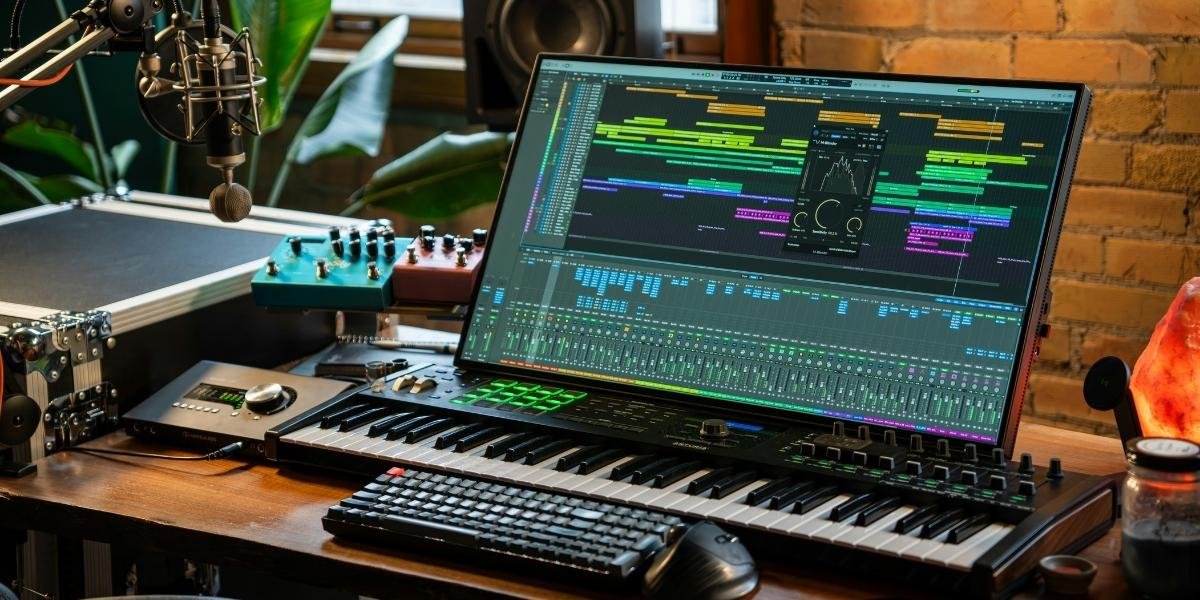
When exploring the world of music creation software, several key features make a big difference. The sequencer is the heart of most composition apps, allowing you to arrange musical notes and sounds over a timeline. A good sequencer should be easy to use and visually clear. Another crucial element is a library of sounds and virtual instruments. These can range from realistic-sounding pianos and drums to unique synthesizers and sound effects. The quality and variety of these built-in sounds will greatly influence the music you can make.

How to Use Music Composition Apps to Create Hits

Photo Credit: Unsplash.com

Another important feature is the ability to record audio. For songwriters and vocalists, a high-quality audio recorder is essential for capturing vocals or live instruments. You should also look for a range of mixing and editing tools, which allow you to adjust volume levels, add effects, and perfect the overall sound of your track. These are the foundational tools that turn a series of musical ideas into a polished final product.

The Creative Workflow: From Idea to Arrangement

A good app is more than just a collection of tools; it should support a smooth creative workflow. The process often begins with capturing an initial idea, whether it’s a melody you hummed or a rhythm you tapped out. Many composition apps have a feature that allows for quick recording of these spontaneous ideas. From there, you can begin to build the track by adding different layers of instruments and sounds. This is where the sequencer comes into play, helping you organize and arrange your ideas.

Once the basic structure of the song is in place, the process moves into the arrangement and mixing phase. This involves fine-tuning the various elements of the track, making sure they sound good together. You might adjust the levels of different instruments, add effects like reverb or delay, and pan sounds to different parts of the stereo field. This methodical work is what gives a song its final shape and professional feel. The best music composition apps are designed to make this journey from a simple idea to a complex arrangement as seamless as possible.

Choosing Between Desktop and Mobile Composition Apps

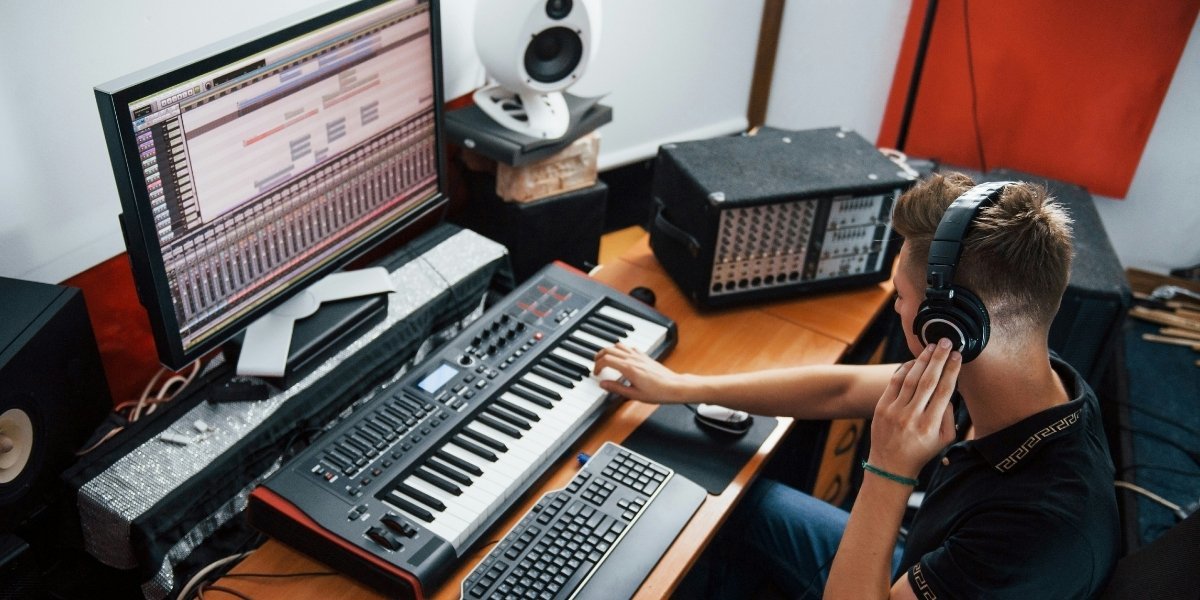
One of the biggest choices you will face is whether to use a desktop application or a mobile app. Desktop software, or DAWs, often provides the most comprehensive and powerful set of features. These tools are the industry standard for professional production and are ideal for those who have a dedicated space for creating music. They typically have a larger user interface, which makes it easier to manage complex projects with many tracks and effects. If you’re serious about creating polished, professional-sounding tracks, a desktop tool is a worthwhile consideration.

How to Use Music Composition Apps to Create Hits

Photo Credit: Unsplash.com

Mobile apps, on the other hand, offer an unparalleled level of convenience and portability. You can sketch out ideas on a bus, arrange a beat in a coffee shop, or record a melody as soon as it comes to you. While they may not have all the advanced features of a desktop DAW, many mobile apps have powerful capabilities that are perfect for songwriting, beat-making, and general creativity on the go. The choice between a desktop and a mobile app often comes down to your lifestyle and where you plan to do most of your work.

The Importance of Experimentation in Digital Music Creation

No matter which music composition apps you choose, the key to success is experimentation. Don’t be afraid to try different sounds, combine unexpected instruments, or explore new rhythms. The digital nature of these tools makes it easy to undo mistakes and try new ideas without the commitment of a traditional recording studio. You can use effects in unusual ways, layer sounds you wouldn’t think to put together, and even create entirely new genres of music.

The true beauty of modern songwriting tools is the freedom they provide. There are no rigid rules, only creative possibilities. The best producers and composers are often those who are willing to push boundaries and explore new sounds. Your journey with music creation software should be about having fun and discovering your unique voice. Whether you are creating a simple beat or a complex orchestral piece, the goal is to make music that you are passionate about, and these powerful tools are there to help you every step of the way.

SEO for Entrepreneurs: How to Master Search and Scale Your Business

In today’s digital age, entrepreneurs are increasingly turning to search engine optimization (SEO) as a powerful tool to grow and scale their online businesses. SEO has become the backbone of many digital empires, as it helps businesses gain visibility, attract traffic, and convert leads into sales. Whether you’re a small startup or an established brand, mastering SEO is crucial to building and scaling a successful digital empire. This article will explore the key strategies and insights for becoming a successful SEO entrepreneur.

The Foundation of SEO: What Every Entrepreneur Needs to Know

SEO is the process of optimizing a website or digital content to rank higher in search engine results pages (SERPs). Digital marketing experts explain that SEO is a multi-faceted discipline that includes keyword research, content optimization, link building, and technical SEO. It’s about making your website more visible to search engines, which in turn makes it more accessible to users.

For entrepreneurs, SEO is a cost-effective way to attract organic traffic without relying on paid advertisements. Studies show that organic search results tend to receive more clicks than paid ads, making SEO a long-term strategy that can generate sustainable growth. However, the complexity of SEO means that entrepreneurs must focus on several key areas to effectively implement and scale their SEO efforts.

Keyword Research: The Key to Unlocking Your Audience

The foundation of any successful SEO campaign begins with keyword research, which involves identifying the words and phrases your target audience is using to search for your products or services. SEO specialists emphasize that keyword research is not just about finding high-volume keywords; it’s about understanding your audience’s intent and selecting keywords that align with your content and business objectives.

Tools like Google Keyword Planner, Ahrefs, and SEMrush can help entrepreneurs uncover valuable keywords in their industry. Entrepreneurs should focus on a mix of short-tail and long-tail keywords to optimize their content for both high-volume searches and more niche queries.

Once you’ve identified the right keywords, they need to be strategically integrated into your website’s content. SEO professionals suggest that keywords should be placed naturally within your content, including titles, headings, meta descriptions, and body text. Overstuffing keywords can harm your rankings, so it’s important to strike a balance.

Creating High-Quality Content that Drives Traffic

Content is king in the world of SEO. Content marketers highlight that creating high-quality, valuable content is one of the best ways to improve your website’s SEO performance. Great content not only attracts visitors but also encourages them to engage, share, and link back to your website. Industry research suggests that pages with high-quality content tend to rank higher in search results.

Entrepreneurs should focus on producing content that addresses the needs and questions of their audience. This could include blog posts, videos, infographics, case studies, and customer testimonials. The key is to provide useful, relevant information that resonates with your target market.

SEO experts recommend updating your content regularly to keep it fresh and relevant. This can help maintain your rankings and increase the chances of attracting returning visitors. Adding multimedia elements such as images, videos, and interactive content can also enhance the user experience and boost engagement.

Link Building: Establishing Authority and Credibility

SEO for Entrepreneurs: How to Master Search and Scale Your Business

Photo Credit: Unsplash.com

One of the most critical aspects of SEO is link building, which involves acquiring backlinks from other reputable websites. SEO specialists emphasize that search engines view backlinks as votes of confidence, signaling that your website is authoritative and credible. High-quality backlinks from trusted sources can significantly boost your website’s rankings.

For SEO entrepreneurs, link building can be achieved through various strategies. Content marketers suggest creating valuable content that others naturally want to link to, such as comprehensive guides, research studies, or in-depth articles. You can also guest post on other blogs, collaborate with influencers, or participate in industry forums to gain backlinks.

Experts warn that not all backlinks are equal. Links from low-quality or spammy websites can harm your SEO efforts. It’s important to focus on acquiring backlinks from reputable, high-authority websites within your industry.

Technical SEO: Optimizing the Backbone of Your Website

While on-page SEO (like keyword optimization and content creation) is essential, technical SEO is the foundation that ensures your website functions smoothly and is easily accessible by search engines. SEO professionals stress that improving technical SEO can help improve user experience, reduce bounce rates, and boost your rankings.

Entrepreneurs should ensure that their website is mobile-friendly, as mobile optimization is a key ranking factor. Google’s Mobile-First Indexing prioritizes mobile-friendly sites in search results, making mobile optimization more important than ever. In addition, website speed plays a major role in user experience and search engine rankings. Google research suggests that users are more likely to abandon a site that takes more than 3 seconds to load.

Other important aspects of technical SEO include improving site navigation, optimizing images, fixing broken links, and ensuring a secure website with HTTPS encryption. SEO professionals recommend using tools like Google Search Console and Screaming Frog to monitor your site’s health and identify technical issues.

Scaling SEO for Long-Term Growth

Once you’ve established a strong SEO foundation, the next step is scaling your efforts for long-term growth. SEO experts advise that entrepreneurs should continuously track and analyze their performance to identify opportunities for improvement. Regularly monitoring Google Analytics, Search Console, and keyword rankings can help you gauge the effectiveness of your strategies.

As your digital empire grows, SEO specialists suggest diversifying your content strategy to include more advanced tactics such as local SEO, video optimization, and voice search optimization. Local SEO is crucial for businesses targeting specific geographic areas, while video and voice search are becoming increasingly important as more users turn to YouTube and voice-activated devices like Alexa and Google Assistant.

Another way to scale SEO is by focusing on building a strong online presence through social media, email marketing, and other digital marketing channels. By creating a cohesive marketing strategy that integrates SEO with other efforts, entrepreneurs can amplify their results and reach a broader audience.

Becoming a successful SEO entrepreneur requires dedication, strategy, and an understanding of the ever-evolving digital landscape. By mastering the core principles of SEO—keyword research, content creation, link building, and technical optimization—entrepreneurs can build and scale a digital empire that attracts organic traffic, boosts brand visibility, and drives conversions.

The power of SEO lies in its ability to grow businesses sustainably over time, without relying on expensive paid advertising. Entrepreneurs who invest in SEO will reap the long-term benefits of increased web traffic, higher brand authority, and a thriving online presence that can support their business’s success.

Sports Cars: Where Aesthetic Design Meets Driving Thrills

The Thrill of Sports Cars: Where Beauty Meets Performance

There’s something inherently captivating about sports cars. These high-performance machines effortlessly blend aesthetic beauty, raw power, and advanced engineering to create an unparalleled driving experience. Whether it’s the sleek, aerodynamic lines that grace the bodywork, the heart-pounding roar of the engine, or the precision handling that makes every turn feel like a work of art, sports cars have long been a symbol of automotive excellence.

Beyond their status as symbols of wealth and prestige, sports cars represent a fusion of art and technology. They are designed not only to perform at the highest level but to do so in a way that stirs emotion in those who see and drive them. The very presence of a sports car on the road or racetrack evokes a sense of excitement and possibility, offering an experience that goes beyond mere transportation. It’s about feeling the power of the engine, sensing the road beneath you, and being connected to the very essence of driving.

The Visual Appeal: Aesthetic Design that Captivates

The beauty of a sports car isn’t just skin-deep. Every curve, line, and angle is meticulously crafted with both form and function in mind. Aerodynamics play a key role in sports car design, not just for enhancing speed but also for creating visually striking profiles that capture attention. A sports car’s low stance, wide fenders, and sculpted bodywork communicate speed even when the car is standing still.

Designers and engineers alike understand that sports cars must balance aesthetics with aerodynamic efficiency. For instance, downforce is crucial for keeping the car stable at high speeds, and designers use spoilers, diffusers, and air vents to manipulate airflow, ensuring that the car remains glued to the road while maintaining its stunning appearance. Cars like the Ferrari 488 GTB, Lamborghini Aventador, and Porsche 911 showcase how beauty and engineering excellence are intertwined, with each model featuring distinctive design elements that have become iconic within the automotive world.

Sports cars also often embrace bold styling choices that stand out, from striking paint finishes like Matte Black to sculpted LED headlamps and aggressive grilles. The allure of a sports car is often not only about the form but the reaction it provokes from onlookers — the “wow factor” that turns heads and makes a statement.

The Power Within: Engine Performance and Raw Power

At the heart of every sports car lies the engine—a finely tuned powerhouse that delivers exhilarating performance. Horsepower and torque are key metrics that define a sports car’s ability to accelerate, corner, and dominate the road or track. Unlike traditional sedans or compact cars, sports cars are engineered to deliver an intense, responsive, and powerful driving experience.

Many sports cars are equipped with naturally aspirated V8 or V12 engines, while others use turbocharging or hybrid powertrains for enhanced performance and efficiency. Take the Lamborghini Huracán Evo with its V10 engine, capable of producing over 600 horsepower, allowing it to go from 0 to 60 mph in mere seconds. For a different experience, hybrid sports cars like the Porsche 918 Spyder blend a powerful V8 engine with an electric motor, offering an even more thrilling performance with enhanced efficiency.

This power is not just for speed—it’s about control and responsiveness. When you drive a sports car, you feel connected to the road, and the engine’s power delivers an immediate, visceral response to every press of the pedal. The roar of the engine, the surge of acceleration, and the seamless shifts of the dual-clutch transmission combine to create a symphony of power that stirs the soul of any driving enthusiast.

Advanced Handling: Precision and Control at High Speeds

Sports Cars: Where Aesthetic Design Meets Driving Thrills

Photo Credit: Unsplash.com

While speed and power are essential in sports cars, handling is what truly separates a good car from a great one. High-performance cars are designed to handle with precision, offering drivers unparalleled control through corners and at high speeds. Advanced technologies like active suspension systems, dynamic torque vectoring, and carbon fiber components enhance a sports car’s ability to corner and maintain stability on any surface.

For instance, the McLaren 720S utilizes a hydraulic suspension system that adjusts in real time to road conditions, offering a smooth ride while ensuring superb cornering and grip. The Ferrari 488 Pista, known for its track-ready precision, integrates magnetic ride control and active aerodynamics to deliver razor-sharp handling that’s responsive to even the slightest input.

At high speeds, a sports car’s handling capabilities often define the driver’s experience. In addition to braking systems like carbon-ceramic discs, which provide incredible stopping power, sports cars also employ lightweight materials to reduce weight and enhance handling performance. The balance between chassis stiffness and suspension tuning is meticulously engineered to allow drivers to feel in control at every turn, making the sports car an extension of the driver themselves.

The Evolution of Sports Car Design: Pushing the Boundaries of Engineering

The history of sports cars is a story of continuous innovation and pushing boundaries. The evolution of the sports car—from the early days of Jaguar E-Type to the modern era of electric performance vehicles like the Rimac C_Two—has seen remarkable advances in both design and technology.

In the early 20th century, cars like the Mercedes-Benz 300SL “Gullwing” were groundbreaking, introducing features like fuel-injection and gullwing doors that became iconic. As technology advanced, sports cars grew more sophisticated, with manufacturers incorporating cutting-edge engine management systems, aerodynamics, and lightweight materials to boost both speed and efficiency.

Today, manufacturers continue to innovate with hybrid and electric sports cars, achieving performance levels once thought impossible for non-gas-powered vehicles. The Tesla Roadster, for example, boasts a top speed of over 250 mph and can accelerate from 0 to 60 mph in under 1.9 seconds, showcasing how electric technology has entered the realm of supercars. Similarly, the Lotus Evija represents a new frontier, a fully electric hypercar with an 1,973-horsepower engine that combines zero-emissions with high-performance driving.

The Enduring Appeal of Sports Cars: A Lifestyle

The allure of sports cars goes beyond performance and design—it’s about the experience they provide. For many, owning a sports car isn’t just about transportation; it’s a lifestyle choice that speaks to personal taste, adventure, and the pursuit of perfection. These vehicles represent freedom, thrill, and an appreciation for engineering excellence that transcends mere functionality.

Whether it’s cruising down scenic highways, racing on a track, or simply admiring the craftsmanship from a distance, the appeal of sports cars remains timeless. For enthusiasts, these vehicles offer more than just speed—they offer a connection to the art of driving, a celebration of human ingenuity, and a shared passion for pushing the limits of what’s possible on four wheels.

The Timeless Allure of Sports Cars

Sports cars are much more than machines—they are masterpieces of design, engineering, and performance. They captivate us with their beauty, excite us with their power, and inspire us with their continued pursuit of excellence. From their sleek lines to their roaring engines and advanced handling capabilities, sports cars represent the pinnacle of automotive achievement. As technology advances and designs evolve, the passion for sports cars remains undiminished, ensuring that these extraordinary vehicles will continue to captivate and thrill for generations to come.