The Devil Wears Prada 2 Teaser Sparks Fashion Controversy with Miranda Priestly’s Valentino Shoes

The latest teaser for The Devil Wears Prada 2 has sparked a fiery debate among fashion enthusiasts, with the center of attention being none other than the iconic Miranda Priestly’s choice of footwear—red Valentino Rockstud pumps. Released as part of the movie’s highly anticipated promotional material, the teaser has lit up social media, with many fans and critics weighing in on whether the luxury footwear choice has aged like fine wine or is simply passé.

Miranda Priestly’s Shoes Take Center Stage

Meryl Streep’s portrayal of Miranda Priestly in The Devil Wears Prada has long been synonymous with high-fashion sophistication. In the teaser for the upcoming sequel, Miranda dons a pair of bold red Valentino Rockstud pumps, a shoe that made waves in the early 2010s with its sharp-edged studs and glamorous silhouette. However, the once-celebrated designer footwear has now become the focal point of an unexpected fashion debate.

While the red Rockstuds were seen as a symbol of elite fashion back in the day, their return in the Devil Wears Prada 2 teaser has raised eyebrows in the fashion community. In an age where minimalism and subtle luxury are dominating the runway, some viewers have deemed the Rockstud pumps a dated choice. But others argue that the shoes still hold their place in the fashion lexicon, maintaining their relevance due to their iconic status.

The Internet Reacts: A Fashion Divide

Since the teaser’s release, Instagram and Twitter have been ablaze with opinions on Miranda Priestly’s choice of footwear. Some fashion lovers have rallied behind the shoes, calling them a nostalgic nod to the glory days of high fashion. Others, however, have critiqued the exaggerated studs, suggesting that their over-the-top design clashes with the more refined, contemporary tastes in luxury fashion.

In an era where luxury brands have increasingly leaned toward minimalist aesthetics, Miranda’s bold choice has become a symbol of the industry’s tug-of-war between classic grandeur and the evolution of taste. On Instagram, influencers and industry experts have weighed in, creating a divide between those who appreciate the throwback to “old-school” glamour and those who feel the look is simply too much.

The Valentino Rockstud pumps, introduced in 2010, were initially adored by the fashion elite for their edgy, rock-and-roll vibe mixed with traditional femininity. But in 2025, some are questioning whether the studded style belongs in the past. With high-fashion brands embracing softer silhouettes and understated luxury, it’s no surprise that many are taking a stand on both sides of the debate.

Why the Shoes Matter: The Power of Fashion Iconography

For The Devil Wears Prada 2, the choice to feature such a polarizing piece of footwear isn’t merely about the shoes themselves—it’s about the message they send. The Rockstud pumps, with their bold red color and sharp edges, represent Miranda Priestly’s unapologetic power and dominance in the fashion world. And even in a new era, it seems that her character remains as daring as ever.

By showcasing these shoes, the movie is reminding us of the sharp edge of style that Miranda Priestly’s character embodies—someone who isn’t afraid to take fashion risks. Whether or not the shoes are currently in style is secondary to the larger message: Miranda’s fashion sense is always one to watch, even if it leaves the fashion world divided.

Red Valentino Rockstuds: The Controversy Continues

The Devil Wears Prada 2 Teaser Sparks Fashion Controversy with Miranda Priestly's Valentino Shoes

Photo Credit: Unsplash.com

Fashion controversy aside, the release of The Devil Wears Prada 2 has undoubtedly reignited interest in the Valentino Rockstud collection. While some critics may dismiss the shoes as outdated, there are still plenty of fashion insiders and celebrities who continue to wear them. The fact that these pumps are still so polarizing speaks volumes about their enduring status as a piece of fashion history.

This controversy is not just about a pair of shoes—it’s about the evolving nature of high fashion, the intersection of legacy and modernity, and how icons like Miranda Priestly continue to shape our understanding of style. Whether or not the red Rockstuds hold up as a “timeless” piece, they remain an essential part of the Devil Wears Prada brand—and a reminder that sometimes, fashion is meant to start a conversation.

How Fashion Fans Are Reacting to the Sequel’s Teaser

As the teaser continues to circulate, we can expect more heated discussions around not just the shoes, but the movie’s larger cultural impact. With its star-studded cast and high-fashion moments, The Devil Wears Prada 2 is poised to become a viral hit among style lovers everywhere.

But beyond just a footwear choice, the controversy surrounding the Rockstud pumps underscores a larger shift in the fashion industry—one that embraces change while still paying homage to the past. Whether or not the shoes are considered “fashionable” by today’s standards, they are undeniably a part of fashion’s narrative, and Miranda Priestly’s unforgettable legacy continues to spark conversation.


Selena Gomez & Benny Blanco Reveal ‘I Said I Love You First’ Album Narrative

In a bold new move, Selena Gomez and music producer Benny Blanco have revealed the narrative behind their much-anticipated collaborative album, I Said I Love You First. This powerful, emotionally charged project brings together two of the most influential figures in the music industry today, combining Gomez’s soulful, heartfelt lyricism with Blanco’s signature production style. The announcement has set the entertainment world abuzz, leaving fans and industry insiders eagerly anticipating the full release.

A New Chapter for Selena Gomez and Benny Blanco

Selena Gomez, who has built a career both in music and acting, has had a year full of monumental milestones, from her hit single releases to her ongoing ventures in the beauty industry. Yet, I Said I Love You First marks a major artistic step forward, especially in collaboration with Benny Blanco, a multi-platinum producer known for his work with artists like Ed Sheeran and Katy Perry.

Blanco has often been the invisible architect behind some of the biggest pop hits of the last decade. His collaborations are known for shaping the sound of modern pop music, and with Gomez by his side, fans are set to witness an evolution in their creative synergy. As the narrative behind the album unfolds, it promises to bring a fresh, intimate side to both artists that fans have yet to fully experience.

Exploring Themes of Love, Heartbreak, and Self-Discovery

The title of the album, I Said I Love You First, speaks volumes. It hints at vulnerability, courage, and emotional depth—uncovering the complex layers of love and relationships. This narrative reveals Gomez’s personal growth, having openly shared her experiences with love, heartbreak, and self-discovery throughout her career. The title itself suggests a perspective on love that is bold and unafraid, as if to say that sometimes, the hardest part of love is making the first move.

While details on the tracklist are still under wraps, Gomez has hinted that the album is filled with emotional highs and lows, offering an unapologetically raw look into her romantic experiences. Fans can expect to hear personal reflections and soul-searching ballads, paired with catchy beats and infectious melodies that Blanco is famous for.

Blanco’s influence on the album is clear, as his production style provides a backdrop that perfectly complements Gomez’s emotional depth. Known for his meticulous attention to detail, Blanco brings out the best in his collaborators, and this album is set to showcase their combined magic.

The Dynamic Collaboration Between Gomez and Blanco

Selena Gomez & Benny Blanco Reveal 'I Said I Love You First' Album Narrative

Photo Credit: Unsplash.com

Selena Gomez and Benny Blanco’s collaboration isn’t just a one-off for the pair; it’s an experiment in vulnerability and creativity. Over the course of their working relationship, they’ve established a bond based on mutual respect and shared artistic vision. Blanco, who has worked with some of the biggest names in pop, has always been drawn to crafting hits that feel both personal and universal. With Gomez’s unique voice and storytelling ability, I Said I Love You First is poised to be a breakthrough in their careers.

What sets this collaboration apart from previous ones is the dynamic between the two. Gomez is known for her infectious honesty, while Blanco excels in creating infectious tunes that people want to play on repeat. Together, they have an undeniable chemistry, with Blanco’s upbeat tempos meeting Gomez’s relatable emotional honesty.

Fans and Industry Reactions: A Growing Buzz

Since the announcement, the buzz around I Said I Love You First has been electric. Fans have been eagerly discussing the album on social media, analyzing every snippet and preview released by the artists. Many speculate that the album will be a major player in the 2026 awards season, with its mix of accessible pop hooks and deeply emotional lyrics.

Industry insiders are also excited, recognizing the potential impact the album could have on both pop music and the broader music industry. “Selena and Benny are tapping into something fresh and raw, and the fact that this is more than just a pop album—it’s a narrative—gives it the potential to stand the test of time,” says a source close to the project.

The Album’s Impact on the Future of Pop Music

The collaboration between Selena Gomez and Benny Blanco is more than just a musical project; it’s a cultural moment. In an era where music is more than just sound, it’s about connection and personal storytelling, I Said I Love You First sets a new standard for how artists approach pop music. It’s about authenticity, vulnerability, and embracing the messiness of life and love.

For Gomez, it’s a return to her roots as a storyteller, and for Blanco, it’s a chance to work with one of the most relatable voices in modern music. Together, they have created something that transcends the typical pop album, offering a glimpse into the heart and soul of two of the most beloved figures in entertainment.

As the album’s official release date draws closer, fans can expect more teasers, singles, and behind-the-scenes content that will continue to fuel anticipation. With both artists poised to push the boundaries of pop music, I Said I Love You First promises to be a landmark project in the careers of Selena Gomez and Benny Blanco.

Inside Sydney Sweeney’s Extreme Physical Prep for Christy

Sydney Sweeney is no stranger to taking on challenging roles, but her latest transformation for the boxing biopic Christy has taken it to a whole new level. Known for her breakout role in Euphoria and starring in The White Lotus, Sweeney is making waves once again, this time with a dramatic physical transformation that is as gritty as the story she’s about to tell. In her latest role as Christy Martin, the legendary boxer, Sweeney didn’t just act—she completely immersed herself in the life of a fighter, undergoing a rigorous regimen that reshaped her body and mind.

From Hollywood Glam to Gritty Fighter

To portray Christy Martin, a pioneer in women’s boxing, Sydney Sweeney had to step far outside her comfort zone. Known for her glamorous red carpet appearances and roles that often require polished performances, this was no small feat. To embody Martin, who famously fought her way through personal and professional battles in the ring, Sweeney’s preparation included a strict diet, intense physical training, and even physical setbacks that made her journey to becoming Christy all the more authentic.

Transformation to Fighter

Sydney’s transformation was not only about getting in shape—she had to gain weight to properly reflect Christy Martin’s build at the height of her career. In an interview, Sweeney revealed she put on 35 pounds in just a few months, a challenge that was mentally and physically taxing. “I had to focus on eating a lot of protein, and that meant sometimes eating food I don’t normally enjoy. But it was necessary to take on this transformation,” Sweeney shared.

This weight gain was crucial for portraying Christy Martin’s true physique, especially since the boxer was known for her muscular, athletic build. Sydney also worked with a team of trainers who focused on functional fitness and boxing techniques. The goal wasn’t just to gain weight, but to make sure Sweeney was able to move like a fighter in the ring.

Overcoming Injuries and Physical Challenges

In addition to the physical changes, Sweeney encountered a more serious challenge during her training—she suffered a concussion on set. This was a sobering reminder of just how committed she was to delivering an authentic portrayal of Christy. Boxing is a brutal sport, and Sweeney’s injury showcased the risks that come with committing to a physically demanding role. Despite this setback, Sweeney pushed through, showing her dedication not only to the film but also to her personal growth as an actor.

The concussion didn’t deter Sweeney from her goal. Instead, it became a testament to her unwavering commitment to embodying her character. While this physical toll may seem extreme to some, it highlights the level of dedication required to fully bring a story like Christy Martin’s to life.

Mental Strength and Determination

Inside Sydney Sweeney's Extreme Physical Prep for Christy

Photo Credit: Unsplash.com

While the physical training was intense, Sweeney also had to tap into her mental toughness to keep going. “It’s not just about lifting weights or doing cardio; it’s about learning the mental toughness that comes with fighting. It’s about becoming someone who can take a punch, literally and figuratively,” Sweeney said. The mental transformation required for this role was just as significant as the physical one, and it mirrored the resilience that Christy Martin had to show in her career.

This role also pushed Sweeney to new emotional depths. As an actress, she has always portrayed complex characters, but Christy Martin’s real-life story brought a new layer of emotional depth that required Sweeney to confront themes of strength, vulnerability, and survival. For someone who has made a name for herself in the world of high-fashion and red carpet glam, this was a stark contrast.

Preparing for a Boxing Legend

Taking on a role as significant as Christy Martin was never going to be easy. Martin, known as “The Coal Miner’s Daughter,” broke barriers for women in a male-dominated sport. She became a symbol of resilience, perseverance, and grit—qualities that Sydney Sweeney has had to channel in her own way throughout the preparation process.

From weight gain to boxing training, Sweeney’s commitment to this role shows that she’s not afraid to put in the work. She’s not just playing a boxer—she’s becoming one. Sydney is showing that behind the glamorous red carpet appearances and fashion campaigns, there’s a true artist dedicated to her craft.

The transformation is far from over. Sweeney’s commitment to her physical and mental preparation for Christy will continue to inspire aspiring actors and fitness enthusiasts alike, proving that success in Hollywood isn’t just about looking good; it’s about enduring the physical and emotional challenges required to play some of the toughest characters in film.

Sydney Sweeney’s journey to becoming Christy Martin is a powerful reminder that true transformation in Hollywood goes beyond the screen. It’s about embracing the grit and determination that real-life heroes, like Christy Martin, possess. For Sweeney, this role has pushed her boundaries, not just as an actress, but as a person willing to sacrifice her own comfort for the sake of a great performance.

Stress Less at Work: How Routine Tasks Can Be Mental Health Allies

Mental Health Tips for Monotonous Work

Repetitive work routines, while often necessary for operational efficiency, can gradually erode motivation and mental clarity. When each day begins to feel like a carbon copy of the last, it’s easy to slip into a state of disengagement or emotional fatigue. This is especially true for roles that involve routine tasks, limited creative input, or minimal variation in responsibilities. Over time, the lack of novelty can lead to burnout, decreased productivity, and a sense of detachment from one’s professional purpose. Recognizing these signs early is crucial, as unchecked monotony can impact not only job performance but also overall well-being.

Fortunately, there are proactive strategies that can help restore balance and protect mental health in the face of repetitive work. Simple shifts—like incorporating short breaks, setting micro-goals, or finding small ways to personalize your workflow—can make a significant difference. Engaging in activities outside of work that stimulate creativity or offer a sense of accomplishment can also counterbalance the monotony. This article explores practical, evidence-based approaches to staying mentally resilient, emotionally grounded, and professionally engaged, even when your daily tasks feel predictable. With the right mindset and tools, it’s possible to transform routine into rhythm and rediscover meaning in the everyday.

How Can You Keep Your Mental Health in Check During Monotonous Work?

The key to managing mental health in monotonous work lies in balance. When your daily tasks feel mundane or repetitive, it’s easy to lose motivation and feel detached from your job. This detachment can lead to increased stress and, in some cases, burnout. The first step is to acknowledge that monotony can affect your well-being, and recognizing this is crucial to preventing long-term negative effects.

Simple changes to your routine can make a significant difference. Breaking up the day into manageable chunks, taking regular breaks, and setting achievable goals can help. For instance, consider using techniques such as the Pomodoro Technique, which involves working for 25 minutes, followed by a 5-minute break. This structure ensures that you stay focused without overwhelming your mind.

What Role Does Physical Activity Play in Mental Health?

It’s easy to overlook how deeply physical health influences mental well-being, especially in the midst of a demanding or repetitive work routine. Even short bursts of movement throughout the day can trigger a noticeable shift in mood and clarity. Exercise stimulates the release of endorphins—those feel-good chemicals that help combat stress and elevate your emotional state. Whether it’s a quick stretch between meetings or a few minutes of deep breathing, these small physical resets can break the mental fog and restore a sense of balance. When your body feels energized, your mind tends to follow suit.

For those spending long hours at a desk, integrating movement into your schedule is more than just a wellness tip—it’s a necessity. Standing up and stretching every hour can ease muscle tension and improve circulation, while a brisk walk during lunch offers a change of scenery and a mental refresh. Practices like yoga or meditation are especially powerful for grounding your thoughts and easing the strain of monotony. These activities don’t require a gym or elaborate setup—just a few minutes of intentional movement can help you feel more present, focused, and emotionally resilient throughout your workday.

How Can You Find Purpose in Routine Work?

One of the reasons monotonous work can negatively impact your mental health is that it might feel pointless or lacking in purpose. Finding meaning in routine tasks is essential for preserving motivation and mental clarity. Start by reframing your perspective. Instead of viewing your job as a series of repetitive tasks, try to see how they contribute to the overall goal of your team or company.

Stress Less at Work: How Routine Tasks Can Be Mental Health Allies

Photo Credit: Unsplash.com

Set personal milestones and celebrate small victories, such as completing a set of tasks or achieving a weekly goal. These small wins can help you feel more accomplished and give you a sense of purpose. Additionally, try to develop an interest in learning new skills related to your job, as this can add variety and purpose to an otherwise monotonous routine.

Why Is Social Interaction Important for Mental Health?

Monotonous work, especially when performed in isolation, can gradually chip away at your sense of connection and engagement. Whether you’re stationed at a desk for hours or navigating repetitive tasks solo, the lack of interpersonal interaction can make the day feel longer and more draining. That’s why maintaining social ties in the workplace—however small—is essential. A quick chat with a colleague, a shared coffee break, or joining a team lunch can inject warmth and spontaneity into an otherwise routine day. These moments of connection not only lift your mood but also remind you that you’re part of a larger community, even when your tasks feel solitary.

Creating intentional opportunities for interaction can be a game-changer, especially for remote workers who may feel even more disconnected. Virtual coffee breaks, group video calls, or collaborative projects can help bridge the physical gap and foster a sense of camaraderie. These interactions don’t need to be long or formal—they just need to be consistent and genuine. When you prioritize connection, you’re not just improving your mental well-being; you’re also enhancing your overall work experience. A supportive network can turn a monotonous routine into a more meaningful and manageable rhythm.

How Can You Practice Mindfulness at Work?

Mindfulness is a practice that can greatly enhance mental health, especially in situations where work feels repetitive. By being present in the moment, you can reduce feelings of anxiety and stress. One way to practice mindfulness is by focusing on your breathing. This can help you stay grounded when your mind starts to wander or when you feel overwhelmed.

You can also try incorporating mindfulness into your daily routine by focusing on the task at hand, whether it’s organizing files, writing reports, or answering emails. By paying full attention to what you’re doing, you’ll find that the task becomes less monotonous, and you might even start to enjoy it more.

Why Should You Seek Support If Needed?

If you’re struggling to maintain your mental health due to the monotony of your work, it’s important to seek support. Talk to your supervisor about potential changes that could make your job more engaging or explore opportunities for skill development. If you’re feeling isolated or disconnected, having an open conversation with a colleague or seeking guidance from a mentor can help.

Consider talking to a mental health professional if the stress of monotonous work becomes overwhelming. Therapy or counseling can provide effective strategies for managing stress, increasing resilience, and addressing any deeper emotional concerns.

Can Small Changes in Environment Improve Mental Health?

Sometimes, changing your environment can provide a much-needed mental boost. If possible, try to alter your workspace to make it more pleasant and conducive to good mental health. Adding plants, personalizing your desk, or even changing your seating arrangement can help refresh your outlook and reduce the feeling of monotony.

If you work from home, consider changing locations for different tasks. For example, move from the desk to a more comfortable chair for meetings, or try working outside for a change of scenery. These small shifts can help break up the day and rejuvenate your mind.

Monotonous work doesn’t have to take a toll on your mental health. By incorporating these simple yet effective strategies into your daily routine, you can reduce the negative impact of repetitive tasks and improve your overall well-being. Remember to take breaks, find meaning in your work, and stay connected with colleagues. Prioritizing mental health is key to staying motivated and engaged in your work, no matter how routine it may seem.

Raqs Sharqi: Deep Dive into the Art and Technique of Belly Dancing

Belly dancing, or Raqs Sharqi as it’s known in the Arab world, is a mesmerizing art form that has captivated audiences for centuries. With its graceful movements, intricate rhythms, and deep cultural roots, belly dancing offers more than just an entertaining performance. It is a celebration of feminine strength, cultural heritage, and personal expression. In this article, we dive into the history, technique, and significance of Raqs Sharqi, exploring what it takes to master this timeless dance and why it remains as relevant today as ever.

The Origins of Raqs Sharqi: A Cultural Journey

Raqs Sharqi, which translates to “Eastern Dance,” has its origins in the Middle East, specifically in Egypt, but its influence stretches across the Arab world and beyond. Contrary to popular misconceptions, belly dancing isn’t just an exotic performance for tourists—it is deeply rooted in traditions, often performed in social settings such as weddings, festivals, and celebrations.

The dance form was originally part of ancient fertility rituals and was a way for women to connect with their bodies and celebrate womanhood. Over time, Raqs Sharqi evolved into a professional art form, with structured movements and training. It gained international recognition in the early 20th century, thanks to pioneers like the iconic dancer Samia Gamal, who brought the style to the silver screen, elevating its popularity across the globe.

The Technique: Mastering the Movements

At first glance, Raqs Sharqi might seem like a simple form of dance, but mastering it requires precision, control, and a deep understanding of musicality. The core of the dance involves isolating specific parts of the body, primarily the hips, torso, and arms. Unlike many other forms of dance, belly dancing emphasizes fluidity and sharp movements that require a strong connection to the rhythm of the music.

A belly dancer’s skill lies in the ability to execute intricate movements, such as hip lifts, shimmies, and undulations, all while maintaining balance and grace. To achieve this, dancers must focus on their core strength, flexibility, and body control. It’s no surprise that many professional dancers spend years perfecting the techniques, often taking classes that focus on isolating movements in the upper and lower body.

Hip Work and Isolations
The hallmark of Raqs Sharqi is its focus on hip movements. Techniques such as hip drops and hip circles are essential to belly dancing and form the foundation of many dance routines. These movements require precise muscle control to ensure they are executed smoothly and rhythmically.

Upper Body Elegance
While the hips take center stage, the upper body also plays a significant role in Raqs Sharqi. Arm positions and graceful hand movements help define the dancer’s expression, adding an element of storytelling to the performance. The challenge for dancers is to keep the upper body calm and composed while the hips are in constant motion.

Cultural Significance: A Dance of Empowerment

Raqs Sharqi is more than just a dance—it’s a form of empowerment for women. In many cultures, belly dancing allows women to embrace their bodies, express their individuality, and connect with their inner strength. Historically, the dance was often performed by women for women, creating a sense of community and solidarity.

In the modern world, Raqs Sharqi continues to be an avenue for self-expression and cultural pride. It is practiced by people of all ages and backgrounds, and today, it serves as both an art form and a means of fitness. Many dancers use belly dancing to build core strength, improve flexibility, and boost confidence. For some, the practice also becomes a way to reconnect with their heritage, exploring the cultural traditions of the Middle East through dance.

Belly Dance on the Global Stage: From Local Celebrations to International Stardom

Raqs Sharqi: Deep Dive into the Art and Technique of Belly Dancing

Photo Credit: Unsplash.com

While Raqs Sharqi originated in the Middle East, it has grown to become a global phenomenon. The dance form’s unique combination of grace, sensuality, and strength has made it a favorite across various cultures. In recent decades, belly dancing has become widely recognized in Western countries, often featured in films, music videos, and television shows.

Internationally, belly dancing competitions have emerged, bringing together dancers from all over the world to showcase their skills. These competitions offer a platform for both traditional and contemporary styles of belly dance, further solidifying Raqs Sharqi’s place in global entertainment. In the United States, for example, many cities host belly dancing festivals that celebrate the art form and provide opportunities for dancers to perform, compete, and learn.

Modern Influences: Fusion Styles and Innovation

While traditional Raqs Sharqi remains highly revered, the dance form has also seen many innovative adaptations in recent years. Fusion styles, blending elements of belly dancing with other genres like flamenco, hip hop, and even jazz, have gained popularity. These modern styles continue to push the boundaries of what belly dancing can be, blending traditional movements with contemporary influences.

Additionally, technology has had a significant impact on how belly dancing is taught and practiced. Online platforms like YouTube and Instagram have allowed dancers from around the world to share their routines, exchange techniques, and connect with global audiences. Virtual dance classes have also made it easier for aspiring belly dancers to learn at their own pace, bringing new energy and creativity to the dance form.

The Global Belly Dance Community: Celebrating Diversity and Unity

At its core, Raqs Sharqi is a celebration of culture and creativity. The belly dance community is known for its inclusivity, welcoming individuals of all genders, shapes, sizes, and backgrounds. Across the world, belly dancers unite in their shared passion for the art form, whether they are performing in local venues, teaching in studios, or competing on international stages.

Despite its roots in the Middle East, Raqs Sharqi has transcended geographic boundaries and is embraced by a diverse range of cultures. The sense of unity and camaraderie within the global belly dance community is one of the dance’s greatest strengths, making it an art form that transcends borders and celebrates diversity.

Celebrating Latinx Voices and Talent: A Look at Latin Actors in Film and Television

Latinx actors have had a profound impact on the entertainment industry, making significant contributions to both film and television. Over the years, they have broken barriers, expanded opportunities, and brought diverse perspectives to the screen. This celebrates the achievements, ongoing struggles, and increasing visibility of Latinx actors, exploring how they continue to shape the landscape of popular culture.

Historical Contributions

The history of Latinx actors in film and television is rich with pioneers who overcame significant challenges to carve out space for future generations.

Early Struggles and Triumphs

For many Latinx actors, early careers were shaped by limited representation and stereotypical portrayals. In the early days of Hollywood, Latinx characters were often relegated to secondary roles or depicted through exaggerated and offensive stereotypes. Despite these challenges, Latinx actors such as Rita Moreno, Anthony Quinn, and Desi Arnaz became trailblazers who broke down barriers and made significant strides in representation.

  • Rita Moreno, one of the few performers to win an EGOT (Emmy, Grammy, Oscar, Tony), defied the racial stereotypes of the time and became one of the most celebrated actresses in Hollywood history.

  • Anthony Quinn, known for his Academy Award-winning performances, was one of the first Latinx actors to achieve international acclaim.

  • Desi Arnaz, who co-starred with his wife Lucille Ball in the groundbreaking sitcom I Love Lucy, revolutionized the role of Latinx people in mainstream television.

These early pioneers faced systemic barriers, yet their resilience and talent helped pave the way for future generations of Latinx actors to thrive in Hollywood.

Breaking Stereotypes and Expanding Roles

One of the most significant ongoing efforts in the industry is to move beyond the stereotypical portrayals of Latinx characters and to offer more complex, nuanced, and diverse roles across various genres.

Moving Beyond Typecasting

Historically, Latinx actors were often limited to playing roles that were one-dimensional or steeped in stereotypes—such as the hot-blooded lover, the villain, or the maid. Today, however, many Latinx actors are taking on roles that reflect a much broader range of human experiences, portraying characters who are strong, vulnerable, witty, heroic, and everything in between.

Actors like Gael García Bernal and Salma Hayek have broken free from stereotypical roles, demonstrating the depth of Latinx talent by taking on complex characters in both drama and comedy. John Leguizamo, known for his dynamic career as a performer and writer, has also made efforts to redefine how Latinx actors are seen in Hollywood by creating original content that reflects the varied Latinx experience.

Contemporary Trailblazers

A new generation of Latinx actors is making waves in Hollywood, earning both critical acclaim and box office success.

Critical Acclaim and Success

From Oscar winners to Golden Globe nominees, these actors are influencing popular culture and shaping the entertainment industry.

  • Eiza González has built a diverse career, moving seamlessly from Spanish-language films to international blockbusters like Baby Driver and Hobbs & Shaw.

  • Diego Luna, known for his roles in Rogue One and The Book of Life, has garnered international praise for his performances and his advocacy for diversity in Hollywood.

  • Oscar Isaac has become one of the most respected actors of his generation, known for his roles in Ex Machina, Star Wars, and Dune.

These actors are not only achieving commercial success but also influencing the cultural landscape by choosing roles that challenge perceptions and introduce fresh perspectives on screen.

Representation and Visibility

Celebrating Latinx Voices and Talent: A Look at Latin Actors in Film and Television

Photo Credit: Unsplash.com

Authentic representation and visibility of the Latinx community in Hollywood are critical to changing perceptions, fostering inclusivity, and offering audiences diverse stories that resonate with their own experiences.

The Importance of Authentic Representation

As Latinx actors continue to rise in the industry, their presence on screen helps to humanize their community and tell stories that reflect the diverse, multifaceted nature of Latinx culture. Whether it’s Mexican, Puerto Rican, Cuban, Dominican, or Colombian identities, Latinx representation on screen must reflect the variety of cultural backgrounds within the community.

Moreover, the visibility of Latinx talent helps break down stereotypes and encourages broader cultural exchange, showing that the stories of Latinx people are universal and deserving of attention. The need for authentic voices and inclusive storytelling has been championed by both Latinx actors and audiences, with platforms like Netflix and HBO Max prioritizing Latinx-led content.

Behind the Camera Influence

Latinx talent in the entertainment industry extends beyond acting. More and more Latinx actors are stepping into behind-the-camera roles, including producers, directors, and writers, creating new opportunities for themselves and their communities.

Shaping Narratives from Behind the Camera

Latinx filmmakers such as Alfonso Cuarón, Guillermo del Toro, and Alejandro González Iñárritu have had a significant influence on Hollywood with their unique voices and visionary works. In addition, actors like Lin-Manuel Miranda and Sofia Vergara have expanded their roles in the industry by creating and producing their own content, making it possible for Latinx stories to be told by those who share in the experience.

By stepping behind the camera, these artists not only influence the types of stories being told but also create new opportunities for other Latinx talent, further diversifying the industry and opening doors for future generations.

Cultural Impact and Influence

The cultural significance of Latinx actors cannot be overstated. Their contributions to film and television go beyond their performances; they provide a unique lens through which audiences can engage with global culture.

Bringing Richness to Entertainment

Latinx actors bring with them a wealth of cultural perspectives, languages, and artistic traditions, making their work resonate on both a local and international scale. Their portrayals often highlight important issues affecting the Latinx community, including immigration, identity, family, and the intersection of cultures.

By bringing these stories to the screen, Latinx actors play a significant role in the diversification of American and global entertainment, ensuring that the entertainment we consume reflects the world we live in.

Challenges and Advocacy

Despite significant progress, Latinx actors continue to face challenges in Hollywood, including issues such as typecasting, lack of opportunities, and underrepresentation in key roles behind the camera. Many actors and activists continue to advocate for greater equity, working toward a more inclusive industry for Latinx talent.

Ongoing Advocacy for Change

Organizations like Latino Media Network and advocacy groups such as #LatinoHollywood are dedicated to fighting for more representation, more diverse roles, and more career opportunities for Latinx talent in Hollywood. These efforts are crucial to creating lasting change in an industry that has often sidelined voices from the Latinx community.

The contributions of Latinx actors in film and television are both rich and varied, and their continued success is a testament to their incredible talent and resilience. As the industry evolves, there is a growing recognition of the importance of authentic representation and meaningful roles that reflect the diversity and complexity of the Latinx experience. While challenges remain, the future for Latinx talent in Hollywood looks bright as they continue to break barriers and leave an indelible mark on the entertainment world.

The Impact of Supermodels on Pop Culture

Icon Supermodels and Their Impact

Supermodels have played a pivotal role in shaping the fashion industry and influencing pop culture. Over the decades, these women have not only walked the runways but also revolutionized how beauty, fashion, and celebrity are perceived. Their impact extends beyond modeling, affecting everything from advertising campaigns to social movements, and even defining beauty standards in global media. This explores the legacy of icon supermodels and how their influence has rippled across the world.

Who Are the Icon Supermodels?

The term “supermodel” has evolved over time, but it initially referred to a group of women who were recognized for their ability to transcend traditional modeling and become global stars. Names like Cindy Crawford, Naomi Campbell, Linda Evangelista, Christy Turlington, and Kate Moss are often considered the epitome of supermodels. These women not only defined the fashion industry during the 80s and 90s but also became household names through their appearances in high-profile campaigns and magazine covers.

Their modeling careers are distinguished by the sheer volume of campaigns they starred in and the variety of high-profile designers they worked with. Their unique looks and undeniable charisma helped to elevate fashion and make it more accessible to the masses.

How Have Supermodels Changed Fashion?

Supermodels have had an undeniable influence on fashion, both on and off the runway. In the 1980s and 1990s, they brought a sense of glamour and sophistication to the fashion industry. They became walking symbols of high fashion, showcasing designers’ collections in ways that made the clothing come alive.

Beyond the runway, supermodels helped to shape advertising campaigns, making them more impactful. Before their rise, advertisements for fashion were often static and unremarkable. However, supermodels brought life and energy to these ads, turning them into iconic moments that would be remembered for years. Campaigns with Chanel, Versace, and Gucci became landmarks in fashion history, largely due to the models’ star power and ability to connect with audiences.

The power of these supermodels went beyond just fashion trends; they were influencers long before the term “influencer” became a buzzword. Their every move—whether it was how they wore a certain outfit or their partnership with a brand—could determine trends for years to come.

Supermodels as Cultural Icons

The Impact of Supermodels on Pop Culture

Photo Credit: Unsplash.com

While supermodels began their careers as fashion professionals, they quickly became cultural icons who influenced much more than just fashion. Their presence in the media reshaped how beauty was defined and what it meant to be a star.

For example, Naomi Campbell became known not only for her striking looks but also for her outspokenness on racial issues. She became one of the first Black models to achieve the kind of supermodel status that had previously been reserved for women of European descent. Similarly, Tyra Banks broke barriers by becoming the first African American woman to be featured on the cover of the Sports Illustrated Swimsuit Issue.

These supermodels brought diversity to an industry that had previously been criticized for its lack of inclusivity. They also contributed to a broader cultural conversation about race, beauty standards, and body image.

What Has Been the Impact of Supermodels on Media and Advertising?

The impact of supermodels on advertising and media is profound. Before supermodels, advertising campaigns were typically more focused on selling products through straightforward visual representation. Supermodels revolutionized this by bringing personality, emotion, and drama to advertisements. Their involvement in campaigns made the models and the brands they represented more aspirational.

One of the most notable examples of this impact is Cindy Crawford’s Pepsi commercial from the 1990s, which became a pop culture moment. The supermodel didn’t just sell a soft drink; she defined the idea of chic, effortless beauty that resonated with viewers worldwide.

Moreover, supermodels became frequent faces on the covers of top magazines like Vogue, Elle, and Harper’s Bazaar. These covers were more than just fashion spreads—they represented a cultural shift in how we view women in the public eye. Supermodels were no longer simply people wearing clothes—they were seen as celebrities, entertainers, and influencers who could shape cultural norms.

Supermodels and Their Legacy in Today’s Fashion World

Today, supermodels continue to influence the industry, albeit in different ways. While the traditional runway shows and magazine covers remain important, the rise of social media and digital platforms has allowed a new generation of models to make their mark. Models like Gigi Hadid, Kendall Jenner, and Bella Hadid have adopted new forms of modeling, using Instagram and other social media platforms to showcase their personal style and influence fashion trends.

Even so, the legacy of supermodels like Kate Moss and Christy Turlington remains strong. They set the standard for what it means to be not just a model but a brand. Their influence in fashion continues to resonate in both the industry and popular culture, and their careers serve as inspiration for today’s models looking to build their own lasting legacies.

Supermodels as Trailblazers

Icon supermodels have undeniably reshaped the fashion industry and continue to do so in the 21st century. They have influenced not only fashion trends but also how we perceive beauty, race, and women in the media. By breaking barriers and redefining what it means to be a model, these women have shown that supermodels are more than just faces on billboards—they are powerful cultural figures who leave a lasting impact on the world.

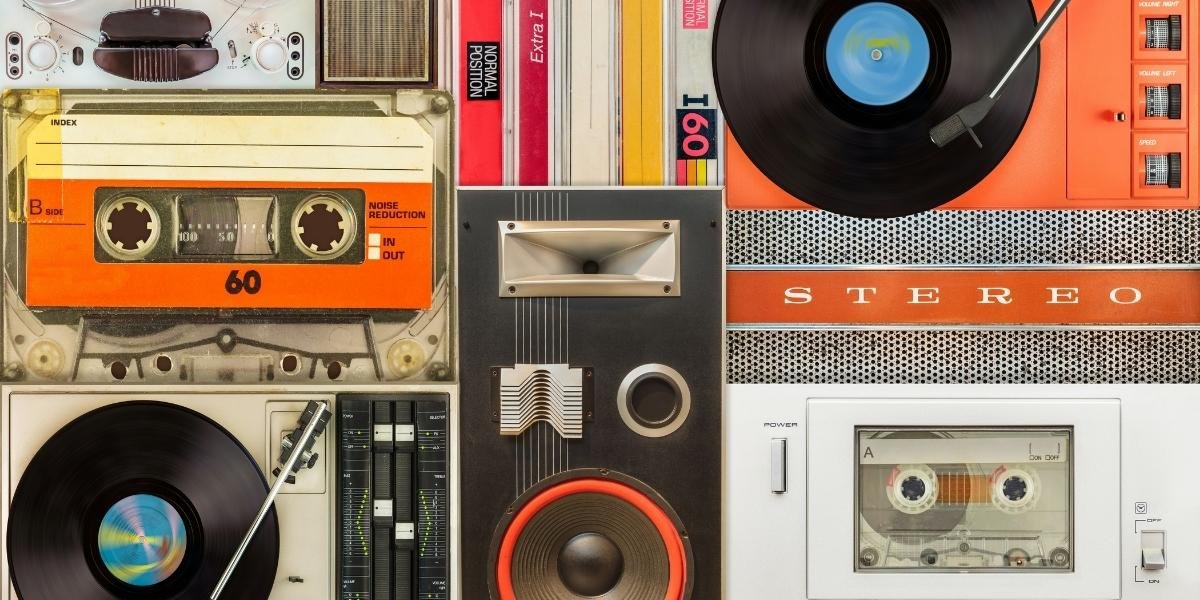
The Rise and Fall of Music Formats: A Journey Through Time

From the crackle of vinyl records to the seamless streaming of today’s hits, music formats have shaped the way we experience music. The journey from the early days of physical media to the digital age is one filled with innovation, cultural shifts, and technological advancements. Each new format brought a new way of listening, collecting, and sharing music, forever changing the music industry. Join us as we take a look at the rise and fall of music formats over the decades.

The Vinyl Revolution: Birth of the Modern Music Format

In the early 20th century, music was primarily shared through mechanical formats like the phonograph cylinder. However, the introduction of the 12-inch vinyl LP in the late 1940s marked the beginning of the modern music era. Vinyl quickly became the standard format for albums, offering better sound quality and longer playing time compared to previous formats.

The 1960s and 1970s saw vinyl’s peak, with record stores becoming cultural hubs and albums becoming art forms. Iconic album covers, limited editions, and collectible releases became part of the music-buying experience. Vinyl’s tactile nature and large, visually striking artwork made it a beloved format for collectors and audiophiles alike.

However, the emergence of cassette tapes in the 1980s and the CD in the 1990s slowly overshadowed vinyl. Despite this, vinyl remained a cherished medium for certain artists and enthusiasts, enduring through decades of change.

The Rise of Cassettes and CDs: Portability and Convenience

The 1980s ushered in the cassette tape era, which offered greater portability than vinyl. Consumers could now listen to music on the go, thanks to portable cassette players like the Walkman. This shift from home-based listening to personal, portable audio fundamentally changed how music was consumed. Cassettes also offered the ability to record music, giving consumers the freedom to make mixtapes for themselves or friends—an intimate, personalized music experience.

The rise of CDs in the 1990s further revolutionized the industry. CDs offered digital sound quality, durability, and the ability to hold more tracks than vinyl or cassette tapes. As the decade progressed, CD sales dominated the market, and music stores were filled with rows of shiny discs. For many, the compact disc marked the pinnacle of audio quality and convenience.

But, as we would later see, the convenience of CDs and cassettes would eventually be dwarfed by the explosion of digital media.

Digital Music and MP3s: The Birth of Digital Downloads

The Rise and Fall of Music Formats: A Journey Through Time

Photo Credit: Unsplash.com

The early 2000s saw the next great shift in music formats: digital downloads. The rise of the internet, file-sharing platforms, and MP3 technology transformed the music landscape. Music no longer needed to be physical—listeners could now download individual songs and entire albums onto their computers or MP3 players. This was a monumental change, as it allowed consumers to build personal libraries of music without the constraints of physical media.

The iPod, released by Apple in 2001, became the poster child for this new era of portable, digital music. Suddenly, you could carry thousands of songs in your pocket, revolutionizing how music was consumed. The rise of services like iTunes allowed users to purchase individual tracks for a fraction of the cost of a CD, further reducing the appeal of physical formats.

MP3s and digital downloads did not replace the desire for physical formats altogether. Many collectors and audiophiles still preferred the quality and tangible nature of CDs and vinyl, while casual listeners embraced the convenience of MP3s. Despite this, it was clear that the future of music consumption was heading toward a digital-first model.

Streaming Takes Over: The End of Physical Formats?

By the late 2000s and early 2010s, streaming platforms like Spotify, Apple Music, and Pandora had started to dominate the music industry. Streaming services offered an unprecedented level of access to music, allowing users to listen to millions of songs on-demand without ever having to download or purchase individual tracks.

Streaming’s biggest advantage was its accessibility. With a simple internet connection, music fans could instantly play their favorite songs, discover new artists, and curate personal playlists—all for a subscription fee or through free ad-supported models. Physical formats like CDs and vinyl were suddenly less relevant as listeners increasingly opted for the convenience and vast selection of streaming libraries.

Despite the overwhelming growth of streaming, vinyl saw an unlikely revival in the 2010s. Audiophiles and collectors returned to the format, drawn by its analog warmth and the nostalgia it evoked. Vinyl became a niche market once again, with newer releases and reissues flooding the shelves of record stores. According to recent reports, vinyl sales have steadily increased in the past few years, surpassing CD sales for the first time in decades.

The Future of Music Formats: What’s Next?

As streaming continues to reign supreme, the future of physical media seems uncertain. Will digital downloads make a comeback? Will there be a new format to disrupt the industry once again? The answer is unclear, but one thing is certain—music consumption is always evolving.

The rise of high-definition audio formats like Dolby Atmos and lossless streaming shows that the pursuit of better sound quality isn’t over. Likewise, the resurgence of vinyl indicates that many listeners still value the tactile experience of music, whether it’s the act of flipping through records in a store or enjoying the warmth of analog sound.

No matter what the future holds, music formats will continue to evolve, reflecting the ever-changing way people experience and enjoy music. From the booming digital era of streaming to the tactile pleasure of vinyl, music formats have followed a fascinating journey through time, and they’re not slowing down anytime soon.

How Voice and Speech Coaching Enhances Actor Performance

Voice and Speech Coaching for Actors

In the world of acting, a performer’s voice is one of their most powerful tools. The way an actor speaks—how they project, modulate, and articulate—can make or break a performance. Voice and speech coaching is crucial for actors who want to expand their range, improve clarity, and communicate more effectively with their audience. Whether for stage, film, or voiceover work, mastering vocal techniques allows an actor to bring their character to life in a way that resonates deeply with viewers.

Why Is Voice and Speech Coaching Important for Actors?

Voice and speech coaching goes beyond just improving speech clarity; it encompasses a wide range of skills designed to enhance an actor’s overall performance. A well-trained voice can convey emotion, convey meaning, and set the tone of a scene. Actors use their voices not only to speak but to embody their characters, and a versatile voice is key to achieving that.

Strengthening Vocal Power and Control

A primary focus of voice coaching is increasing vocal power and control. Many actors struggle with projection, especially on stage, where they need to reach the back row without straining their voices. Voice coaches help actors develop techniques to project their voices effectively while maintaining a healthy vocal strain. Proper breath control, articulation, and resonance training allow actors to speak with clarity and power, making their performance more impactful.

Enhancing Range and Versatility

Every actor needs the ability to manipulate their voice to suit a range of characters and emotions. Voice coaching helps actors expand their vocal range, allowing them to perform in diverse roles with ease. A trained voice can switch between different tones, pitches, and speeds to communicate a wide spectrum of emotions, from the softest whisper to a powerful shout. This versatility is particularly important for actors taking on characters with distinct personalities, accents, or emotional needs.

Key Elements of Voice and Speech Coaching

Voice and speech coaching involves various techniques and exercises that address different aspects of vocal performance. These methods can be applied to both beginners and seasoned actors, providing them with tools to refine their craft and enhance their performances.

Breathing Techniques for Control

Breath control is one of the most important elements of voice training. Proper breathing ensures that an actor can maintain a steady stream of speech, project their voice effectively, and maintain vocal stamina during long performances. Coaches often teach diaphragmatic breathing, a technique where actors use their diaphragm, rather than their chest, to control their breath. This form of breathing is more efficient, allowing actors to speak with greater volume and control.

Articulation and Diction Exercises

Clear articulation is essential for actors, particularly when delivering complex lines or engaging in fast-paced dialogue. Speech coaches often incorporate diction exercises to help actors improve their enunciation. This ensures that every word is heard and understood by the audience. Exercises like tongue twisters, repetitive consonant drills, and vowel shaping are often used to help actors become more precise in their speech.

Vocal Resonance and Tone

How Voice and Speech Coaching Enhances Actor Performance

Photo Credit: Unsplash.com

Vocal resonance refers to the richness and depth of an actor’s voice, which can help convey meaning and emotion. Coaches often work on finding the right resonance in the chest, head, and throat to create a fuller, more resonant sound. Resonance training helps actors avoid a thin, weak voice, giving them more vocal power and emotional impact. Tone, or the quality of sound, is also important in voice coaching. A voice with a warm, smooth tone can evoke a sense of comfort, while a sharp, tense tone might evoke anger or tension. Learning how to modulate tone based on character needs is a crucial part of voice coaching for actors.

Pitch, Speed, and Volume Control

Pitch refers to the highness or lowness of an actor’s voice. Voice coaching helps actors develop the ability to shift pitch as needed, making their delivery more dynamic and engaging. For example, a high-pitched voice may convey excitement or nervousness, while a lower pitch can suggest authority or calmness. Speed, or pacing, also plays a key role in how dialogue is delivered. Actors must learn to adjust the speed of their speech to fit the rhythm of a scene, whether it’s a quick exchange of dialogue or a slow, deliberate monologue. Volume control ensures that an actor can project when necessary but also soften their voice when needed for more intimate moments.

Voice and Speech Coaching for Specific Acting Roles

Certain roles may require additional specialized coaching to accommodate unique vocal demands. For example, actors in Shakespearean plays, musicals, or voiceover roles may need additional coaching to adapt their speech.

Classical and Shakespearean Training

Actors performing classical texts like Shakespeare’s plays require specific speech training, as the language and verse structure are different from modern speech. Classical coaching often involves mastering the art of iambic pentameter, the rhythmic structure commonly used in Shakespeare’s writing. The goal is to help actors bring these texts to life with proper emphasis, flow, and emotional depth, without losing the natural rhythm and meaning of the verse.

Voiceover and Animation Work

For voiceover work, actors need to learn how to bring characters to life with just their voice. This type of coaching often focuses on creating distinct character voices, varying pitch and tone, and adding emotional weight without physical movement. It’s about transforming the voice into a character that audiences can visualize, often requiring a high degree of creativity and flexibility.

Accents and Dialects

Learning accents or dialects is another crucial aspect of voice and speech coaching. Accents can be integral to character development, especially in films or theater productions that require specific cultural or regional traits. Coaches help actors learn the subtleties of accents, focusing on pronunciation, rhythm, and speech patterns to make the accent believable without sounding forced. Proper coaching ensures that the actor’s accent or dialect enhances the authenticity of the character.

How Can Voice Coaching Enhance an Actor’s Career?

Investing in voice and speech coaching can have a lasting impact on an actor’s career. Not only does it improve performance, but it also enables actors to pursue a broader range of roles and opportunities. A well-trained voice gives an actor the ability to handle demanding roles, perform in large venues, and take on more challenging scripts.

Voice coaching also helps actors maintain vocal health, preventing strain and injury. An actor’s voice is their instrument, and proper care and training are essential for a long, sustainable career. In an industry that values versatility, a strong vocal foundation can set an actor apart and help them stand out in auditions, leading to more opportunities in both stage and film productions.

The Importance of Voice and Speech Coaching for Actors

Voice and speech coaching is an essential component of an actor’s training and development. A strong, versatile voice enhances an actor’s ability to express emotion, connect with audiences, and embody a wide variety of characters. By focusing on breath control, articulation, tone, and pitch, actors can refine their vocal skills and take their performances to the next level. Whether for stage, screen, or voiceover work, voice coaching is a vital tool in the actor’s toolkit, helping them unlock their full potential and achieve success in their craft.

The Challenges of Content Licensing Deals

In the rapidly evolving entertainment industry, content licensing deals have become a cornerstone for distributing and monetizing media across platforms. However, these deals come with a myriad of challenges that can complicate negotiations, impact financial outcomes, and affect content distribution. This article explores the key challenges associated with content licensing deals, from negotiation complexities and financial risks to technological hurdles and legal disputes.

Negotiation Complexities

One of the most significant challenges in content licensing deals is navigating the complexities of contract negotiations. Both licensors (content creators) and licensees (distributors or platforms) often face difficulties in agreeing on terms that are mutually beneficial. These terms can include the duration of the license, geographic restrictions, and exclusivity clauses. Negotiations are further complicated by disagreements over revenue sharing models, where parties must decide between upfront payments, royalties, or performance-based compensation.

Additionally, ensuring legal and regulatory compliance is a critical concern. Content licensing deals must adhere to international laws and regulations, which vary widely across different jurisdictions. This adds another layer of complexity, especially when dealing with intellectual property rights that may be interpreted differently in various regions.

Market Competition

The competitive nature of the entertainment market also poses challenges for content licensing. Competing offers from multiple platforms can drive up the cost of securing popular content, leading to bidding wars. This fierce competition makes it difficult for smaller platforms to obtain high-demand content, often resulting in deals that are less favorable.

Moreover, the demand for platform exclusivity presents another challenge. While exclusivity can be lucrative, it limits the content’s reach and can reduce potential revenue for content creators. Balancing global licensing deals with regional preferences and market demands is also tricky, as platforms must navigate the delicate balance between broad distribution and localized content strategies.

Financial Risks

Content licensing deals involve significant financial risks. The costs of securing popular content have escalated, particularly for streaming platforms, leading to potential overpayment for content that may not perform as expected. The uncertainty of return on investment (ROI) adds to this risk, as it is challenging to predict how licensed content will resonate with audiences, especially in a rapidly changing market.

Revenue streams from licensed content can also be difficult to manage. Platforms must choose between ad-supported models, subscription-based revenue, or a combination of both. Each model has its own set of challenges, and the wrong choice can result in underperformance and financial loss.

Content Quality and Relevance

Ensuring the quality and relevance of licensed content is essential for maintaining audience interest and platform credibility. However, licensing older content that may no longer appeal to modern audiences presents a challenge. Decisions must be made about which classic content to license and how to update it to remain engaging for contemporary viewers.

Content saturation is another issue, where platforms risk acquiring content that does not stand out in a crowded market. Maintaining a balance between the quantity of licensed content and the quality of the library is crucial for success. Additionally, platforms must ensure that the content aligns with their brand and audience demographics, which often requires adapting or localizing content for diverse markets.

Technological and Distribution Challenges

The Challenges of Content Licensing Deals

Photo Credit: Unsplash.com

The technical aspects of content licensing also present significant hurdles. Digital Rights Management (DRM) is critical for protecting licensed content from piracy, but implementing effective DRM can be challenging. Platforms must also ensure platform compatibility, making sure that licensed content can be seamlessly accessed across different devices and platforms without technical issues.

Providing a smooth user experience is paramount, as technical glitches or content availability issues can quickly drive away viewers. This means that platforms need to invest in robust infrastructure to support high-quality streaming with minimal buffering or latency, especially for global audiences.

Legal Disputes and Enforcement

Legal challenges are an inherent part of content licensing, particularly when it comes to intellectual property (IP) conflicts. Disputes over ownership rights or the extent of licensed use can lead to costly legal battles. Censorship and content restrictions in different countries further complicate distribution, as platforms must navigate varying regulations and potential legal consequences.

Additionally, litigation risks arise when third parties claim rights over licensed content, leading to lawsuits that can drain resources and damage reputations. These legal risks underscore the importance of thorough due diligence and clear contract terms in content licensing deals.

Evolving Industry Trends

The entertainment industry is constantly evolving, and content licensing deals must adapt to these changes. Shifts in consumer behavior, such as the move from traditional TV to streaming and the rise of on-demand viewing, require platforms to rethink their licensing strategies. The emergence of new platforms like TikTok and YouTube also presents challenges, as licensing content for these non-traditional media channels demands new approaches.

Cross-platform content distribution is becoming increasingly important, as audiences expect seamless access to content across multiple devices. Managing licensing deals that cover mobile, TV, and web platforms requires careful planning to ensure content is optimized and accessible everywhere.

Strategic Partnerships from Content Licensing Deals

To navigate these challenges, platforms and content creators often form strategic partnerships. Collaborations with content creators ensure a steady flow of high-quality content, while joint ventures and co-productions allow both parties to share risks and rewards. Distribution alliances can help expand reach and reduce licensing costs, but managing shared rights and revenue among multiple partners can be complex.

Platforms must also weigh the benefits of long-term versus short-term licensing. Long-term deals offer stability but may lack the flexibility needed to adapt to changing market conditions. Short-term agreements provide more flexibility but require constant renegotiation, which can be resource-intensive.

Content licensing deals are essential for distributing and monetizing media, but they come with a range of challenges that require careful navigation. From negotiation complexities and financial risks to technological hurdles and legal disputes, platforms and content creators must work together to overcome these obstacles. As the entertainment industry continues to evolve, the ability to adapt to new trends and form strategic partnerships will be key to successful content licensing in the future.